
Friskøyting, a specialized technique in freestyle cross-country skiing, is deployed during high-speed descents and gentle downhill sections, relying entirely on leg power for propulsion and eschewing the use of poles. This method represents the purest form of skating technique, demanding exceptional leg strength, precise balance, and an intimate understanding of ski dynamics. Mastering friskøyting is crucial for both training and competitive success in freestyle disciplines, enabling skiers to maximize speed and maintain momentum when pole usage is either ineffective or impossible.
The Genesis and Evolution of Friskøyting
The origins of friskøyting are deeply intertwined with the evolution of freestyle cross-country skiing. As the sport progressed, athletes sought every possible advantage to increase speed and efficiency. The development of the skating technique itself, characterized by a V-shaped ski pattern and a pushing motion with the legs, paved the way for variations like friskøyting. Initially, it may have been an instinctive adaptation by skiers facing challenging terrain or equipment limitations. However, as competitive dynamics intensified, it became a refined and practiced skill.
The late 20th and early 21st centuries saw a significant surge in the popularity and technical sophistication of cross-country skiing. The International Ski Federation (FIS) has played a pivotal role in standardizing rules and promoting the sport globally. The introduction of more advanced ski and boot technology has also contributed to the feasibility and effectiveness of techniques like friskøyting. The development of lighter, more responsive skis, coupled with ergonomically designed boots that offer greater ankle flexibility, allows skiers to generate more power and maintain better control during high-speed maneuvers without poles.
The inclusion of freestyle as a distinct discipline within cross-country skiing further cemented the importance of friskøyting. Events that feature varied terrain, including significant downhill sections, necessitate a comprehensive skill set that extends beyond traditional pole-assisted propulsion. This has led to dedicated training programs and coaching methodologies focused on honing techniques like friskøyting.
The Mechanics of Effective Friskøyting
At its core, friskøyting is about generating and maintaining momentum through efficient leg work and impeccable balance. The technique can be broken down into several key components:
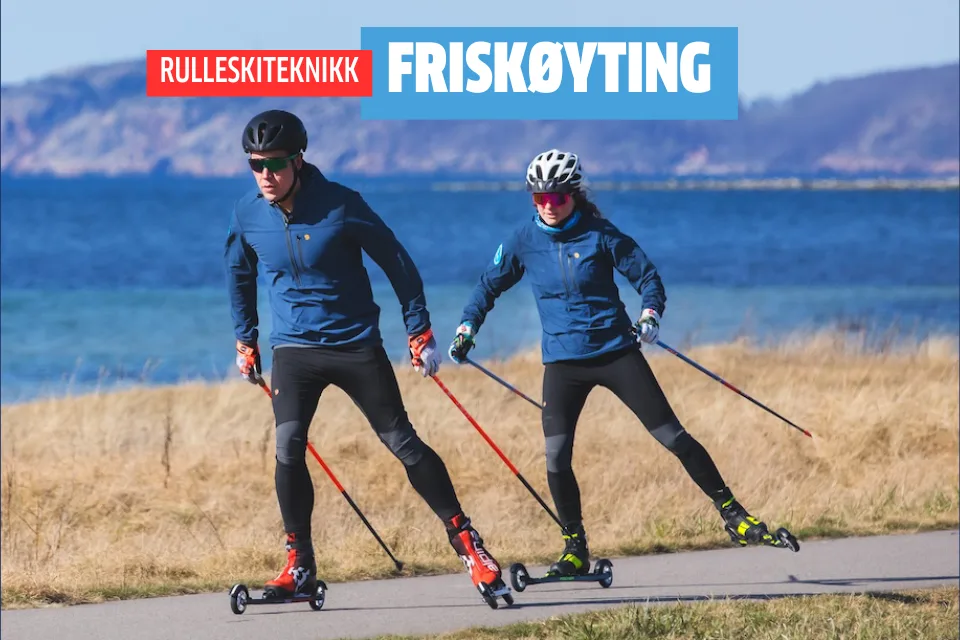
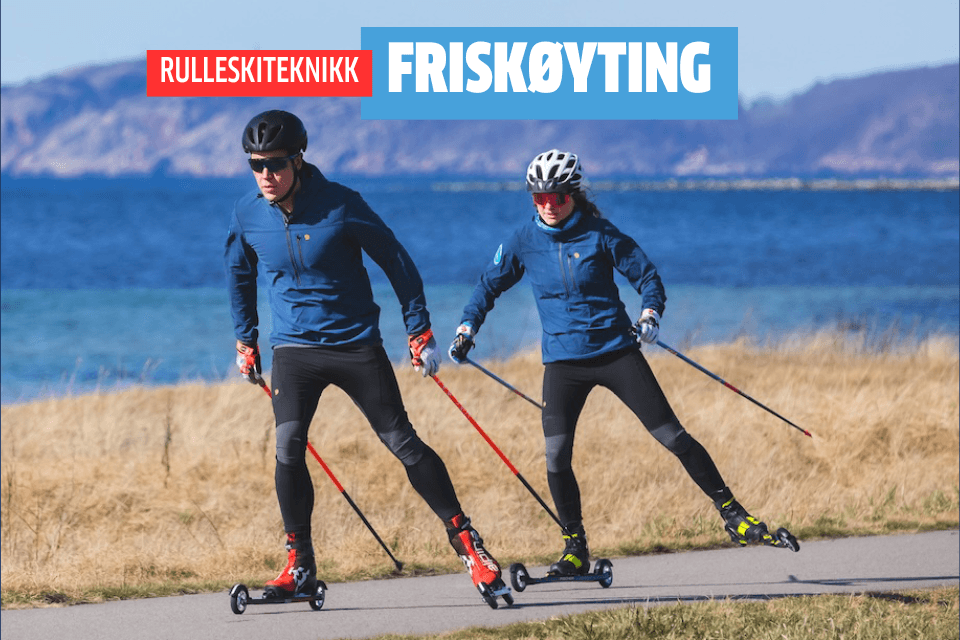
1. Powerful Skating Strides: Unlike regular skating where poles contribute to forward thrust, friskøyting relies solely on the power generated by the skier’s legs. This involves strong, sweeping motions where the skier pushes off the inside edge of one ski while gliding on the other. The goal is to maximize the distance covered with each stride and to transfer energy efficiently from the legs to the skis. This requires significant quadriceps, hamstring, and gluteal strength, as well as the ability to engage the core for stability.
2. Maintaining Balance at High Speeds: As speed increases, maintaining balance becomes paramount. In friskøyting, the skier’s center of gravity needs to be precisely positioned over the skis. This often involves a slightly lower stance, with bent knees and hips, to create a stable base. The upper body plays a crucial role in balance, remaining relatively still and facing forward, with subtle adjustments made to counteract any lateral forces. The arms, while not used for propulsion, are typically held forward and slightly out to the sides, aiding in maintaining equilibrium.
3. Efficient Gliding: The ability to glide smoothly and efficiently on a single ski is fundamental. Each stride should transition seamlessly into a glide phase, allowing the skier to cover maximum distance with minimal energy expenditure. This requires precise edge control and a deep understanding of how to utilize the ski’s base to minimize friction. The transition between pushing off one ski and gliding on the other must be fluid, avoiding any abrupt movements that could disrupt momentum or balance.

4. Body Positioning and Core Engagement: A strong, engaged core is the foundation for all effective skiing techniques, and friskøyting is no exception. A stable core allows the skier to transfer power from the legs to the skis without unnecessary movement in the torso. This translates to more direct and efficient propulsion. The body should be in a streamlined position to minimize air resistance, particularly at high speeds. This often means a slight forward lean from the hips, with the back relatively straight.
Training and Skill Development
Developing proficiency in friskøyting requires dedicated practice and a structured training approach. Coaches often emphasize drills that isolate and refine specific aspects of the technique:
- Balance Drills: Standing on one ski for extended periods, practicing edge control, and performing single-leg squats can significantly improve balance and proprioception.
- Power Generation Exercises: Squats, lunges, plyometrics, and hill sprints are crucial for building the leg strength required for powerful strides.
- Speed Work: Practicing friskøyting on gradual downhills or in controlled environments allows skiers to experience higher speeds and learn to manage their balance and technique accordingly.
- Video Analysis: Reviewing footage of one’s own technique, alongside observing elite skiers, can provide valuable insights for improvement.
The provided video demonstration, featuring an instructor guiding viewers through the nuances of friskøyting on roller skis, serves as a practical resource. Roller skiing is an excellent off-season training tool for cross-country skiers, as it closely mimics the movements and demands of on-snow skiing. By practicing friskøyting on roller skis, athletes can maintain and improve their technique throughout the year, ensuring they are well-prepared for the competitive season. The video’s focus on creating speed through leg work and finding high-speed balance highlights the core principles of this demanding technique.
Broader Implications and Future Trends
The mastery of friskøyting has direct implications for competitive performance. In freestyle races where terrain varies, skiers who can effectively utilize friskøyting will gain a significant advantage on downhill sections, potentially creating crucial gaps or closing deficits. This technique is not merely an auxiliary skill; it is an integral part of the modern freestyle skier’s arsenal.
The continuous evolution of skiing techniques, driven by innovation in equipment and training methodologies, suggests that friskøyting will remain a vital component of freestyle skiing. As athletes push the boundaries of human performance, the demand for refined and efficient techniques like friskøyting will only increase. The pursuit of marginal gains is constant in elite sports, and mastering every facet of skiing, including specialized techniques like friskøyting, is essential for staying at the forefront.
Furthermore, the accessibility of training resources, such as the video content mentioned, democratizes the learning process. Aspiring skiers, regardless of their geographic location or access to specialized coaching, can benefit from detailed technical instruction. This proliferation of knowledge contributes to a higher overall standard of skiing and a broader appreciation for the intricacies of the sport.

Conclusion
Friskøyting represents a sophisticated and demanding aspect of freestyle cross-country skiing, emphasizing raw leg power, exceptional balance, and fluid transitions. Its application in high-speed descents and challenging terrain makes it an indispensable skill for competitive skiers. Through dedicated training, a deep understanding of biomechanics, and the utilization of modern training tools, athletes can hone this technique to unlock new levels of speed and efficiency on the snow. As the sport continues to evolve, the art of friskøyting will undoubtedly remain a cornerstone of freestyle skiing excellence.

