
The landscape of elite cross-country skiing in Norway, a nation synonymous with the sport, has been thrown into sharp focus by the complex situation facing seasoned athlete Astrid Øyre Slind. In a move that highlights growing tensions between individual athlete aspirations and national team mandates, Slind has found herself compelled to sign with the national team, a decision that now necessitates the use of her personal savings to maintain her competitive edge and pursue her dream of World Championship gold. This predicament has drawn sharp criticism from cross-country skiing experts, who deem the current system as not only financially burdensome for athletes but potentially detrimental to their careers.
The crux of the issue lies in a long-standing rule within the Norwegian Ski Federation. For Slind, 38, to be eligible for selection to World Cup races and major championships, including the upcoming World Championships in Falun, she was required to accept a place on the national team. This stipulation, codified in paragraph 205.2 of the federation’s general regulations dating back to 2013, dictates that athletes who decline a national team invitation are barred from representing Norway on the international stage. This rule effectively created a situation where Slind, who had previously sought and been granted exemptions from the national team in prior years, was left with little choice but to align herself with the federation’s structure.
A Calculated Investment or a Risky Gamble?
Following her departure from the private Team Aker Dæhlie in April, Slind made the deliberate decision to bring her long-time coach, Chris Jespersen, with her into the national team setup. This move was not a matter of debate for Slind; her partnership with Jespersen has been a cornerstone of her training regimen for years. They operate an independent program, largely outside the direct purview of the national team’s overarching structure, with Slind intending to participate in only select aspects of the national team’s offerings.
However, this arrangement comes at a significant personal cost. Slind openly acknowledges that she is now dipping into her savings to fund her continued pursuit of elite competition. She describes the situation as a "pure gamble" or, more optimistically, an "investment." "Right now, it’s savings that are being used," Slind told Nettavisen. "And that I preferably have to earn well next year. It’s a pure investment. There’s no security in it, in that sense. I see it somewhat as an investment, because I believe this setup will make me good."
Slind is convinced that her chosen path, a hybrid approach combining national team benefits with personalized coaching, offers her the optimal conditions for success, particularly with the World Championships in Falun on the horizon. Being part of the national team grants her crucial advantages, including priority consideration for early-season World Cup selections. Simultaneously, she retains the invaluable continuity of training with her trusted coach, Jespersen.
Yet, the financial burden is substantial. If Slind does not secure sufficient prize money from her performances, she faces the stark prospect of having to make another difficult decision: potentially curtailing her career before she feels she has reached her competitive peak. This underscores the high stakes involved in her current approach.
The Federation’s Stance and Expert Discontent
The Norwegian Ski Federation’s tightened stance on athlete exemptions this year represents a significant shift. Slind’s request for an exemption, a practice she had successfully employed in previous seasons, was denied. This denial, directly linked to the 2013 regulation, effectively forced her hand.
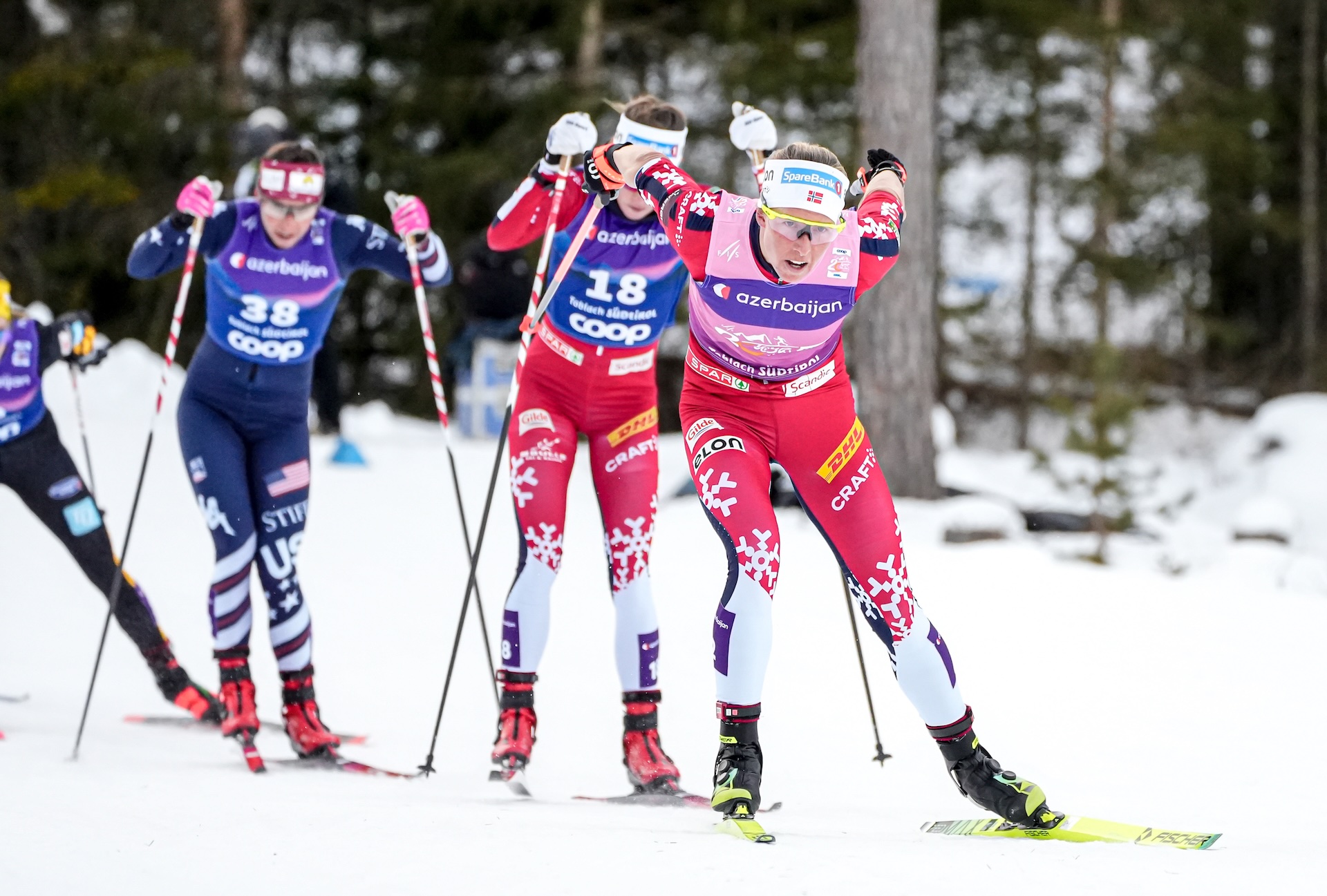
The federation’s policy, designed to ensure a cohesive national program and centralized athlete development, is coming under fire from prominent figures within the sport. Petter Skinstad, a well-regarded cross-country skiing expert, has voiced his strong disapproval of the rule, labeling it "idiotic." He argues that the very existence of such a rule, used to compel athletes onto the national team, is an implicit admission that the federation’s own offerings are insufficient to attract top talent voluntarily.
"The fact that someone even considers saying no (to a national team offer) is a failure," Skinstad stated to Nettavisen. "So, the fact that they have to resort to this rule to force people onto the national team is, to me, the same as throwing their hands up and admitting that the offer they have is not good enough, and then they have to use pressure and power."
Skinstad’s perspective suggests a potential disconnect between the federation’s strategic goals and the practical realities faced by elite athletes. He implies that the federation’s insistence on a centralized model, without sufficiently appealing alternatives for athletes who thrive in different environments, leads to these "forced" decisions.
A Wider Trend of Athlete Autonomy and Federation Control
Astrid Øyre Slind’s situation is not an isolated incident. Several other prominent Norwegian cross-country skiers are navigating similar challenges, highlighting a broader debate about athlete autonomy versus national program control.
Karoline Simpson-Larsen and Karoline Grøtting, both rising stars, also had their applications for exemptions denied this year. Like Slind, they have now joined the national team but are permitted a considerable degree of freedom to continue with their own specialized training programs, funded out of their own pockets. For Simpson-Larsen and Grøtting, this means adhering to much of the training regimen provided by Team Anlegg Øst Entreprenør, including altitude training camps.
This mirrors the situation of Kristine Stavås Skistad, who has historically secured national team agreements that grant her complete autonomy to follow her own training plans. Skistad exclusively trains with Team Konnerud and has historically opted out of national team gatherings and activities until much later in the season, typically November.
The national team coaches have openly expressed their concerns that these individualistic approaches can be detrimental to the overall cohesion and development of the national team. The implied sentiment is that a more unified team structure fosters a stronger collective spirit and allows for more efficient resource allocation and knowledge sharing. However, the athletes’ persistent pursuit of individualized training, often supported by private sponsors or personal funds, suggests a belief that such tailored approaches are crucial for their peak performance.
Historical Context and the Evolution of Elite Skiing
The current policy of the Norwegian Ski Federation can be seen as an attempt to reinforce a model that has historically yielded immense success. For decades, Norway has dominated international cross-country skiing, largely through a robust national program that identifies and nurtures talent from a young age. The national team has traditionally been the undisputed pinnacle of the sport, offering comprehensive support, coaching, and access to top-tier facilities.
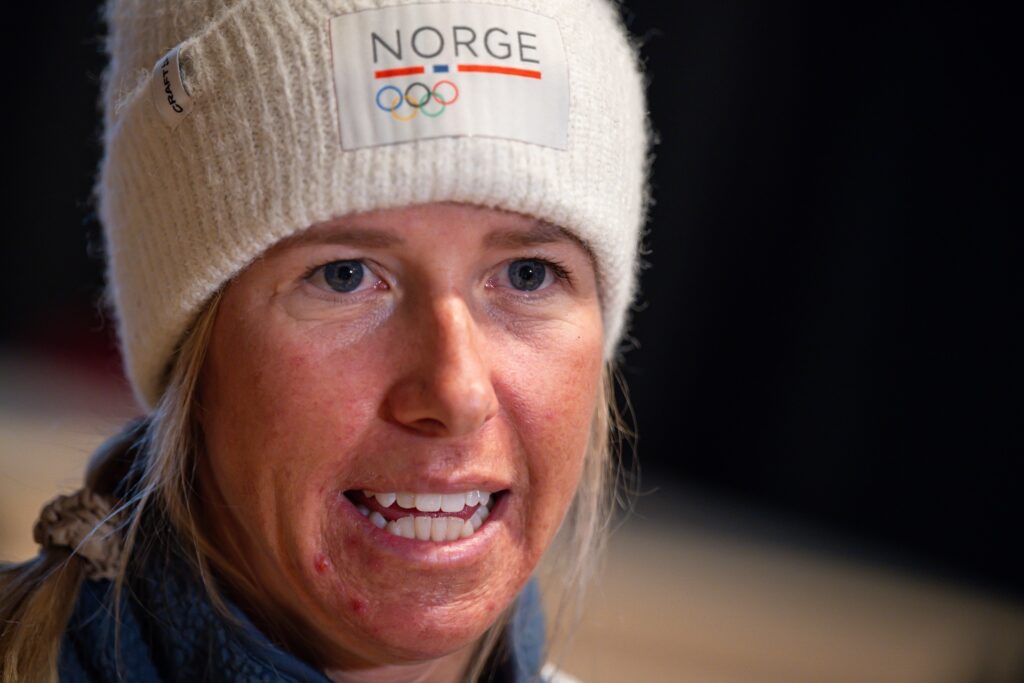
However, the professionalization of winter sports has also seen the rise of sophisticated private training groups and specialized coaching services. Athletes are increasingly aware of their unique physiological needs and training responses, leading some to seek environments that cater specifically to these individual requirements. This shift is not unique to Norway; similar debates have occurred in other major sporting nations.
The rule implemented in 2013 can be viewed as a response to a perceived fragmentation of the sport. By mandating national team membership for international participation, the federation aimed to ensure that all top athletes contributed to and benefited from the collective national effort. The goal was to prevent a scenario where athletes, by operating entirely outside the national structure, might inadvertently weaken the overall talent pool or create a competitive disadvantage for those fully integrated into the system.
Financial Realities and Career Longevity
The financial pressures on elite athletes are considerable. While World Cup victories and championship titles bring prize money and sponsorship opportunities, the journey to reach that level requires substantial upfront investment in coaching, equipment, travel, and specialized training. For athletes like Astrid Øyre Slind, who are in the later stages of their careers, the window for financial recoupment may be narrowing, making the decision to fund their own campaigns even more precarious.
The prospect of having to retire prematurely due to financial constraints, as Slind fears, is a sobering reality. It raises questions about the sustainability of elite sporting careers and the role of national federations in ensuring that financial barriers do not prematurely end the careers of talented athletes.
The success of athletes like Slind, Simpson-Larsen, and Grøtting in continuing to perform at a high level despite these financial hurdles suggests a resilience and determination within the Norwegian skiing community. However, the underlying issue of access and affordability for optimal training environments remains a significant point of contention.
Implications for the Future of Norwegian Cross-Country Skiing
The ongoing debate surrounding athlete autonomy and national team policy has several potential implications for the future of Norwegian cross-country skiing:
- Athlete Welfare: If athletes are consistently forced to choose between their preferred training environments and their ability to compete internationally, or if they are forced to deplete their savings, it could lead to burnout, decreased motivation, and potentially premature retirements.
- Talent Development: A rigid national team policy could inadvertently deter emerging talent who might benefit more from alternative coaching structures or who are hesitant to commit to the demands of a full national team program at an early stage.
- Program Innovation: The federation may need to consider more flexible models that can accommodate diverse athlete needs and training philosophies, perhaps by offering tiered support structures or more adaptable national team agreements.
- International Competitiveness: While Norway has a deep talent pool, a system that alienates or financially strains its top athletes could, in the long run, impact its sustained dominance on the international stage.
As Astrid Øyre Slind embarks on her season, her personal investment serves as a potent symbol of the sacrifices made by elite athletes. Her situation compels a broader conversation about how national sporting federations can best support their athletes while upholding the integrity and competitiveness of their programs, ensuring that financial considerations do not become an insurmountable obstacle to achieving athletic dreams. The coming months will undoubtedly shed more light on the effectiveness of this complex balancing act within Norwegian cross-country skiing.

