
The landscape of urban fitness is undergoing a significant transformation as specialized, sport-specific modalities move from the periphery into the mainstream boutique market. Leading this shift is NRTHRN Strong, a Danish-born fitness concept that has recently established a flagship presence in New York City’s competitive Flatiron District. By leveraging the physiological demands of cross-country skiing—a sport widely regarded by exercise scientists as the ultimate full-body workout—the studio aims to provide a high-intensity, low-impact alternative to traditional rowing, cycling, and running-based workouts. The expansion marks a pivotal moment for Nordic-inspired training, translating the rigorous demands of winter endurance sports into a climate-controlled, data-driven studio environment.
The Physiology of Cross-Country Skiing as a Fitness Foundation
Cross-country skiing has long been celebrated in the medical and athletic communities for its unparalleled efficiency in cardiovascular and muscular conditioning. Unlike many forms of exercise that isolate specific muscle groups, the mechanics of Nordic skiing require the synchronized movement of the entire body. The sport engages the arms, legs, back, and core, while simultaneously demanding high levels of balance and coordination. According to data published in various sports medicine journals, including studies archived by PubMed, the caloric expenditure of cross-country skiing is significantly higher than that of its downhill counterpart. A moderate hour-long session can burn between 400 and 700 calories, and research indicates it takes approximately two and a half hours of downhill skiing to achieve the same caloric burn as one hour of cross-country effort.
Beyond simple calorie metrics, the sport is known for producing some of the highest recorded VO2 max levels in elite athletes. This is due to the "whole-body" nature of the movement, which forces the heart to pump oxygenated blood to nearly every major muscle group simultaneously. NRTHRN Strong’s methodology is built upon this physiological premise, aiming to replicate these metabolic demands for an urban population that may never have set foot on a snowy trail. By removing the geographical and equipment-based barriers to the sport, the studio democratizes a high-level athletic discipline for the general public.
Technical Innovation: The NRTHRN Trainer
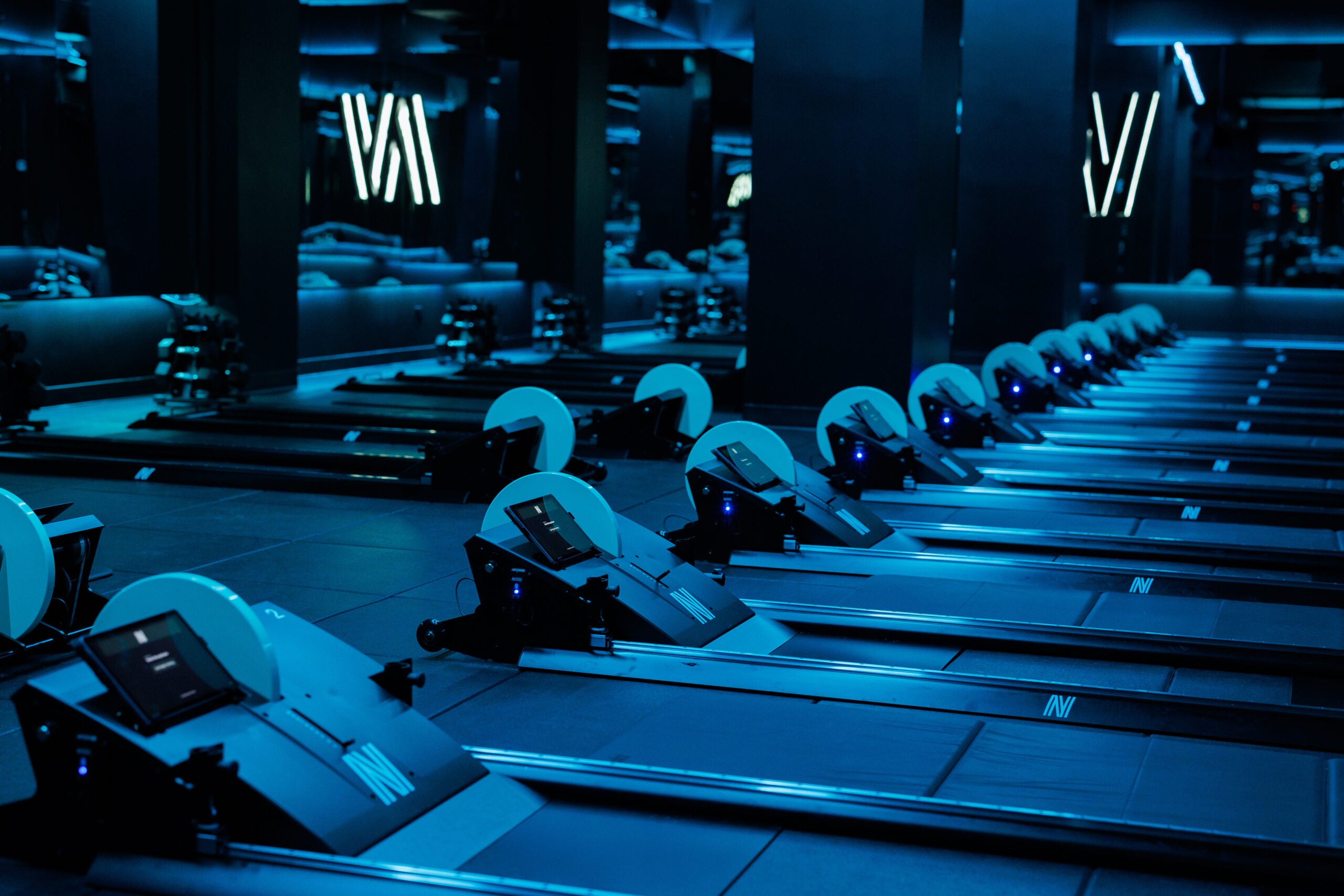
At the center of the NRTHRN Strong experience is the NRTHRN Trainer, a proprietary piece of equipment designed to mimic the specific resistance and glide of cross-country skiing. The machine represents a hybrid of several established fitness technologies, bearing a resemblance to both a rowing ergometer and a traditional shuffleboard or sliding platform. The device features two vertical sockets on either side into which specialized poles are inserted. These poles slide back along a track, providing resistance that simulates the "push-off" phase of a ski stride.
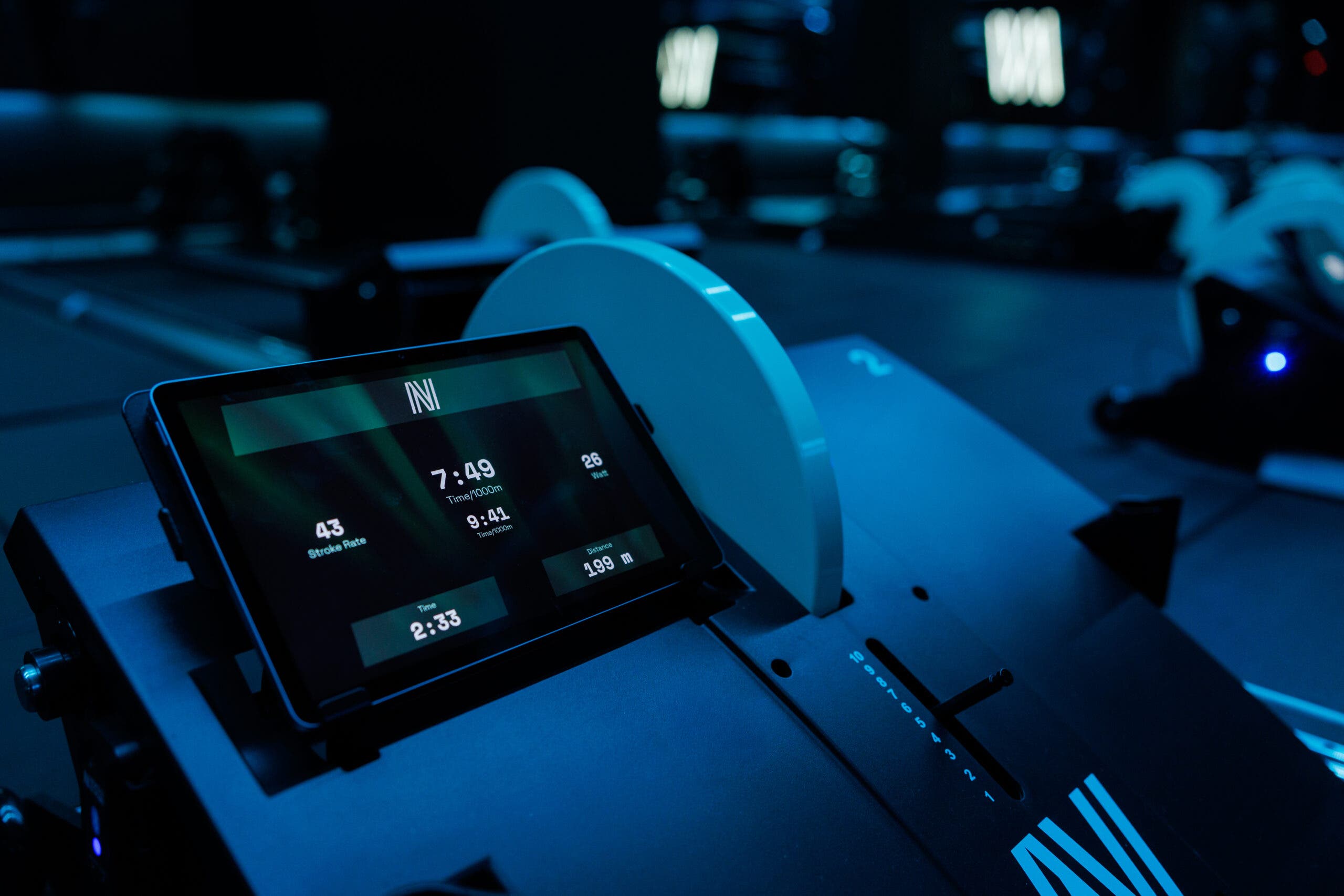
The trainer is equipped with an integrated digital interface that provides real-time feedback to the user. Metrics displayed include stroke rate, elapsed time, distance covered, and pace per 1,000 meters. This data-centric approach allows participants to track their performance with the same precision found in professional Nordic training facilities. Unlike traditional treadmills or stationary bikes, the NRTHRN Trainer is designed to be user-controlled; the intensity of the workout is directly proportional to the force applied by the user. This "you get out what you put in" philosophy ensures that the machine is accessible to beginners while remaining sufficiently challenging for elite athletes.
Chronology of the NRTHRN Strong Studio Experience
The introduction of NRTHRN Strong to the United States follows a successful tenure in Copenhagen, Denmark, where the concept was originally refined. The New York City location, situated in the Flatiron neighborhood—often referred to as the "Fitness District" due to its high density of boutique studios—serves as the brand’s North American beachhead. The studio environment is meticulously curated to reflect its Nordic roots, utilizing moody lighting inspired by the Aurora Borealis to create an immersive atmosphere.
A typical 50-minute session at NRTHRN Strong follows a High-Intensity Interval Training (HIIT) structure, divided into distinct phases:
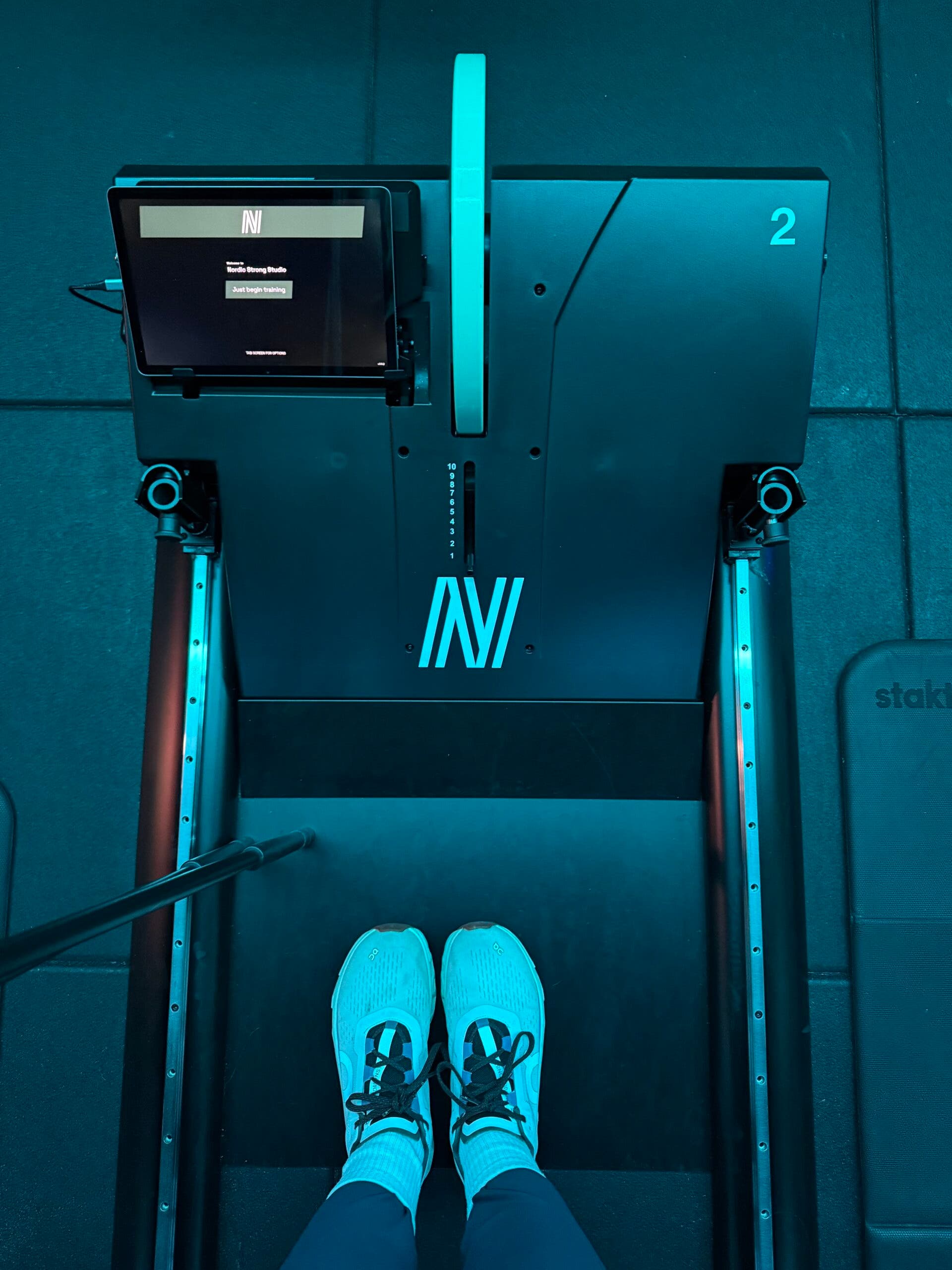
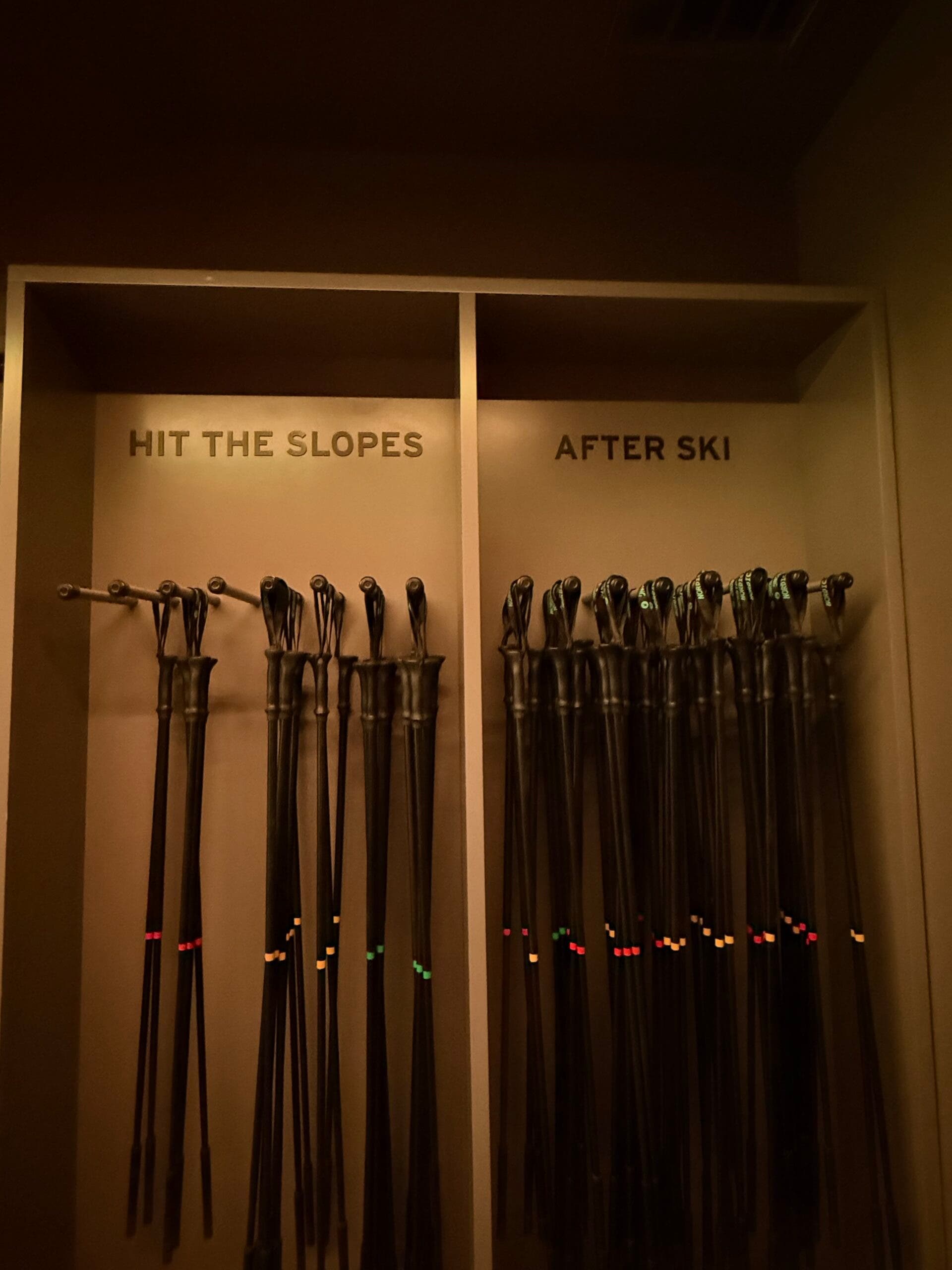
- Technical Orientation: Given that the equipment is unique to the brand, instructors begin each session with a breakdown of the mechanics. This includes selecting the appropriate pole length based on the participant’s height and mastering the "slide-and-socket" movement.
- Machine Intervals: The primary cardio component involves 10-minute blocks on the NRTHRN Trainer. During these intervals, instructors call out target stroke rates and intensity levels, focusing on explosive, plyometric movements that maximize time under tension.
- Floor Work: Alternating with the machine blocks, participants move to mats for lower-body and core-strengthening exercises. These movements are designed to complement the skiing motion, focusing on the stability and lateral strength required for balance.
- Cool Down and Recovery: The session concludes with a focus on mobility, addressing the muscle groups most heavily taxed during the high-resistance intervals.
This circuit-based flow ensures that heart rates remain elevated throughout the duration of the class while preventing over-fatigue of any single muscle group.
Market Trends and the Shift Toward Low-Impact Training
The emergence of NRTHRN Strong coincides with a broader trend in the fitness industry toward low-impact, high-intensity (LIHI) modalities. For years, the boutique market was dominated by high-impact activities like CrossFit and treadmill-heavy boot camps. However, an aging demographic of fitness enthusiasts and an increased awareness of joint longevity have led to a surge in demand for workouts that deliver cardiovascular results without the repetitive stress of pounding on pavement or hard floors.
Industry analysts suggest that the NRTHRN Trainer fills a similar market niche to the Pilates reformer or the rowing machine. The "sliding" motion of the poles and the fluid nature of the resistance provide a workout that is gentle on the knees, hips, and ankles. This makes the class viable for a wide demographic, including those with limited mobility or those recovering from impact-related injuries. Fitness professionals have noted that the emphasis on "controlled movement"—where the user dictates the speed and resistance—is a key factor in injury prevention and long-term athletic sustainability.
Broader Implications for the Fitness Industry
The success of NRTHRN Strong suggests a growing appetite for "functional" fitness that translates to real-world performance. While many participants may use the studio solely for general conditioning, the crossover benefits for actual skiers are significant. By strengthening the specific neural pathways and muscle groups used in Nordic skiing, the studio serves as a year-round training ground for winter sports enthusiasts.
Furthermore, the brand’s expansion highlights the globalization of fitness concepts. Just as the "boutique" model was largely an American export in the early 2010s, European concepts focusing on longevity and sport-specific mechanics are now finding a foothold in major U.S. markets. The inclusion of Danish design principles—both in the machine’s aesthetics and the studio’s minimalist environment—appeals to a consumer base that values both form and function.
Accessibility and Inclusivity in "Elite" Sport Training
One of the most significant impacts of NRTHRN Strong is its role in demystifying a sport often perceived as elitist or geographically restricted. Cross-country skiing requires specific weather conditions, expensive equipment, and often a trip to a mountain resort. By bringing the mechanics of the sport into a neighborhood studio, NRTHRN Strong removes these barriers.
The studio’s leadership has emphasized that no prior skiing experience is necessary to participate. By positioning the workout as a "full-body burn" rather than a "ski lesson," they have successfully attracted a diverse clientele. However, for those with a background in the sport, the familiarity of the movement allows for a higher level of intensity from the first session, creating a tiered experience where both novices and experts can find value.
Conclusion: The Future of Nordic-Inspired Wellness
As NRTHRN Strong continues its operations in New York and Copenhagen, the brand stands as a testament to the enduring relevance of traditional endurance sports in a modern context. By combining the proven physiological benefits of Nordic skiing with the data-driven, community-focused atmosphere of a boutique studio, NRTHRN Strong has carved out a unique space in the crowded fitness market.
Looking forward, the implications for physical therapy and rehabilitative science are also noteworthy. The low-impact nature of the NRTHRN Trainer, combined with its focus on core stability and multi-planar movement, offers potential applications beyond the standard gym setting. As the fitness industry continues to evolve, the integration of specialized sports mechanics into everyday wellness routines appears to be not just a trend, but a sustainable shift toward more intelligent, body-conscious training. For the residents of Manhattan and beyond, the "Northern Lights" of the Flatiron District may represent the next frontier in the quest for the ultimate full-body workout.

