
The 2026 Southern Hemisphere ski season has officially commenced, with resorts across Australia and New Zealand opening their doors, albeit with varying degrees of success due to prevailing weather patterns. While Australian resorts managed to initiate their seasons last weekend, albeit with limited terrain, New Zealand is facing a slower start, with several key destinations experiencing delays in their planned openings due to insufficient natural snowfall and unseasonably warm temperatures.
Australian Resorts Navigate a Cautious Opening
Australia’s premier ski fields, renowned for their early June openings often coinciding with the King’s Birthday long weekend, have largely managed to provide some level of access for eager skiers and snowboarders. Resorts such as Perisher, Thredbo, Falls Creek, Mt Hotham, and Mt Buller all reported having some slopes operational for the opening weekend. However, reports indicate that much of the terrain available was confined to nursery and beginner areas, a common occurrence in years with a less-than-ideal start to the snow season.
Nathan Butterworth, Vice President and General Manager of Perisher, expressed enthusiasm for the season’s commencement, stating, "We’re thrilled to welcome guests back to Perisher and to share the excitement of the opening weekend at Australia’s largest resort. After fresh snowfall in the week, strong snowmaking conditions, and our teams working tirelessly to prepare the mountain, we’re stoked to have skiing and boarding back in Perisher." This statement highlights the critical role of snowmaking technology in overcoming natural snow deficits, a strategy employed by many resorts globally to ensure early season operations.
The reliance on artificial snowmaking underscores the growing challenge posed by climate variability to the ski industry. While a few days of natural snowfall prior to the opening weekend provided a welcome boost, the overall snow depth was not sufficient to open the full breadth of terrain that these resorts typically offer by this time of year. This has likely impacted the experience for advanced skiers and snowboarders, who often seek out more challenging runs and off-piste opportunities.
New Zealand Faces Significant Delays
In stark contrast to Australia’s partial opening, New Zealand’s ski season is experiencing considerable delays. Several prominent resorts, including Mt Hutt, Coronet Peak, The Remarkables, and Cardrona, were scheduled to open their doors last weekend and this coming Friday and Saturday, respectively. However, a persistent lack of natural snow and unseasonably warm temperatures have forced significant postponements.
Mt Hutt, which was slated to begin operations on Friday, June 12th, has officially announced a delay. A statement from the resort read, "We will be delaying our opening from this Friday 12th June to a later date as we await for winter to arrive. We have some colder weather moving in from next week so we should see some natural snowfall and lower temperatures to get our snowmaking cranking." This indicates a hopeful outlook, contingent on a shift in weather patterns.
Cardrona Alpine Resort has also confirmed a postponement, pushing its opening day back by a week to June 20th. In their statement, the resort explained, "Winter slept in by a couple of weeks this year, which meant we didn’t get early snowmaking underway as early as we would have liked. The good news? The temperatures have dropped, the guns are firing, the team is all here, and we can’t wait to kick off winter ’26 as soon as conditions allow." This sentiment from Cardrona reflects the proactive measures being taken, with snow guns operating at full capacity in anticipation of colder temperatures.
Coronet Peak, while facing similar challenges, has managed to open some nursery and beginner slopes thanks to its advanced snow factory technology. This facility allows for the production of snow even in warmer temperatures, providing a crucial lifeline for early season operations and catering to novice skiers and snowboarders. However, the extent of terrain open is likely limited compared to a typical early-season opening.
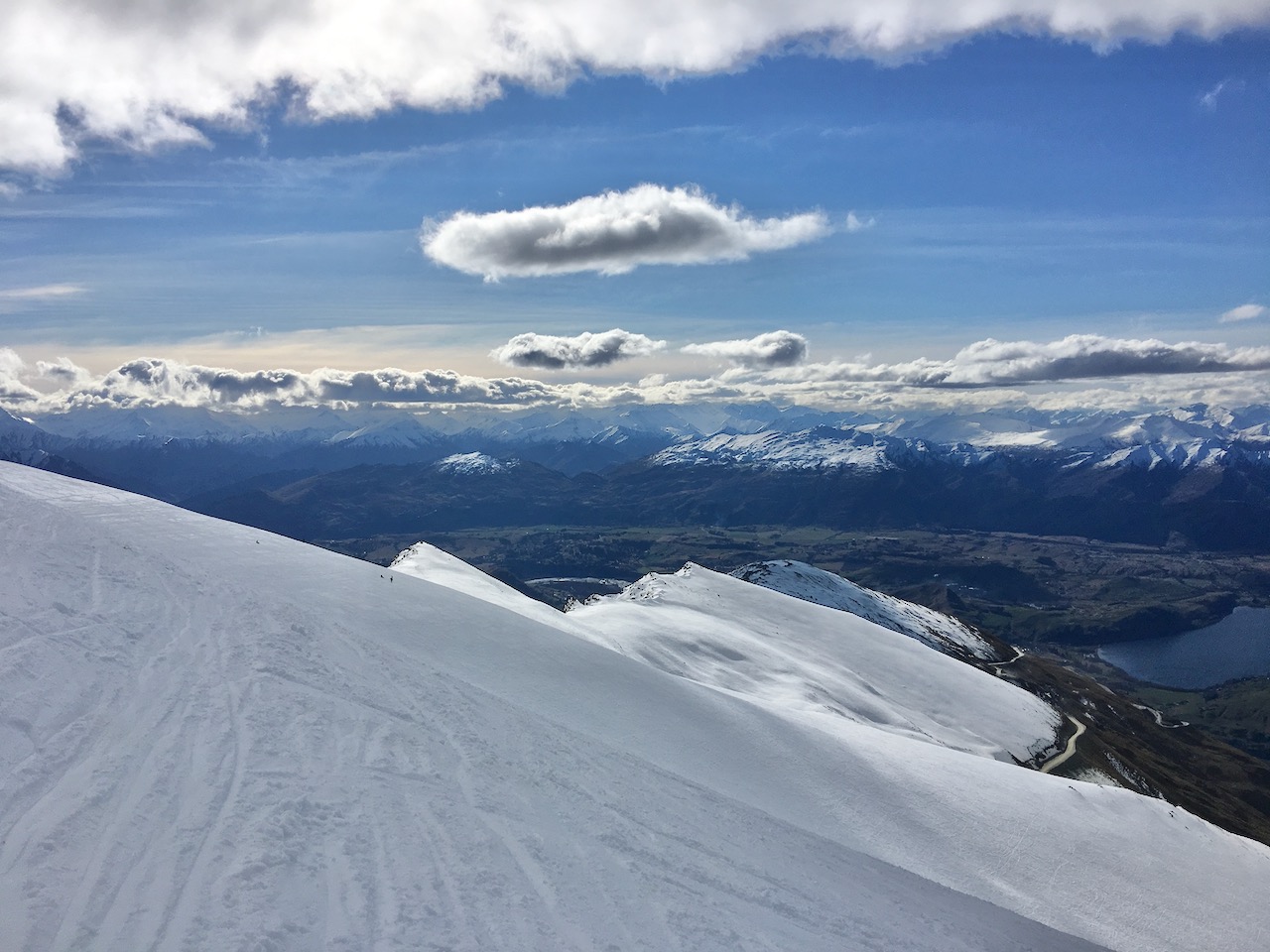
The Remarkables has yet to make a definitive decision regarding its planned opening this weekend, indicating the ongoing uncertainty.
Industry Response and Outlook
Paul Anderson, Chief Executive of NZSki, which operates Coronet Peak and The Remarkables, emphasized the readiness of their teams to capitalize on any favorable weather shifts. "All ski areas are ready to move quickly as soon as conditions allow," he stated. "Our teams are doing everything they can to get winter underway. We’ll continue to update everyone as the weather unfolds, and we’ll open more terrain the moment we have the coverage to do so safely. We know everyone wants to get up the mountains and into the season, and the good news is that we can see colder weather on the horizon, so expect to be fully open in the coming couple of weeks." This indicates a collective effort across the industry to prepare for the inevitable arrival of winter conditions.
The current situation presents a familiar narrative for the Southern Hemisphere ski industry, which often grapples with the unpredictability of early winter weather. The reliance on snowmaking technology has become increasingly important as a buffer against mild spells. Data from the Intergovernmental Panel on Climate Change (IPCC) has consistently highlighted a warming trend in global temperatures, which directly impacts snow reliability and the length of ski seasons in many regions. While the immediate concern is for the current season’s opening, the long-term implications of climate change for the viability of ski resorts are a subject of ongoing research and strategic planning within the industry.
Supporting Data and Technological Solutions
The effectiveness of snowmaking operations is heavily influenced by temperature and humidity. Lower temperatures and lower humidity levels are optimal for snow gun efficiency, allowing for greater snow production with less water and energy. Resorts like Cardrona and Coronet Peak are leveraging their investment in modern snowmaking systems, which are designed to operate effectively within a wider range of conditions than older technologies. These systems often involve advanced fan guns and lances, capable of producing high-quality snow at temperatures just above freezing.
The "snow factory" at Coronet Peak is a prime example of such innovation. These systems can operate at ambient temperatures up to 15°C (59°F), a significant advancement that allows for snow production even during periods of unseasonable warmth. This technology is crucial for creating a base layer of snow, particularly on high-traffic beginner slopes, and for supplementing natural snowfall.
Broader Impact and Implications
The delayed opening of New Zealand’s ski season has potential economic ramifications. The ski industry is a significant contributor to the tourism sector in both Australia and New Zealand, attracting international and domestic visitors. Early season revenue from lift tickets, accommodation, and related services is vital for resorts and local economies. Delays can lead to cancellations, reduced visitor numbers, and a shorter overall revenue-generating period.
Furthermore, the reliance on artificial snowmaking, while enabling operations, comes with its own set of challenges. Energy consumption for snowmaking can be substantial, leading to higher operating costs and environmental concerns related to carbon emissions. Resorts are increasingly exploring renewable energy sources and implementing water conservation measures to mitigate these impacts.
The current weather patterns also serve as a stark reminder of the need for adaptability and resilience within the ski industry. Resorts are continuously investing in snowmaking technology, diversifying their offerings beyond skiing and snowboarding to include activities like mountain biking and summer events, and exploring climate-resilient infrastructure to ensure their long-term sustainability.
As the 2026 season unfolds, the focus remains on favorable weather shifts. The arrival of colder temperatures and natural snowfall in the coming weeks will be critical for determining the full extent of operations across New Zealand’s iconic ski fields and for providing the winter experience that snow enthusiasts have eagerly anticipated. The contrast between the partially opened Australian resorts and the delayed New Zealand season underscores the complex and dynamic nature of operating in a winter sports environment subject to the whims of global weather patterns.

