
Southeastern Oregon, a region often perceived through the lens of its lush forests, dramatic coastlines, and fertile valleys, harbors a geological anomaly that defies typical expectations. The Steens Mountain and Alvord Desert area, nestled in a remote eastern pocket of the state, presents a starkly different tableau. Here, the rugged topography of the Great Basin intrudes upon the Pacific Northwest, manifesting in a dramatic landscape of towering fault-block mountains, vast, arid playas, and deeply incised glacial gorges. This unique geological tapestry creates an environment that evokes comparisons to the deserts of Nevada or Utah rather than the verdant expanses more commonly associated with Oregon. A recent exploration by YouTuber Topo Traveler highlights the striking incongruity of this high desert region, prompting a deeper examination of its formation and significance.
The Geological Genesis of a Displaced Landscape
The Steens Mountain, a dominant feature of this region, stands as the largest fault-block mountain range in southeastern Oregon. Its formation is a testament to immense tectonic forces that have been at play over millions of years. As the Earth’s crust stretched and thinned, it fractured into massive blocks. Some blocks were uplifted, creating the dramatic escarpments of the Steens, while others subsided, forming the expansive valleys and basins.
Unlike many mountain ranges in the American West, which are often composed of sedimentary or metamorphic rocks like limestone and granite, the Steens are primarily constructed from ancient flood basalt. This basaltic rock is the same geological material that forms the vast Columbia Plateau, a massive lava province that covers large portions of Oregon, Washington, and Idaho. The sheer scale of these ancient lava flows, erupting over millions of years, laid down the foundational layers upon which the Steens were later uplifted by tectonic forces.
The elevation of the Steens Mountain range, soaring to over 9,700 feet at its highest point, allowed it to act as a significant player in regional climate and glaciation. During the last ice age, the higher elevations of the Steens were blanketed by glaciers. These powerful ice masses carved deep, U-shaped valleys into the western flanks of the mountains, a characteristic feature of glacial erosion. As the glaciers receded with warming global temperatures, they left behind these dramatic gorges, a stark contrast to the relatively flat, basalt plateaus that characterize the ridgeline and eastern slopes.
The Alvord Desert: A Remnant of Ancient Waters
Beneath the imposing eastern escarpment of Steens Mountain lies the Alvord Desert, a vast, dry playa that stretches for miles. This expansive flatland is not a natural desert in the traditional sense but rather the desiccated bed of a prehistoric lake. During wetter climatic periods, particularly during the Pleistocene epoch when glaciers covered much of the northern hemisphere, large lakes formed in the basins of the Great Basin. The Alvord Desert is a direct remnant of one such ancient lake, known as Lake Alvord.
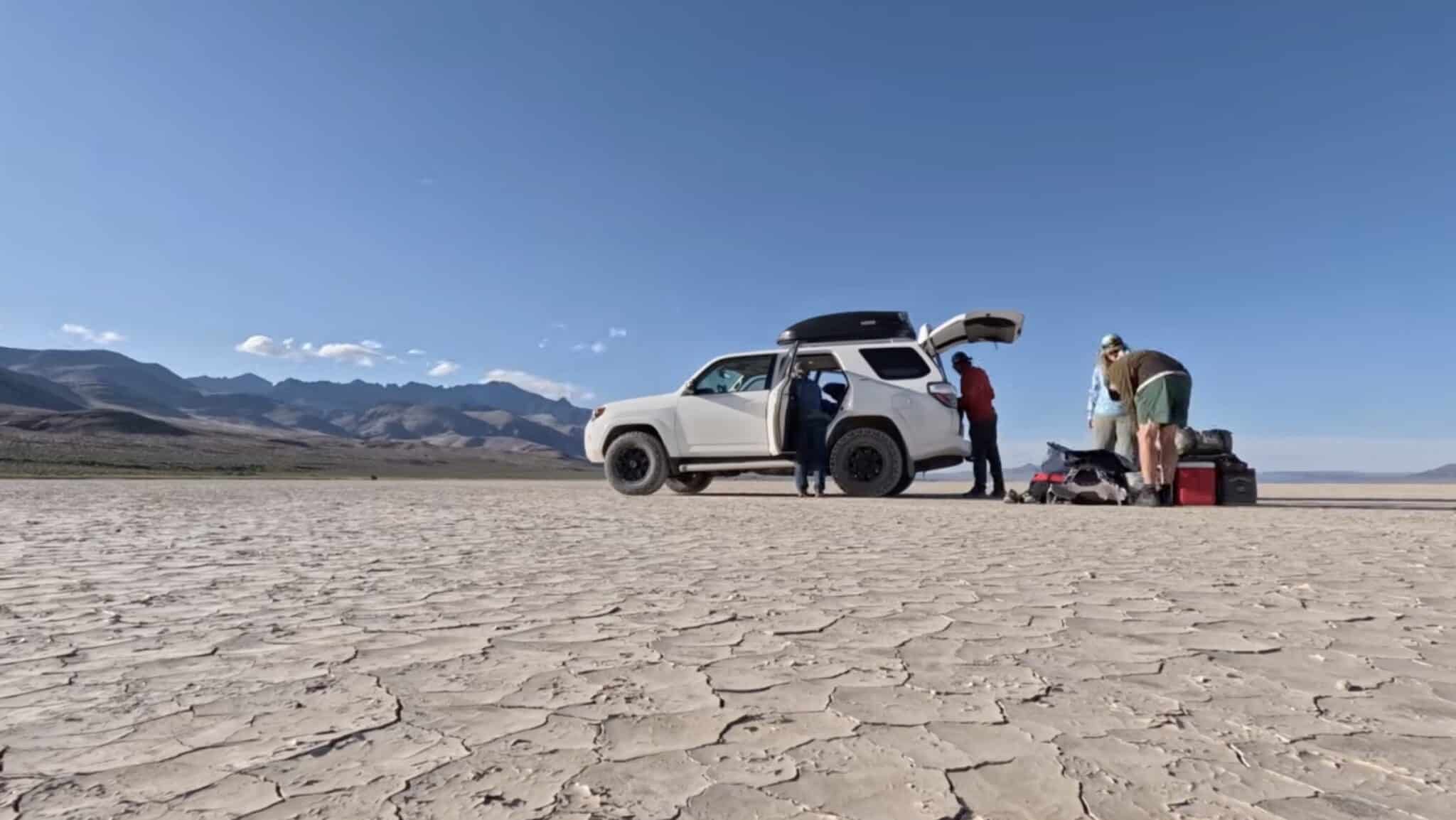
The dramatic reduction and eventual disappearance of Lake Alvord can be attributed to a combination of factors, including changes in regional precipitation patterns and the unique microclimate of the area. The Steens Mountains themselves play a crucial role in this aridity. Situated in the rain shadow of the Cascade Range to the west, the region receives significantly less precipitation than the more westerly parts of Oregon. Furthermore, the Steens Mountains create their own rain shadow on their eastern side, effectively creating a "double rain shadow" effect that severely limits rainfall in the Alvord Desert. This arid environment, characterized by fine sediments and salt flats, creates a surreal, almost otherworldly landscape.
A Journey into the Unexpected
The incongruity of the Steens Mountain and Alvord Desert region is precisely what draws adventurers and geologists alike. The journey to this remote corner of Oregon, often undertaken via unpaved roads, is an expedition in itself. Topo Traveler’s recent video documentation captures the essence of this expedition, showcasing the dramatic transition from more typical Oregon landscapes to the stark beauty of the high desert.
Topo Traveler’s footage, embedded within the reporting, offers viewers a visual journey through the fault-block mountains, the glacial gorges, and the vast expanse of the Alvord Desert playa. The video likely emphasizes the feeling of isolation and the sheer scale of the geological formations. Such explorations serve not only to document these natural wonders but also to inspire a broader appreciation for the geological diversity within a single state. The experience of visitors often involves a profound sense of surprise, as the expected imagery of Oregon is replaced by a landscape that feels entirely alien yet undeniably captivating.
Beyond the Visual: Ecological and Recreational Significance
While the Alvord Desert might appear barren, it supports a unique ecosystem adapted to its extreme conditions. Sparse vegetation, such as salt-tolerant grasses and hardy desert shrubs, can be found, providing a crucial food source for desert wildlife. The region is also home to pronghorn antelope, a testament to the resilience of life in arid environments. Bird species, including various raptors and migratory birds, also utilize the area, especially around the few remaining water sources and the edges of the playa.
The Alvord Desert playa itself is a popular destination for recreational activities, particularly for those seeking wide-open spaces. Its flat, hard surface makes it ideal for land sailing, kite buggying, and driving. The stark, minimalist beauty of the desert also attracts photographers and stargazers, as the lack of light pollution offers unparalleled views of the night sky. The Steens Mountain provides opportunities for hiking, backpacking, and scenic drives, with the Steens Mountain National Scenic Byway offering breathtaking panoramic views.
Broader Implications and Preservation Efforts
The unique geological and ecological character of the Steens Mountain and Alvord Desert region underscores the importance of understanding and preserving diverse landscapes. This area represents a critical intersection of geological processes that have shaped the broader North American continent. Its existence challenges simplistic regional stereotypes and highlights the complex geological history of the Western United States.
Conservation efforts in the region are vital to protect its fragile ecosystems and unique geological features. The Steens Mountain Wilderness Study Area and the surrounding Bureau of Land Management (BLM) lands are managed to balance recreational use with the preservation of natural resources. Understanding the geological forces that created this "out-of-place" landscape provides context for its ecological significance and the need for its continued protection. The region serves as a powerful reminder that even within a single state, astonishing geological diversity can exist, offering a glimpse into the Earth’s dynamic past and present.
The continued exploration and documentation of areas like the Steens Mountain and Alvord Desert, as exemplified by Topo Traveler’s work, are crucial for fostering public awareness and appreciation. By showcasing these unexpected landscapes, such content encourages a deeper engagement with the natural world and underscores the importance of responsible stewardship for these extraordinary environments. The region’s ability to surprise and awe visitors, by presenting a vision so contrary to expectations, solidifies its status as one of Oregon’s most geologically improbable and visually striking natural wonders.

