
Michigan’s Isle Royale National Park has implemented temporary closures of individual tent and group campsites, along with a prohibition on tent and hammock use at Three Mile Campground, due to escalating safety concerns stemming from frequent and increasingly bold encounters with the park’s resident wolf population. The unprecedented measures, which are currently in effect through July 31st, underscore a growing challenge in balancing wildlife preservation with visitor safety in one of the nation’s most remote wilderness areas.
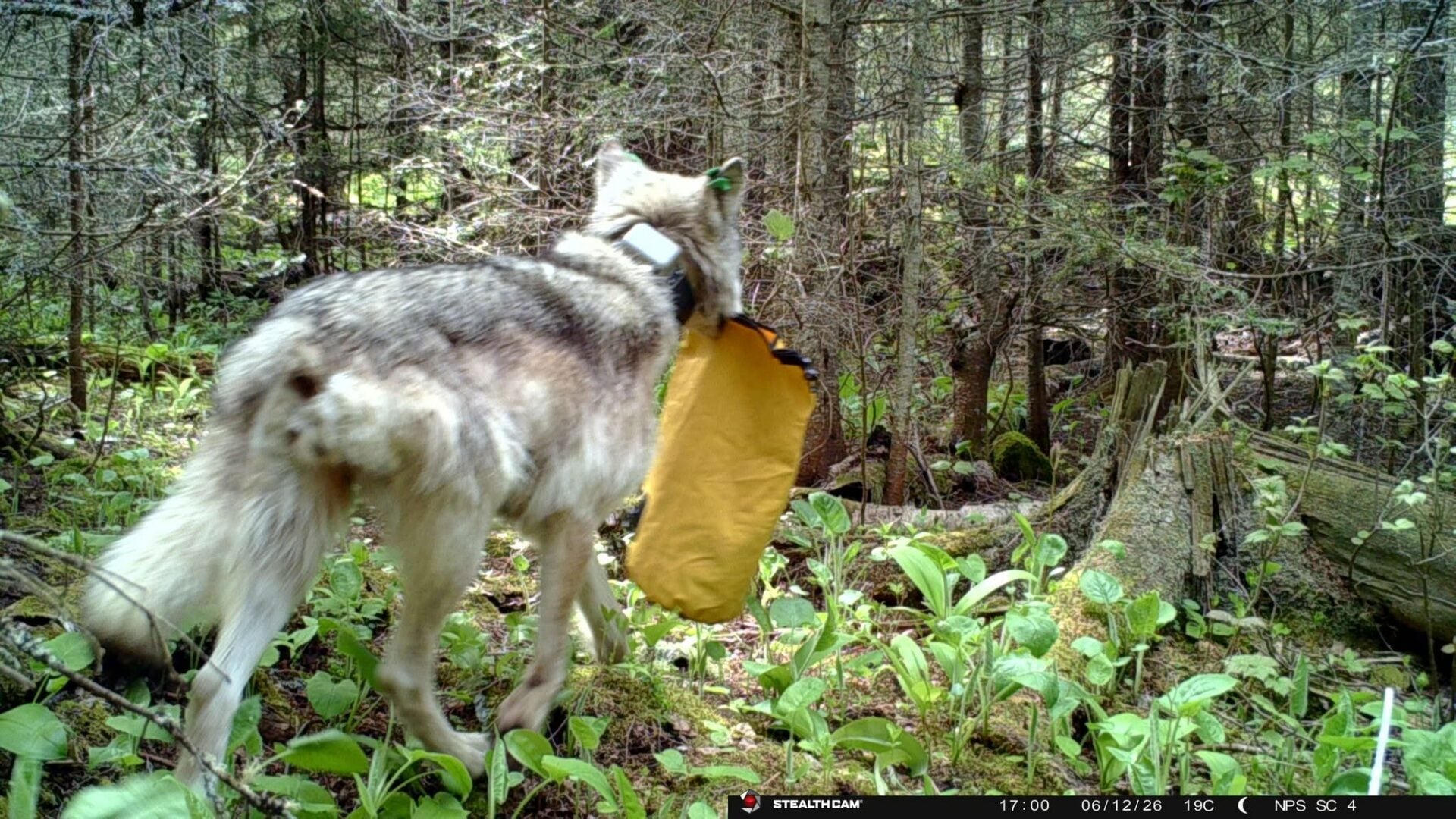
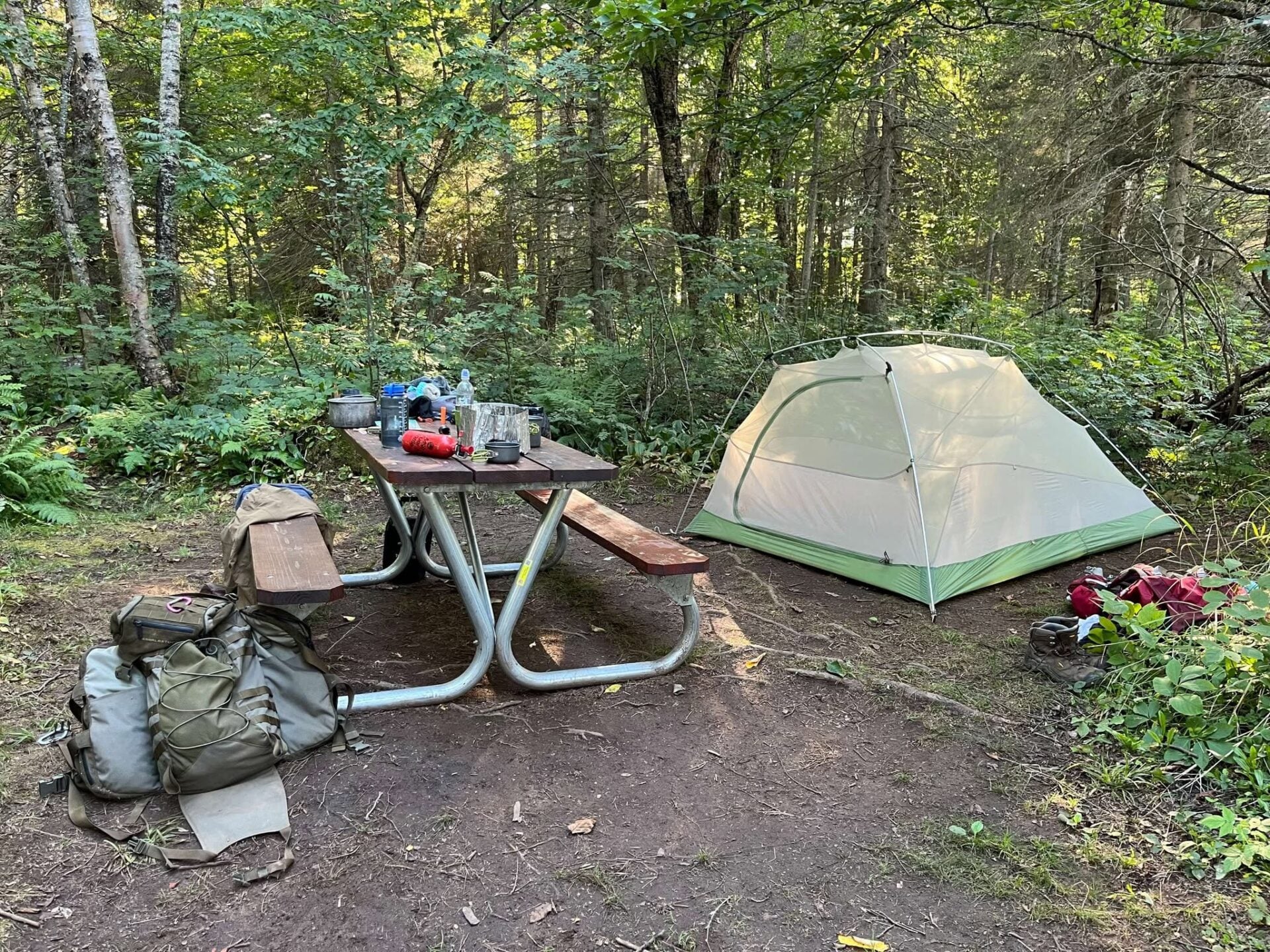
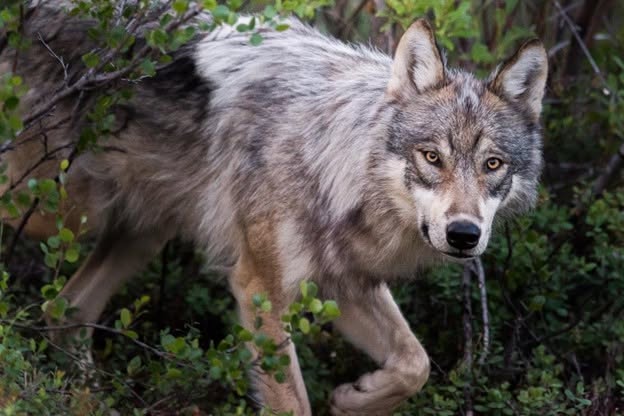
The decision to restrict camping comes after a series of concerning interactions between wolves and park visitors over the past week. According to park officials, a specific wolf has been repeatedly observed within the campground, exhibiting behavior that indicates a significant degree of habituation and a concerning reliance on human resources. This wolf has been documented sniffing and pawing at tents, dragging backpacks away from campsites, and, most alarmingly, entering an occupied tent. This behavior pattern has prompted park management to take decisive action to prevent further escalation and potential harm to both wildlife and humans.

"Over the past week, a wolf has been spotted in the campground, sniffing and pawing at tents, dragging backpacks away from tents, and entering a tent," stated a park service release. "The wolf has become increasingly bold, showing signs of habituation and a growing reliance on human food." This statement highlights the critical turning point that necessitated the immediate closures. The wolf’s persistent and intrusive behavior signals a departure from typical wild animal interactions, where animals generally avoid human presence.
The affected areas include individual tent and group campsites, as well as all off-trail camping zones surrounding Three Mile Campground. However, the park has clarified that permanent shelters within the campground will remain accessible to visitors. This targeted approach aims to reduce the opportunities for direct wolf-tent interactions while allowing some level of visitor access to the park’s infrastructure.
Background: Isle Royale’s Wild Heart and the Wolf’s Resurgence
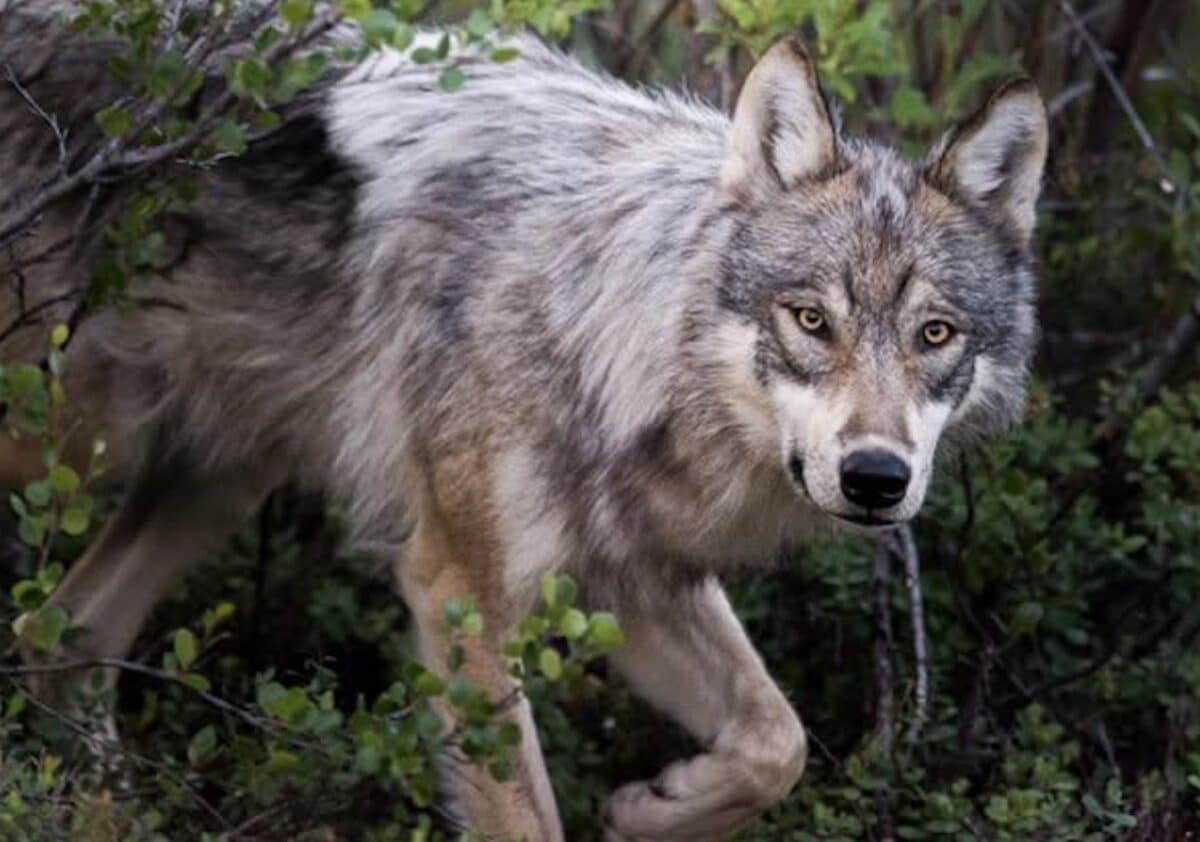
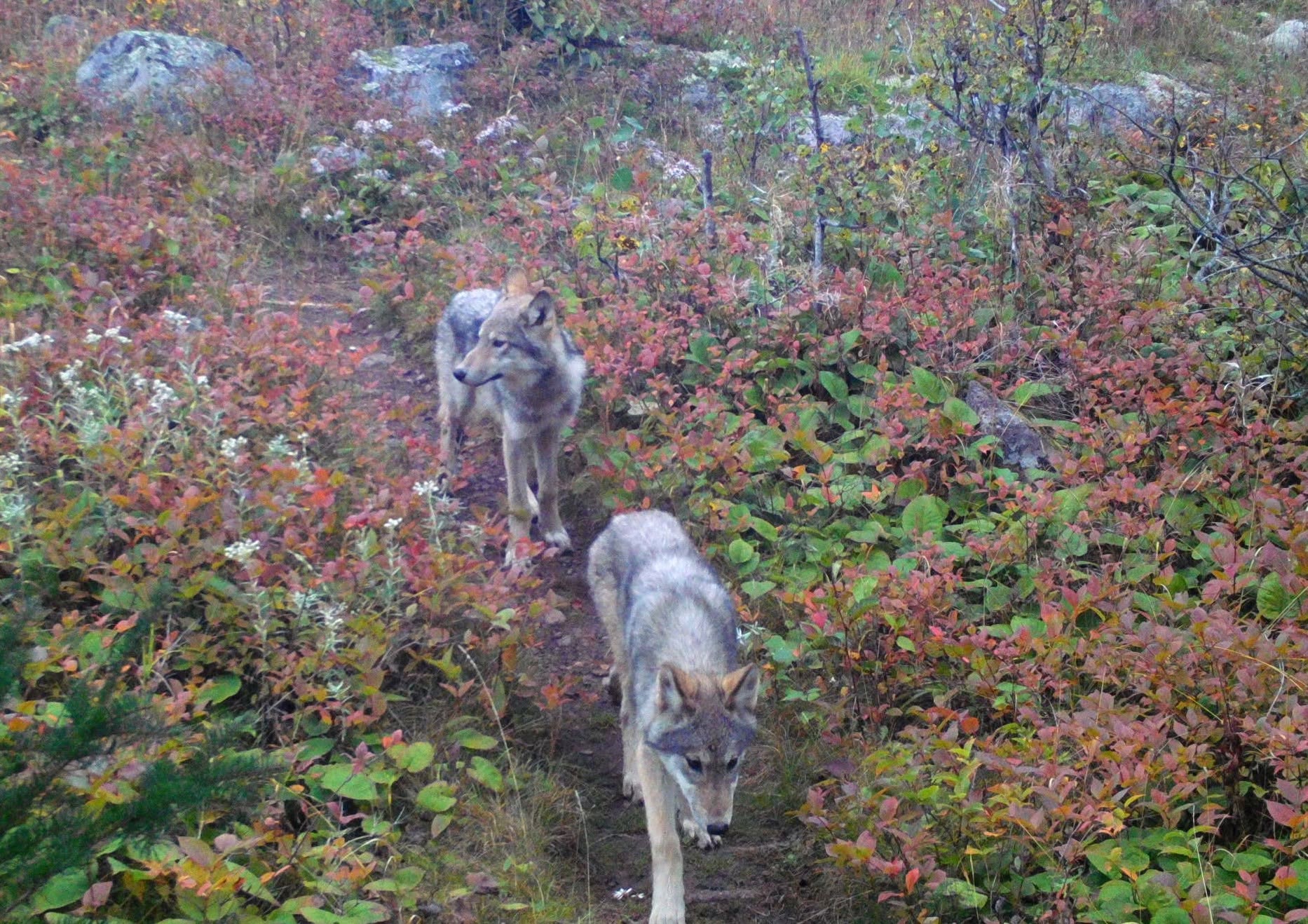
Isle Royale National Park, an archipelago in Lake Superior, is renowned for its rugged beauty and its role as a vital sanctuary for its iconic wolf and moose populations. The island’s isolation has fostered a unique ecosystem, largely undisturbed by human development. Wolves were reintroduced to the island in the late 1940s, becoming a crucial element in regulating the moose population, which in turn influences the island’s vegetation.
The history of wolves on Isle Royale has been a subject of intense scientific study for decades, particularly through the long-running Isle Royale wolf-moose study. This research has provided invaluable insights into predator-prey dynamics in a closed environment. However, in recent years, the wolf population has faced significant challenges, including inbreeding and disease, leading to a dramatic decline. A subsequent influx of wolves from the mainland, facilitated by ice bridge formations during unusually cold winters, has helped to revitalize the population. This resurgence, while ecologically significant, also brings new challenges as the wolves adapt to their environment and interact with the increasing number of visitors drawn to the park’s remote wilderness experience.
The current situation at Three Mile Campground appears to be a direct consequence of this evolving wolf population dynamics. Wolves, by nature, are opportunistic predators and scavengers. When they associate humans and their campsites with easily accessible food sources – whether through improperly stored food, discarded trash, or even scented items like toiletries – they can become habituated. This habituation erodes their natural fear of humans, leading to bolder behavior and an increased risk of conflict.
Chronology of Escalating Concerns
While the exact timeline of the wolf’s increasing boldness is not fully detailed in the initial reports, the park’s decision to close campsites suggests a rapid escalation of concerning behavior. The park service has been actively engaged in managing wolf-visitor interactions, employing various strategies to deter such incidents. These efforts typically include:
- Hazing: Park rangers regularly employ hazing techniques, which involve making loud noises, stomping, clapping, and sometimes using air horns or paintball guns, to scare wolves away from human areas. This is a standard protocol to reinforce the natural wariness of wolves.
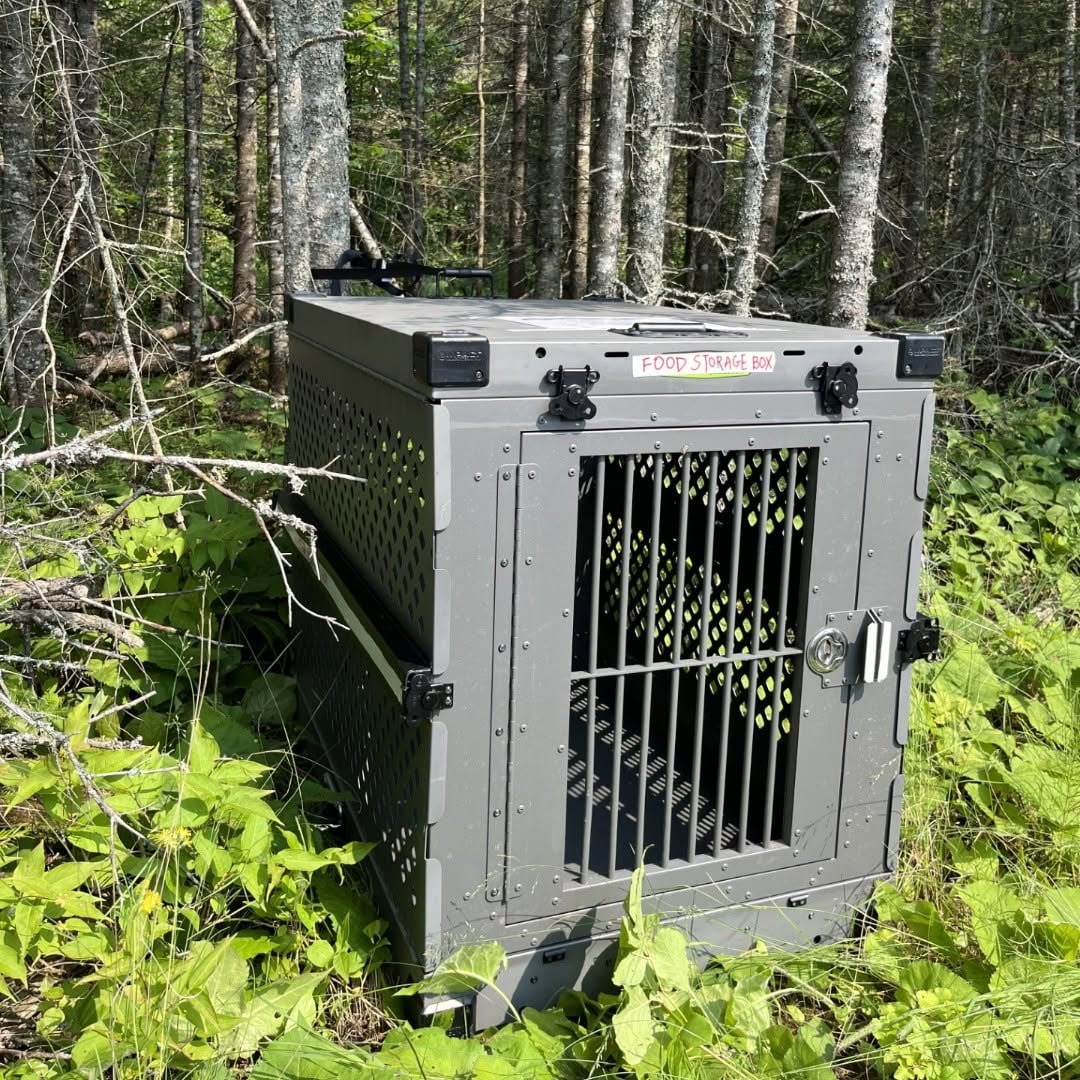
- Food Storage Regulations: Strict food storage regulations are a cornerstone of wildlife management in national parks. Visitors are required to store all food, trash, and scented items in bear-resistant canisters or approved food lockers to prevent attracting wildlife.
- Trash Management: Meticulous management of trash and recycling is crucial. All waste must be secured and disposed of properly to eliminate attractants.
Despite these ongoing efforts, the wolf’s persistent behavior indicates that hazing and improved food storage alone have not been sufficient to curb its interest in the Three Mile Campground. The fact that the wolf has entered a tent suggests a level of comfort and boldness that goes beyond typical curiosity. This specific wolf’s actions have moved beyond merely scavenging for dropped food to actively seeking out and attempting to access human belongings, posing a direct threat to visitor safety and the well-being of the wolf itself. The park’s intervention, therefore, is a necessary measure to break this cycle of habituation and prevent a potentially dangerous encounter.
Official Response and Mitigation Strategies
In response to the escalating situation, Isle Royale National Park is implementing a multi-pronged strategy. Beyond the immediate camping closures, park staff are intensifying their efforts to deter the wolf. This includes:
- Increased Hazing Efforts: During daylight hours, park personnel will be more actively engaged in hazing the wolf in and around the campground and developed areas. This intensified approach aims to make the wolf perceive the area as an undesirable place to frequent.
- Installation of Noise-Producing Devices: To provide an early warning system and further discourage the wolf, noise-producing devices will be installed at Rock Harbor, Three Mile, and Daisy Farm Campgrounds. These devices are designed to alert both staff and visitors to the presence of wolves, allowing for prompt action.
- Visitor Education and Enforcement: The park is reinforcing its message to visitors about the importance of adhering to strict food storage regulations. Non-compliance can lead to citations and fines, underscoring the seriousness of the issue.
"This recent focus on tents and backpacks at Three Mile Campground is a serious concern," park officials emphasized, highlighting the specific nature of the threat. The temporary closure, while inconvenient for campers, is deemed essential for the safety of park visitors and to prevent the wolf from becoming a greater nuisance or posing a serious risk. The park’s objective is to de-escalate the situation and encourage the wolf to return to more natural behaviors, avoiding human interaction.
Broader Implications and Analysis
The events at Isle Royale National Park raise important questions about wildlife management in increasingly popular natural areas. As more people seek to experience the wild, the line between human activity and natural ecosystems can become blurred, leading to conflicts. The park’s actions serve as a stark reminder that even in remote wilderness settings, visitors must be vigilant and adhere to established guidelines to ensure their safety and the preservation of wildlife.
The closure highlights the delicate balance required to manage large carnivores in environments shared with humans. While the presence of wolves is a sign of a healthy ecosystem, their habituation can have serious consequences. If a wolf becomes too accustomed to humans and their food sources, it may eventually pose a threat that cannot be mitigated through hazing alone, potentially leading to more drastic measures for the animal’s own safety or for public safety.
The park’s decision to close campsites is a proactive step to avoid such a scenario. By temporarily removing the direct opportunities for interaction, they aim to allow the wolf to disassociate the campground with food and human presence. The success of these measures will depend on the wolf’s response and the continued cooperation of visitors in strictly following food storage and safety protocols.
Isle Royale Food Storage Requirements: A Crucial Reminder
The park’s emphasis on food storage regulations is critical. Isle Royale wolves are known to be highly attracted to any item with a scent, including:
- Food
- Trash
- Toiletries (e.g., toothpaste, lip balm)
- Cooking supplies
- Grills
- Coolers
- Fish and fish parts
Unless actively being used and attended to, these items must be properly stored at all times. The park also advises against leaving backpacks or bags unattended, even if they do not contain food, as they can retain human scents that attract wolves. This strict adherence is not merely a suggestion but a requirement, with non-compliance potentially resulting in tickets and fines. The underlying principle is clear: for humans and Isle Royale wolves to coexist safely, a clear boundary must be maintained, and the wolves must not associate humans with an easy meal.
The park will continue to monitor the situation closely. The goal is to reopen the affected campsites and zones by August 1st. However, park officials acknowledge that the closure may need to be extended, and further regulations or closures could be implemented across the park if the situation does not improve or if the wolf’s behavior continues to pose a risk. The ultimate aim is to ensure that Isle Royale remains a safe and wild place for both its inhabitants and its visitors.

