
A seemingly routine day hike in Colorado’s rugged Sangre de Cristo Wilderness took an unexpected and prolonged turn, transforming into a nearly 48-hour backcountry excursion for an experienced hiker who sustained a significant knee injury. Custer County Search and Rescue, with crucial assistance from Chaffee County Search and Rescue South and Flight For Life Colorado, executed a complex and multi-stage rescue operation that underscores the inherent risks and the importance of preparedness in Colorado’s high-altitude terrain. The incident, which began Sunday, July 12th, highlights how even seasoned outdoor enthusiasts can face unexpected challenges, and how essential preparedness and swift, coordinated rescue efforts are for survival.
The Initial Call and Rapid Response
The alarm was raised on Sunday, July 12th, at approximately 4:45 PM when Custer County Search and Rescue received a distress call. The hiker, whose identity has not been released, had suffered a knee injury at a location just below Broken Hand Pass. This area, situated in the vast and remote Sangre de Cristo Wilderness in south-central Colorado, is known for its challenging topography, steep ascents, and unforgiving alpine environment. The severity of the reported injury and the remote nature of the terrain immediately prompted the Custer County SAR team to activate a mutual aid request for Chaffee County Search and Rescue South, recognizing the need for additional resources and expertise.
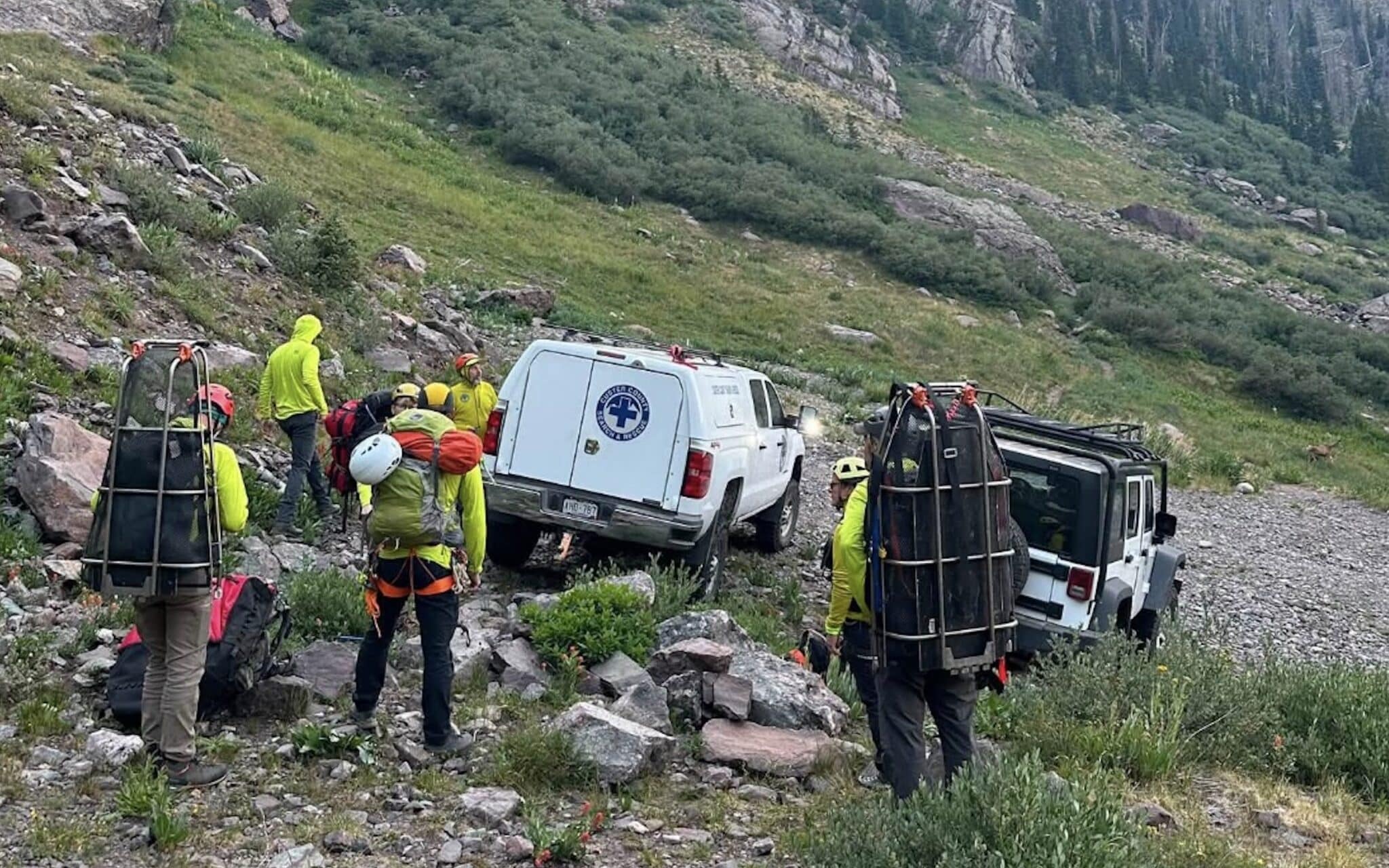
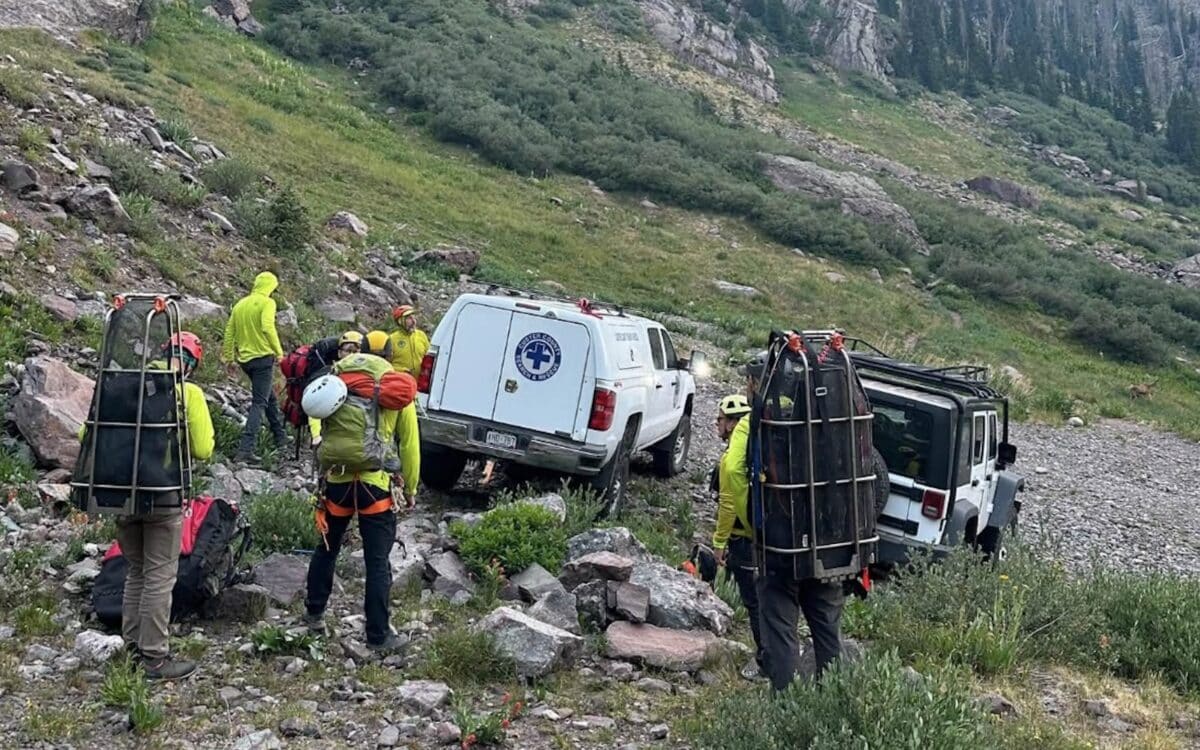
The operational strategy quickly involved air support. Flight For Life Colorado was dispatched to the scene, a critical asset for accessing difficult-to-reach areas. The air ambulance airlifted four technical rescue team members and approximately 125 pounds of specialized gear to a strategic point, significantly reducing the time it would have taken for ground crews to reach the injured hiker. Simultaneously, fifteen additional ground team members from Custer County SAR began their trek into the wilderness on foot, navigating the demanding terrain with the objective of reaching the hiker’s location.
Hiker’s Preparedness Proves Crucial
While the rescue teams were en route, the operations team maintained vital communication with the injured hiker and her companions via cell phone. According to Custer County SAR, the hiker possessed extensive experience, having successfully summited multiple Colorado "14ers" – mountains exceeding 14,000 feet in elevation. This background suggests a strong understanding of mountain safety and preparedness.
Crucially, though the outing was initially planned as a day trip, the hiker had equipped herself with a comprehensive set of survival gear. This included warm clothing to combat the significant temperature drops common at higher elevations, adequate food and water, a mobile phone, a portable battery bank to ensure continued communication, a headlamp for visibility in darkness, a helmet for protection, an emergency bivy sack for shelter, and a Garmin inReach device, a satellite communication tool that can transmit and receive messages and location data even when cellular service is unavailable.
Rescuers emphasized that this foresight and the inclusion of these items proved to be absolutely essential. The extended duration of the rescue operation, which far surpassed the initial expectations for a day hike, meant the hiker and her companions were facing an extended period in the backcountry. The gear she carried provided critical comfort, safety, and the ability to communicate her situation, all of which are paramount in prolonged backcountry emergencies.
The Extended Rescue Operation
The complexity of the terrain and the nature of the injury necessitated a methodical and deliberate rescue effort. The operation extended well into the night, with rescue teams working under challenging conditions. The combination of the remote location, the need for technical rope rescues, and the patient’s condition meant that extracting her safely was a time-consuming process.
The commitment of the rescue personnel was evident as they executed an "all-night push" to bring the injured hiker to safety. This sustained effort demonstrates the dedication and endurance of volunteer and professional search and rescue teams who often operate in demanding environments with limited resources and at personal risk.
By 6:00 AM on Monday, July 13th, after an operation that had spanned nearly 48 hours from the initial activation, the rescue teams successfully extricated the hiker and her companions from the backcountry. The successful conclusion of such an extended operation is a testament to the skill, coordination, and resilience of all involved agencies.
Analysis and Implications of the Incident
The Custer County SAR’s post-incident statement served as a poignant reminder of the unpredictable nature of outdoor recreation in mountainous regions. They highlighted that "unexpected emergencies can happen even to experienced and well-prepared backcountry travelers." This sentiment is echoed by many search and rescue organizations across the country, particularly in states with extensive wilderness areas like Colorado.
The incident offers several key takeaways and implications for outdoor enthusiasts:
- Experience is Not a Guarantee Against Risk: While experience and knowledge are invaluable, they do not negate the inherent risks associated with backcountry travel. Factors such as sudden weather changes, unexpected terrain hazards, and individual physiological responses can lead to emergencies regardless of a person’s skill level.
- The Criticality of the "Ten Essentials": The hiker’s preparedness, particularly her carrying of items often categorized within the "Ten Essentials" of backcountry gear (navigation, headlamp, sun protection, first aid, knife, fire starter, shelter, extra food, extra water, and extra clothes), was instrumental in her survival and the success of the rescue. Even for a "day hike," carrying these items can be the difference between a minor inconvenience and a life-threatening situation.
- The Value of Communication Devices: The use of a cell phone and a Garmin inReach device provided crucial communication links. In areas with spotty or non-existent cell service, satellite communication devices like the inReach are increasingly becoming essential tools for backcountry safety, allowing for distress signaling and two-way messaging.
- The Importance of Mutual Aid: The prompt and effective mutual aid requested from Chaffee County Search and Rescue South and the assistance from Flight For Life Colorado underscore the critical role of inter-agency cooperation in search and rescue operations. Complex missions often require specialized skills and resources that may not be available within a single agency.
- The Duration of Backcountry Emergencies: The fact that the rescue extended to nearly 48 hours illustrates that backcountry incidents can be protracted. Hikers and outdoor participants should always be prepared for the possibility of spending extended periods outdoors, whether due to injury, getting lost, or adverse weather conditions. This means carrying sufficient supplies for more than the planned duration of the outing.
- Psychological Preparedness: Beyond physical gear, mental resilience and preparedness for unexpected situations are vital. The hiker’s ability to remain in contact and follow instructions from rescuers, combined with her companions’ support, likely contributed to a calmer and more manageable situation during the prolonged ordeal.
Acknowledging the Rescuers
Custer County SAR expressed their sincere gratitude to Chaffee County Search and Rescue South and Flight For Life Colorado for their indispensable assistance. Such operations are often a collaborative effort, relying on the specialized skills and equipment of multiple organizations. The success of this rescue is a direct reflection of the dedication and professionalism of these teams.
The specific condition of the hiker following the rescue was not disclosed, which is standard practice in many such reports to protect the privacy of the individual. However, the successful extrication after a prolonged and challenging backcountry ordeal signifies a positive outcome, made possible by careful planning, robust equipment, and the unwavering commitment of the rescue community. This incident serves as a potent reminder for all who venture into Colorado’s wild spaces to prioritize safety, preparedness, and to always be ready for the unexpected.

