
The closure of summer skiing operations on the Horstman Glacier at Whistler Blackcomb marks more than just a change in seasonal scheduling; it represents a definitive shift in the environmental reality of the global outdoor sports industry. For Mike Douglas, a professional Salomon athlete and a figure often referred to as the "Godfather of Freeskiing," the glacier was once the heartbeat of the North American freestyle movement. During the 1990s, while Douglas was training and working at the British Columbia resort, the Horstman Glacier served as a high-altitude proving ground where aspiring skiers transitioned into world-class athletes. Today, that proving ground has largely vanished, victim to three decades of rapid glacial recession that culminated in the indefinite suspension of summer operations in 2021.
This environmental degradation is not an isolated event but a visible symptom of a broader climate crisis that is reshaping the geography of outdoor recreation. As winters become more volatile and snowpacks continue to shrink, the outdoor industry—a sector traditionally reliant on predictable seasonal cycles—is facing an existential turning point. The realization that the industry has historically extracted more from the environment than it has replenished is driving a new mandate for brands and athletes alike. The partnership between Salomon and the non-profit advocacy group Protect Our Winters (POW) serves as a primary example of how the industry is moving beyond mere awareness toward systemic corporate action and legislative advocacy.
The Chronology of Decline: From Training Hub to Tipping Point
To understand the weight of the Horstman Glacier’s closure, one must look at its historical significance within the skiing community. In the late 20th century, Whistler Blackcomb was one of the few places in the world where elite training could continue year-round. The glacier hosted legendary summer camps, such as the Camp of Champions and Momentum Ski Camps, which were instrumental in the development of twin-tip skis and the modern slopestyle and halfpipe disciplines.
However, the timeline of the glacier’s retreat has been documented with increasing alarm by glaciologists and resort operators. Throughout the early 2000s, the "toe" of the glacier began to recede at an accelerated pace. By the mid-2010s, the installation of snowmaking equipment on the glacier—a move once considered unnecessary at such altitudes—was required to preserve the T-bar lift access. Despite these efforts, the summer of 2020 and 2021 saw record-breaking heat domes in the Pacific Northwest, leading to unprecedented melt rates. In 2021, Whistler Blackcomb officially announced that summer skiing would be suspended indefinitely, citing the safety of the terrain and the long-term viability of the ice mass.
This local event mirrors a global trend. In the European Alps, glaciers have lost more than half of their volume since 1850, with the rate of loss doubling since the turn of the millennium. For athletes like Douglas, who has spent over 30 years on the slopes of Blackcomb, the change is not a statistic found in a report; it is a physical absence in the landscape he calls home.
Data and Environmental Context: The Shrinking Snowpack
The loss of glacial ice is accompanied by a broader decline in the duration and depth of winter snowpacks. According to data from the United States Environmental Protection Agency (EPA) and various Canadian environmental agencies, the average North American snowpack has decreased significantly since the 1950s. In some regions of the mountain west, the snow season has shortened by nearly three weeks.
The implications for the outdoor industry are profound. A study by the University of Waterloo highlighted that if global greenhouse gas emissions are not drastically reduced, only one of the previous 21 Winter Olympic host cities would be able to reliably provide fair and safe conditions for the Games by the end of this century. For the $887 billion outdoor recreation economy, this represents a threat to both infrastructure and consumer participation.
In British Columbia specifically, the provincial government’s "State of the Environment" reporting indicates that glaciers across the province are losing billions of tonnes of ice annually. This runoff is critical not just for skiing, but for regulating stream temperatures, supporting salmon populations, and providing hydroelectric power. The disappearance of the Horstman Glacier is therefore seen by experts as a "canary in the coal mine" for the regional ecosystem.
The Evolution of Advocacy: Salomon’s Corporate Responsibility
As the physical environment changes, the corporate response is evolving from philanthropy to integrated sustainability. Salomon, a major player in the global sporting goods market, has recognized that its survival is tethered to the health of the winter season. The brand’s strategy, as articulated by Douglas and the corporate sustainability team, focuses on three primary pillars: responsible manufacturing, circularity, and climate advocacy.
Douglas, who has been a member of the POW Canada Alliance since 2018, acts as a critical link between the technical demands of high-level performance and the necessity of carbon reduction. He notes that Salomon’s global reach means that even incremental changes in the supply chain can result in significant environmental benefits.
One of the most tangible examples of this shift is the move toward a circular economy. Traditionally, ski boots and apparel have been notoriously difficult to recycle due to the complex mix of plastics and metals. Salomon has invested heavily in "Trash to Treasure" initiatives, developing products like the Index.01, a fully recyclable running shoe, and exploring similar modular constructions for winter hardware. By designing products that can be disassembled and repurposed, the brand aims to decouple business growth from resource depletion.
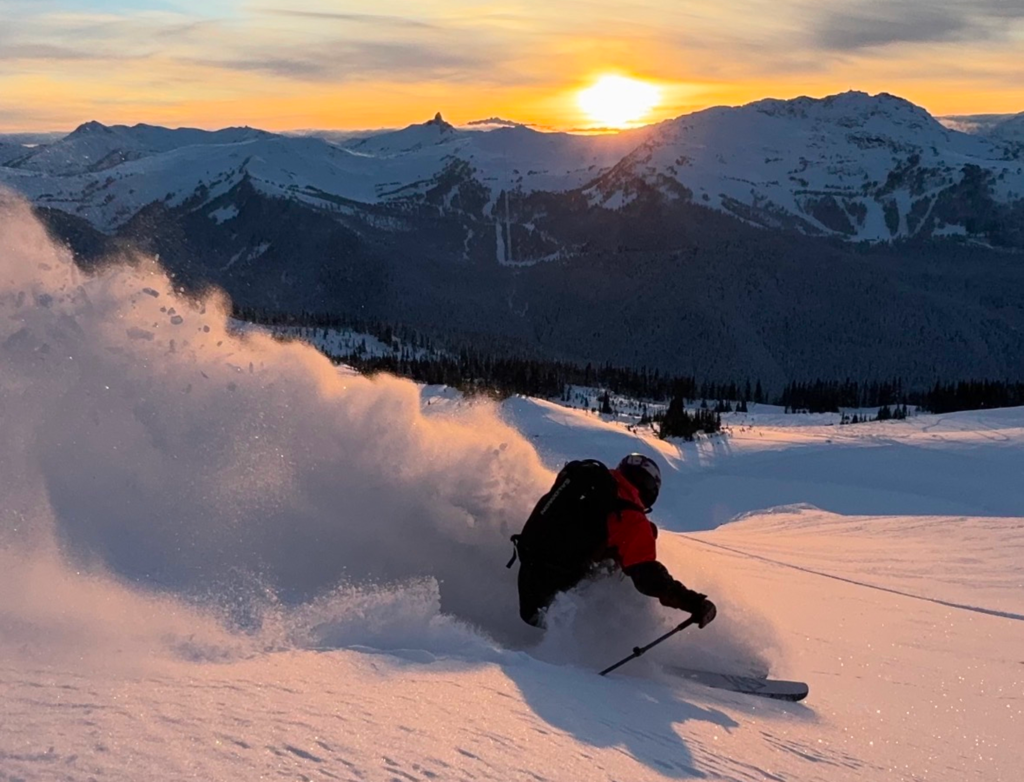
Furthermore, Salomon’s support of the Quality Ski Time (QST) tour and various film projects is designed to leverage the cultural influence of professional athletes to educate the public. These initiatives move beyond showcasing "powder days" to highlighting the precarious state of the mountains and the importance of civic engagement.
The Role of Athletes as Witnesses and Lobbyists
The modern professional athlete is no longer just a billboard for gear; they are increasingly serving as witnesses to environmental change. Because athletes like Mike Douglas spend more time in remote, high-altitude environments than almost any other demographic, they are often the first to notice subtle shifts in weather patterns, ice stability, and biodiversity.
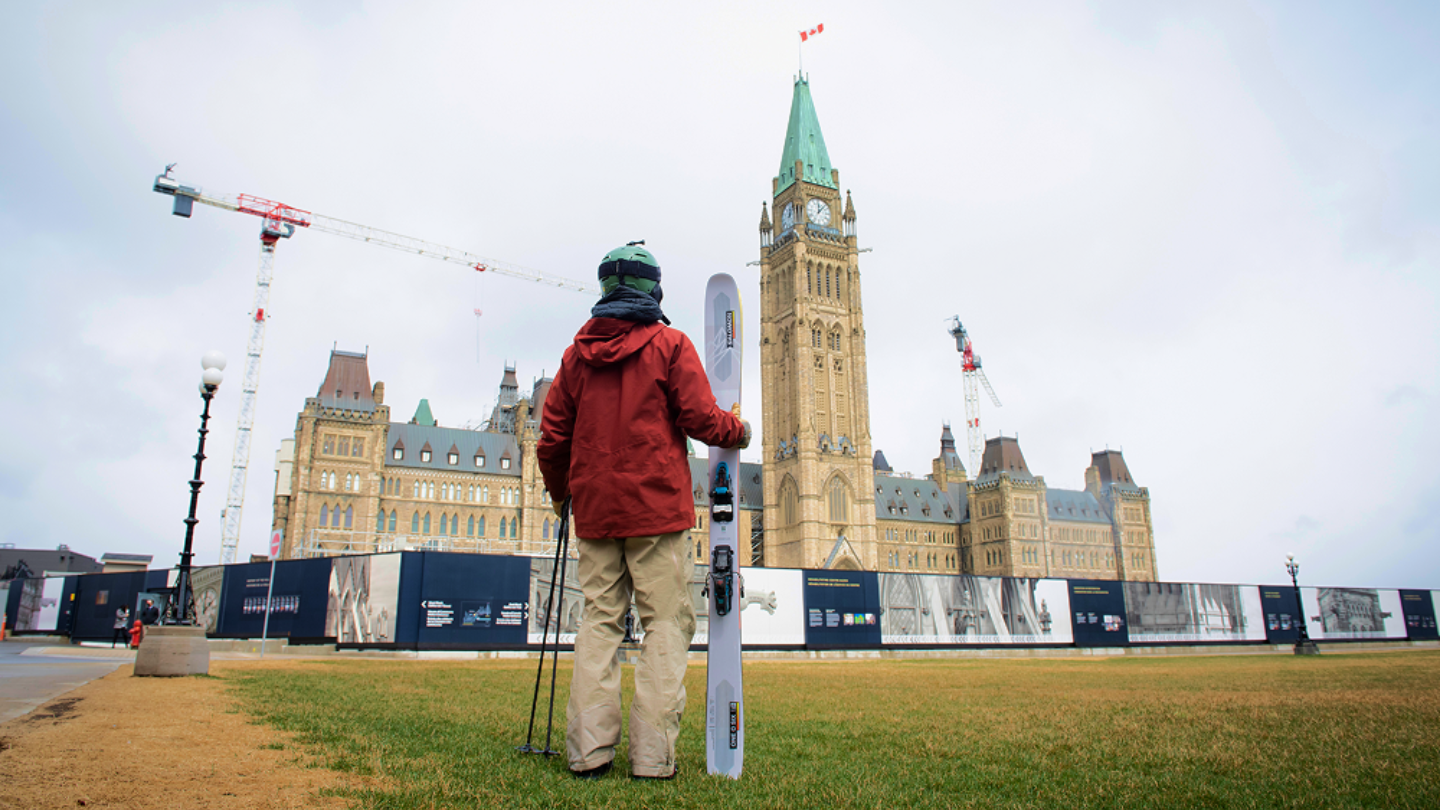
Protect Our Winters (POW) has capitalized on this by providing athletes with the tools to become effective climate advocates. This training transitions athletes from the backcountry to the halls of government. In recent years, POW-affiliated athletes have met with lawmakers in Washington D.C. and Ottawa to lobby for clean energy policies, carbon pricing, and the protection of public lands.
This form of advocacy is based on the premise that while individual lifestyle changes—such as reducing air travel or using recycled gear—are important, they are insufficient to meet the scale of the crisis. Systemic change requires legislative action. Douglas emphasizes that "advocacy is the biggest move brands can play," suggesting that a brand’s political and social influence may ultimately be more impactful than its carbon footprint alone.
Industry-Wide Implications and the Path Forward
The path taken by Salomon and POW is becoming a blueprint for the wider outdoor industry. Competitors and partners alike are beginning to realize that climate action is a matter of practical business continuity. Efficiency in manufacturing saves money; a resilient supply chain reduces risk; and a commitment to environmental values builds brand loyalty among a younger, more climate-conscious demographic.
However, the transition is not without its challenges. The outdoor industry faces a "sustainability paradox": the gear required to enjoy nature often involves carbon-intensive manufacturing and global shipping. Additionally, the travel required for international competitions and film shoots contributes to the very warming that is melting the glaciers.

To address this, brands are looking at "net zero" targets that include Scope 3 emissions—those generated by the end-users and the broader supply chain. This includes supporting the transition to renewable energy for ski resorts and investing in carbon removal technologies.
The "all-hands-on-deck" approach mentioned by Douglas reflects a growing consensus that the window for meaningful action is closing. The loss of summer skiing on the Horstman Glacier is a permanent reminder of what has already been lost. It serves as a stark baseline for what remains at stake.
Conclusion: A Call to Action
The story of Mike Douglas and the Horstman Glacier is a microcosm of the global climate struggle. It illustrates the journey from the carefree "proving grounds" of the 1990s to the sober, action-oriented reality of the 2020s. The collaboration between Salomon and Protect Our Winters signifies a shift in power dynamics, where corporate entities are expected to lead on social and environmental issues rather than remain neutral observers.
As the industry moves forward, the focus will likely intensify on legislative influence and the total overhaul of manufacturing processes. The disappearance of the ice at Whistler Blackcomb has proven that nature is not an inexhaustible resource for the sports industry. The future of winter now depends on the ability of brands, athletes, and communities to move in unison toward a low-carbon economy. As Douglas summarizes, the time for abstract awareness has passed; the current era demands a level of integrity and character from businesses that matches the magnitude of the environmental challenge. Winter is not waiting, and the outdoor industry can no longer afford to wait either.

