
The 2025-2026 winter season across the Western United States has concluded as one of the most volatile and meteorologically inconsistent periods in recent history, characterized by experts as a "hot mess" of high temperatures and erratic snowfall. While precipitation levels across several states remained near historical averages, an unprecedented thermal anomaly throughout the winter months fundamentally altered the region’s hydrological cycle. As spring transitions into summer, climatologists, water resource managers, and recreational industries are grappling with the repercussions of a snowpack that, in many areas, vanished months ahead of schedule.
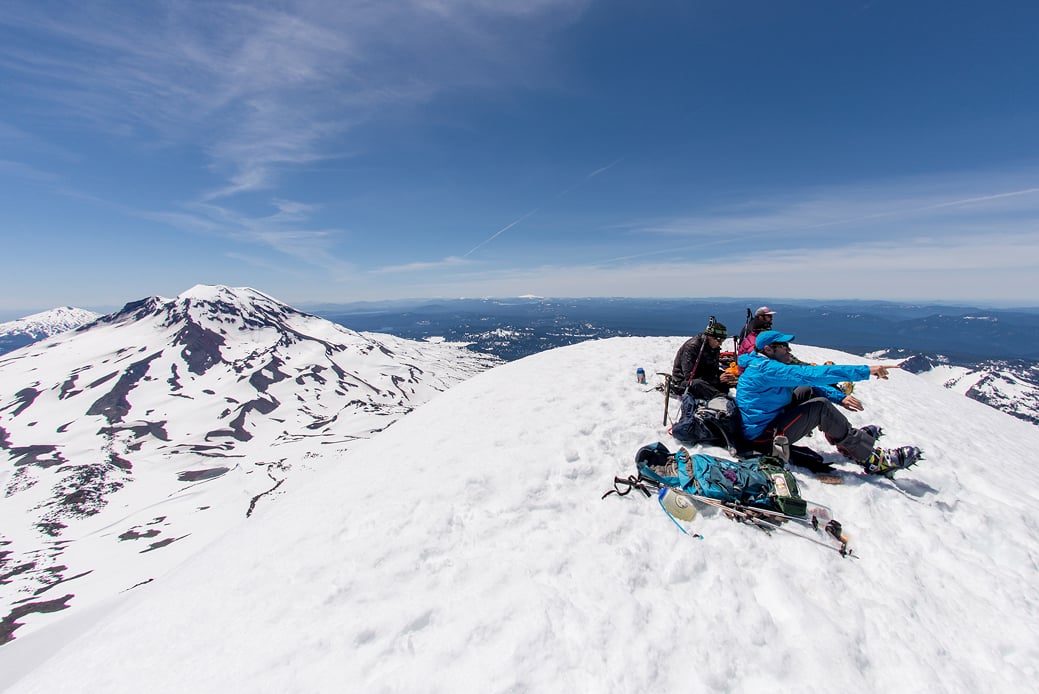
According to Dr. David Hill, a professor at Oregon State University and a National Geographic Explorer, the season was defined not by a lack of moisture, but by a catastrophic absence of cold. This divergence created a "low tide" scenario for the West, where many observation stations reported their lowest peak snow values in 45 years. The implications of this season extend far beyond the financial losses of the ski industry, threatening the stability of the Colorado River Basin and the intricate network of reservoirs that sustain Western agriculture and urban centers.
A Chronology of Climatic Instability
The 2025-2026 water year began with a sense of cautious optimism. Early autumn forecasts suggested a standard distribution of moisture, and initial high-elevation snowfall in October provided a foundational base for many mountain ranges. However, the season took a sharp and detrimental turn in December, a month that usually serves as the primary accumulation period for the Western snowpack.
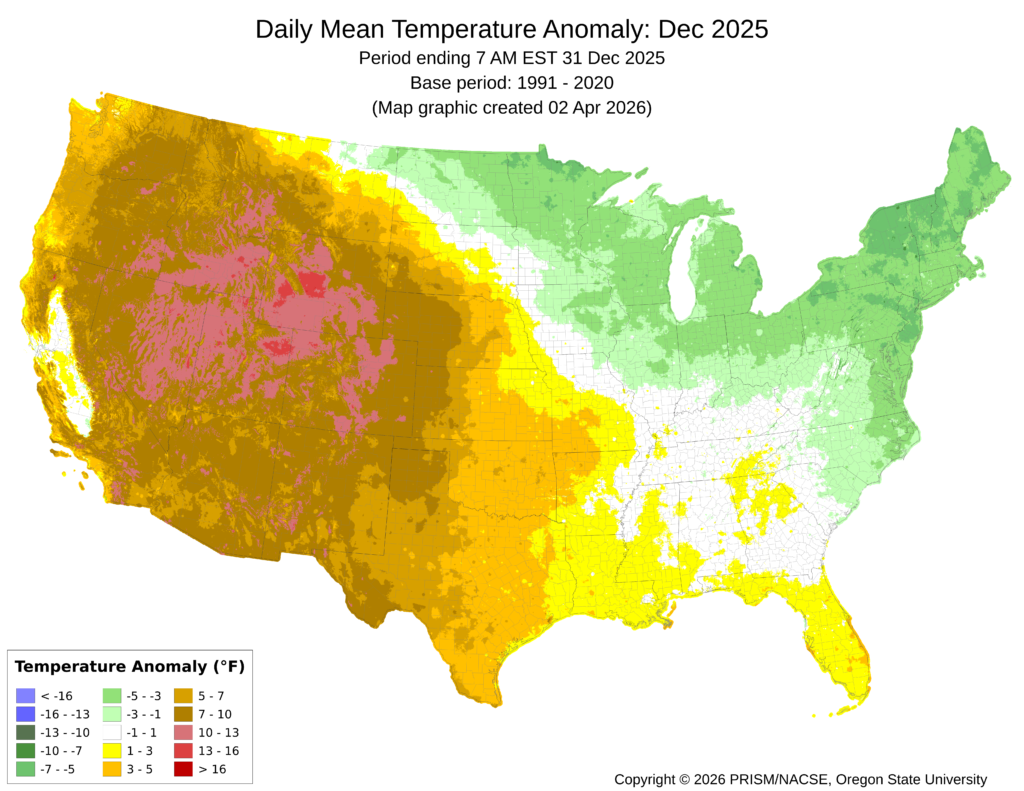
During December 2025, temperature anomalies across the Western United States reached staggering levels. Data from the PRISM Climate Group indicated that much of the West experienced temperatures 5 to 15 degrees Fahrenheit above the long-term average. While the Northeast and Upper Midwest saw temperatures as much as 5 degrees below average, the West remained trapped in a persistent warm air mass. This "thermal blockade" prevented the freezing of atmospheric moisture, resulting in rain-on-snow events that further eroded early-season accumulations.
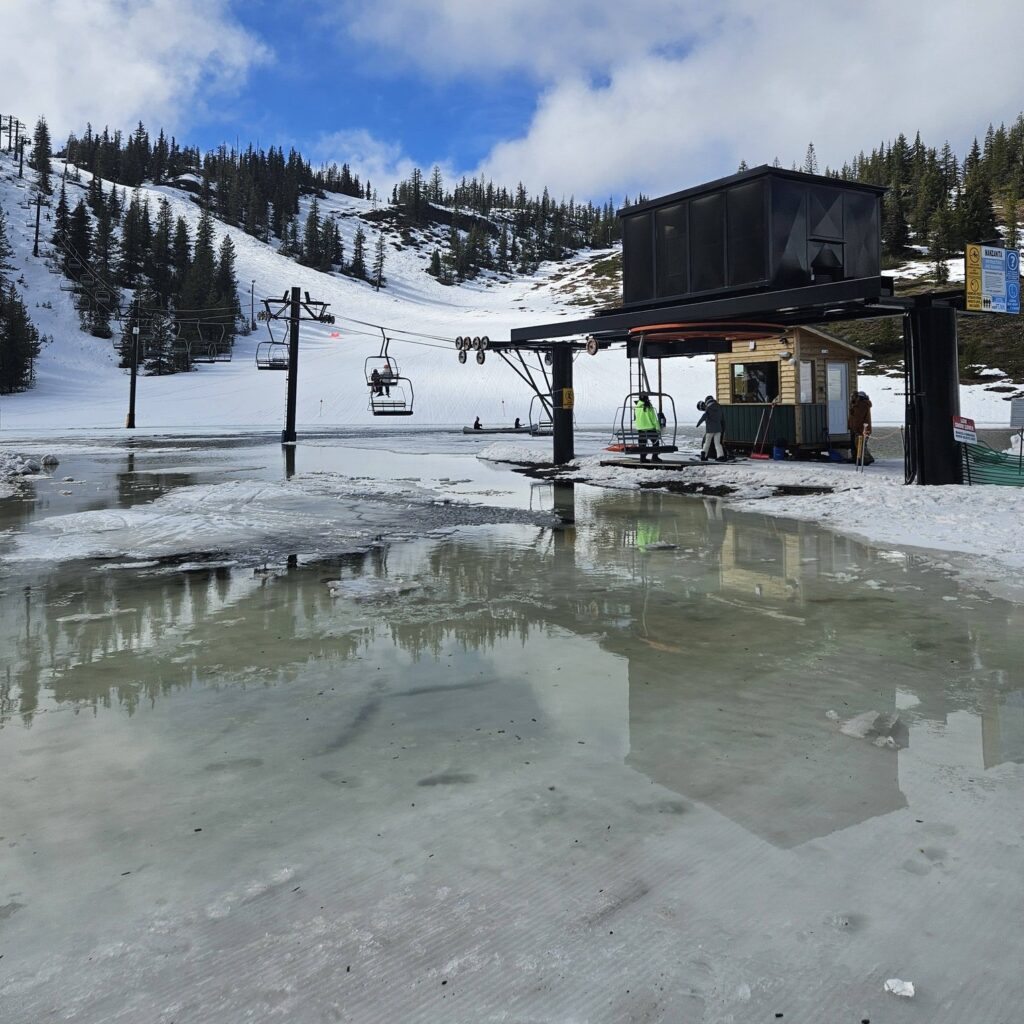
As the calendar turned to 2026, the anticipated "take-off" for the ski season was repeatedly delayed. Resort operators and backcountry enthusiasts watched as traditional milestones—the New Year’s holiday, Martin Luther King Jr. Weekend, and President’s Day—passed without the necessary cold snaps to sustain a viable snowpack. By the time spring break arrived, many lower-elevation resorts had already entered a cycle of opening, pausing operations, and reopening, only to face early permanent closures. A notable example occurred at the Hoodoo Ski Area at Santiam Pass, Oregon, where an unscheduled "pond skim" occurred in mid-March, not as a celebratory end-of-season event, but as a result of rapid, premature melting.
Precipitation Patterns and the Thermal Culprit
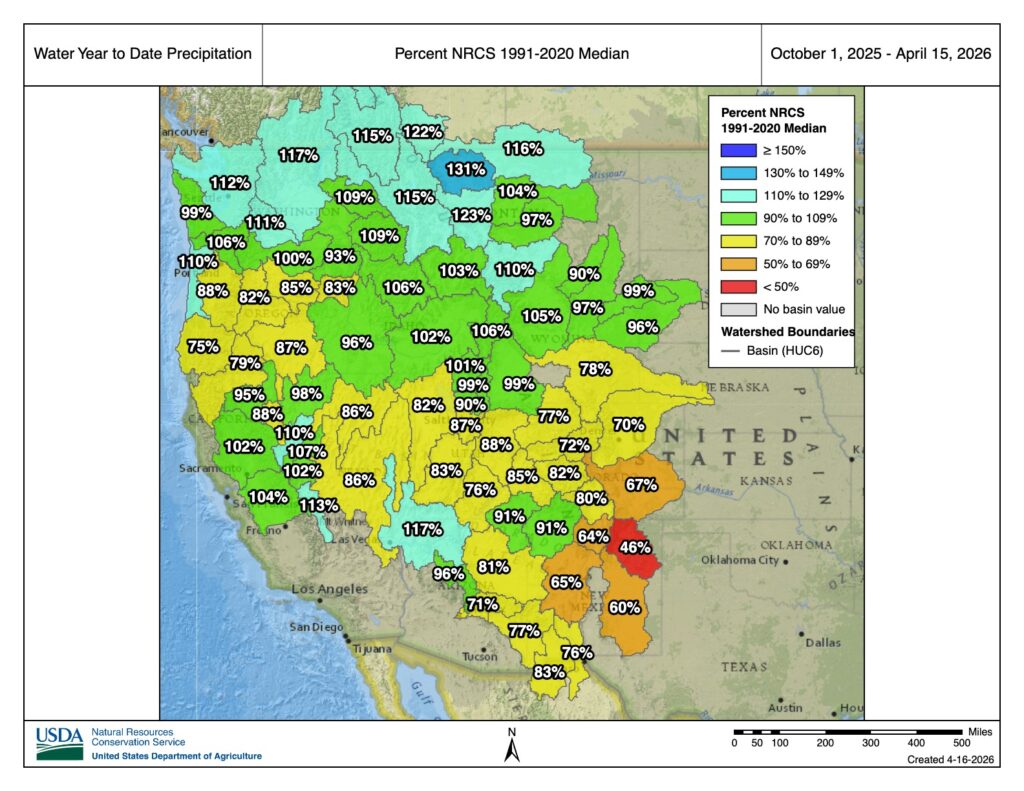
The complexity of the 2025-2026 season lies in the decoupling of precipitation and temperature. In a typical "dry" year, a lack of moisture is the primary driver of low snowpack. However, the Natural Resources Conservation Service (NRCS) reported that the 2025-2026 water year precipitation was, on average, respectable.
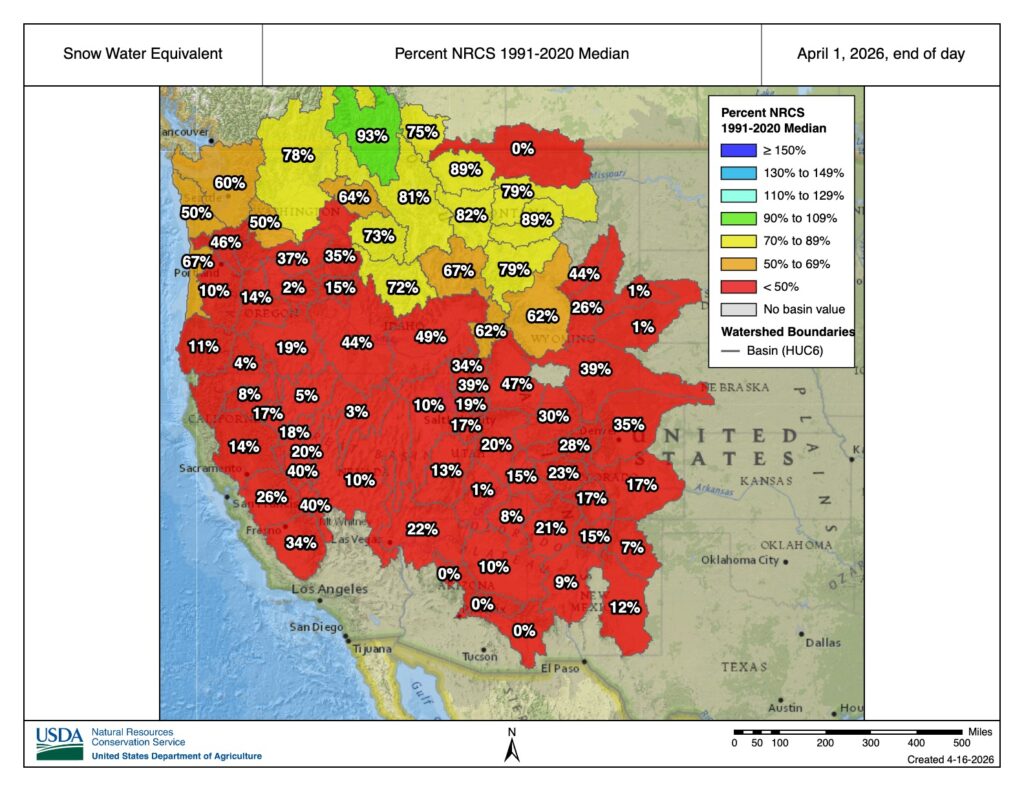
Northwest Wyoming, Montana, Idaho, and Washington actually trended slightly wet, receiving moisture levels that, in a colder year, would have resulted in a robust snowpack. Conversely, Oregon, Utah, and Colorado ran slightly dry, but not to an extent that would typically signal a hydrological crisis. The "smoking gun," as identified by researchers, was the consistent warmth. When the "wet" component of the snow recipe met the "warm" reality of the atmosphere, the result was a season of rain and slush rather than the insulating powder required for water storage.
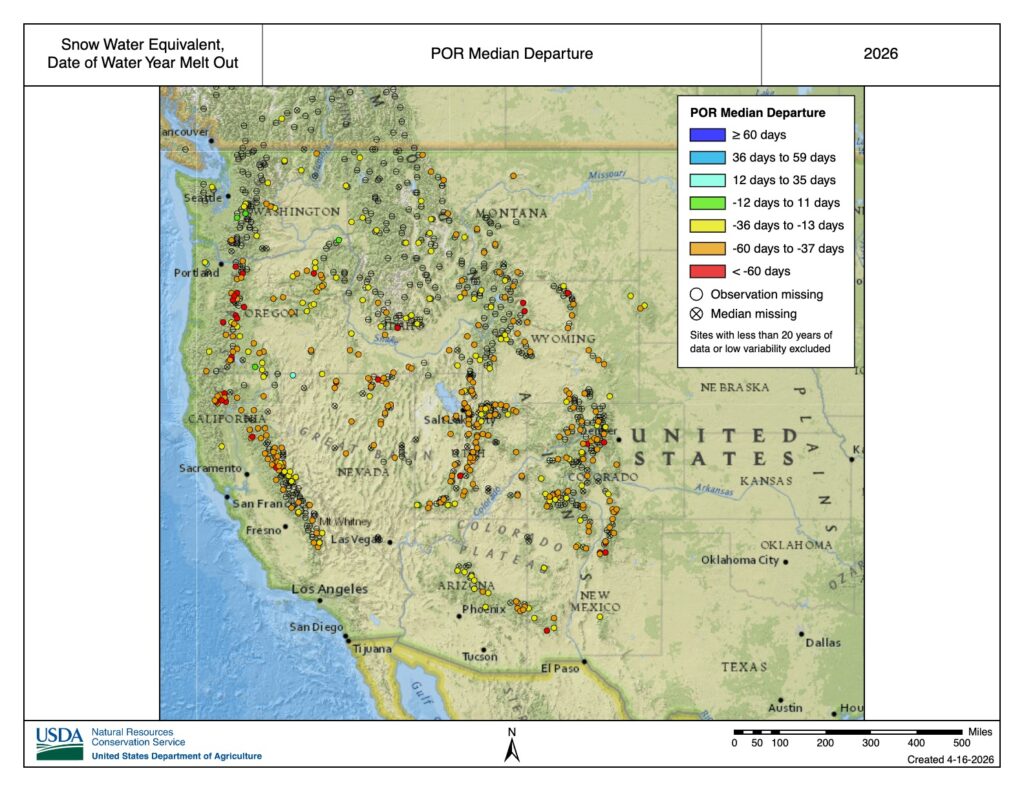
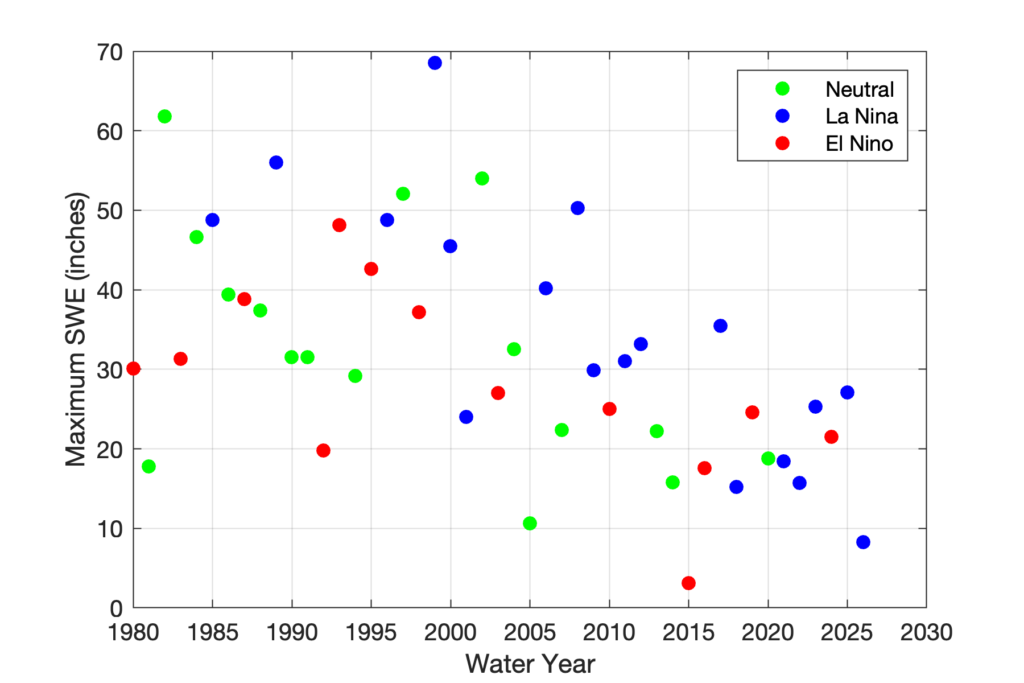
By April 1, 2026—the standard benchmark for measuring peak snow water equivalent (SWE)—the data revealed a grim reality. Across the Western United States, SWE values were a tiny fraction of the long-term average. In several key watersheds, the snow had not only peaked at record lows but had already begun to vanish. "Snow off" dates, which mark the point at which a monitoring station records zero snow, occurred not just days or weeks early, but in some instances, two full months ahead of historical norms.
The Hydrological Role of the Seasonal Snowpack
To understand the gravity of the 2025-2026 season, it is necessary to view snow as a critical component of Western infrastructure. While the Earth is often referred to as the "blue planet," the amount of freshwater available for human use is remarkably small. If all of Earth’s water were contained in a sphere, its diameter would be only 10% of the Earth’s own diameter. Of that, less than one-hundredth of one percent is accessible as surface water to support daily needs.
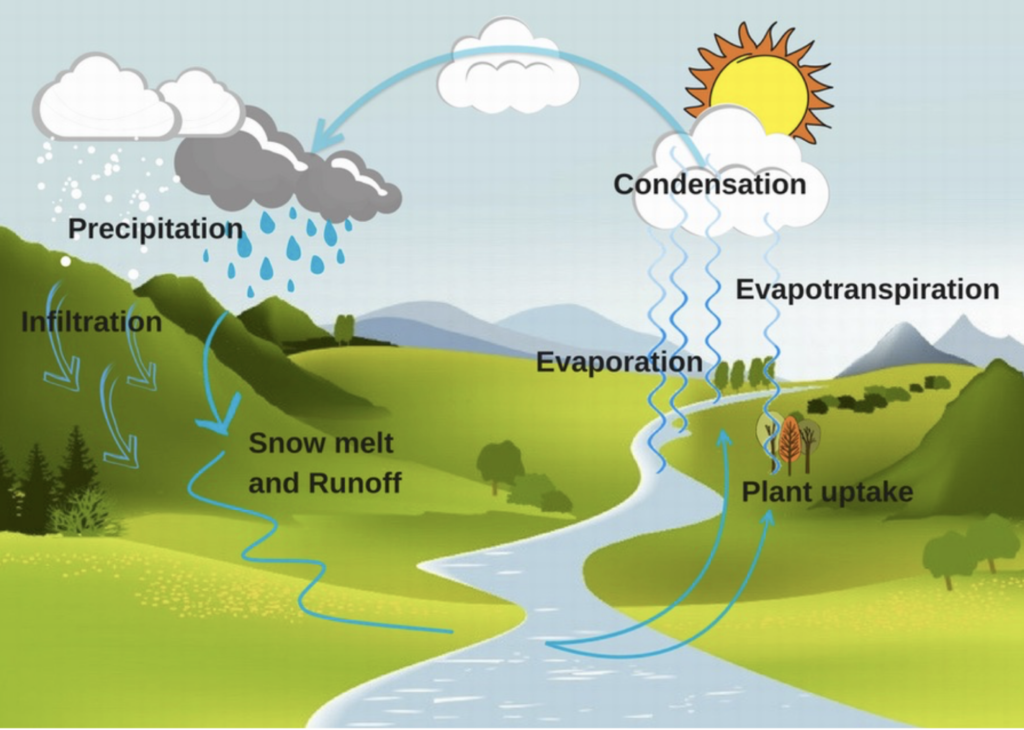
In the Western U.S., the seasonal snowpack acts as a "natural reservoir," holding back vast quantities of water during the wet winter months and releasing it slowly during the late spring and early summer. This natural regulation is essential for several reasons:
- Flood Mitigation: By storing water in solid form, the snowpack prevents the immediate runoff of winter storms, which would otherwise overwhelm river systems and cause catastrophic downstream flooding.
- Temperature Regulation: The slow release of snowmelt ensures that stream temperatures remain cool throughout the early summer, a factor vital for the survival of salmonids and other sensitive aquatic species.
- Agricultural Supply: The timing of snowmelt traditionally aligns with the peak demand for irrigation in Western valleys, providing a steady supply of water without the need for massive additional man-made storage.
By some estimates, the volume of water stored as snow in the contiguous United States at its peak is approximately five times the capacity of Lake Mead, the nation’s largest man-made reservoir. When this "natural insurance policy" fails, as it did in the 2025-2026 season, the pressure on artificial infrastructure increases exponentially.
Implications for the Colorado River Basin and Beyond
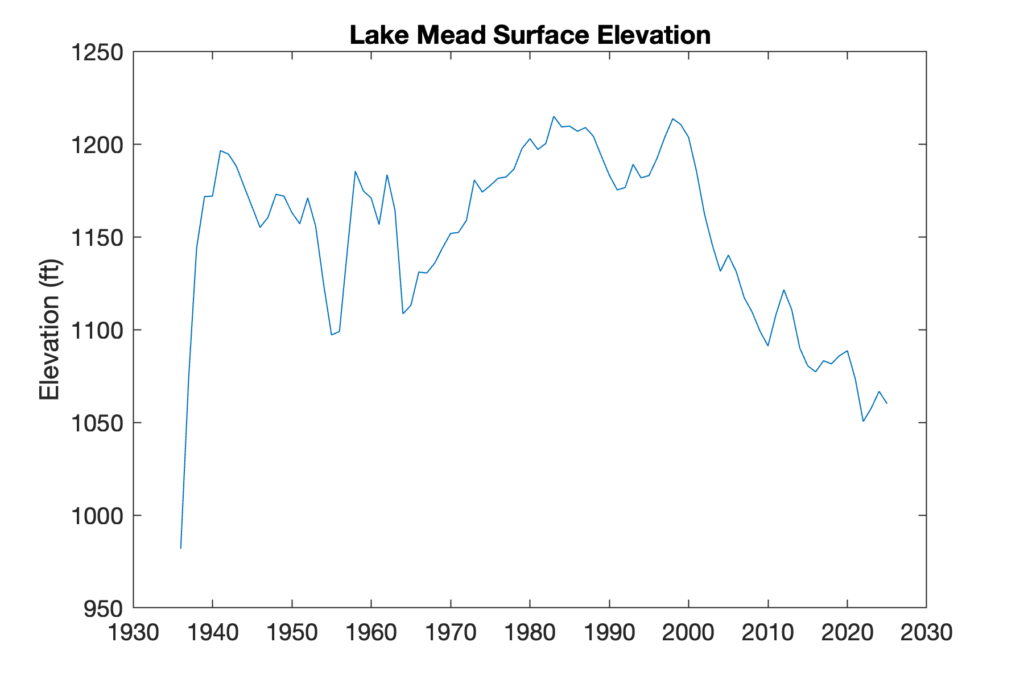
The failure of the 2025-2026 snowpack has intensified an already dire situation in the Colorado River Basin. Years of consecutive dry conditions and rising temperatures have led to a steady decline in the elevations of Lake Mead and Lake Powell. The early melt-out of 2026 has forced water managers into urgent negotiations regarding the allocation of runoff among municipalities and agricultural users in both the Upper and Lower Basin states.
Officials from the Bureau of Reclamation have noted that the lack of a "slow-release" snowpack means that whatever runoff did occur happened too quickly to be efficiently captured by the existing network of canals and aqueducts. This "flash runoff" often bypasses critical recharge zones for subsurface aquifers, leading to a net loss in the regional water budget.
Furthermore, the early disappearance of snow has heightened concerns regarding the 2026 wildfire season. Snowpack typically keeps forest fuels moist well into the summer. With the snow vanishing in March and April, the "fire window"—the period during which forests are dry enough to ignite—has been extended by several weeks, posing a significant risk to mountain communities and air quality.
Expert Analysis and the "Long Game" of Climate Change
Dr. David Hill and his colleagues emphasize that while the 2025-2026 season was an extreme outlier, it fits into a broader, more concerning trend. The "interannual variability"—the year-to-year swings between "feast and famine"—is increasingly occurring on top of a long-term decline in total snow volume.
"Snow is unpredictable and highly variable across many different time scales," Dr. Hill noted in his retrospective of the season. "Playing the long game, most of us are aware that snow, both in terms of how much we get and how long it sticks around, is dwindling in many areas."
The scientific community is increasingly focusing on the "snow-to-rain" transition, where warming temperatures cause a higher percentage of winter precipitation to fall as rain. This shift necessitates a complete reimagining of water management in the West. If the mountains can no longer be relied upon to store water for the summer, billions of dollars in new infrastructure—such as expanded reservoirs or enhanced aquifer recharge systems—may be required to prevent chronic water shortages.
Conclusion: A Call for Adaptation
The 2025-2026 snow season serves as a stark reminder of the vulnerability of the Western United States to thermal shifts. While the season was met with disappointment and grief by those who rely on snow for recreation and livelihood, the broader impact on water security remains the primary concern for policymakers.
The "glass half full" perspective offered by some meteorologists suggests that the extreme nature of this season may provide the necessary impetus for aggressive water conservation measures and infrastructure modernization. As the region prepares for a summer of potential water restrictions and heightened fire risk, the lessons of the "hot mess" of 2025-2026 will likely inform climate adaptation strategies for decades to come. The hope remains that the following year will bring a return to the "cold and wet" recipe that the West so desperately needs to replenish its most vital resource.

