
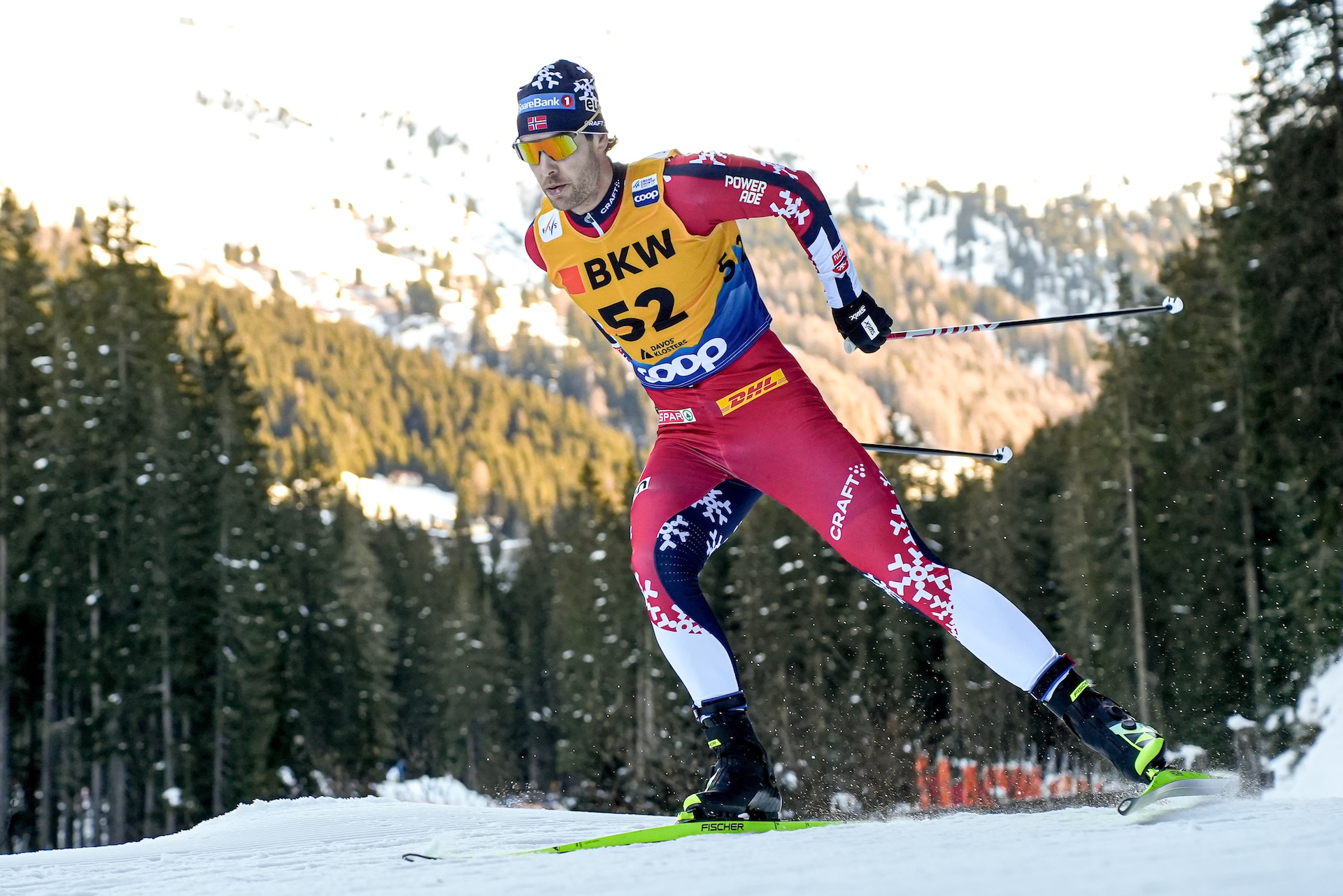
The transformation of Mattis Stenshagen from an outsider to a World Cup winner and Olympic contender this past winter marks a significant moment in his career. This breakthrough season was fueled by a combination of strategic priorities and training methodologies, with one particular element emerging as a cornerstone of his preparation: consistent access to a roller ski mill. This advanced training facility has not only been instrumental for Stenshagen but is increasingly recognized as a vital tool for skiers at all levels, democratizing access to high-level technical refinement and performance optimization.
The Genesis of Stenshagen’s Breakthrough
Stenshagen’s remarkable progression throughout the 2023-2024 season, culminating in Olympic participation, two World Cup victories, and a coveted spot on the elite national team, can be attributed to a multifaceted approach to training. However, the 29-year-old athlete from Gausdal specifically highlights the regular use of a roller ski mill as a pivotal factor. This controlled environment allowed him to meticulously hone his technique, conduct performance assessments, and execute high-intensity interval training sessions irrespective of external weather conditions. The ability to train year-round, with precise control over incline and speed, provided an unparalleled advantage in developing the physical and technical prowess required to compete at the highest echelon of international cross-country skiing.
The data from Stenshagen’s performance clearly illustrates the impact of this training regimen. His career statistics, available through FIS (International Ski and Snowboard Federation) records, showcase a dramatic improvement in results following the increased integration of mill training into his program. This consistent performance on the World Cup circuit, including his victories, signals a new benchmark in elite cross-country skiing preparation.
The Roller Ski Mill: A Game Changer for the Elite
Stenshagen is by no means alone in recognizing the immense value of roller ski mills. Across the global cross-country skiing and biathlon circuits, numerous top-tier athletes have invested in these sophisticated training apparatuses, deeming them indispensable for their competitive edge. The ability to simulate race conditions with remarkable accuracy, refine specific muscle groups, and build aerobic capacity in a controlled setting offers a distinct advantage over traditional outdoor training methods, which are often subject to the vagaries of weather and terrain.
However, the acquisition and installation of such facilities represent a substantial undertaking. Roller ski mills, particularly those capable of simulating the demands of skating techniques, can command prices in the hundreds of thousands of Norwegian kroner. This significant financial investment has historically limited their accessibility to elite athletes and well-funded training centers. While some determined athletes have opted for DIY solutions, constructing their own mills, the majority have had to seek alternative avenues for accessing this specialized training. This has fueled a growing demand for centralized facilities that can cater to a wider range of athletes.
The financial implications are stark. Reports indicate that some athletes, such as Sebastian Samuelsson, have invested upwards of 1.5 million Norwegian kroner for a dedicated home mill, underscoring its perceived importance as a primary training tool. This trend highlights a broader shift in elite sports training, where technological integration and precision control are becoming paramount for achieving peak performance.
Democratizing Access: The Snow Project Initiative
The realization that roller ski mill training is not solely the preserve of the ultra-elite is gaining traction. Stenshagen himself is a vocal advocate for the broader applicability of this training method, stating, "This is not just a service for elite skiers. Many amateur athletes can benefit greatly from observing their technique, receiving concrete feedback, and learning how to utilize their energy more efficiently. Often, progress is as much about improving work economy as it is about training more." This sentiment underscores the principle that optimized technique and efficient movement patterns can yield significant performance gains, regardless of an athlete’s competitive level.
This philosophy is actively being put into practice. The Snow Project, located at SNØ in Lørenskog, Norway, opened its roller ski mill facility just over a year ago with the explicit aim of making this advanced training accessible to all cross-country skiers. Petter Thoresen, a representative of The Snow Project, elaborates on their mission: "We want to make the roller ski mill a natural training tool for more cross-country skiers, for technique development, testing, and consistent quality sessions throughout the year."
The demand for The Snow Project’s services has reportedly exceeded expectations, indicating a clear need for such facilities within the skiing community. Thoresen observes that the offering is particularly appealing to amateur athletes and individual competitors from across the region seeking structured guidance in their training and testing protocols.
Precision Training in a Controlled Environment
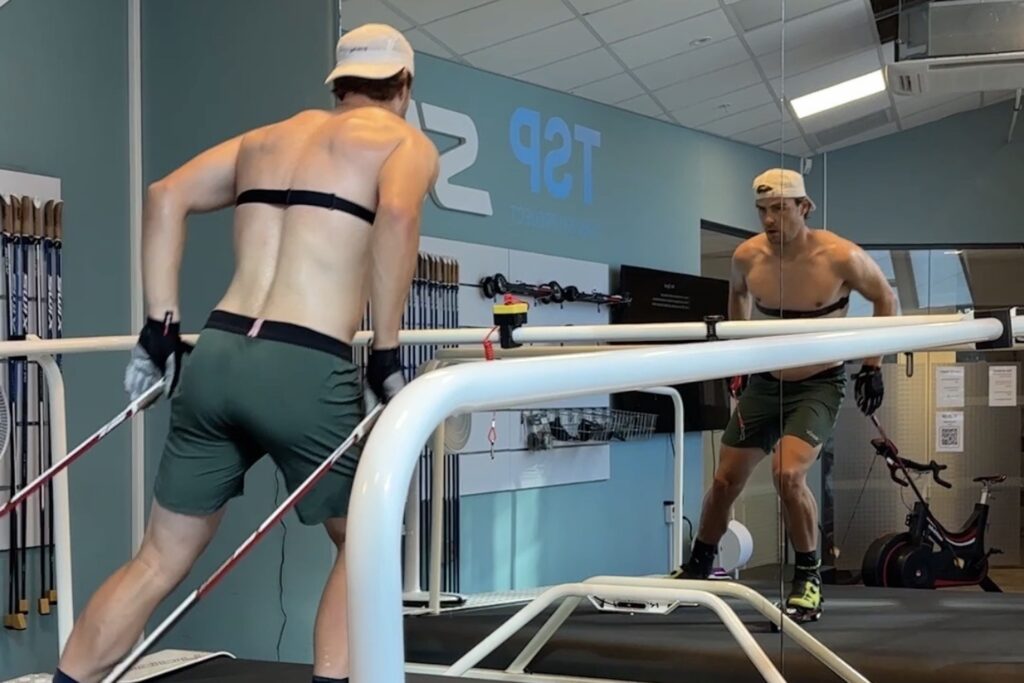
The technical capabilities of the roller ski mill at The Snow Project are designed to facilitate highly specific training interventions. "On the mill, we can adjust the incline and speed so that the session targets precisely what the skier needs," Thoresen explains. "We can work on diagonal stride, double poling, skating, uphill technique, and threshold pace. It provides very concrete training." This granular control allows coaches and athletes to isolate and address specific weaknesses or to replicate the demands of particular race scenarios with unparalleled accuracy.
After a year of operation, the efficacy of the roller ski mill is becoming increasingly evident. Thoresen notes, "Many come in to improve their technique, but simultaneously discover how effective it is to train threshold, poling, and uphill sections under controlled conditions." This holistic approach to training within the mill environment allows for comprehensive development, addressing both technical proficiency and physiological conditioning.
The facility also fosters collaboration and knowledge sharing. Athletes can utilize the mill with their own coaches or undertake independent training sessions. Notably, students from WANG Toppidrett Romerike, a prominent sports academy situated adjacent to SNØ, regularly leverage the facility, integrating mill training into their comprehensive development programs. This proximity and collaboration highlight the growing integration of such advanced training tools into the formal curriculum of aspiring athletes.
Expanding Access: The Future of Mill Training
The success and demonstrable benefits of The Snow Project’s roller ski mill have prompted plans for expansion. The facility intends to increase its capacity, thereby extending the reach of mill training to an even broader segment of the skiing population. This strategic move aims to further democratize access to a training methodology that has proven instrumental in the recent success of athletes like Mattis Stenshagen and is poised to shape the future of cross-country skiing training.
The evolution of training technologies, exemplified by the roller ski mill, signifies a paradigm shift in athletic preparation. As these tools become more accessible, they have the potential to elevate performance standards across the sport, fostering a new generation of technically proficient and physically robust skiers. The journey of Mattis Stenshagen serves as a compelling testament to the power of innovation in athletic development, demonstrating how cutting-edge training methodologies can propel athletes from the periphery to the pinnacle of their sport. The continued expansion of such facilities promises to democratize this advantage, fostering broader talent development and enhancing the competitive landscape of cross-country skiing for years to come.

