
The pursuit of peak physical conditioning for cross-country skiing is a year-round endeavor, and for many athletes, rollerskis serve as the indispensable training tool during the off-season. However, the relentless demands placed upon these specialized pieces of equipment – from abrasive asphalt surfaces to varied weather conditions – can significantly impact their longevity and performance. Recognizing this, a comprehensive guide has been developed to equip rollerski enthusiasts with practical, actionable advice on how to properly care for their gear. This initiative, spearheaded by Langrenn.com, aims to not only extend the functional life of rollerskis but also to ensure they consistently deliver optimal rolling resistance and overall performance, thereby maximizing training effectiveness.
The core of this maintenance guidance is presented through a series of accessible tips, distilled into a straightforward approach that emphasizes proactive care. The underlying principle is that consistent, albeit minimal, effort in upkeep can yield substantial dividends in terms of equipment durability and user satisfaction over multiple training seasons. This philosophy is particularly pertinent given the investment involved in high-quality rollerskis, which can range from several hundred to over a thousand dollars depending on the model and specifications.
Understanding the Wear and Tear: Factors Affecting Rollerski Durability
Rollerskis, while designed for outdoor use, are subjected to a unique set of environmental and mechanical stresses that can accelerate wear and compromise their performance. Understanding these factors is the first step in effective maintenance.
- Surface Abrasion: The primary interaction of rollerskis is with asphalt or similar paved surfaces. This constant friction, especially on rough or gritty asphalt, leads to the gradual wear of the wheels. The rate of wear is influenced by the wheel’s material composition, hardness (durometer), and the frequency and intensity of training. Over time, this abrasion can alter the wheel’s diameter and profile, affecting the rolling resistance and the overall feel of the ski.
- Environmental Contaminants: Dust, sand, small pebbles, and other debris present on roads can become embedded in the wheels or lodged in the wheel housing and bearings. This not only causes increased friction and premature wear but can also lead to an uneven rolling sensation and potential damage to the bearing races.
- Moisture and Corrosion: Exposure to rain, puddles, or high humidity can introduce moisture into the bearings and metal components. If not properly dried and lubricated, this moisture can lead to rust and corrosion, significantly impairing the smooth rotation of the wheels and potentially causing them to seize.
- Impact and Stress: Hitting potholes, curbs, or other unexpected obstacles can subject the rollerskis to significant impact forces. These impacts can damage the wheel rims, bearings, or even the ski shafts, leading to misalignment or structural compromise.
- UV Degradation: Prolonged exposure to direct sunlight can, over extended periods, affect the integrity of rubber and plastic components, potentially making them brittle or prone to cracking.
A Proactive Approach to Maintenance: Three Essential Tips
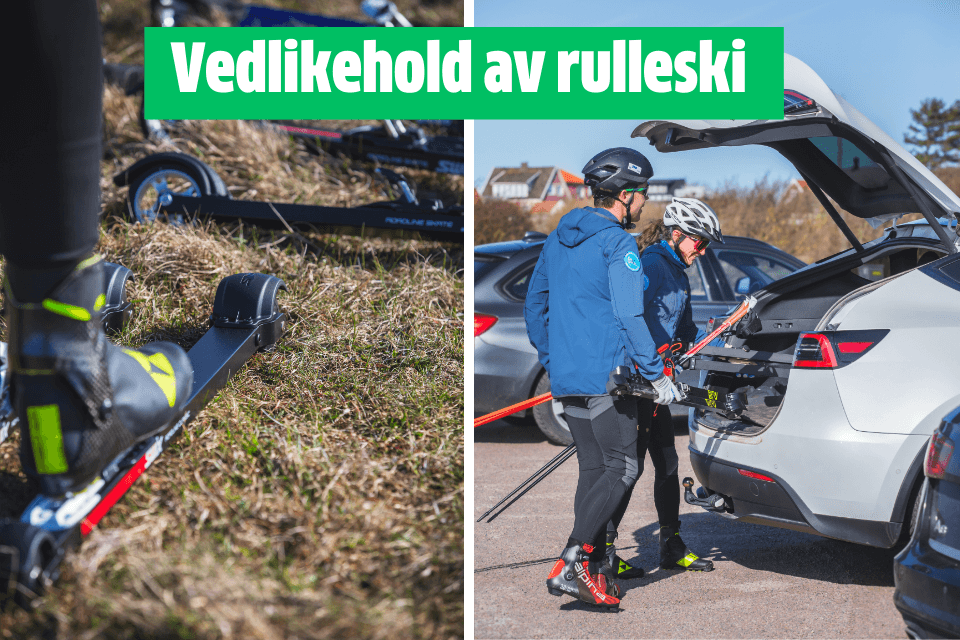
The maintenance regimen for rollerskis can be broadly categorized into cleaning, lubrication, and inspection. By consistently applying these principles, athletes can ensure their equipment remains in optimal condition.
1. Thorough Cleaning: The Foundation of Good Maintenance
Regular and thorough cleaning is arguably the most critical aspect of rollerski care. It directly addresses the issue of accumulated debris and contaminants that can compromise performance and accelerate wear.
Frequency: It is recommended to clean rollerskis after every use, especially if training has taken place on dusty or dirty roads. A more intensive cleaning can be performed periodically, perhaps once a week or after particularly challenging training sessions.
Process:
- Initial Wipe-Down: After each session, use a dry or slightly damp cloth to wipe down the wheels and frame. This removes loose dirt and dust.
- Deeper Cleaning (Wheels): For a more thorough clean, especially if the wheels are visibly dirty or gritty, a mild soap and water solution can be used. A soft brush or sponge can help dislodge stubborn dirt. It is crucial to avoid high-pressure water jets, as these can force water into the bearings.
- Wheel Housing and Bearings: The area around the wheel housing and the bearings themselves require particular attention. Use a small brush (an old toothbrush works well) to carefully remove any debris that has accumulated. For bearings, a specialized bearing cleaner or a degreaser can be employed, followed by a thorough drying process.
- Drying: After cleaning with water, it is imperative to dry all components thoroughly. Allow the skis to air dry completely in a well-ventilated area, or gently pat them dry with a clean cloth. Pay special attention to drying the bearings and any metal parts to prevent corrosion.
Why it Matters: Clean wheels rotate more freely, reducing energy loss and providing a more consistent rolling resistance. This translates to more effective training sessions and a more accurate simulation of on-snow conditions. Furthermore, removing abrasive particles prevents them from grinding away at the wheel material and bearing surfaces.
2. Lubrication: Ensuring Smooth Operation and Preventing Corrosion
Proper lubrication is essential for the smooth functioning of the bearings and for protecting metal components from rust.

Bearings: The bearings within the rollerski wheels are precision-engineered components that require specific lubrication to minimize friction and ensure longevity.
- Type of Lubricant: Specialized bearing lubricants designed for high-speed applications are recommended. Avoid using general-purpose greases, which can be too thick and impede rotation. Light machine oils or specific bearing oils are generally suitable.
- Application: Bearings are typically lubricated after cleaning and drying. A small amount of lubricant is applied to the bearing. Some users opt to remove the bearings for a more thorough cleaning and lubrication process, using a bearing flusher and then applying lubricant.
- Frequency: The frequency of bearing lubrication depends on usage and the type of lubricant used. For regular training, it might be necessary every few weeks or months. Over-lubrication should be avoided, as it can attract dirt and create drag.
Frame and Moving Parts: While the primary focus is on bearings, other moving parts, such as any binding mechanisms or adjustments, can benefit from a light application of a lubricant or degreaser to ensure smooth operation and prevent seizing.
Why it Matters: Well-lubricated bearings allow the wheels to spin freely, maximizing glide and minimizing the effort required to maintain speed. This is crucial for simulating the glide phase of cross-country skiing. Lubrication also acts as a barrier against moisture, helping to prevent corrosion of the bearing races and other metal parts.
3. Regular Inspection: Catching Issues Before They Escalate
Proactive inspection allows athletes to identify potential problems early, preventing minor issues from becoming major repairs or leading to equipment failure during a training session.
Wheel Condition:
- Wear Pattern: Examine the wheels for uneven wear patterns. This could indicate misalignment of the wheels, improper bearing lubrication, or excessive turning forces.
- Cracks and Chipping: Inspect the wheels for any signs of cracks, chips, or significant gouges. Such damage can compromise the integrity of the wheel and lead to a sudden failure.
- Debris: Ensure no foreign objects are lodged in the wheels or wheel housing.
Bearing Function:

- Spin Test: With the skis upside down, give each wheel a spin. It should rotate smoothly and for a reasonable duration. Any grinding, squeaking, or significantly reduced spin time indicates a problem with the bearing.
- Play: Check for excessive play or wobble in the wheels. This can be a sign of worn bearings or loose mounting.
Frame and Bindings:
- Structural Integrity: Inspect the ski frame for any signs of cracks, bends, or loose components.
- Binding Security: Ensure that the bindings are securely attached and that all adjustment mechanisms are functioning correctly.
Why it Matters: Early detection of wear or damage can save significant costs and prevent frustrating training disruptions. For instance, identifying a worn wheel before it completely fails can prevent a potentially dangerous fall. Similarly, addressing a noisy bearing promptly can prevent further damage to the wheel hub.
The Evolution of Rollerski Technology and its Impact on Maintenance
The rollerski market has seen significant advancements over the years, with manufacturers continually innovating to improve performance, durability, and user experience. These advancements often have implications for maintenance practices.
- Wheel Materials: Early rollerskis often featured basic rubber wheels. Modern rollerskis utilize a variety of compounds, including polyurethane and specialized rubber blends, designed to offer specific rolling resistance (often categorized by speed, e.g., Speed 1, Speed 2, Speed 3), durability, and grip. Understanding the specific material of your wheels can inform the best cleaning and maintenance agents to use. For instance, some softer compounds might be more susceptible to certain solvents.
- Bearing Technology: While standard bearings are common, some high-end rollerskis may feature ceramic bearings or other advanced designs that require specific maintenance protocols.
- Frame Materials: Frames are now commonly made from aluminum alloys or composite materials, offering a balance of lightness and strength. While generally robust, these materials can still be susceptible to damage from impacts.
- Braking Systems: The increasing prevalence of braking systems on rollerskis, whether integrated into the frame or as separate add-ons, introduces additional components that require cleaning and occasional inspection to ensure their effectiveness.
The Rulleskiguiden 2025 (Rollerski Guide 2025), referenced in the accompanying video material, highlights the diverse range of models available, underscoring the importance of understanding the specific features and maintenance requirements of one’s chosen equipment. This guide, updated annually, serves as a valuable resource for both novice and experienced rollerskiers, providing detailed reviews and purchasing advice.
Expert Insights: Patrik Nilsson on Proactive Care

The instructional video featuring Patrik Nilsson, a knowledgeable figure in the rollerski community, emphasizes the practical application of these maintenance principles. Nilsson’s demonstration highlights that with just a few straightforward steps, athletes can significantly enhance the lifespan and functionality of their rollerskis. His approach underscores a key message: consistent, basic care is far more effective than infrequent, intensive overhauls. This philosophy aligns with the broader understanding in sports science and equipment maintenance that proactive care is an investment that pays dividends in performance and longevity.
Nilsson’s demonstration, likely filmed with the intention of providing accessible, visual guidance, serves as a practical extension of the written advice. The emphasis on "simple tricks" and "small efforts" making a "big difference" is a testament to the fact that effective rollerski maintenance does not require specialized tools or extensive technical knowledge. It requires diligence and a commitment to routine care.
The Broader Impact: Connecting Rollerski Maintenance to Training Goals
The importance of well-maintained rollerskis extends beyond mere equipment longevity; it directly impacts an athlete’s training effectiveness and safety.
- Simulating On-Snow Performance: Rollerskis are designed to mimic the movements and energy expenditure of cross-country skiing. However, worn wheels, dirty bearings, or improperly adjusted skis can alter the rolling resistance and glide, creating an inaccurate training stimulus. This can lead to athletes developing inefficient movement patterns or overestimating their fitness gains.
- Injury Prevention: Malfunctioning equipment can be a significant safety hazard. A wheel that seizes unexpectedly, a binding that fails, or a damaged frame can all lead to falls and injuries. Regular inspections and maintenance are crucial for mitigating these risks.
- Cost-Effectiveness: By properly caring for their rollerskis, athletes can avoid premature replacement, thereby saving money in the long run. The cost of replacement parts or minor repairs is often significantly less than purchasing an entirely new set of skis.
- Psychological Benefits: Training with reliable, well-performing equipment can boost an athlete’s confidence and enjoyment of their training sessions. Knowing that their gear is in good condition allows them to focus entirely on their performance.
Conclusion: A Commitment to Excellence in Off-Season Training
The commitment to excellence in cross-country skiing training extends throughout the year. Rollerskis are a critical component of this off-season regimen, and their effective maintenance is not merely a matter of convenience but a fundamental aspect of achieving optimal performance and ensuring safety. By embracing the simple yet effective tips for cleaning, lubrication, and inspection, rollerskiers can unlock the full potential of their equipment, ensuring it serves as a reliable partner in their pursuit of athletic goals, season after season. The investment in time and effort for proper rollerski care is a direct investment in an athlete’s progress and long-term success on the snow.

