
Vermont’s Stowe Mountain Rescue is commending a 70-year-old hiker for her prudent decision to call for assistance during a recent excursion on Mount Mansfield, preventing a potentially more complex and hazardous rescue operation. The incident, which occurred late last week, highlights the critical importance of situational awareness, preparedness, and the courage to seek help when navigating challenging outdoor environments.
The Incident: A Navigational Challenge on Mount Mansfield
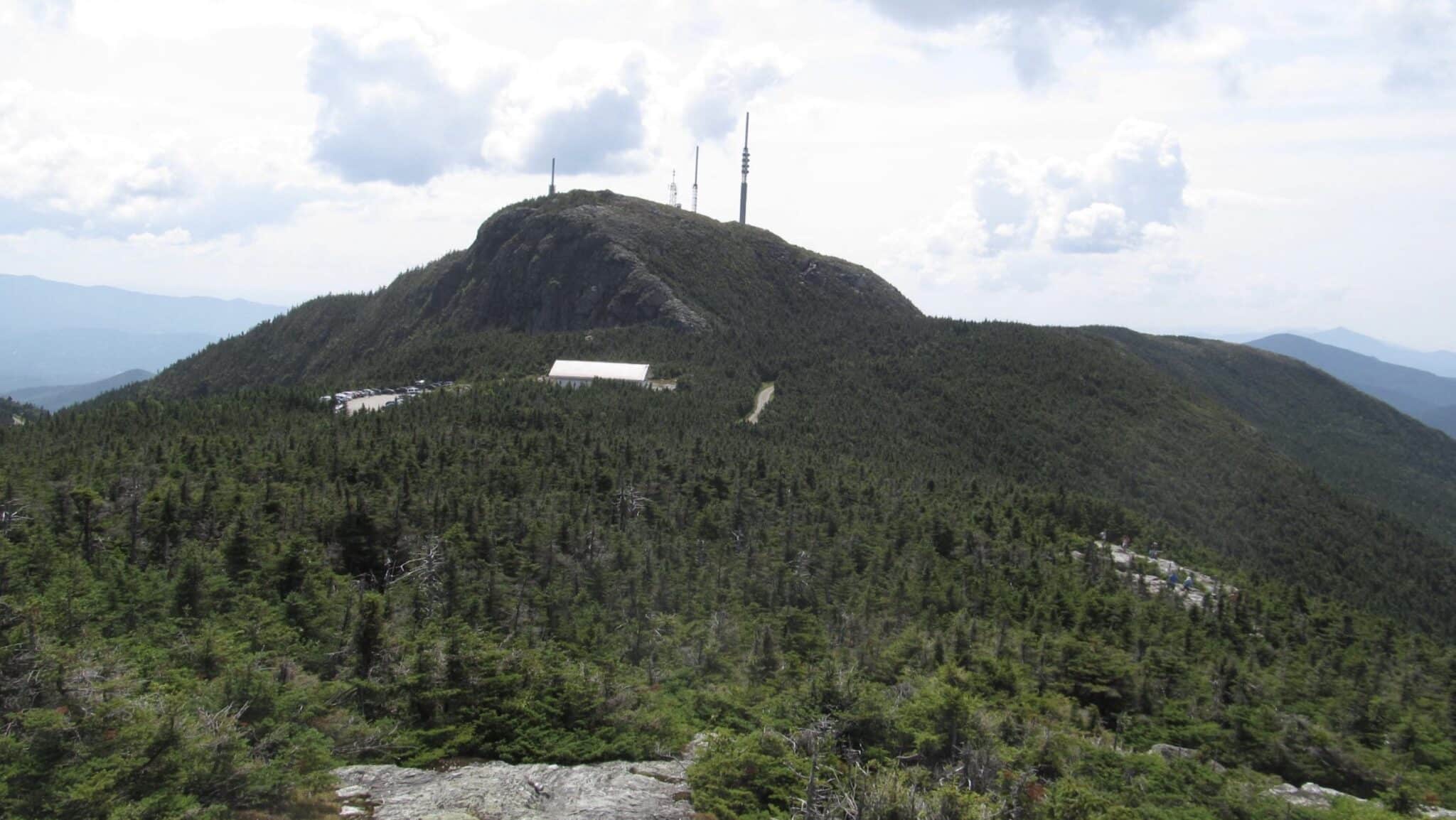
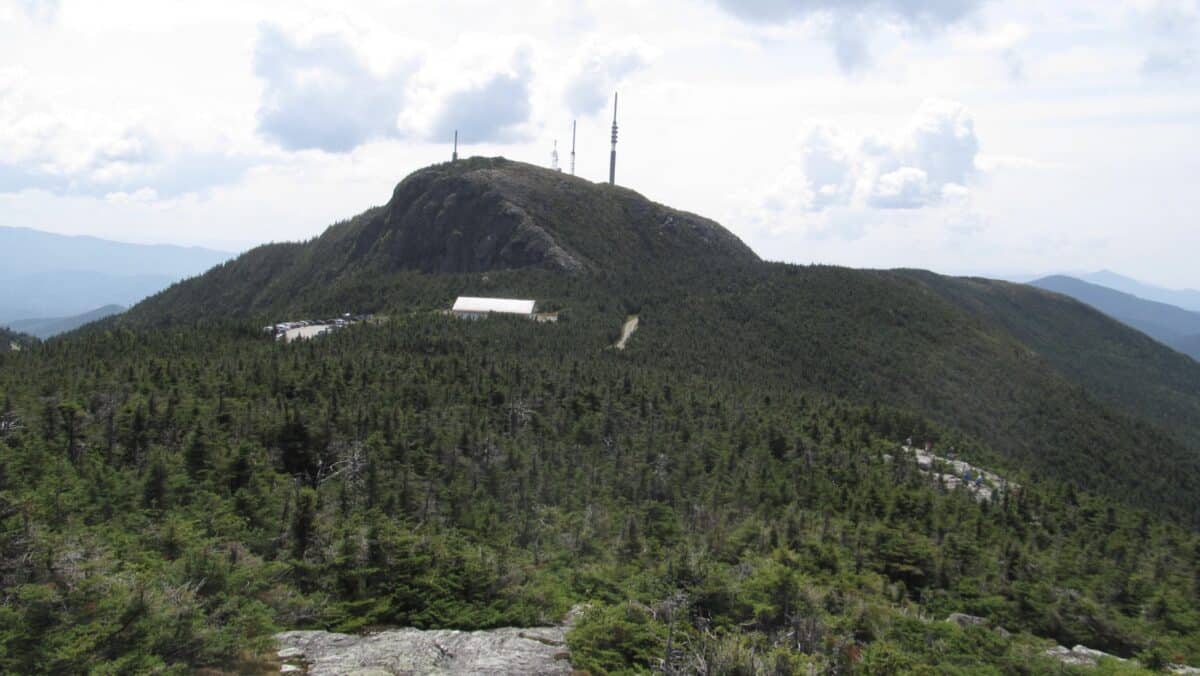
The senior hiker, whose identity has not been released, had successfully reached the summit of the Chin on Mount Mansfield, Vermont’s highest peak, and was descending along the Halfway House Trail. Mount Mansfield, a prominent landmark and a popular destination for outdoor enthusiasts, features a varied terrain and a network of trails that can become disorienting, especially for those unfamiliar with the specific routes.
According to a statement released by Stowe Mountain Rescue via their social media channels, the hiker encountered a significant navigational hurdle when her digital mapping technology ceased to function. This failure, coupled with the fact that she was on a side trail and unfamiliar with the immediate surroundings, led to confusion and disorientation. As daylight began to wane and her physical exertion mounted, the hiker made the judicious decision to contact emergency services for assistance.
Prompt Action and a Streamlined Rescue
The call for help was received by Stowe Mountain Rescue, a dedicated volunteer organization responsible for search and rescue operations in the region. Recognizing the urgency of the situation, two team members were dispatched. Leveraging the accessibility of the Mount Mansfield Toll Road, they were able to drive a significant portion of the way towards the hiker’s location. From there, they proceeded on foot, undertaking what was described as an "enjoyable hike along the ridge" to reach her.
The swift response and the hiker’s timely call were crucial factors in ensuring a smooth and efficient rescue. Had the hiker attempted to continue her journey in her disoriented state, or waited until she was completely incapacitated, the situation could have escalated significantly. Rescue teams often face increased risks and complexities when operating in darkness, adverse weather conditions, or when a subject is severely fatigued or injured. The ability to reach the hiker while she was still able to assist in her own rescue, and before her condition deteriorated further, allowed rescuers to avoid a potentially arduous and time-consuming litter carry in the dark.
Expert Assessment and Preparedness Guidance
Stowe Mountain Rescue used the incident as an opportunity to reinforce essential safety advice for all outdoor adventurers. In their statement, they emphasized the need for individuals to conduct an honest self-assessment of their capabilities and preparedness before venturing into the backcountry.
"Everyone, no matter what age or physical condition, should do an honest assessment of their capabilities and preparedness before heading into the backcountry," the rescue team stated. "Our friend from last night was fairly well-prepared, but she could have used a spare battery pack for her phone. Needless to say, a paper map would have served her well. Keeping an eye on the remaining daylight and your physical capacity is crucial, and on both counts she was right to call when she did."
This advice underscores several key preparedness elements:
- Technology Reliance and Backup: While digital mapping tools are invaluable, their reliance on battery power and signal strength makes them susceptible to failure. Carrying a fully charged portable battery pack for electronic devices is a prudent measure. Furthermore, traditional navigation methods, such as a physical map and compass, serve as reliable backups that are not dependent on power sources.
- Understanding Trail Systems: Familiarity with the specific trail network, including common routes, side trails, and potential navigational hazards, is vital. This can be achieved through thorough research before a hike, studying maps, and understanding the terrain.
- Situational Awareness: Continuously monitoring one’s physical condition, energy levels, and the progression of daylight is crucial. Recognizing the signs of fatigue, disorientation, or approaching darkness allows hikers to make informed decisions about their route and pace.
- The Importance of Early Intervention: The most significant takeaway from this incident is the hiker’s decision to call for help proactively. Rather than pushing through discomfort or confusion, which could lead to a more serious situation, she recognized her limitations and sought assistance. This act of self-awareness and decisiveness is commendable and directly contributed to a successful outcome.
The Broader Context of Outdoor Recreation in Vermont
Mount Mansfield, and the Green Mountains region of Vermont generally, attract a diverse range of outdoor enthusiasts. This includes seasoned mountaineers, casual day-hikers, and families enjoying the natural beauty. The accessibility of areas like Mount Mansfield, with its well-maintained trails and infrastructure like the Toll Road, can sometimes create a false sense of security, leading individuals to underestimate the inherent risks associated with mountain environments.
Statistics from organizations like the Appalachian Mountain Club (AMC) and state park services often highlight common causes of rescue incidents, which frequently include:
- Getting lost or disoriented: This is particularly prevalent on less-marked trails or when visibility is poor.
- Injuries: Sprains, fractures, and falls are common, especially on uneven terrain.
- Hypothermia: Even in milder weather, prolonged exposure or getting wet can lead to dangerous drops in body temperature.
- Dehydration and exhaustion: Inadequate hydration and overexertion can impair judgment and physical capability.
The story of the 70-year-old hiker serves as a powerful reminder that age and physical condition are not the sole determinants of risk. Preparedness and sound decision-making are paramount for all individuals. The fact that the hiker was "fairly well-prepared" indicates she possessed some of the necessary gear and knowledge, but the incident revealed a specific gap in her preparedness—the vulnerability of her electronic navigation system.
The Role of Volunteer Rescue Teams
Volunteer rescue teams like Stowe Mountain Rescue play an indispensable role in ensuring the safety of those who recreate in Vermont’s wilderness. These teams are comprised of dedicated individuals who train rigorously and respond to emergencies at all hours, often at personal risk and without compensation. Their efforts are vital in providing a safety net for hikers, skiers, and other outdoor enthusiasts who encounter difficulties.
The praise directed at the hiker by Stowe Mountain Rescue underscores a collaborative approach to safety. It is not just about the rescue team’s ability to respond, but also about the hiker’s proactive engagement in her own safety and the safety of the rescuers. By calling for help early, she not only minimized her own potential suffering but also significantly reduced the complexity and risk for the rescue personnel.
Analysis of Implications
This incident has several broader implications for outdoor recreation safety in Vermont and beyond:
- Emphasis on Redundant Navigation: The failure of digital mapping technology should prompt a wider conversation about the necessity of redundant navigation tools. For any hike beyond a very basic, well-trodden path, carrying a physical map and compass, and knowing how to use them, should be considered standard practice.
- Battery Management as a Critical Skill: The reliance on electronic devices for communication and navigation makes battery management a critical aspect of outdoor preparedness. Hikers should be educated on the importance of fully charging devices, carrying power banks, and understanding the power consumption of their gear in varying conditions.
- Challenging the Stigma of Seeking Help: For some, particularly those who pride themselves on self-reliance, calling for rescue can feel like an admission of failure. This incident, however, highlights that seeking help when needed is a sign of good judgment and responsibility. It is a proactive step towards ensuring a positive outcome.
- Age is Just a Number, Preparedness is Key: The hiker’s age is a secondary factor to her decision-making. While physical capabilities may change with age, mental acuity and the ability to assess a situation remain crucial. This case demonstrates that individuals of all ages can benefit from robust preparedness strategies.
In conclusion, the successful rescue of the 70-year-old hiker on Mount Mansfield is a testament to her sound judgment and the diligent work of Stowe Mountain Rescue. It serves as a valuable learning experience, reinforcing the essential principles of outdoor safety: thorough preparation, constant situational awareness, and the wisdom to know when to ask for help. The proactive approach taken by both the hiker and the rescue team ensured a safe resolution and a positive message for the entire outdoor community.

