
As the Northern Hemisphere transitions from winter to spring, a unique opportunity arises for snow sport enthusiasts: the chance to chase powder in South America. While the United States and Canada experience warmer temperatures and melting snow, ski resorts across the Andes Mountains in countries like Chile and Argentina come alive with prime conditions. This burgeoning trend of "summer skiing" or "winter escapes" to the Southern Hemisphere offers an exhilarating alternative for those unwilling to put their skis or snowboards away. However, embarking on such an adventure requires an understanding of the distinct differences that set South American skiing apart from its North American counterpart. From the breathtaking alpine scenery to the economic considerations, a well-informed traveler will find their experience significantly enhanced.
The Allure of Southern Hemisphere Snow
The concept of skiing in South America during the Northern Hemisphere’s summer months has evolved from a niche pursuit to a significant draw for international travelers. The appeal lies not only in the possibility of enjoying fresh snowfall while others are basking in sunshine but also in the sheer novelty of experiencing renowned ski destinations in a reversed seasonal cycle. Many North American skiers and snowboarders find themselves drawn to the idea of experiencing the Andes’ majestic peaks, a stark contrast to the more familiar Rocky Mountains or Sierra Nevadas. The visual of snow accumulating on these iconic ranges, often viewed through resort live cameras during the height of summer, can serve as a powerful motivator for planning a trip across the equator.
This desire to extend the ski season is fueled by a growing awareness of the world-class facilities and natural beauty available in South America. Resorts like Portillo in Chile, a legendary destination known for its challenging terrain and iconic yellow hotel, and Las Leñas in Argentina, famous for its steep and deep off-piste opportunities, have long been on the radar of serious skiers. The economic factor also plays a role, as some travelers seek value and unique experiences that deviate from typical vacation patterns.
Key Differences Between North and South American Skiing
While the fundamental act of skiing or snowboarding remains the same, several key distinctions can shape the South American experience for those accustomed to North American resorts. These differences range from the visual landscape and resort infrastructure to operational nuances and cost considerations. Being prepared for these variations is crucial for maximizing enjoyment and avoiding potential surprises.
1. Mountain Aesthetics and Terrain
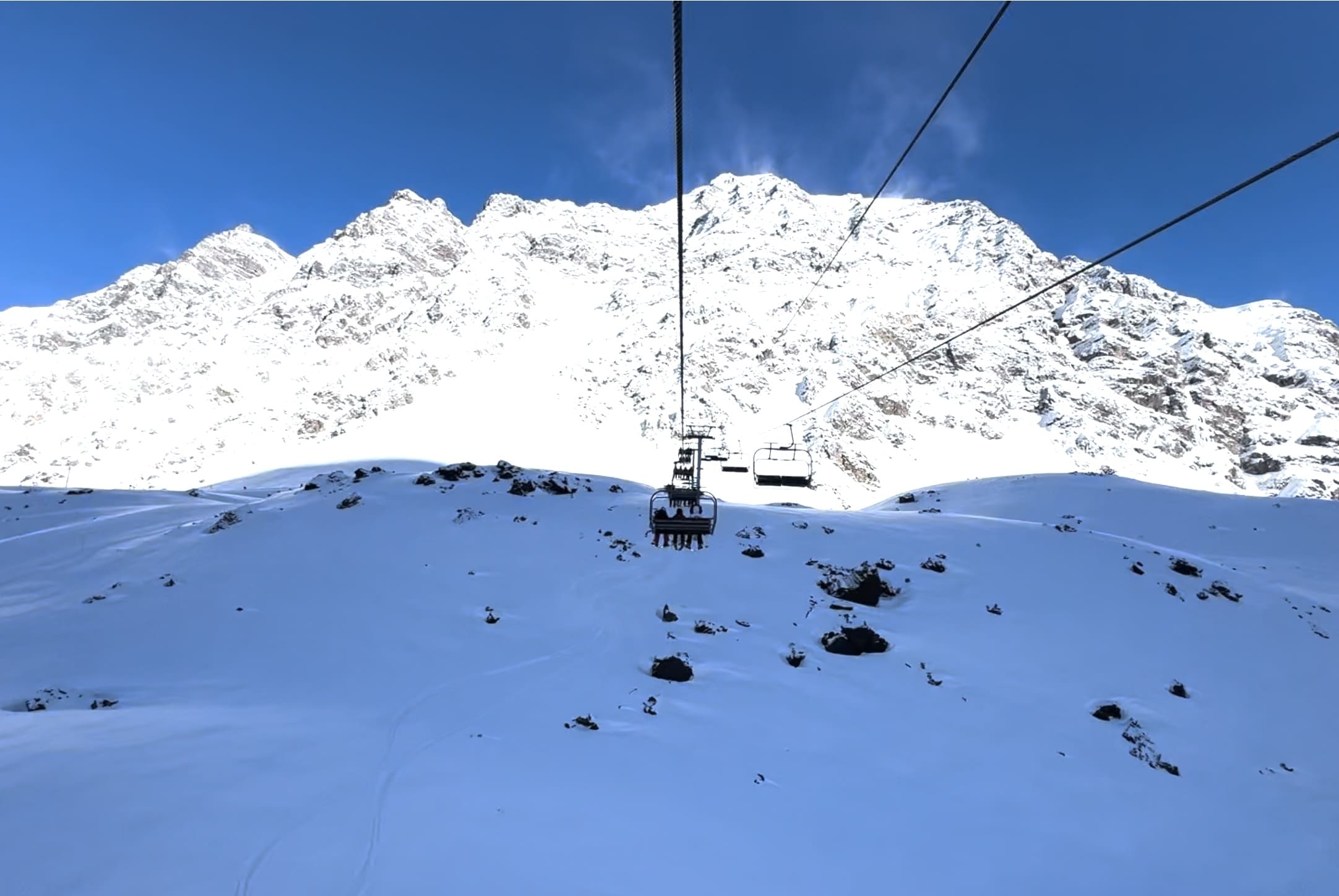
The visual grandeur of the Andes Mountains presents a dramatic departure from the typical mountain ranges found in North America. The peaks are often more rugged, with vast, open bowls, imposing glaciers, and a sense of raw, untamed wilderness. This dramatic topography contributes to a unique aesthetic that many find profoundly appealing. The skiable terrain can be more challenging and less manicured in some areas, appealing to advanced skiers and those seeking an off-piste adventure.
- Data Point: The Andes Mountain range stretches over 7,000 kilometers (4,300 miles), making it the longest continental mountain range in the world. This vastness contributes to the scale and diversity of the skiable terrain available.
- Background Context: Unlike many North American resorts developed with extensive trail grooming and lift infrastructure from the outset, some South American resorts retain a more natural and rugged character, reflecting their historical development and the challenging nature of the terrain.
2. Resort Operations and Infrastructure
While South American resorts have made significant strides in modernization, some may still lag behind the extensive infrastructure and amenities commonly found at major North American destinations. This can manifest in fewer high-speed lifts, more limited on-mountain dining options, and potentially less sophisticated snowmaking capabilities, although natural snowfall is often abundant.
- Analysis: The reliance on natural snowfall means that snow conditions can be more variable. While this can lead to epic powder days, it also underscores the importance of checking forecasts and being flexible with travel plans. Resorts that have invested in modern lift systems and snowmaking are often those that have successfully attracted international clientele.
3. Cost Considerations
A significant factor for many travelers is the cost associated with a South American ski trip. While flights can be a considerable expense, once on the ground, certain aspects of the trip might be more affordable than in North America. However, lift tickets, accommodation, and food can also be surprisingly expensive, particularly at the more renowned resorts that cater to international tourists.
- Supporting Data: Lift ticket prices at popular South American resorts can range from $70 to over $150 USD per day, comparable to many North American destinations. However, the cost of accommodation and dining can vary significantly based on the resort’s exclusivity and the traveler’s choices.
- Fact-Based Analysis: The perception of South America as a budget destination for skiing is often a misconception. While certain experiences might offer better value, particularly outside of peak season or at less internationally renowned resorts, the overall cost can be comparable to or even exceed that of a North American ski vacation, especially when factoring in travel expenses.
4. Cultural Immersion and Experience
Beyond the skiing itself, a trip to South America offers a rich cultural experience. The opportunity to interact with local communities, savor regional cuisine, and experience different languages and customs adds a unique dimension to the vacation. This cultural immersion is a significant draw for many travelers seeking more than just time on the slopes.
- Statement/Reaction (Inferred): Many travelers express a deep appreciation for the hospitality and warmth of the South American people, noting that the cultural exchange is as rewarding as the skiing itself. This sentiment is often shared in travel forums and reviews, highlighting the human element of the experience.
Planning Your Southern Hemisphere Ski Adventure
For those considering a ski trip to South America, thorough planning is essential.
Chronology of a Typical Season
The ski season in South America generally runs from June to October, with peak conditions often occurring between July and September.
- June: Early season, with resorts beginning to open. Conditions can be variable, but the anticipation is high.
- July-August: Mid-season, often considered the prime time for snow. Resorts are fully operational, and the highest likelihood of abundant snowfall.
- September: Late season, with potential for excellent spring skiing and fewer crowds. Snow conditions can vary, but sunshine is often plentiful.
- October: End of season, with many resorts closing by mid-month. Offers a final chance for skiing, often with softer snow and warmer temperatures.
Key Considerations for Travelers
- Destination Selection: Research resorts based on desired terrain, budget, and experience. Portillo, Valle Nevado, and La Parva in Chile, and Las Leñas and Cerro Catedral in Argentina are among the most popular.
- Travel Arrangements: Book flights and accommodation well in advance, especially for peak season. Consider travel insurance that covers winter sports.
- Gear: Ensure your ski or snowboard equipment is in good condition. Rental options are available at most resorts, but bringing your own gear can ensure familiarity and comfort.
- Altitude: Many South American ski resorts are at high altitudes. Acclimatize properly and be aware of the symptoms of altitude sickness.
- Language: While English is spoken at major tourist resorts, learning a few basic Spanish phrases can greatly enhance your interactions with locals.
Broader Impact and Implications
The growing popularity of South American skiing has several implications. It diversifies the global ski tourism market, offering a counter-seasonal option that benefits both travelers and local economies. It also fosters cross-cultural understanding and promotes international collaboration in the snow sports industry.
- Analysis of Implications: The continued growth of this niche market could lead to further investment in infrastructure and services at South American resorts, potentially making them more accessible and appealing to a wider range of skiers. It also highlights the interconnectedness of global tourism and the increasing desire for unique, experience-driven travel.
In conclusion, skiing in South America presents a compelling proposition for those seeking to extend their winter season or explore new horizons. By understanding and preparing for the unique characteristics of Southern Hemisphere skiing, from the dramatic Andean landscapes to the operational differences and cost factors, travelers can ensure a memorable and rewarding adventure. The allure of fresh powder under a Southern sky is a powerful draw, promising an experience that is both exhilarating and culturally enriching, far beyond the typical ski vacation.

