
A routine paddleboarding excursion on Dillon Reservoir, a jewel of Colorado’s high country, took a perilous turn recently when two women found themselves in distress due to rapidly changing weather conditions. The incident, which necessitated a rescue by a Summit County Sheriff’s deputy, highlights a recurring issue of unpreparedness among recreational users on the state’s popular waterways. The women, caught by strong winds and deteriorating weather, were eventually brought to safety but not without facing consequences for their lack of essential safety equipment and preparedness.
The event unfolded as gusts of wind, reportedly reaching speeds of up to 25 mph, coupled with falling rain, created hazardous conditions near Peak 1 on Dillon Reservoir. A vigilant Summit County Sheriff’s deputy, on patrol, observed the two women struggling to maintain control of their stand-up paddleboards (SUPs) and being pushed away from the shore. Recognizing the imminent danger, the deputy promptly intervened.
Upon reaching the distressed paddleboarders, the deputy assessed the situation and noted significant safety deficiencies. Crucially, only one of the two women was wearing a personal flotation device (PFD), commonly known as a life jacket. Furthermore, neither individual was dressed in attire suitable for the cold and windy environment, a critical oversight given the altitude and the potential for hypothermia. The deputy, acting swiftly to mitigate the risk, brought both women aboard his patrol vessel and transported them back to the safety of the beach.
Following the rescue, the two women were issued warnings and citations by the Summit County Sheriff’s Department. The warnings were for failing to carry whistles, a mandatory safety item for vessels on Colorado waters, and for not displaying contact information on their paddleboards. The woman who was not wearing a PFD at the time of the incident was issued a citation specifically for this violation. These actions underscore the legal requirements for watercraft operation in Colorado and the importance of adherence to safety regulations.
Understanding Colorado’s Watercraft Regulations
Colorado law categorizes stand-up paddleboards as vessels, subjecting them to the same safety regulations as other watercraft. This classification mandates that all paddleboarders must have a readily accessible, U.S. Coast Guard-approved personal flotation device on board. For individuals aged 12 and under, the law is more stringent, requiring them to wear a PFD at all times while the vessel is in operation. While carrying a PFD is the legal minimum for adults, the Colorado Parks and Wildlife (CPW) strongly advocates for adults to wear their PFDs rather than merely having them on board. This recommendation stems from the significant increase in safety and survivability in the event of an unexpected immersion.
In addition to PFD requirements, Colorado law stipulates that vessels less than 39.4 feet in length must be equipped with a whistle or horn. This auditory signaling device is crucial for attracting attention in emergencies or for communicating with other vessels. Neither of the women involved in the Dillon Reservoir incident possessed this required equipment, further highlighting their lack of preparedness.
The Unique Challenges of High-Altitude Reservoirs
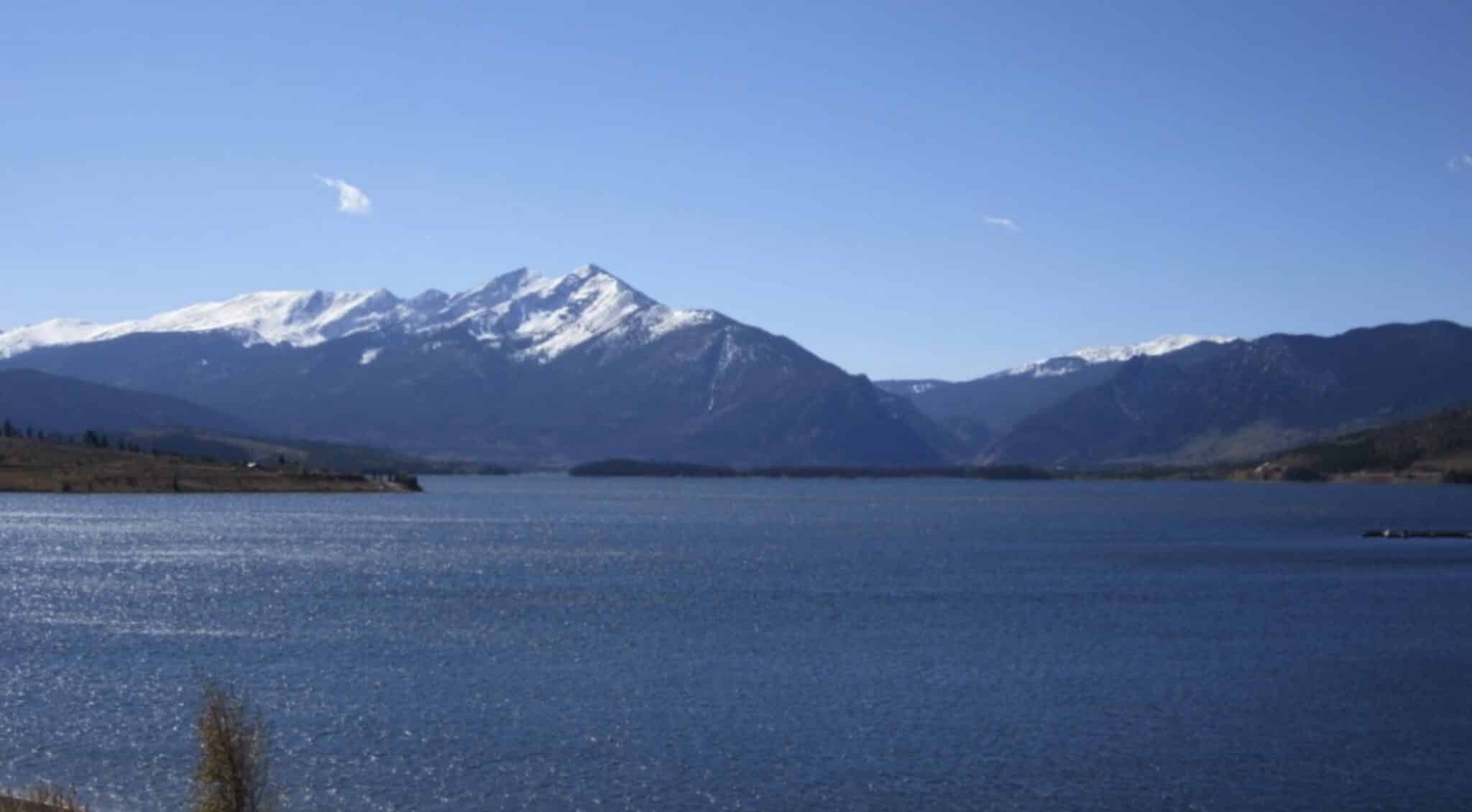
Dillon Reservoir, situated at an elevation of nearly 9,017 feet above sea level, presents a unique set of environmental challenges for recreationalists. While the picturesque scenery and ample recreational opportunities draw thousands of visitors annually, the high-altitude environment can quickly transform from serene to severe. Even during the summer months, temperatures on the water can plummet, and wind patterns can shift dramatically, leading to rapid and unpredictable changes in conditions.
The combination of cold water temperatures, even in summer, and the potential for strong winds creates a significant risk of hypothermia for anyone who falls into the water, especially if they are not properly attired or wearing a PFD. The thin air at high altitudes can also affect an individual’s stamina and reaction time, further compounding the dangers.
A Timeline of the Incident
While a precise chronological account of the women’s paddleboarding activity prior to the rescue is not detailed in the initial reports, the sequence of events leading to the intervention can be reconstructed:
- Initial Deployment: The two women launched their stand-up paddleboards onto Dillon Reservoir, likely under fair weather conditions.
- Weather Deterioration: Unforeseen and rapid changes in weather occurred, characterized by strong wind gusts, estimated to be up to 25 mph, and the onset of rain.
- Loss of Control: The increasing winds made it difficult for the paddleboarders to maintain control of their boards and navigate back to shore. They began to drift further out onto the reservoir.
- Observation by Law Enforcement: A Summit County Sheriff’s deputy, on routine patrol, observed the women struggling in the adverse conditions.
- Initiation of Rescue: The deputy immediately proceeded to assist the paddleboarders, recognizing the developing emergency.
- Assessment of Safety Deficiencies: Upon reaching the women, the deputy identified critical safety breaches, including the lack of PFDs for one individual and inadequate clothing for both, as well as the absence of required safety equipment like whistles.
- Safe Return to Shore: The deputy brought both women aboard his vessel and safely returned them to the beach.
- Issuance of Citations and Warnings: Post-rescue, the women were cited and warned for violations of Colorado’s watercraft safety laws.
Broader Implications and Recommendations
This incident serves as a stark reminder that recreational activities on Colorado’s waterways, particularly at high altitudes, require thorough preparation and a commitment to safety regulations. The Summit County Sheriff’s Department and Colorado Parks and Wildlife consistently emphasize the importance of:
- Checking Weather Forecasts: Before embarking on any water activity, it is crucial to consult reliable weather forecasts and be aware of potential changes, especially in mountain environments.
- Wearing Appropriate Gear: Dressing in layers of synthetic or wool clothing that can provide insulation even when wet is essential. Avoid cotton, which loses its insulating properties when damp.
- Mandatory PFD Use: Always wear a U.S. Coast Guard-approved PFD, even for strong swimmers. It is the single most effective piece of safety equipment for preventing drowning.
- Carrying Required Safety Equipment: Ensure all vessels, including SUPs, are equipped with a whistle or horn and that personal information is readily available.
- Understanding Vessel Classifications: Familiarize oneself with the legal requirements associated with operating different types of watercraft in Colorado.
The financial implications for individuals found to be in violation of these regulations can include fines associated with citations. More importantly, the potential consequences of unpreparedness extend to serious injury or even loss of life. The intervention by the Summit County Sheriff’s deputy undoubtedly prevented a more tragic outcome, but the citations issued serve as a necessary deterrent and educational tool for future recreationalists.
The popularity of stand-up paddleboarding has surged in recent years, bringing a new demographic to aquatic recreation. While this accessibility is positive, it also necessitates a robust public awareness campaign to ensure that all users, regardless of their experience level, understand and respect the inherent risks associated with water activities and the legal frameworks designed to ensure safety. The incident at Dillon Reservoir, while resolved without fatalities, underscores the ongoing need for education and enforcement to protect the lives of those enjoying Colorado’s beautiful, yet sometimes unforgiving, natural landscapes.

