
Just over a week after his abrupt departure from the International Ski and Snowboard Federation (FIS), Urs Lehmann has been appointed to a prominent interim role within the organization, signaling a significant shift in leadership and internal dynamics. Lehmann, who resigned as CEO on June 5th, has now been named interim Secretary General, a position he held previously. This rapid turnaround underscores the turbulent period FIS has been experiencing, marked by internal conflicts and a recent presidential election that saw a change in leadership.
Lehmann’s initial departure came after less than a year in the newly created CEO position. Reports at the time cited escalating conflicts with the then-FIS President, Johan Eliasch, as the primary reason for his resignation. His return to a senior leadership role, albeit interim, suggests a potential recalibration of the organization’s strategic direction and a move towards greater stability under new presidential leadership.
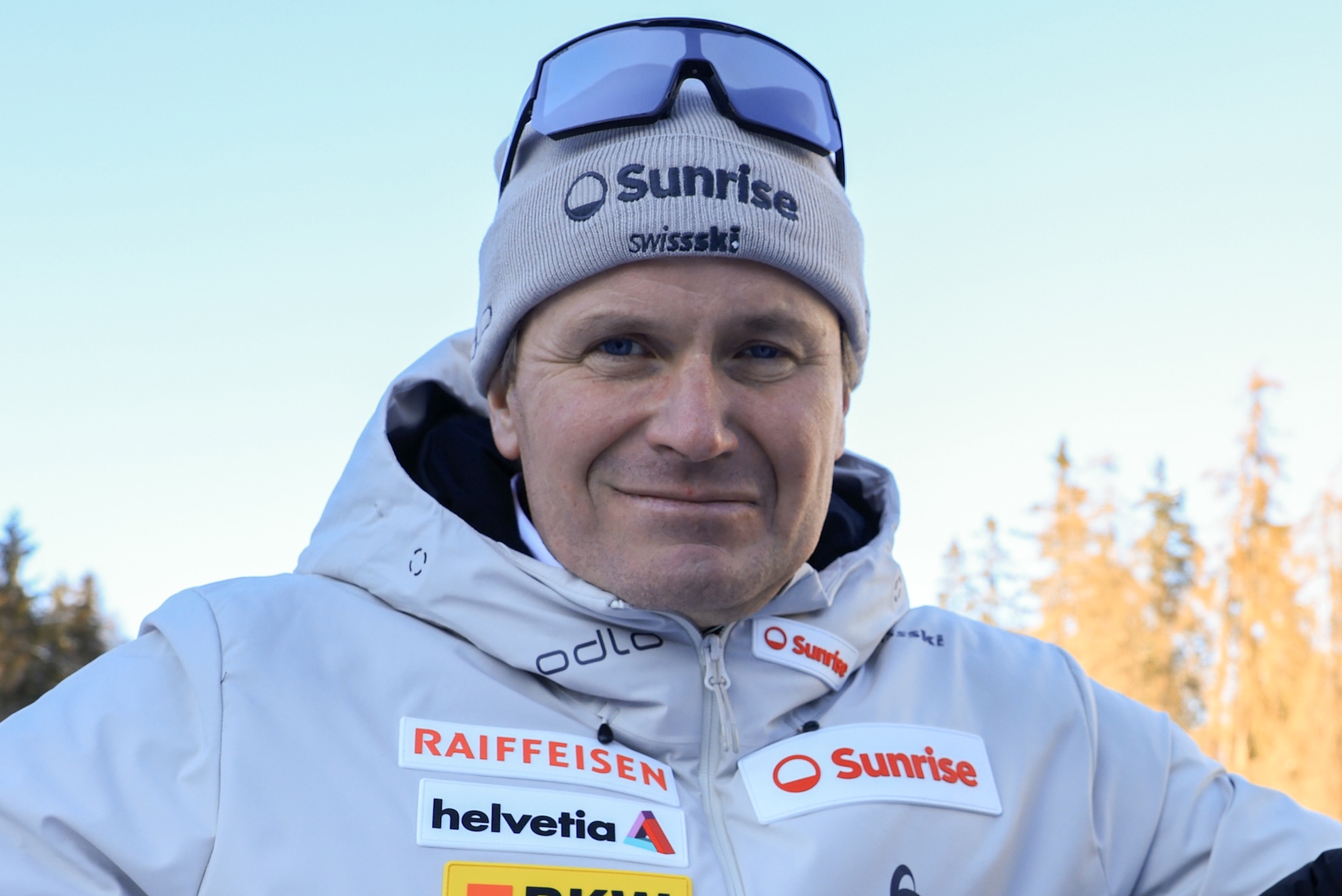
A Rapid Ascent and Departure
Urs Lehmann, a prominent figure in Swiss sports, initially joined FIS in a groundbreaking role as its first-ever Chief Executive Officer. This position was established to streamline and professionalize the federation’s operations. He took on this responsibility in August 2023, aiming to implement a new strategic vision for the organization. However, his tenure was unexpectedly cut short on June 5th, 2024, when he announced his immediate resignation.
The reasons behind Lehmann’s resignation were widely attributed to irreconcilable differences with Johan Eliasch, the Swedish-British businessman who had led FIS since 2021. Eliasch’s presidency was often characterized by ambitious reforms and a sometimes-confrontational approach to governance, which reportedly created friction with established figures within the federation. Lehmann’s departure was seen by many as a direct consequence of this strained relationship.
The FIS Congress and a Presidential Upset
The dramatic turn of events for Lehmann and FIS unfolded against the backdrop of the FIS Congress held in Belgrade, Serbia, from June 11th to 12th, 2024. A key item on the agenda was the presidential election, which saw Johan Eliasch seeking re-election. However, Eliasch faced a significant challenge from Alexander Ospelt of Liechtenstein.
In a closely contested vote, Alexander Ospelt emerged victorious, defeating Eliasch by a single vote. This narrow margin of victory signaled a clear desire for a change in leadership within the international skiing community. Notably, Norway, a powerhouse in winter sports, had thrown its full support behind Ospelt, casting all three of its votes for the Liechtenstein candidate. Ospelt’s platform reportedly focused on uniting a divided federation and fostering a more collaborative approach to governance.
Adding to the leadership upheaval, the Secretary General at the time, Michel Vion, also announced his resignation. This simultaneous departure of both the President and the Secretary General created a vacuum at the highest levels of FIS, necessitating swift action to ensure continuity and operational stability.
Lehmann’s Return and the Path Forward
In the wake of these significant leadership changes, Urs Lehmann was appointed interim Secretary General. This appointment places him back at the helm of FIS’s administrative and operational functions, a role he is intimately familiar with. His return suggests that the newly elected leadership, spearheaded by President Ospelt, recognizes the value of Lehmann’s experience and understanding of FIS’s complex structure.

The immediate priority for the new leadership and Lehmann will be to navigate the ongoing organizational restructuring and address the financial health of FIS. The appointment of Lehmann as interim Secretary General provides a crucial bridge during this transitional period.
A Mandate for Reform and Financial Scrutiny
The newly elected FIS board, under President Ospelt, has outlined a clear agenda for reform and stabilization. A key decision made during the congress was the establishment of a dedicated working group tasked with thoroughly reviewing FIS’s organizational structure. This group will examine the federation’s statutes and propose necessary amendments to enhance efficiency and transparency. The recommendations from member federations presented at the Belgrade Congress will serve as crucial input for this reform process.
Furthermore, recognizing the importance of financial prudence, another working group has been commissioned to conduct a comprehensive analysis of FIS’s economic situation. This group’s mandate is to develop concrete proposals and implement measures to restructure and strengthen the federation’s finances for the future. The need for such a review is often amplified during periods of leadership transition and in organizations facing complex global economic challenges.

The Search for a Permanent Secretary General
The process of finding a permanent Secretary General is set to commence, with a target date of March 2027 for the appointment. To ensure a robust and professional selection process, FIS intends to engage external headhunting consultants. This approach signals a commitment to finding a highly qualified individual capable of leading FIS through its next phase of development.
Broader Implications and Future Outlook
The recent leadership changes at FIS carry significant implications for the future of international ski and snowboard sports. The departure of Johan Eliasch marks the end of an era that saw ambitious, and at times controversial, attempts at modernization. The narrow victory of Alexander Ospelt suggests a desire for a more inclusive and consensus-driven leadership style.
Urs Lehmann’s interim appointment is likely to be viewed as a stabilizing force. His experience as CEO, despite its brevity, and his previous role as Secretary General provide him with invaluable institutional knowledge. His ability to work effectively with the new president and board will be crucial in navigating the challenges ahead.

The focus on organizational reform and financial restructuring indicates a commitment to building a more resilient and efficient FIS. The success of these initiatives will depend on the collaborative efforts of the newly appointed working groups and the broader FIS membership.
The winter sports community will be closely watching how these changes unfold. The appointment of a new permanent Secretary General in 2027 will be a pivotal moment, shaping the long-term strategic direction of FIS. Ultimately, the goal is to ensure the continued growth, integrity, and global appeal of skiing and snowboarding for athletes, fans, and stakeholders worldwide. The rapid succession of events – Lehmann’s resignation, Eliasch’s defeat, and Lehmann’s subsequent return to a key leadership role – highlights the dynamic and often unpredictable nature of international sports governance. The coming months will be critical in determining the stability and effectiveness of FIS under its new leadership.

