
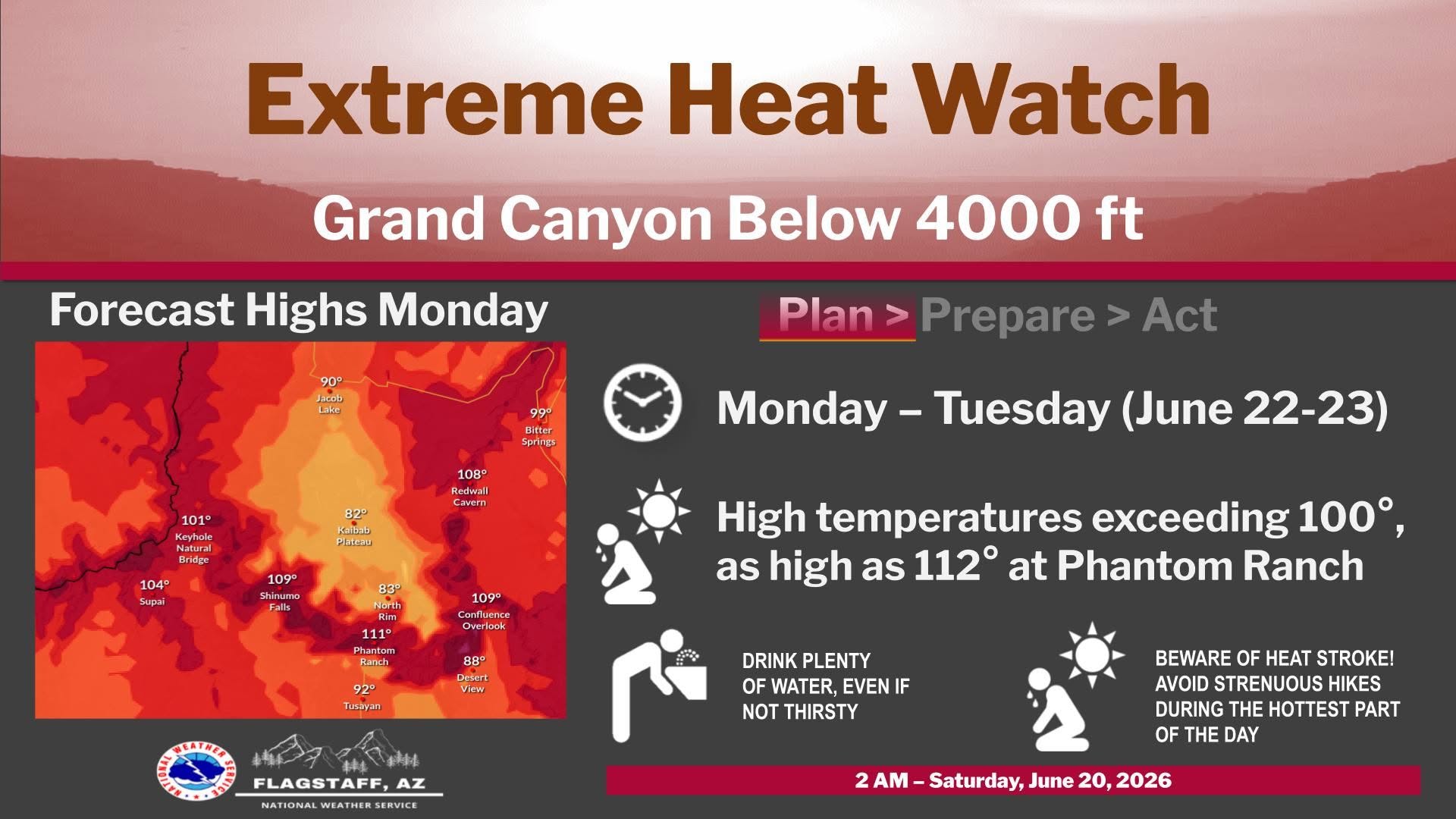
Grand Canyon, Ariz. – In a somber period for Grand Canyon National Park, three individuals have tragically lost their lives due to heat-related illnesses during a severe early summer heatwave. Park rangers and emergency crews responded to two separate incidents on June 12th and June 16th, 2026, both involving hikers in the park’s Inner Canyon, where midday temperatures regularly surpass 109°F (43°C) even in shaded areas. These fatalities underscore the extreme dangers of hiking in the canyon during peak summer conditions and have prompted renewed warnings from park officials.
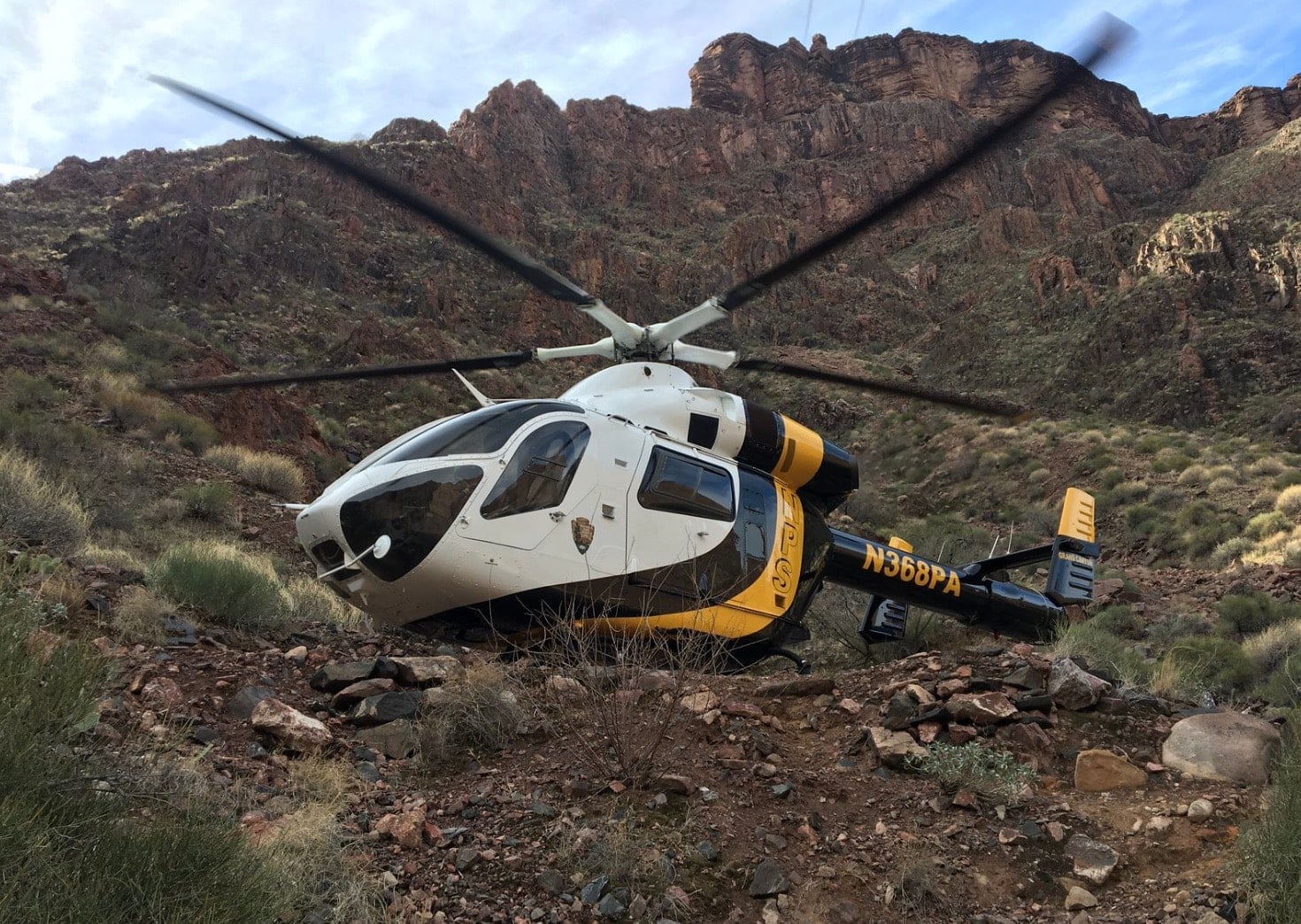
The first incident occurred on June 12th, when a 72-year-old male was found deceased along the South Kaibab Trail. He exhibited symptoms consistent with severe heat-related illness. Tragically, just four days later, on June 16th, a 67-year-old male and a 68-year-old female were discovered deceased on the North Kaibab Trail, also believed to have succumbed to the extreme heat. Despite the rapid mobilization of emergency responders, including aerial support in the challenging terrain, all three individuals were pronounced deceased upon arrival at the scenes. Their bodies were subsequently transported to the Coconino County Medical Examiner’s office for official determination of cause of death.
These heartbreaking events serve as a stark and urgent reminder of the perils associated with exploring one of America’s most iconic natural wonders, particularly during the summer months. While hiking in the Grand Canyon can be demanding even in temperate weather, the intense heat of summer transforms the Inner Canyon into a potentially lethal environment. The recent increase in heat-related emergencies reflects a broader trend of escalating summer temperatures, creating conditions that can swiftly overwhelm even well-prepared hikers.
The National Park Service has issued a strong advisory, urging visitors to avoid hiking in the Inner Canyon between the hours of 10:00 a.m. and 4:00 p.m. This recommendation is a direct response to the current dangerous temperature levels that pose a significant risk to public safety.
Background and Context: The Grand Canyon’s Summer Heat
The Grand Canyon’s unique geological formation creates a microclimate that intensifies heat significantly. The Inner Canyon, descending thousands of feet below the rim, traps heat, leading to temperatures that are substantially higher than those experienced at the top. This "oven-like" effect is exacerbated by the lack of shade in many areas and the reflective properties of the canyon walls.
In 2025, the Grand Canyon experienced an estimated 5.7 million visitors, with a significant portion visiting during the summer months. While visitation figures for 2026 are still being compiled, the early summer heatwave suggests a similar or increased influx of tourists eager to experience the park’s grandeur. This confluence of high visitor numbers and extreme weather conditions creates a heightened risk environment.
The historical data from the National Park Service consistently shows a correlation between high temperatures and heat-related incidents. In previous years, the park has reported dozens of heat-related rescues and medical emergencies during the summer season. The current string of three fatalities within a single week in June is particularly alarming and signals a critical point for visitor safety awareness.
Chronology of Incidents
- June 12, 2026: A 72-year-old male hiker is found deceased on the South Kaibab Trail. The cause is suspected to be heat-related illness.
- June 16, 2026: A 67-year-old male and a 68-year-old female hiker are found deceased on the North Kaibab Trail. Both are suspected to have died from heat-related illnesses.
- Following Incidents: Grand Canyon National Park officials release advisories and warnings to the public regarding the extreme heat and the dangers of Inner Canyon hiking during peak hours.
Park Service Response and Recommendations
In response to the escalating danger, Grand Canyon National Park is reinforcing its safety messaging. The park service emphasizes that hiking into the canyon during the summer should be reserved for the cooler morning and evening hours. The recommendation to avoid strenuous activity between 10:00 a.m. and 4:00 p.m. is paramount, as Inner Canyon temperatures can reach extreme levels, creating an environment where the body’s cooling mechanisms can fail.
Park officials have provided detailed guidance on preventing heat-related illnesses, stressing that these conditions can develop rapidly and lead to severe health deterioration. Key symptoms to watch for include headache, disorientation, and confusion. Visitors experiencing these symptoms are urged to stop their activity immediately, seek shade, and begin rehydrating.
Prevention is emphasized as the most critical strategy:
- Hydration: Hikers are advised to drink water consistently, even before feeling thirsty. The dry desert air causes sweat to evaporate quickly, making it difficult to gauge fluid loss. Monitoring for salt stains on clothing can be an indicator of significant sweating and potential dehydration.
- Electrolyte Balance: In addition to water, replenishing lost electrolytes is crucial. This can be achieved through consuming salty snacks. The park suggests options like pretzels, chips, and cheese crackers, which are both trail-friendly and effective in helping the body retain fluids.
- Water Availability: Visitors must carry all the water they anticipate needing, as not all trails have water sources, and even those that do can experience outages.
- Cooling Techniques: When near flowing water, soaking clothing and the body is a highly effective method for reducing core temperature.
The park also highlights that there are numerous opportunities for hiking, walking, and viewing the canyon’s iconic landscapes along the rim, which are generally safer and more accessible during the summer months. For comprehensive information on visiting the Grand Canyon and planning for summer activities, visitors are directed to the park’s dedicated resource: https://go.nps.gov/GC-HOT.
Deeper Dive into Summer Hiking Strategies
Grand Canyon National Park’s visitor education materials provide an in-depth look at strategies for safe summer hiking. The combination of ambient temperature, elevation, and the physical exertion required for canyon trails presents a formidable challenge. Effective management of hydration and nutrition is not merely a recommendation but a necessity for survival.
Hydration and Electrolyte Management:
The dry, hot climate of the Grand Canyon means that fluid loss through perspiration can be substantial. The rapid evaporation of sweat can create a false sense of security, leading individuals to underestimate their hydration needs. Park rangers often observe salt stains on clothing, a visible sign that the body is working hard to regulate temperature and losing vital salts.
The park’s guidance strongly advocates for a proactive approach to hydration. Sipping water regularly throughout the hike, rather than waiting until thirst sets in, is a fundamental principle. This consistent intake helps maintain a stable fluid balance. Equally important is the replenishment of electrolytes. Consuming salty snacks aids the body in retaining fluids, preventing the dilution of blood sodium levels, which can lead to hyponatremia.
Rangers themselves rely on specific strategies. Their recommended salty snacks, such as pretzels, Pringles, chips, and cheese crackers, are chosen for their portability, palatability, and effectiveness in providing both carbohydrates for energy and sodium for electrolyte balance.
Fueling the Body:
The strenuous nature of hiking in the Grand Canyon necessitates adequate caloric intake. Regular consumption of snacks that provide a mix of carbohydrates, protein, and electrolytes is vital for sustaining energy levels. The park advises hikers to eat and drink even if they don’t feel particularly hungry or thirsty, as the body’s signals may not always be accurate indicators of its needs in extreme conditions. Maintaining this balance between hydration and nutrition is presented as the cornerstone of preventing fatigue and ensuring optimal bodily function.
Timing is Everything: Avoiding the Midday Sun
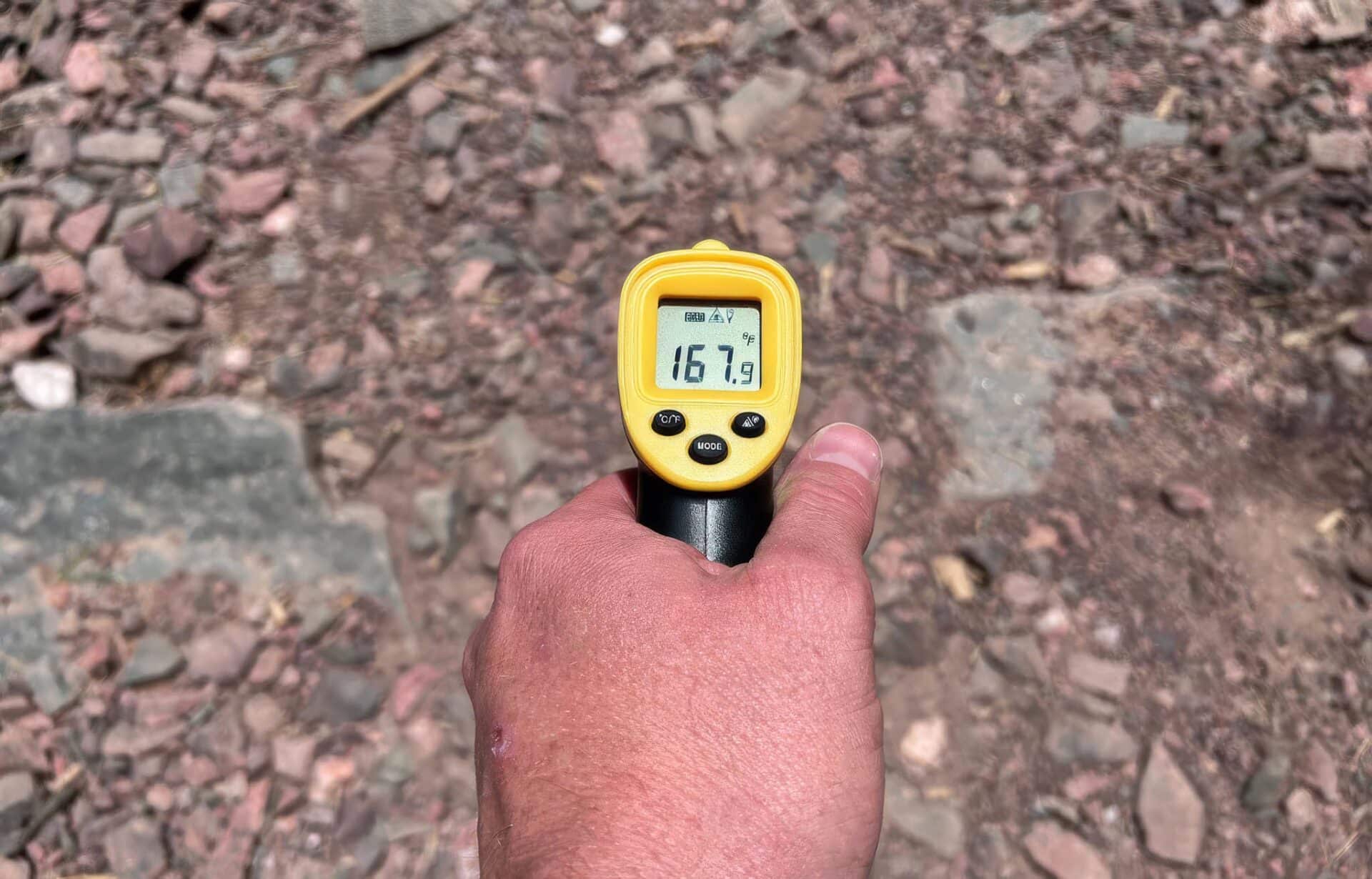
Even with meticulous attention to hydration and nutrition, hiking during the peak heat of the day is extremely dangerous. The park reiterates that sun temperatures can be 15-20°F (9-11°C) hotter than the air temperature in the shade. Furthermore, the heat intensifies as one descends deeper into the canyon.
The advice to plan hikes to avoid the 10:00 a.m. to 4:00 p.m. window is based on extensive experience and data. Experienced desert hikers understand that the timing of their excursions is perhaps the single most critical factor in avoiding heat-related hazards. Records indicate that a significant majority of individuals requiring emergency medical assistance due to heat illness are hiking during these dangerous midday hours. Opting for early morning or late afternoon starts and finishes allows hikers to leverage the cooler temperatures and reduced sun intensity.
The Power of Water: Staying Wet and Cool
A critical, yet often underestimated, strategy for managing body temperature in the Grand Canyon’s heat is to stay thoroughly wet. The extreme temperatures, particularly in the Inner Canyon, can rapidly elevate core body temperature. Utilizing every available opportunity to cool down is essential.
The park recommends soaking clothing and the body whenever near a water source, whether it be a natural creek or a designated water station. Wearing absorbent materials like cotton is advised, as these fabrics retain water effectively and promote evaporative cooling. A hat or bandana that can be frequently soaked also plays a vital role. This simple yet effective technique helps maintain a cooler body temperature, conserving energy and preventing heat exhaustion. The difference in comfort and safety experienced by hikers who consistently employ this strategy is significant.
Recognizing and Responding to Health Hazards:
The Grand Canyon National Park provides detailed information on specific health hazards hikers may encounter:
-
Heat Exhaustion: This condition arises from significant dehydration due to excessive sweating. Hikers can lose substantial amounts of fluid per hour. Rangers at locations like Phantom Ranch and Havasupai Gardens frequently treat cases of heat exhaustion during the summer.
- Symptoms: Fatigue, nausea, vomiting, cool and moist skin, headache, and muscle cramps.
- Treatment: Immediate cessation of hiking, rest in a shaded area for 30-45 minutes, intake of water with electrolytes, consumption of high-energy foods (including fats and sugars), and cooling the body by getting wet.
-
Heat Stroke: A life-threatening medical emergency where the body’s thermoregulation system fails. The body loses its ability to cool itself, and core temperature rises to dangerous levels. The Grand Canyon typically sees two to three cases of heatstroke annually, often as a progression from untreated heat exhaustion.
- Symptoms: Flushed skin, dry skin, weak and rapid pulse, very high core body temperature, confusion, impaired judgment, inability to cope, unconsciousness, and seizures. A key distinguishing factor from heat exhaustion is altered mental status.
- Treatment: Immediate cooling and activation of emergency services are critical. Continuous pouring of water over the head and torso (while protecting the airway), fanning to enhance evaporative cooling, and moving the individual to shade are vital steps. Immersion in cold water, if feasible, is highly recommended. Rapid cooling and immediate transport to a medical facility are imperative.
-
Hyponatremia (Water Intoxication): This condition mimics early heat exhaustion symptoms and results from low sodium levels in the blood. It occurs when individuals consume excessive amounts of water without adequately replacing lost salts through sweat.
- Symptoms: Fatigue, nausea, vomiting, altered mental states, confusion, and frequent urination. Individuals may appear intoxicated. In severe cases, consciousness can be impaired, and seizures may occur.
- Treatment: Discontinue water consumption, consume salty foods, and rest in the shade until symptoms improve. If mental alertness deteriorates, immediate medical assistance is required.
The park also strongly advises individuals with pre-existing medical conditions to consult with their physicians before undertaking strenuous hikes, especially in hot weather. The combination of high temperatures, steep elevation changes, and prolonged physical exertion can place significant stress on the body, even for healthy individuals.
Broader Implications and Future Concerns
The tragic deaths at the Grand Canyon this June highlight a growing concern about the impact of climate change on outdoor recreation. Increasingly frequent and intense heatwaves pose a significant threat to visitors in natural environments. Park managers face the challenge of balancing public access and enjoyment with the imperative of ensuring visitor safety.
The park’s proactive advisories and detailed educational materials are crucial tools in mitigating risk. However, the effectiveness of these measures relies on visitors’ willingness to heed the warnings and prepare adequately. The incidents serve as a potent reminder that the Grand Canyon, while awe-inspiring, is a wild and unforgiving environment that demands respect and careful planning, particularly under extreme weather conditions. The park service will likely continue to refine its safety protocols and public awareness campaigns in light of these recent events, emphasizing that a memorable Grand Canyon experience should never come at the cost of a life.

