
The allure of fresh powder and perfectly groomed slopes is undeniable, but for many skiers and snowboarders, the dream can quickly turn into a less-than-ideal reality when faced with overwhelming crowds. From congested highways leading to the mountain to lengthy queues at chairlifts and crowded ski runs, the presence of large numbers of people can significantly detract from the skiing experience. Understanding the multifaceted nature of ski resort crowds and implementing strategic approaches are key to reclaiming the joy of a day on the slopes. A recent analysis by PeakRankings, presented in a comprehensive video, delves into the various factors contributing to these crowded conditions and offers actionable advice for skiers and snowboarders seeking a more serene mountain adventure.
Understanding the Anatomy of Ski Resort Crowds
The phenomenon of crowded ski resorts is not a monolithic issue but rather a complex interplay of several contributing factors. PeakRankings identifies seven primary drivers that collectively shape the on-mountain experience: lift infrastructure, terrain layout, prevailing conditions, geographical accessibility, resort access policies, resort branding, and crucially, timing. Each of these elements, in isolation and combination, can either alleviate or exacerbate the influx of visitors.
Lift Infrastructure: The Bottleneck Effect
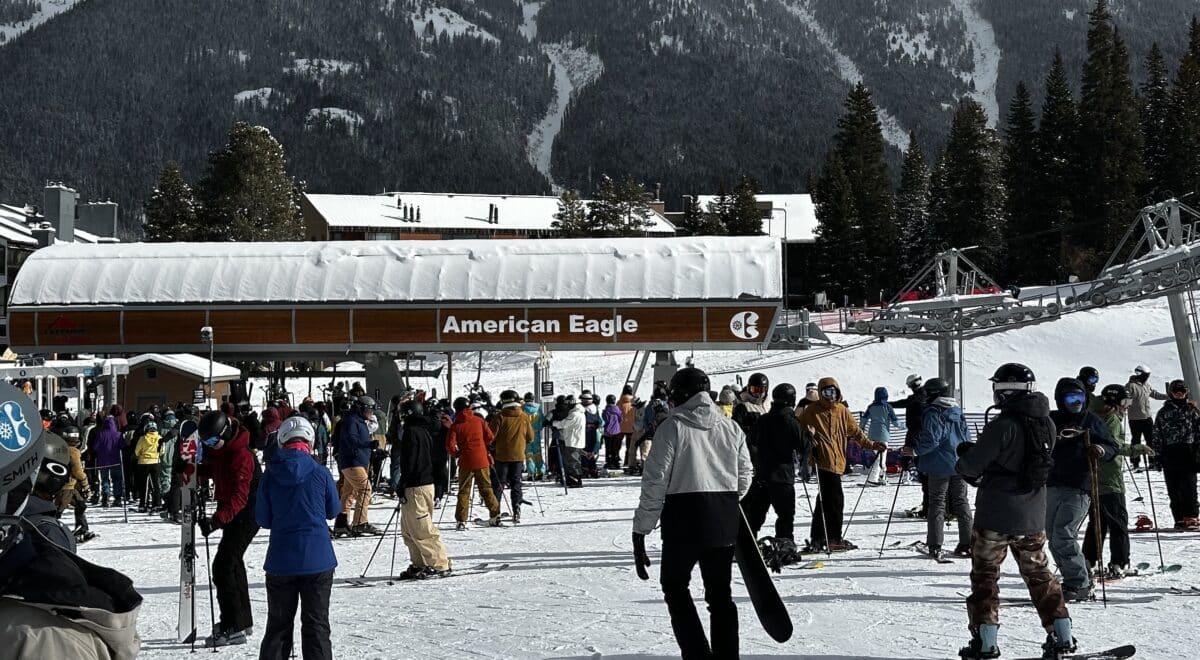
One of the most direct contributors to crowded slopes is inadequate or inefficient lift infrastructure. Limited uphill capacity, meaning lifts that cannot transport a sufficient number of skiers and riders to the upper mountain in a timely manner, is a primary concern. This bottleneck can lead to substantial queues forming at the base of lifts, even when the slopes themselves are not overwhelmingly packed.
Furthermore, poor line management at lift loading areas can create an illusion of greater crowds than actually exist, or can simply lead to frustration and lost time. The type of lift itself can also play a role. While modern, high-speed lifts are designed for efficiency, their visibility and capacity can attract more people, inadvertently creating a focal point for congestion. Conversely, older, slower lifts might offer a more intimate experience but contribute to longer wait times.
Analysis: The economic reality of ski resorts often necessitates maximizing skier throughput. However, a failure to invest in and strategically deploy lift systems that match terrain capacity can lead to a negative guest experience, potentially impacting repeat visitation and overall resort revenue in the long run. Resorts that prioritize balance between lift speed, capacity, and rider experience, perhaps through a mix of lift types and intelligent dispatching systems, are likely to fare better.
Terrain Layout and Accessibility
The design and configuration of a resort’s terrain play a significant role in how crowds distribute themselves. Areas featuring easier green and blue runs, often popular with beginners and intermediate skiers, can become natural gathering points. When these runs funnel into narrow bottlenecks or long traverses, the flow of traffic can slow to a crawl, creating significant congestion.
Conversely, expert terrain, while offering challenging and exhilarating experiences, is typically accessed by fewer skiers, naturally dispersing crowds. Resorts with a well-integrated network of trails that offer varied difficulty levels and multiple access points to different parts of the mountain can help to alleviate bottlenecks.
Analysis: Effective terrain management involves not only the creation of diverse runs but also the thoughtful consideration of how skiers will navigate between them. Trail signage, clear delineation of routes, and strategic placement of intermediate rest points or scenic overlooks can encourage better skier distribution. Resorts that actively manage skier flow through trail design and information dissemination can significantly reduce perceived crowding.
The Influence of Conditions and Geography
Unpredictable mountain weather and snow conditions can dramatically impact crowd levels. Thin snow coverage may lead to the closure of certain trails or entire areas of a resort, concentrating skiers on the remaining open terrain. Conversely, a significant snowfall event, particularly a "powder day," can draw massive crowds eager to experience fresh tracks.

Geographical factors also contribute. Resorts located closer to major metropolitan areas or easily accessible via direct highways often experience higher volumes of day-trippers. These visitors, with limited time, tend to arrive en masse, particularly on weekends and holidays, further intensifying the crowding.
Analysis: While resorts have limited control over natural conditions, proactive communication and management strategies can mitigate their impact. For instance, providing real-time updates on snow depth and open terrain, and offering incentives for mid-week visits or off-peak arrival times, can help to manage the surge on powder days or during periods of limited accessibility.
Resort Access Policies and Megapass Dynamics
The era of multi-resort access passes, such as the Epic Pass and Ikon Pass, has undeniably reshaped the ski industry and, consequently, resort crowding. While these passes offer incredible value and flexibility to skiers, they have also contributed to higher visitor numbers at popular destinations included on these passes. Resorts with restrictive access policies or those not part of these widespread mega-pass programs often experience quieter slopes.
The sheer scale and reputation of larger, more iconic resorts also act as a magnet for skiers. Even when nearby, smaller resorts might offer comparable terrain and conditions, the draw of a globally recognized name can funnel a disproportionate number of visitors to the more famous destinations.
Analysis: The proliferation of mega-passes represents a significant shift in how skiers plan their seasons. Resorts that are part of these programs must grapple with the challenge of managing increased demand without compromising the guest experience. This might involve dynamic pricing, reservation systems, or tiered access options. For smaller, independent resorts, a focus on unique experiences, personalized service, and a strong local community can be a competitive advantage.
The Paramount Factor: Timing
Ultimately, the most significant determinant of ski resort crowds is timing. Weekends and national holidays are predictably the busiest periods, often exacerbated by school vacation schedules. These peak times see the highest concentration of skiers and snowboarders, leading to longer lift lines, crowded parking lots, and busy on-mountain facilities.
However, the seasonality of skiing also presents opportunities for less crowded experiences. Later in the season, particularly around April in Western North America, resorts can still boast excellent snow conditions while experiencing a significant drop in visitor numbers as school resumes and the focus shifts to spring activities. It’s important to note that spring break weeks, often coinciding with good snow, can buck this trend and bring substantial crowds.
Analysis: For the individual skier, understanding and leveraging the nuances of timing is perhaps the most effective strategy for avoiding crowds. Planning trips during weekdays, avoiding major holiday periods, and considering late-season skiing can yield a dramatically different and more enjoyable experience. Resorts can also influence timing through their pricing strategies, offering discounts for mid-week or shoulder-season visits.
Strategic Approaches to Crowd Avoidance
The PeakRankings video, beyond identifying the causes of crowds, provides actionable strategies for skiers and snowboarders to navigate these challenges and maximize their time on the mountain.
Early Bird Gets the Powder (and the Empty Slopes)
Arriving at the resort before the lifts even open is a time-honored strategy for a reason. The first hour or two of operation often presents the best opportunity for uninterrupted skiing. Skiers who are ready to go at first chair can often get several runs in on uncrowded slopes before the main influx of visitors begins. This is particularly true for accessing popular runs or fresh snow.
The Art of the Mid-Week Escape
For those with flexible schedules, a mid-week ski trip is arguably the most effective way to avoid crowds. Monday through Friday, outside of school holidays, offer a significantly different experience. Lift lines are shorter, parking is more readily available, and the on-mountain atmosphere is generally more relaxed.
Strategic Mid-Season and Late-Season Planning
While holidays are peak times, the shoulder seasons can offer a sweet spot. Early December, before the major holiday rushes, can provide good early-season conditions with fewer people. Similarly, April skiing in many Western resorts can be sublime, with warmer temperatures, longer daylight hours, and a noticeable decrease in crowds. However, caution is advised during spring break weeks, which can see a resurgence in visitor numbers.
Exploring Beyond the Obvious
Not all terrain is created equal when it comes to crowd distribution. Sticking to less-trafficked areas, utilizing less popular lifts, or venturing onto more challenging runs can often lead to a more solitary experience. Expert terrain, by its nature, is less accessible to the general population. Additionally, planning end-of-day routes to avoid converging with the masses heading for the base area can save valuable time and frustration.
Leveraging Technology and Information
In today’s connected world, skiers can utilize various resources to stay informed. Real-time lift status updates, crowd-sourced information on social media, and resort-specific apps can provide valuable insights into current conditions and potential bottlenecks. Some resorts are even experimenting with technology to predict and manage crowd flow.
Embrace the "Off-Piste" Mindset (Within Resort Boundaries)
Even within a crowded resort, there are often pockets of solitude to be found. This might involve exploring the edges of groomed runs, seeking out natural features, or simply taking a slightly different line down a popular trail. The key is to be observant and adaptable, looking for opportunities to carve your own path.
The Broader Impact of Crowding
The implications of crowded ski resorts extend beyond individual skier satisfaction. For resort operators, managing crowds is a critical aspect of guest experience and operational efficiency. Overcrowding can lead to increased wear and tear on infrastructure, higher operational costs (e.g., increased staffing for lift lines), and potential safety concerns.
From an economic perspective, while high visitor numbers can translate to increased revenue, a consistently poor guest experience due to overcrowding can lead to negative word-of-mouth, reduced customer loyalty, and ultimately, a decline in long-term profitability. The challenge for resorts lies in striking a delicate balance between maximizing visitation and ensuring a high-quality, enjoyable experience for all patrons.
Analysis: The future of ski resort management will likely involve a greater integration of technology to monitor and predict crowd behavior. This could include sophisticated analytics platforms that track skier movement, lift line lengths, and parking lot capacity. Resorts that proactively invest in these solutions and adapt their operational strategies accordingly will be better positioned to thrive in an increasingly competitive and popular industry. The continued evolution of access passes also necessitates a re-evaluation of capacity management and pricing models to ensure sustainability and guest satisfaction.
In conclusion, while the specter of crowded ski resorts may seem daunting, a deeper understanding of the underlying causes, coupled with a proactive and strategic approach, can transform a potentially frustrating experience into a memorable and enjoyable one. By embracing timing, exploring less conventional options, and leveraging available information, skiers and snowboarders can indeed master the mountain and find their own slice of snowy paradise, even amidst the hustle and bustle of peak season.

