
The federal government initiated a significant shift in Arctic policy on March 18th by opening the first of five mandated lease sales in the Western Arctic, a move that underscores the long-standing tension between energy security and environmental conservation. This auction marks the beginning of a decade-long program that could fundamentally reshape the National Petroleum Reserve-Alaska (NPR-A), a 22-million-acre expanse that represents the largest single block of public land in the United States. While the region’s name suggests a singular industrial purpose, the area is a complex mosaic of globally significant wetlands, critical wildlife corridors, and untouched wilderness that has remained largely intact for millennia. As the climate in the Arctic warms at a rate three to five times faster than the global average, the push to expand oil and gas infrastructure into these sensitive ecosystems has sparked a national debate over the future of America’s last "whole" landscape.
A Century of Designation: From Naval Reserve to NPR-A
The origins of the current leasing program date back more than a century. In 1923, President Warren G. Harding signed an executive order establishing "Naval Petroleum Reserve No. 4." At the time, the United States Navy was in the midst of a critical transition from coal-fired engines to oil-powered propulsion. Geologists had identified oil seeps along the Alaskan coast, and the federal government, emerging from the resource-heavy era of the Gold Rush, viewed the North Slope as a vital strategic asset. The land was withdrawn from all other potential uses and placed in reserve to ensure the military’s future fuel supply.
Harding, an Ohio native, designated a region nearly the size of his home state (which spans roughly 28 million acres) as a federal oil warehouse. His presidency was eventually overshadowed by the Teapot Dome scandal, involving his Interior Secretary, Albert Bacon Fall, who accepted bribes to facilitate oil development on the Naval Petroleum Reserve No. 3 in Wyoming. This historical backdrop of controversy has loomed over the management of the Alaskan reserve for a hundred years.
In 1976, Congress passed the Naval Petroleum Reserves Production Act, which transferred management of the land from the Navy to the Department of the Interior. Rather than reimagining the region’s purpose, the legislature provided a civilian update to its the National Petroleum Reserve-Alaska. This bureaucratic rebranding maintained the "petroleum reserve" identity, creating a legal mandate that continues to influence federal policy today. The 1976 Act directed an "expeditious program of competitive leasing," a phrase frequently cited by proponents of development to justify the expansion of drilling rights into previously protected areas.
The Ecological Significance of the Western Arctic
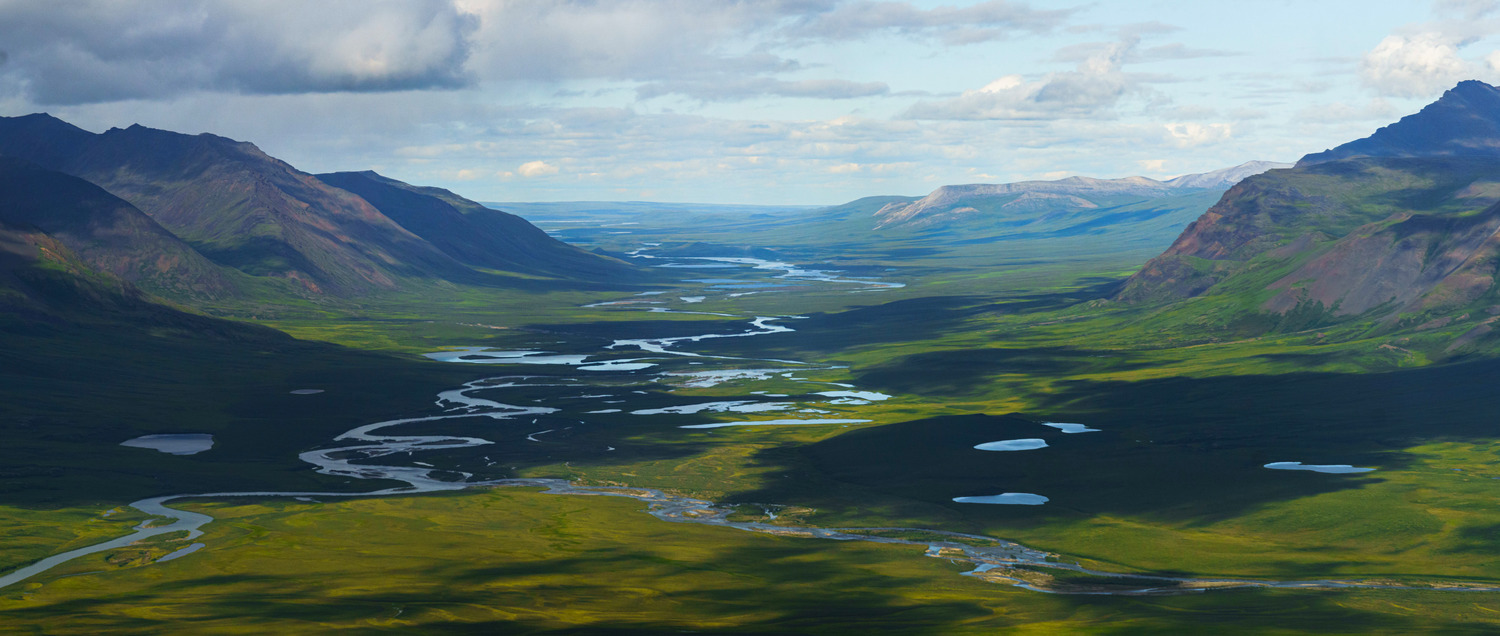
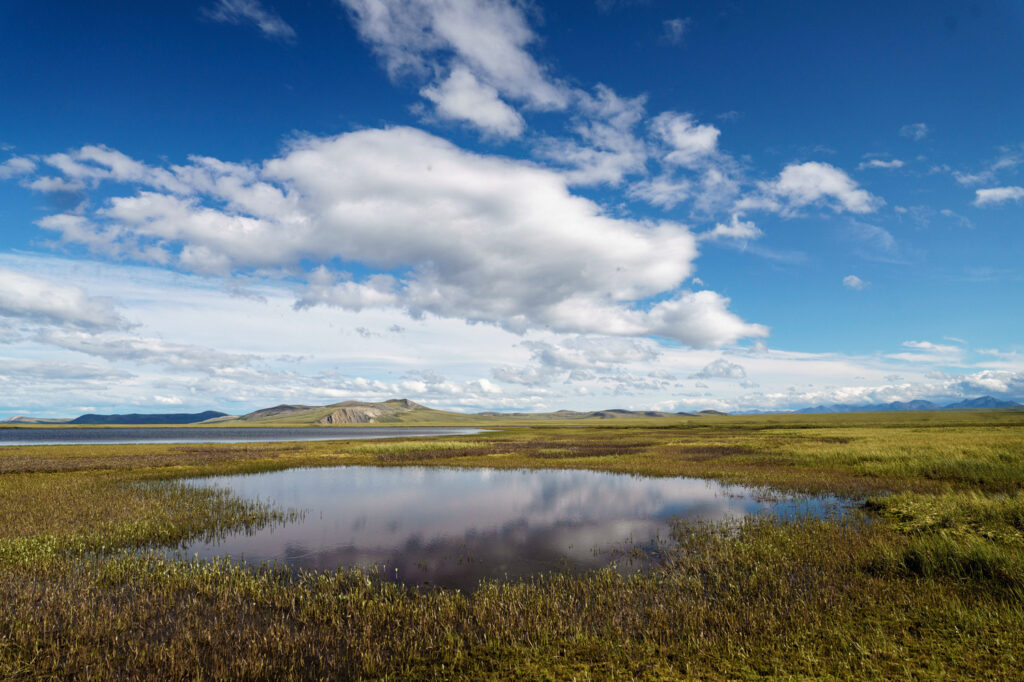
Despite its industrial name, the NPR-A is an ecological powerhouse. It is home to the Teshekpuk Lake wetlands, a region that has been recognized for decades as one of the most important habitats in the entire Arctic. The area serves as the primary calving ground for the Teshekpuk Lake caribou herd and provides critical molting habitat for hundreds of thousands of migratory waterfowl.
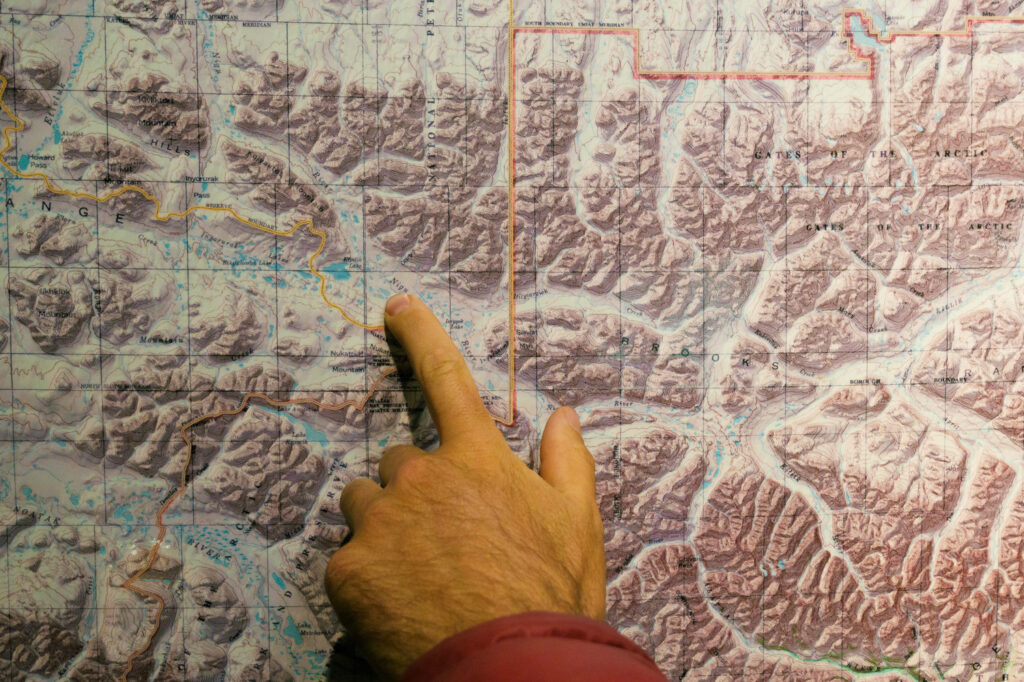
According to biological surveys, the NPR-A supports an estimated 5.4 million aquatic birds each season, representing a higher density of avian life than almost any other Arctic wetland on Earth. These birds migrate from six different continents and nearly every state in the U.S. to nest in the tundra. The interconnectedness of the landscape—stretching from the Brooks Range and the Gates of the Arctic National Park to the coastal plains—allows for the survival of half a million caribou and a robust population of grizzly bears and polar bears.
Unlike the contiguous United States, where wilderness is often fragmented by roads, fences, and urban development, the Western Arctic remains largely untrammeled. The region represents an intact ecosystem where natural processes occur without the constraints of human infrastructure. For conservationists, the NPR-A is not merely a resource deposit but the "last whole place" in the American wilderness, offering a rare opportunity to preserve an entire ecosystem before it is subdivided by industrial activity.
Economic Realities and the Cost of Extraction
The push for development is fueled by the significant energy potential buried beneath the permafrost. The United States Geological Survey (USGS) estimates that the Northern Alaska region may contain nearly half of all undiscovered, technically recoverable oil on federal lands in the country. Within the NPR-A specifically, estimates suggest the presence of nearly 900 million barrels of conventional oil.
However, the economic feasibility of extracting this oil remains a point of contention. Arctic oil is among the most expensive fossil fuels to develop in the United States due to the extreme climate, the lack of existing infrastructure, and the immense logistical challenges of operating in remote wilderness. Projects in the Western Arctic often require significant public subsidies and long-term capital horizons—often spanning thirty years or more—to reach a break-even point.
Critics of the leasing program argue that Arctic oil is not only ecologically inadvisable but also economically inefficient compared to domestic sources in the lower 48 states. They contend that federal dollars spent on guaranteeing the economics of Arctic drilling could be better invested in more sustainable or lower-cost energy projects. Furthermore, the volatility of global oil prices and the shifting production quotas of OPEC add a layer of financial risk to these long-term Alaskan investments.
The Convergence of Development Projects
The March 18th lease sale does not exist in a vacuum; it is part of a broader convergence of development pressures on Alaska’s North Slope. Several major projects are currently moving through various stages of approval and implementation:
- The Willow Project: A massive oil development by ConocoPhillips that is expected to produce an estimated 750 million barrels of oil over its lifetime. It is currently moving into its development phase.
- The Arctic National Wildlife Refuge (ANWR): Parallel lease sales have been proposed for the coastal plain of the refuge, which sits to the east of the NPR-A.
- The Ambler Road: A proposed 200-mile industrial access road designed to reach the Ambler Mining District. This road would cut through currently roadless areas, further fragmenting the landscape.
- State Land Sales: The State of Alaska, facing an anemic budget and a reliance on resource revenue, is moving to sell public land along existing road corridors.
While these projects are often reviewed as separate entities by federal and state regulators, environmental scientists argue they should be viewed as a singular, cumulative threat to the region’s integrity. Each road segment, drill pad, and pipeline adds to the fragmentation of the habitat, slowly eroding the resilience of the ecosystem.
Stakeholder Reactions and Political Uncertainty
The federal government’s decision to proceed with the NPR-A lease sales has drawn mixed reactions. Proponents, including many state officials and industry groups, argue that the sales are a legal requirement under the 1976 Act and are essential for maintaining the long-term viability of the Trans-Alaska Pipeline System (TAPS). They emphasize that responsible development can provide high-paying jobs and essential revenue for the state of Alaska.
In contrast, environmental organizations and indigenous groups have expressed deep concern over the opening of the Teshekpuk Lake region. They argue that the "petroleum reserve" designation is an antiquated label that fails to account for modern understandings of biodiversity and climate change. Organizations like Protect Our Winters (POW) have called for a shift in how the public perceives these lands, urging voters to view the Arctic as a critical component of a livable planet rather than a simple fuel depot.
A key factor in the future of the NPR-A is the uncertainty of the political landscape. Because oil projects require decades of planning, companies must weigh the current pro-development stance against the possibility of future administrations that may prioritize conservation. This political "uncertainty" is often baked into the financial calculations of oil companies, making the cost of investment even higher as they hedge against potential regulatory changes.
Analysis of Broader Impacts
The transformation of the Western Arctic from a wilderness into an industrial zone has implications that extend far beyond Alaska’s borders. The fragmentation of the NPR-A could signal the end of the "frontier" era in American history—the moment when the last large-scale, intact ecosystem is finally subjugated to the needs of industrial consumption.
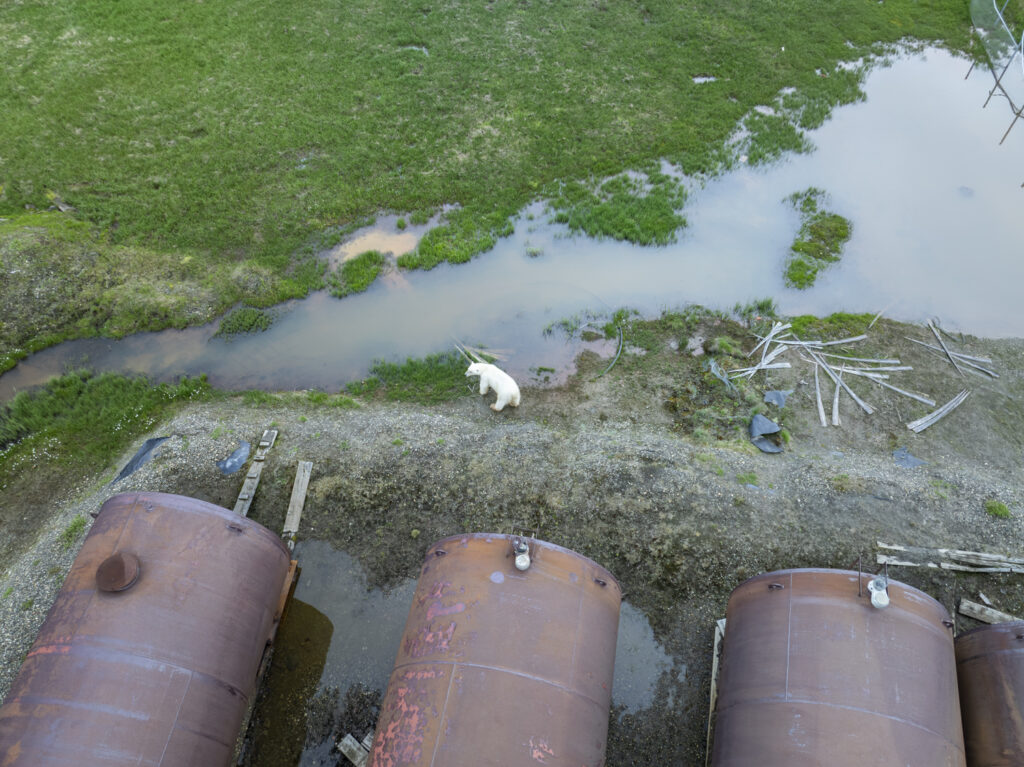
From a climate perspective, the development of the NPR-A represents a significant "carbon bomb." The extraction and eventual combustion of 900 million barrels of oil would contribute substantially to global greenhouse gas emissions at a time when international scientific bodies are calling for a rapid transition away from fossil fuels. Additionally, the infrastructure itself—roads and pipelines—can accelerate the melting of permafrost, leading to the release of methane, another potent greenhouse gas.
The "sticky name" given to the region by President Harding in 1923 has functioned as a legal scaffolding for development for over a century. However, as the March 18th sale demonstrates, names and political designations are human constructions. They do not reflect the geological or biological reality of the land, which remains a vital, interconnected system.
As the federal government proceeds with the remaining four mandated lease sales over the next decade, the fate of the Western Arctic will likely depend on a combination of legal challenges, market forces, and public advocacy. The current trajectory suggests a future of increased industrialization, but the inherent value of the "last whole place" continues to serve as a rallying point for those who believe that some landscapes are more valuable left alone than they are as "resource inputs." In the end, the battle for the NPR-A is a test of society’s ability to exercise restraint in the face of a final, dwindling frontier.

