
The 2025-2026 winter season across the Western United States has concluded as a historic anomaly, characterized by scientists and meteorologists as a "hot mess" that has fundamentally challenged traditional understanding of the region’s cryosphere. While precipitation levels across various states fluctuated near historical averages, an unprecedented surge in seasonal temperatures resulted in a catastrophic failure of the mountain snowpack. This phenomenon, which saw ski resorts opening and closing in erratic cycles and snow-off dates occurring months ahead of schedule, has raised urgent questions regarding the resilience of the West’s water infrastructure and the long-term viability of snow-dependent economies.
A Season of Thermal Extremes: The 2025-2026 Chronology
The 2025-2026 water year began with a deceptive sense of normalcy. As autumn transitioned into winter, meteorological models predicted a standard distribution of moisture. However, as the season progressed, the defining characteristic of the year became the absence of cold rather than the absence of moisture. The chronology of the winter reveals a series of missed milestones that left both recreational industries and municipal water planners in a state of escalating concern.
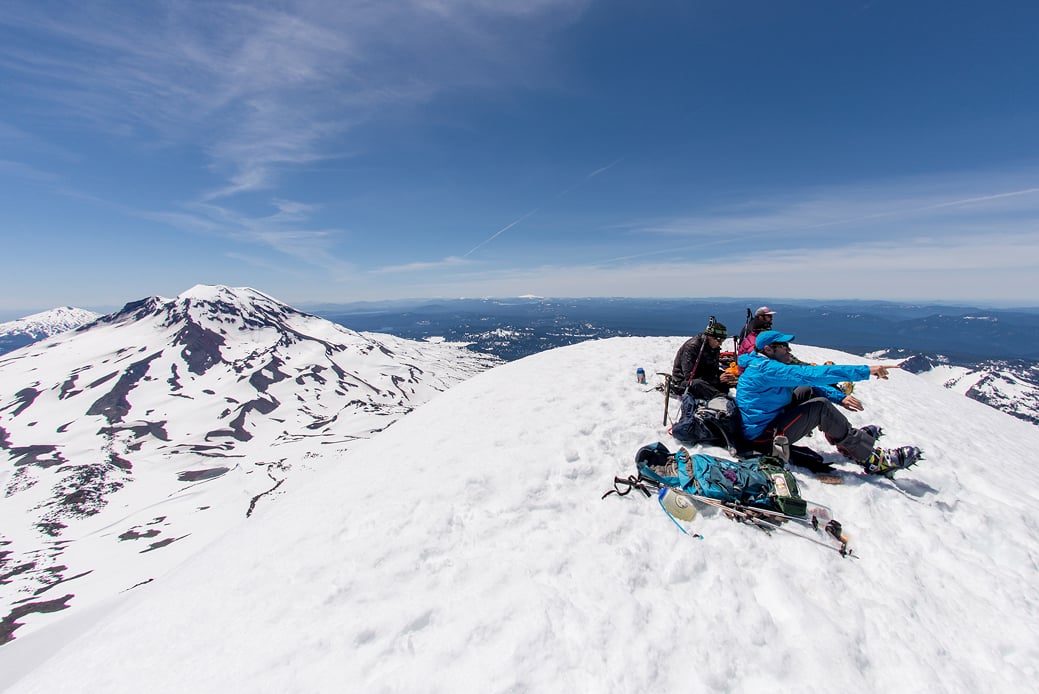
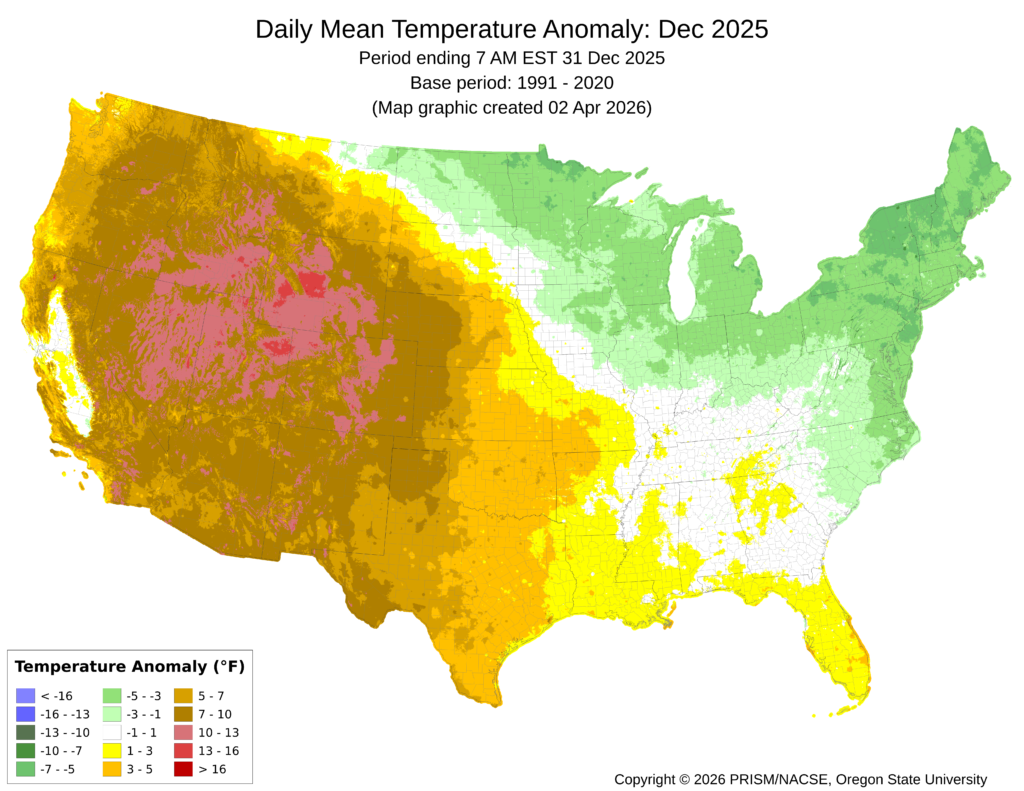
In a typical year, the "snow-building" phase begins in earnest in November, securing a base for the high-altitude regions of the Cascades, the Sierras, and the Rockies. In 2025, this phase was largely bypassed. By December, the situation transitioned from a slow start to what experts described as a "nightmare" for the industry. Temperature anomalies across the Western United States during the final month of the year were staggering, with vast swaths of the region recording temperatures 5 to 15 degrees Fahrenheit above the long-term average. This thermal surge meant that what should have been significant snow-loading events instead manifested as rain-on-snow events or high-elevation drizzle.
The traditional "goalposts" for the start of the winter season were repeatedly uprooted. Initial hopes for a robust New Year’s opening were dashed, followed by a failure of the Martin Luther King Jr. Day weekend to provide adequate coverage. By the time President’s Day arrived in February, many low-to-mid-elevation resorts were already facing the prospect of early closure. Ultimately, the "start" of the season for many areas was pushed back as far as spring break, by which point the window for meaningful snow accumulation had effectively closed.
The Precipitation-Temperature Paradox
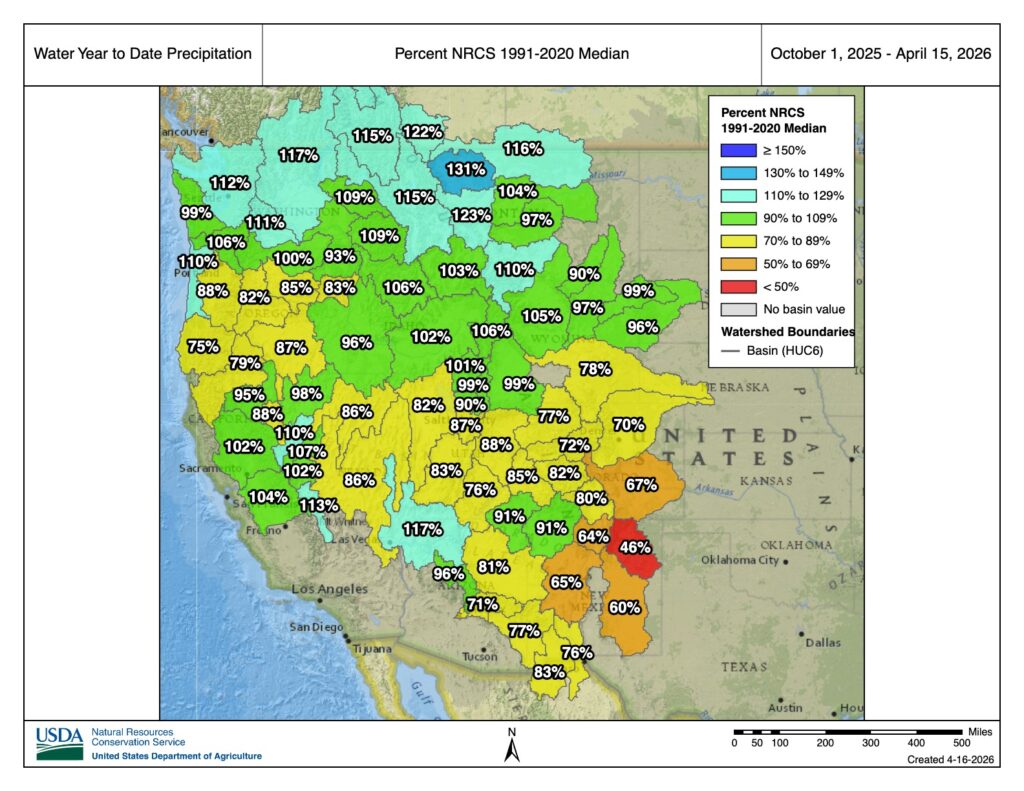
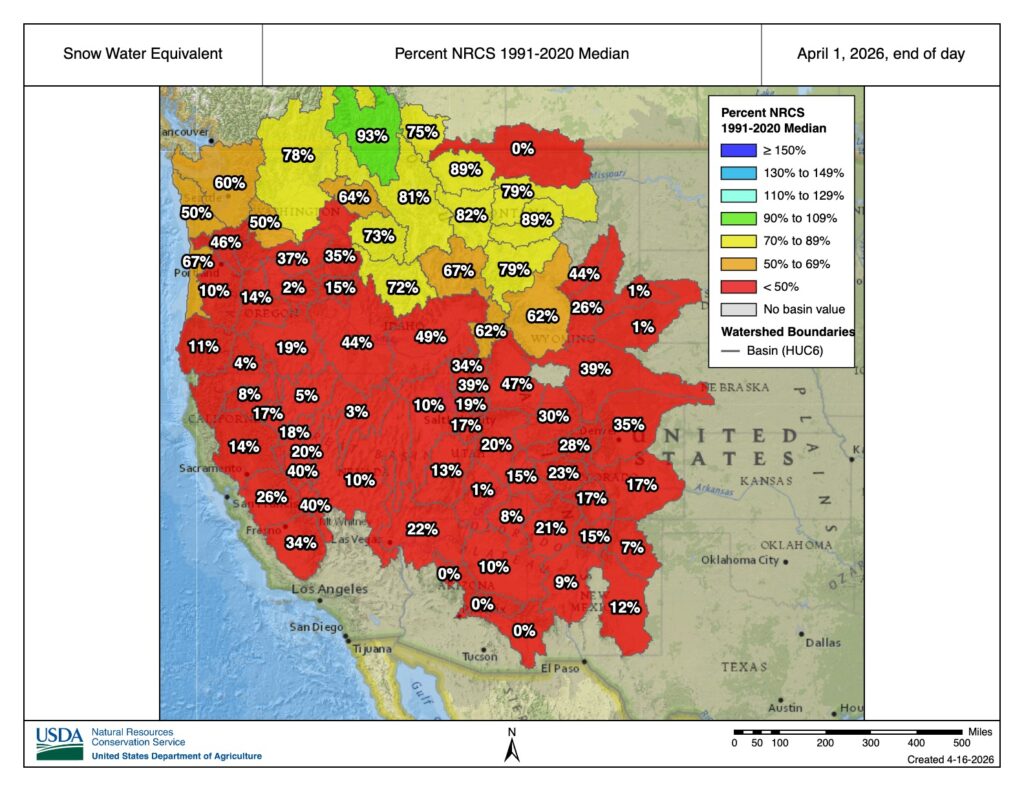
Analysis of data provided by the Natural Resources Conservation Service (NRCS) and the PRISM Climate Group highlights a striking paradox in the 2025-2026 season. When evaluating the "wet" component of the snow recipe—total precipitation—the year was not statistically disastrous. Northwest Wyoming, Montana, Idaho, and Washington actually trended slightly above average in terms of total moisture. Conversely, Oregon, Utah, and Colorado ran slightly dry, but within margins that would normally be manageable.
The "smoking gun" for the season’s failure was the thermal profile. The consistent warmth meant that the Snow Water Equivalent (SWE)—the measure of how much water is contained within the snowpack—was historically low. By April 1, a date widely used by hydrologists as the benchmark for peak snowpack, SWE values across the West were a tiny fraction of their long-term averages. In many observation stations, the 2026 peak values were the lowest recorded in 45 years.
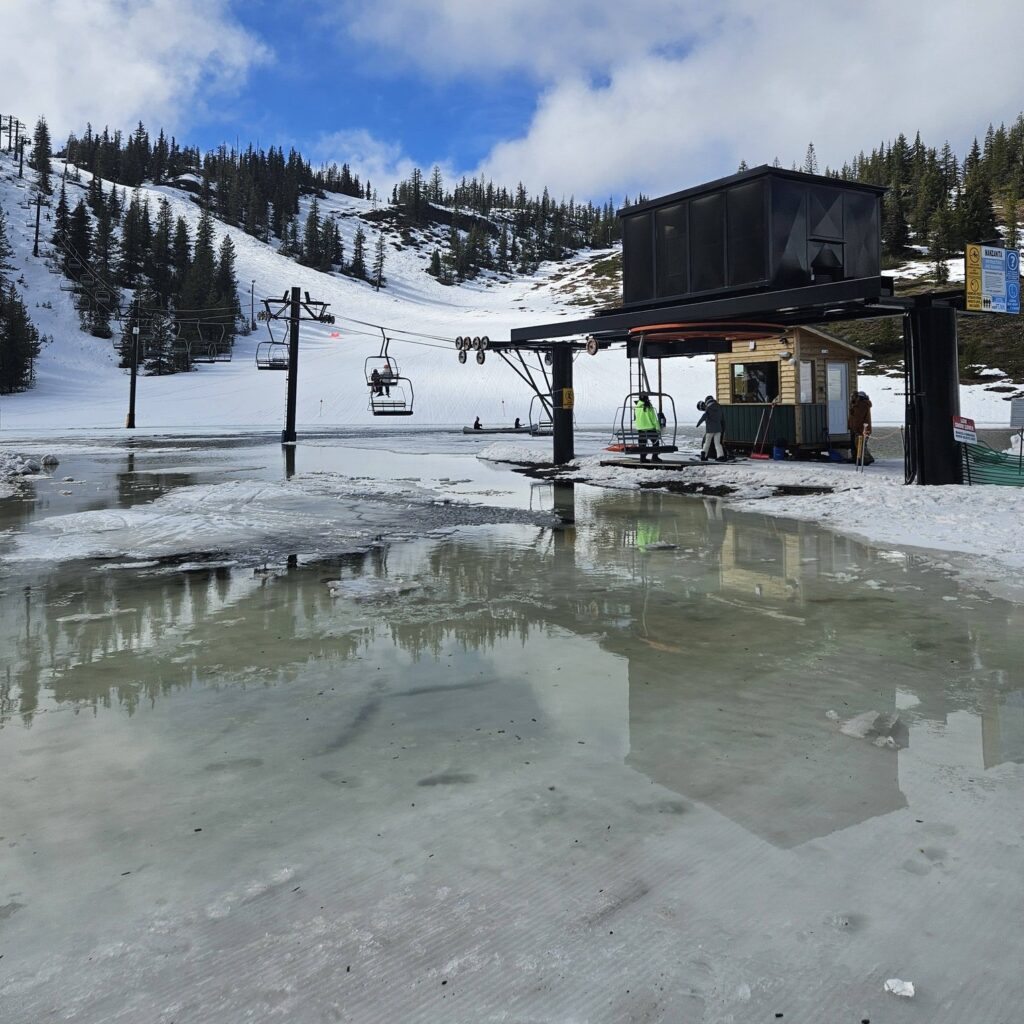
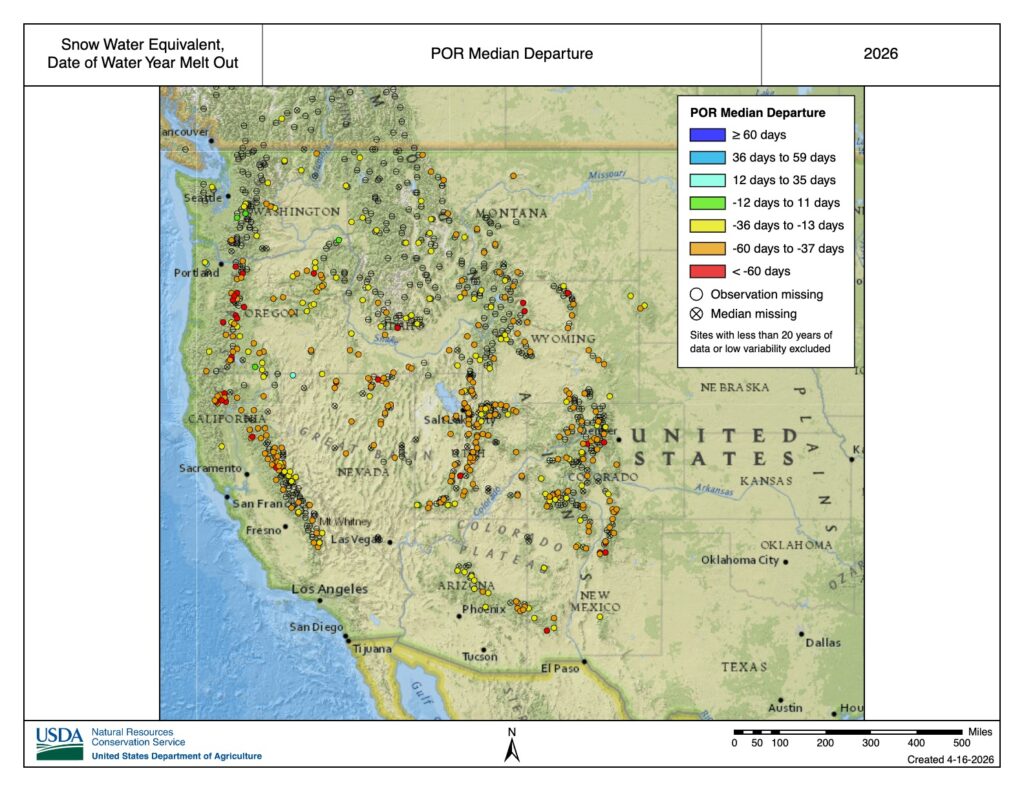
The most visible impact of this temperature-moisture mismatch was the "melt-out" date. In a standard cycle, mountain snow lingers well into the summer, providing a steady "drip-feed" of cold water into river systems. In 2026, many stations recorded "snow-off" dates not just weeks, but months early. By mid-April, mountains that should have been white were already showing the brown and green of early summer, a visual testament to the vanishing snow reservoir.
Snow as a Natural Infrastructure: The Hydrological Impact
To understand the gravity of a poor snow year, one must view snow not merely as a recreational asset but as the most significant water storage infrastructure in the United States. While the Earth is often called the "Blue Planet," the reality of water scarcity is stark. If all the water on Earth were gathered into a single sphere, its diameter would be only 40% of the moon’s diameter. Furthermore, less than one-hundredth of one percent of that water is accessible and fresh enough to support human life and agriculture.
The Western United States relies on a sophisticated network of man-made infrastructure—canals, aqueducts, and surface reservoirs like Lake Mead—to bridge the gap between winter supply and summer demand. However, the seasonal snowpack acts as a "distributed reservoir" that holds back massive volumes of water without the environmental footprint of a concrete dam.
At its peak, the water stored in the snowpack of the contiguous United States is estimated to be five times the capacity of Lake Mead at full pool. When this snowpack fails to materialize or melts prematurely, the insurance policy for the region’s water supply is effectively canceled. The early melt-out observed in 2026 poses two primary threats to the hydrological cycle:
- Increased Flooding Risk: When precipitation falls as rain rather than snow, or when a shallow snowpack melts rapidly in early spring, the volume of water can overwhelm river channels, leading to "flashy" runoff events and downstream flooding.
- Summer Scarcity: Without the slow release of snowmelt, stream levels drop precipitously in July and August. This leads to higher stream temperatures, which are lethal to many aquatic species, including salmon and trout, and reduces the water available for irrigation and municipal use.
The Colorado River Basin and the Limits of Resilience
The 2025-2026 season has added further strain to the already embattled Colorado River Basin. Years of consecutive dry conditions and rising temperatures have led to a steady decline in the elevations of Lake Mead and Lake Powell. The record-low snowpack of 2026 has accelerated the urgency of conversations regarding water allocation among the "Seven Basin States" (California, Arizona, Nevada, Colorado, New Mexico, Utah, and Wyoming).
Municipalities and agricultural interests in both the Upper and Lower Basins are facing a future where the "superpower" of snow can no longer be taken for granted. The Lake Mead reservoir, which serves as a critical barometer for the health of the Southwest’s water supply, has seen its surface elevation drop to levels that threaten hydroelectric power generation and trigger mandatory delivery cuts. The 2026 season serves as a stark reminder that even a "decent" precipitation year cannot save the basin if the temperatures are too high to allow for snow accumulation.
Economic and Environmental Implications
The economic fallout of the "hot mess" season is being felt most acutely in the outdoor recreation sector. Ski resort operators, who have invested billions in snowmaking technology, found that even the most advanced systems have a physical limit: they require cold air to function. The repeated pausing of operations and early closures have resulted in significant revenue losses for mountain towns, affecting everything from hospitality to local retail.
Environmentally, the early loss of snowpack sets the stage for a more volatile wildfire season. The "snow-off" dates occurring months early mean that mountain fuels—timber, brush, and grasses—begin drying out much sooner than usual. By the time the peak heat of July and August arrives, the landscape is primed for ignition, extending the duration and intensity of the fire season.
Furthermore, the loss of "cool stream temperatures" provided by late-season snowmelt creates a cascading effect through the ecosystem. Aquatic insects, the base of the food chain for many river systems, are sensitive to temperature changes, and their decline can impact bird and fish populations throughout the region.
Long-Term Trends vs. Interannual Variability
While the 2025-2026 season was exceptionally poor, scientists caution against viewing it in isolation. The history of the Western snowpack is one of "feast or famine" or "boom or bust." Data from the Hogg Pass SNOTEL site in Oregon, for example, illustrates massive variations from one year to the next. A lean year can be followed by a record-breaking winter, as seen in previous decades.
However, the long-term trend is unmistakable. While the "boom" years still occur, the "bust" years are becoming more frequent and more severe. The baseline is shifting. The 2025-2026 season is a glimpse into a future where "winter" is increasingly defined by its warmth rather than its white landscapes.
Dr. David Hill, a professor at Oregon State University and a National Geographic Explorer who has studied water behavior for over 25 years, emphasizes that while the public may feel disappointment or grief over a lost ski season, the deeper concern should be the elemental role of cold. Snow and cold are not just amenities for recreation; they are essential regulators of the North American climate and water cycle.
Conclusion: The Glass Half Full
As the Western United States moves into a summer likely to be defined by water restrictions and wildfire concerns, the reflection on the 2025-2026 winter remains one of missed opportunities and climate warnings. The season demonstrated that precipitation alone is an insufficient metric for regional health; the "cold" component of the recipe is the silent partner that makes the entire system function.
The "glass half full" perspective offered by some climatologists suggests that these extreme years serve as necessary catalysts for policy change. The failures of the 2026 snowpack are driving innovation in water conservation, better forest management practices to protect remaining snow, and a more nuanced understanding of how to manage the "natural reservoir" of the mountains. Whether next year brings a return to "big winter" or another "hot mess," the lessons of 2025-2026 have fundamentally altered the landscape of Western water management.

