
The Midwest, often recognized for its rolling hills and charming ski areas, is poised for a significant upgrade in its winter recreation infrastructure. As the 2025-26 ski season draws to a close and preparations for the upcoming 2026-27 season commence, five distinct ski resorts across the region are set to unveil a total of five new lift installations. These upgrades, ranging from modern fixed-grip chairlifts to a vital rope tow, represent a substantial investment in enhancing the guest experience, improving operational efficiency, and expanding access to terrain for skiers and snowboarders throughout the heartland. This influx of new lifts signals a commitment to the long-term vitality of snow sports in states like Wisconsin, Michigan, and Illinois, aiming to reduce wait times, provide more efficient circulation, and unlock new possibilities for mountain exploration.
A Region Focused on Improvement: Midwest Skiers Leads the Charge
The announcement of these five new lifts follows a period of relatively modest lift modernization across North America. However, the Midwest appears to be bucking this trend, with several of its beloved ski areas undertaking ambitious projects. The comprehensive breakdown of these developments was initially reported by Midwest Skiers, a dedicated platform focused on snow sports in the region. Their detailed analysis highlights the specific resorts involved and the anticipated benefits of each new installation. These upgrades are not merely cosmetic; they are strategic enhancements designed to address capacity issues, improve accessibility, and ultimately, deliver a superior skiing and snowboarding experience.
Little Switzerland: Doubling Down on Capacity and Efficiency
One of the most significant transformations is underway at Little Switzerland in Slinger, Wisconsin. Historically known for its innovative, albeit unique, "up-and-over" chairlift – believed to be the first of its kind on the continent – the resort is undertaking a complete modernization of its lift system. This iconic, single-lift operation is being replaced by two separate quad chairlifts. This strategic decision is projected to dramatically increase uphill capacity, a crucial factor in alleviating lift lines, particularly during peak periods. The elimination of the "over-and-out" system will also streamline the unloading process at the summit, ensuring a smoother transition for guests. Furthermore, the new lift configuration is designed to provide more direct and convenient access to various terrain pods, allowing skiers and riders to spend more time on the slopes and less time waiting. This dual-lift approach represents a forward-thinking strategy to accommodate growing visitor numbers and enhance the overall flow of the mountain.
Marquette Mountain: A Modern Triple Chair for Enhanced Access
Marquette Mountain, nestled in the Upper Peninsula of Michigan, is also investing in its future with the replacement of its existing Rocket chair, a Riblet double, with a brand-new Doppelmayr fixed-grip triple chairlift. The new lift’s alignment will commence near the main chalet, offering a more accessible starting point for many visitors. It will conclude slightly to the looker’s right of its predecessor, a subtle yet significant change that will grant easier access to a broader spectrum of terrain. This strategic repositioning is expected to open up previously less accessible areas, providing seasoned skiers and snowboarders with new challenges and opportunities to explore the mountain’s diverse offerings. The upgrade from a double to a triple chair also represents a considerable increase in uphill capacity, further contributing to a more efficient and enjoyable day on the mountain.

Nub’s Nob: Upgrading to a Quad for Increased Throughput
In Harbor Springs, Michigan, Nub’s Nob is set to retire its familiar Orange chairlift, replacing it with a new, equally orange-hued lift that promises enhanced performance. The resort is upgrading from a SkyTrac fixed-grip triple to a SkyTrac fixed-grip quad chairlift. While the alignment will remain largely the same to preserve the established ski routes, modifications have been made to optimize loading and unloading procedures. This transition to a quad chair signifies a commitment to increasing throughput and reducing wait times, particularly for the popular runs served by this lift. Nub’s Nob has long been celebrated for its meticulously groomed slopes and its family-friendly atmosphere. This lift upgrade aligns with their dedication to providing a top-tier skiing experience by improving the efficiency of mountain access.
Lutsen Mountains: Addressing Connectivity with a Rope Tow and Shuttle Service
Lutsen Mountains, the largest ski resort in the Midwest, located in Minnesota, is implementing a creative solution to address persistent connectivity issues, particularly concerning access to Moose Mountain. In recent years, the washing out of a bridge on the Moose Return ski trail has created logistical challenges. During periods of high winds, guests could reach Moose Mountain but faced difficulties returning to the base area without considerable effort, especially if key lifts were non-operational. While snowcat transportation has been employed as a temporary measure, it has proven to be an inconvenient and less-than-ideal solution. The resort’s new plan involves a two-pronged approach: a shuttle service will be provided to facilitate access to Moose Mountain, and a newly installed rope tow will enable guests to efficiently return to the base area. This rope tow will also serve the Timberjack terrain park, adding a specialized feature that caters to the park-riding community and further diversifies the resort’s offerings. This innovative approach demonstrates Lutsen Mountains’ dedication to overcoming geographical challenges and ensuring seamless access for all its visitors.
The Broader Context: Investment in Regional Winter Tourism
These five lift installations collectively represent a significant capital investment in the Midwest’s winter recreation sector. Ski resorts are vital economic engines for their respective communities, generating revenue through lift tickets, rentals, food and beverage, and lodging. By enhancing their infrastructure, these resorts are not only improving the experience for current patrons but also positioning themselves to attract new visitors and retain existing ones. The timing of these upgrades, with a focus on the 2026-27 season, suggests a proactive approach to preparing for future demand and maintaining a competitive edge in the broader North American ski market.
Data and Implications: Enhancing Throughput and Experience
The introduction of new chairlifts directly impacts a resort’s uphill capacity, often measured in skiers per hour (SPH). While specific SPH figures for each new lift were not detailed in the initial report, the transition from double to triple chairs, and from triples to quads, invariably leads to increased capacity. For instance, a modern fixed-grip quad chairlift can typically transport between 1,800 and 3,000 SPH, whereas a double chair might manage around 600 to 1,200 SPH. This substantial increase translates to shorter wait times, allowing skiers and snowboarders to maximize their time on the snow.
Beyond capacity, the strategic placement of new lifts, as seen at Marquette Mountain, can unlock previously underutilized terrain, providing more variety and challenge for advanced riders. At Little Switzerland, the move away from a unique but potentially inefficient system to two modern lifts addresses both capacity and circulation, promising a more fluid and enjoyable mountain experience.
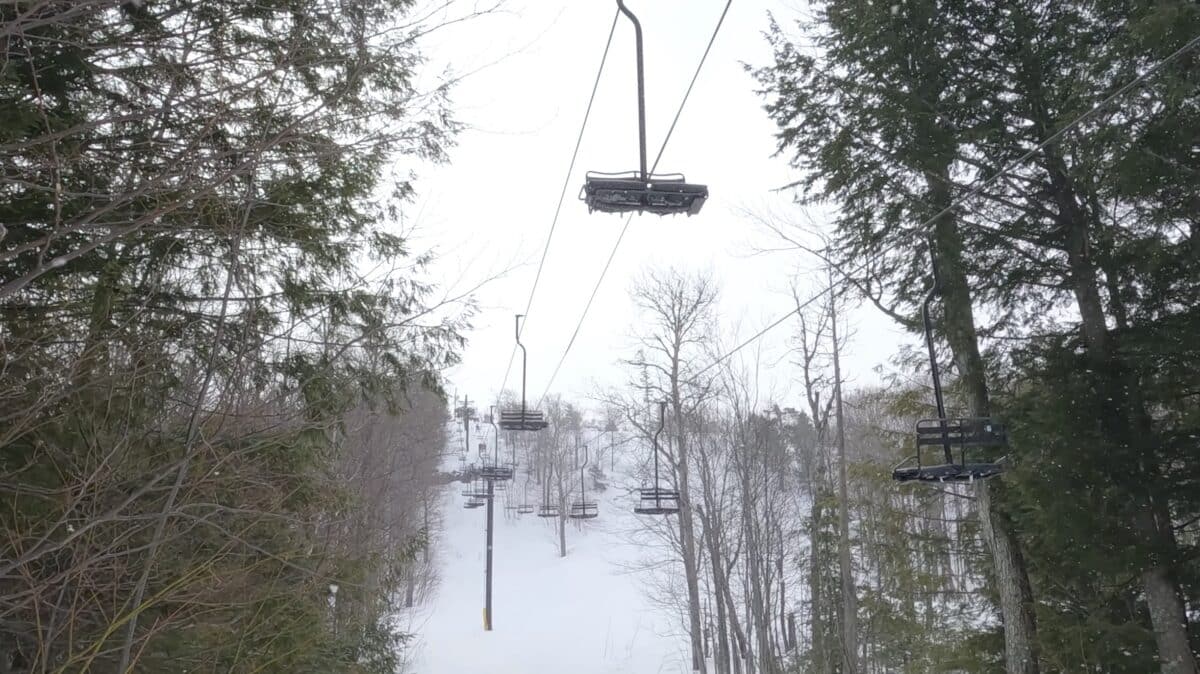
The connectivity solution at Lutsen Mountains, while not a high-speed gondola, is a practical and cost-effective response to a specific geographical challenge. The rope tow, a simpler form of lift technology, is well-suited for shorter distances and can be particularly effective in areas with consistent snow cover. The integration of a shuttle service further demonstrates a commitment to accessibility, acknowledging that modern skiers expect seamless transitions between different areas of a large resort.
Industry Trends and Future Outlook
The trend towards modern, efficient lift systems is a global one in the ski industry. While the Midwest might not boast the extreme vertical drops of the Rockies or the vast acreage of the West, its resorts are demonstrating a strong commitment to providing high-quality experiences. These investments in infrastructure are crucial for retaining a loyal customer base and for attracting new generations of skiers and snowboarders.
The success of these upcoming lift installations will likely be measured not only by their operational efficiency but also by their impact on skier satisfaction and resort revenue. As these five new lifts begin to spin next winter, they will undoubtedly become focal points for winter enthusiasts across the Midwest, signaling a bright and improved future for snow sports in the region. The collective effort by these resorts to modernize their operations underscores the enduring appeal of skiing and snowboarding and the ongoing dedication to enhancing the mountain experience for all.

