
The Junior World Orienteering Championships (JWOC) in Karlskrona, Sweden, delivered a stark reality check for the Norwegian contingent in the long-distance event. While the picturesque landscapes of Blekinge presented a challenging and technical course, the Norwegian junior athletes found themselves largely outpaced by international competition, struggling to secure top positions. The results painted a clear picture of the gap that currently exists between Norwegian junior performance and the leading nations in this demanding discipline.
Dominant Performances from International Stars
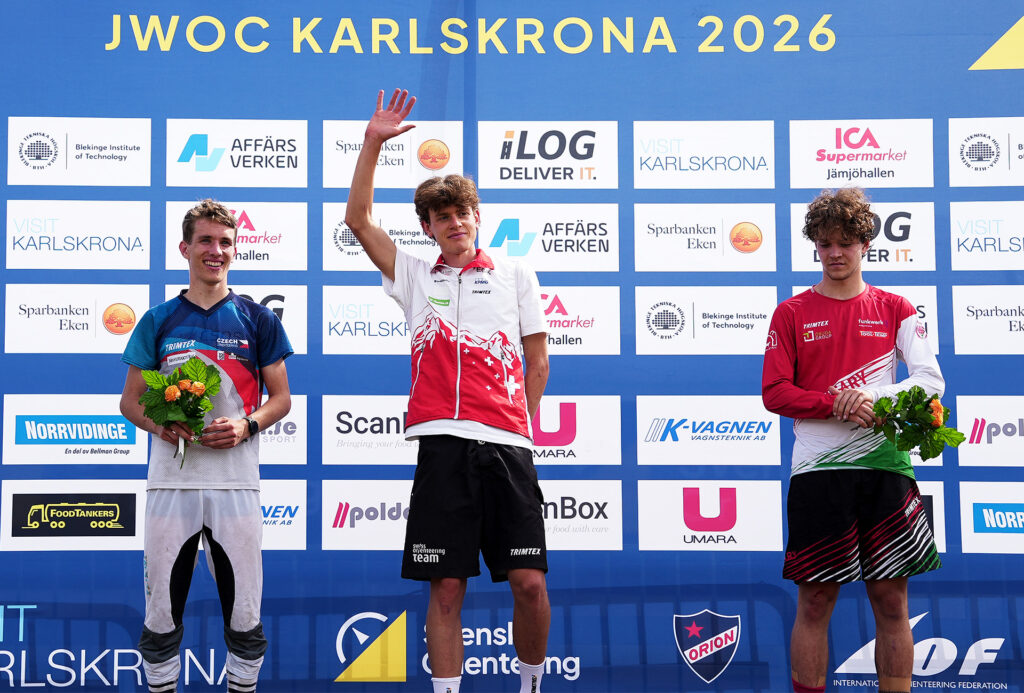
The men’s long distance saw a clear hierarchy established, with Swiss powerhouse Matthieu Bührer reaffirming his status as a dominant force in junior orienteering. Bührer, already a favorite heading into the championships, delivered a near-flawless performance, clocking a time that placed him over two minutes ahead of his nearest competitors. This victory marked his third gold medal of the championship week, underscoring his exceptional form and preparedness. His consistent execution across different disciplines — sprint, middle, and now long distance — positions him as a standout talent with a bright future in senior international orienteering.
The battle for the silver and bronze medals in the men’s race was equally compelling. Czech runner Vladimir Srb secured the second spot, finishing two minutes behind Bührer. He was closely followed by Marton Csoboth of Hungary, last year’s middle-distance champion, who claimed the bronze medal. Notably, Srb and Csoboth, running with later start numbers, appeared to benefit from each other’s pace, a strategic advantage in long-distance races where maintaining a high tempo is crucial. This collaborative effort highlights the tactical nuances of the sport and the importance of smart race execution.
The performance of the Finnish team, despite having multiple athletes in the top 10 and top 15, was a point of reflection. While they showcased depth, they narrowly missed out on individual medals, a situation that will likely spur further analysis and strategic adjustments. Similarly, the Czech Republic demonstrated significant strength, with three runners in the top ten, indicating their growing prowess and potential to challenge Switzerland in upcoming relay events.
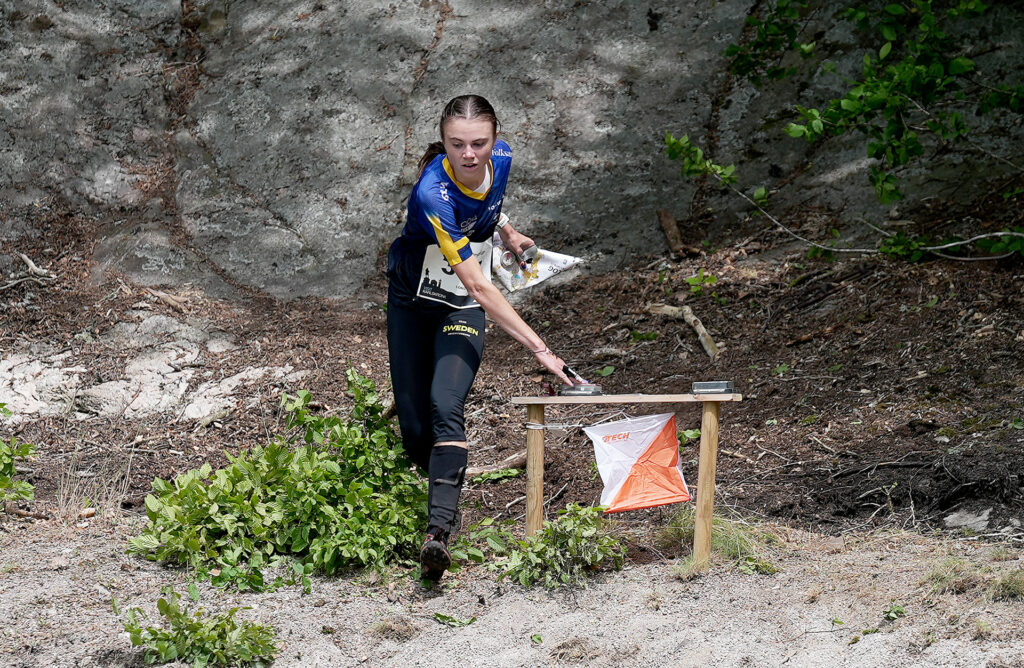
In the women’s long distance, the competition was equally fierce, with Sweden’s Freja Hjerne successfully defending her title from the previous year. Hjerne’s victory in the long distance, coupled with her earlier triumph in the sprint, cemented her as one of the championships’ most successful athletes. Her performance showcased a remarkable blend of speed, navigation, and endurance.
The silver medal went to Janka Mikes of Hungary, a rising star who has quickly made a name for herself in junior orienteering. Her silver medal finish is a testament to Hungary’s growing strength in the sport, building on the success of previous junior talents. The bronze medal was secured by Fanny Delahaye of France, who added to her strong showing after narrowly missing a medal in the sprint. Her determined effort in the closing stages, fending off a strong challenge from Viktorie Skachova of the Czech Republic, demonstrated her resilience and competitive spirit.
Norwegian Juniors’ Challenging Day
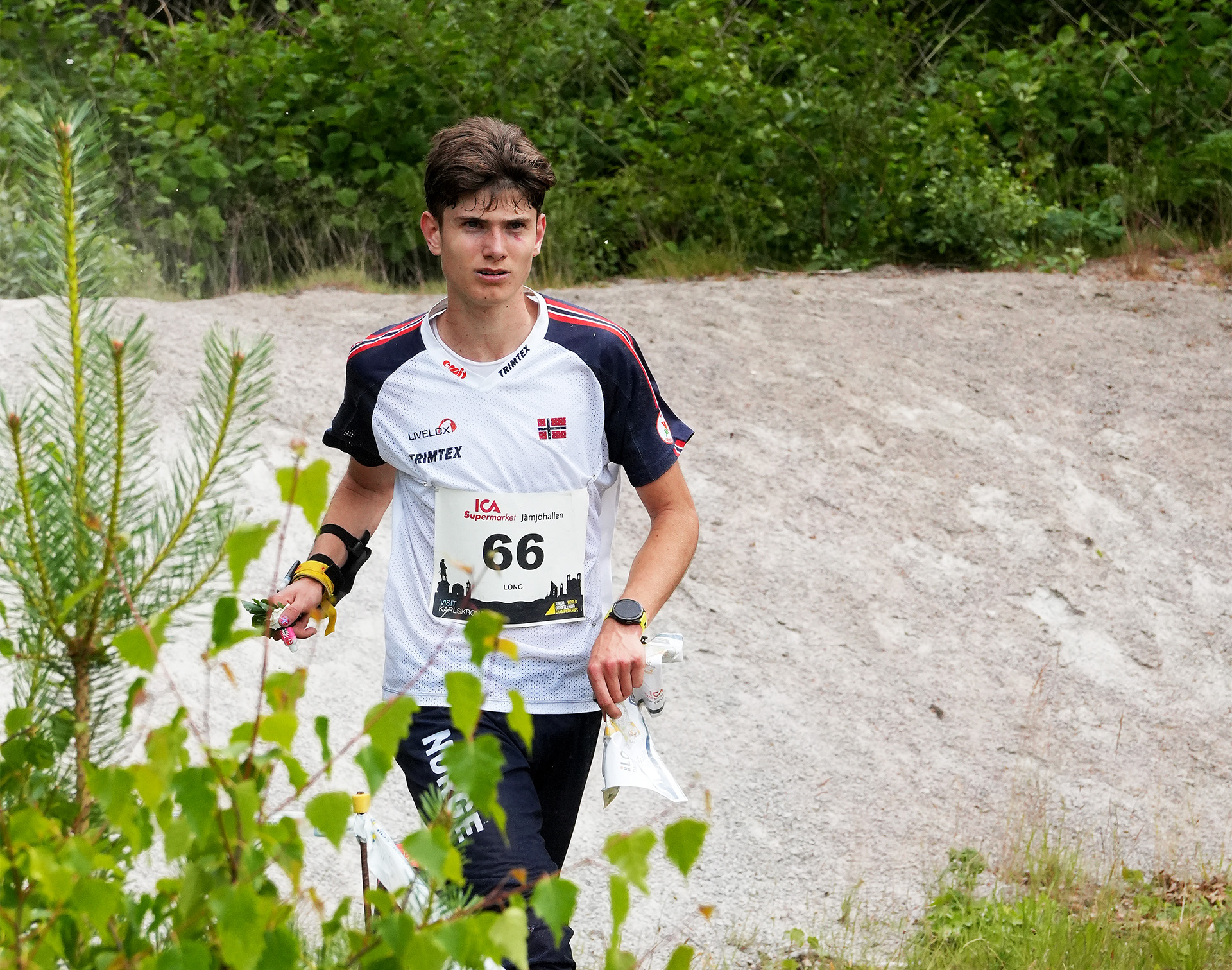
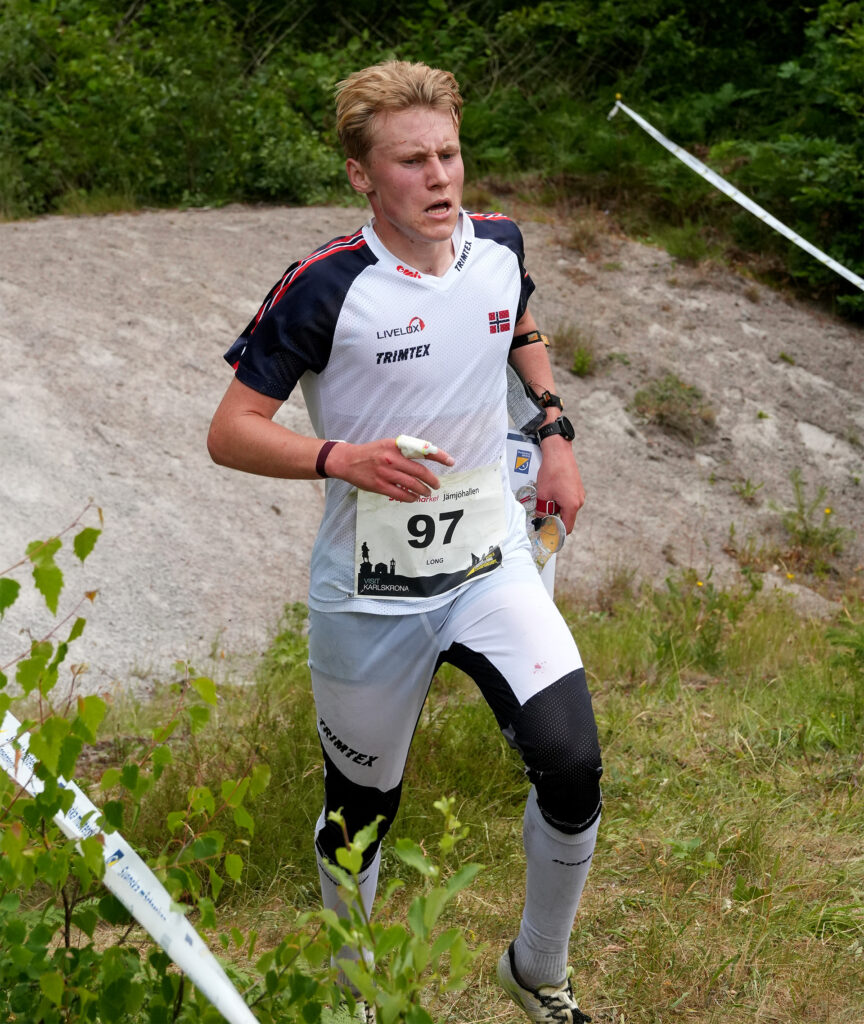
For the Norwegian junior team, the long-distance race proved to be a significant hurdle. In the men’s competition, the results were a stark reflection of the challenges faced. The top Norwegian finisher, Karl Oraug Rygh from Nydalen, who was making his JWOC debut, secured 31st place. He finished an astonishing 17 minutes behind the victorious Matthieu Bührer, a margin that highlights the considerable gap in performance. The overall men’s results for Norway included placings of 31st, 43rd, and 71st, with two disqualifications and oneDNS (Did Not Start), painting a somber picture of the team’s overall performance on the day.
The women’s long distance presented a slightly more promising, though still challenging, scenario for Norway. Minna Wingstedt from Halden delivered the team’s best performance, finishing in 8th place. Wingstedt showed early promise, running among the top three for a significant portion of the race. However, as the race progressed and the top contenders accelerated, she ultimately fell back to 8th, finishing just under 11 minutes behind the winner, Freja Hjerne. Her performance was described as "clearly approved" given the challenging competition, but it also underscored the significant time difference to the medalists.
Elise Renard of Kongsberg secured 12th place, finishing three minutes behind Wingstedt. Renard’s race also offered insights into the competitive dynamics. She started just two minutes ahead of the eventual winner, Freja Hjerne, and was quickly caught. While Renard had the opportunity to run with Hjerne, she ultimately had to let the Swedish favorite go, a decision that likely impacted her final placement.
Other Norwegian female athletes finished in 33rd, 41st, and 51st positions, with one disqualification. These results, while showing participation, reinforce the sentiment of being outpaced by the leading nations.
Course Characteristics and Technical Demands
The long-distance course, set in the varied and technically demanding terrain of Blekinge, presented significant challenges to all competitors. The terrain featured a mix of forest types, open areas, and marshlands, requiring precise navigation and efficient route choices. The orienteering techniques tested included contour interpretation, precise bearing navigation through dense forest, and quick decision-making in open areas. The challenging nature of the course meant that even minor navigational errors or lapses in concentration could lead to substantial time losses.
The continental runners, in particular, demonstrated their adaptability and skill on this type of terrain. Their ability to read the map, understand the nuances of the terrain, and execute their plans under pressure was a key factor in their success. This suggests that the training and competition environments in these nations are effectively preparing their athletes for the demands of international junior orienteering.
Background and Context of the Event
The Junior World Orienteering Championships are the pinnacle of international competition for athletes under the age of 20. Held annually, these championships serve as a crucial stepping stone for aspiring orienteers aiming to progress to senior elite levels. The event typically features a full program of disciplines, including sprint, middle distance, long distance, and relays, each testing different aspects of an athlete’s skillset.
Karlskrona, Sweden, hosted the 2026 edition of the JWOC, a region known for its challenging orienteering terrain and its strong tradition in the sport. The championships attract hundreds of young athletes from dozens of nations, all vying for individual and team glory. For many, it represents the culmination of years of dedicated training and development.
The long-distance event, in particular, is often considered the ultimate test of an orienteer’s endurance, navigational prowess, and mental fortitude. Competitors are required to navigate a lengthy course, often covering significant distances over varied terrain, demanding sustained focus and strategic decision-making over an extended period.
Analysis of Implications
The stark results for the Norwegian junior team in the long-distance event raise important questions about the current state of junior orienteering development in Norway. While Norway has a rich history of success in senior orienteering, particularly in ski-orienteering and trail orienteering, its standing in the traditional forest orienteering disciplines at the junior level appears to be facing a significant challenge.
The substantial time differences recorded in Karlskrona suggest that the technical and physical preparation of Norwegian juniors may not be fully aligned with that of the leading nations. This could be attributed to various factors, including differences in training methodologies, competition intensity at the junior level, or the availability of high-quality training terrains and coaching.
The performance of the top continental nations, such as Switzerland, Czech Republic, Hungary, and Sweden, indicates a robust and effective development pipeline. Their consistent medal hauls and the depth of talent displayed suggest a well-structured approach to nurturing young orienteers from an early age.
For Norway, this JWOC long-distance result serves as a critical juncture. It highlights the need for a thorough review of junior development programs, potentially involving:
- Increased focus on technical orienteering skills: Ensuring that junior athletes are exposed to and proficient in the most demanding navigational techniques relevant to international competition.
- Enhanced physical conditioning: Verifying that training regimes adequately prepare athletes for the sustained physical demands of long-distance races.
- Strategic competition planning: Ensuring that junior athletes have access to sufficient high-level international competition prior to JWOC.
- Knowledge sharing and best practice adoption: Learning from the successful development models of leading nations.
Looking Ahead: Remaining Opportunities
Despite the challenging long-distance race, the Norwegian junior team still has opportunities to achieve success in the remaining events of the JWOC. The middle distance and the forest relays are scheduled to take place, offering avenues for redemption and the chance to showcase their potential.
The middle distance, often a more tactical race with shorter distances and more complex control sequences, could be an area where Norwegian athletes might find more success, depending on their strengths. The forest relays, a team-based event, will require strong collective performance and seamless coordination between teammates.
The success of the Norwegian team in these upcoming events will be closely watched, as it will provide further insight into their ability to adapt and perform under pressure. The experience gained at this JWOC, however difficult, is invaluable for the development of these young athletes and will undoubtedly shape their future trajectories in the sport.
The championships also offer live streaming of the remaining events, allowing fans to follow the action and witness the ongoing developments in junior orienteering. The continued support and analysis of these junior competitions are vital for the growth and evolution of the sport globally.
The full results from the JWOC Karlskrona can be found on the official eventor.orienteering.sport platform, providing detailed insights into each athlete’s performance and the competitive landscape.

