
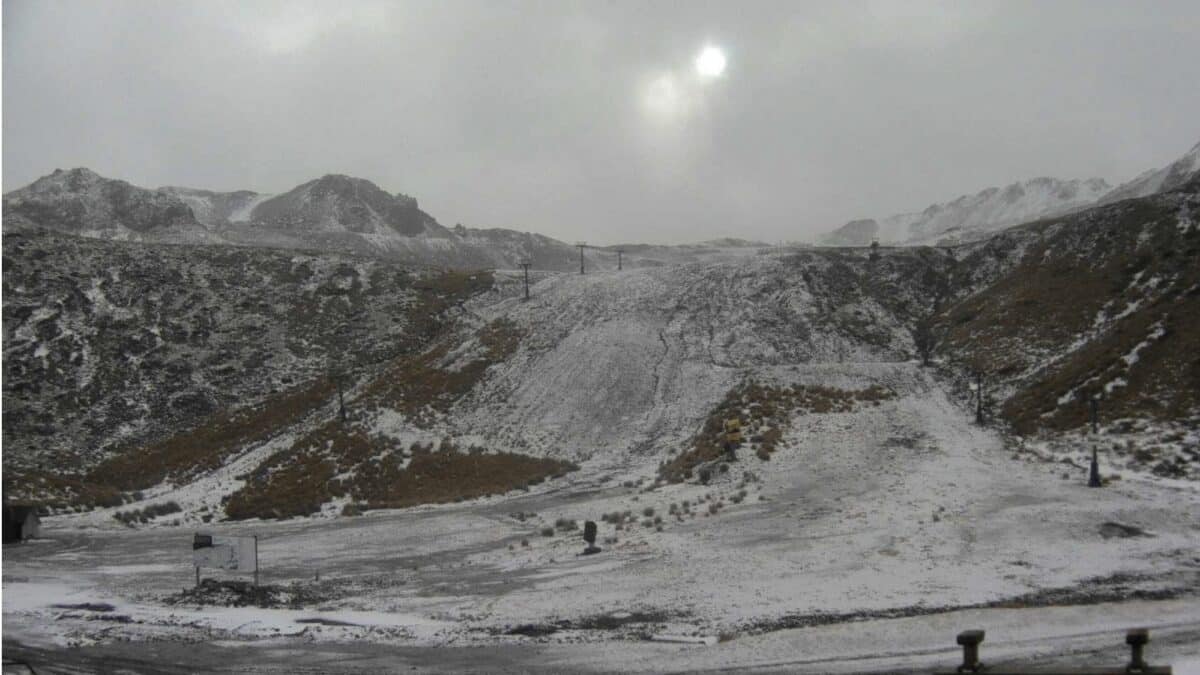
New Zealand’s club-owned ski fields are facing a critical juncture this upcoming season, with Rainbow Ski Area implementing a significantly altered operating strategy in response to the persistent challenges posed by inconsistent natural snowfall and volatile weather patterns. Last year, the resort was unable to open at all, a stark consequence of receiving a mere 29 centimeters of natural snow, a figure that proved insufficient even with snowmaking capabilities. This difficult period has prompted a strategic re-evaluation, leading to a revised operational model designed to ensure the long-term viability of the beloved ski area.
A Strategic Shift for Sustainability
The decision to modify its operational approach was formally announced by Rainbow Ski Area last month, outlining a plan to operate primarily on weekends, from Saturday to Sunday, contingent on favorable weather conditions. While the possibility of extending operations to select midweek days exists, it remains dependent on the prevailing climate. This represents a considerable departure from previous seasons, where a full seven-day-a-week schedule was the norm.
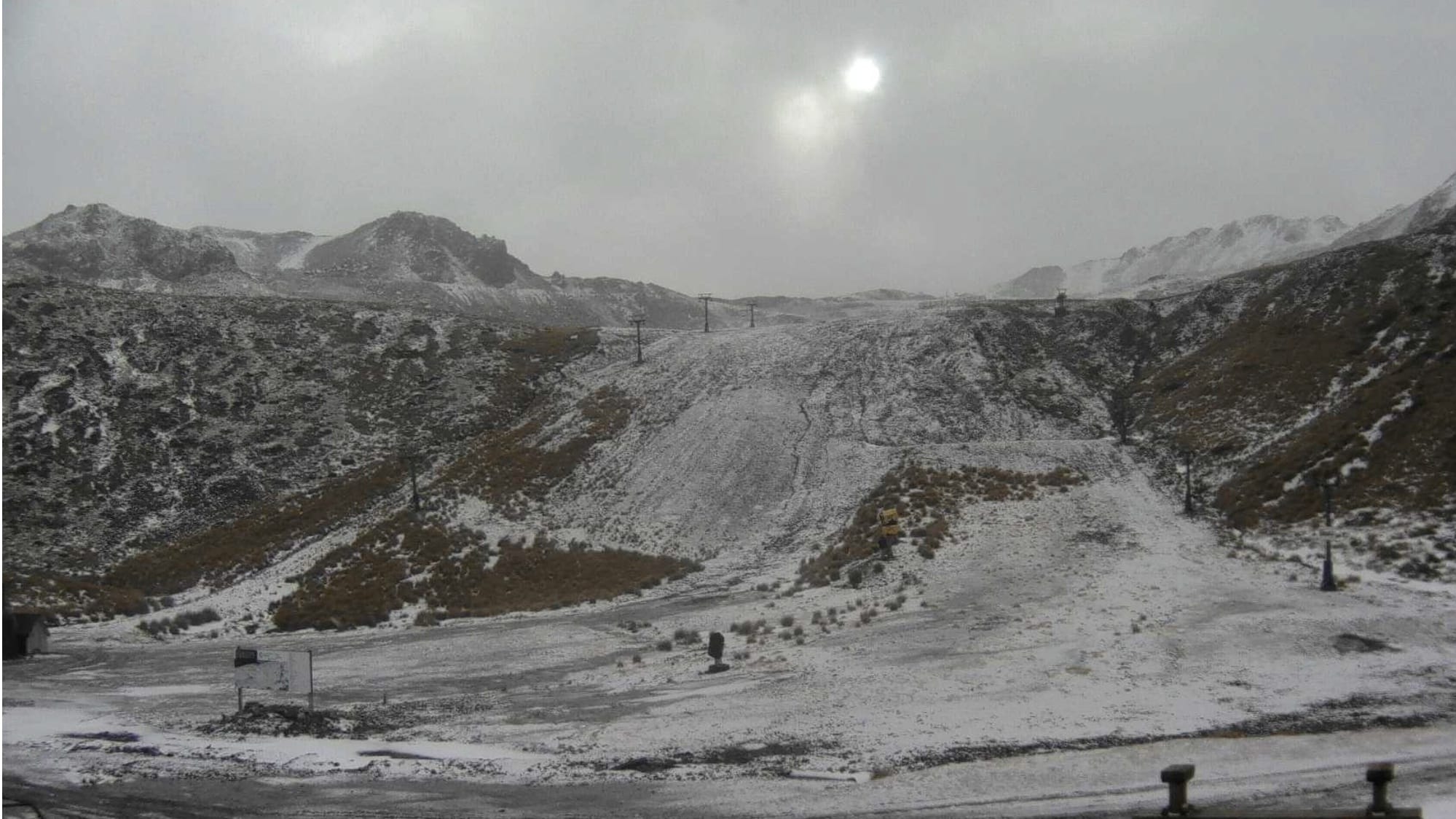
Furthermore, the resort plans to utilize its snowmaking resources more conservatively. This strategic adjustment acknowledges the financial and logistical strain of attempting to compensate for insufficient natural snowfall through artificial means, especially when unpredictable warm spells and rain events can quickly negate these efforts. As Rainbow Ski Club chair, Ian Goldschmidt, stated to RNZ, "What we’re seeing with these weather patterns now, it gets cold, you make snow, then you get a big rain event, it all disappears, so you’ve spent thousands of dollars on diesel and people’s time to not get any advantage from it." This sentiment highlights the economic realities faced by ski areas in an era of climate change.
The revised model also includes a reduction in services. The ski school will not operate, and the on-site cafe will offer a limited menu. To manage operational costs and adapt to the reduced schedule, the resort has also downsized its workforce. The gap is being filled, in part, by the dedicated efforts of local community members and volunteers, underscoring the strong ties between the ski area and its surrounding population. This comprehensive adjustment follows a challenging five-year period for the ski area, underscoring the need for a more resilient operational framework.
Broader Context: A Regional Trend
Rainbow Ski Area’s predicament is not an isolated incident within New Zealand’s alpine tourism sector. Earlier this year, Mt. Cheeseman Ski Area also announced a reduction in its operating schedule, signaling a broader trend among club-owned and smaller independent ski fields. Mt. Cheeseman is aiming for an opening date of July 17th, indicating a similar approach to managing resources and expectations in the face of climatic uncertainty.
These adjustments are symptomatic of a wider challenge facing the ski industry globally, but particularly acute for smaller, community-focused operations. Unlike large commercial resorts with extensive snowmaking infrastructure and diverse revenue streams, club-owned fields often rely heavily on natural snow and operate on tighter margins. Their survival is intrinsically linked to consistent winter conditions, making them highly vulnerable to the increasing variability of weather patterns attributed to climate change.
Historical Perspective and Future Implications
The 2023 winter season in New Zealand was particularly harsh, with many ski areas experiencing significantly below-average snowfall. For Rainbow Ski Area, the minimal 29 cm accumulation meant an unprecedented closure. This starkly contrasts with historical data that often shows higher average snow depths, allowing for longer operating seasons. For instance, in years with more typical snowfall, Rainbow has historically been able to sustain operations for extended periods, drawing skiers and snowboarders from across the region and beyond. The economic impact of such closures extends beyond the immediate loss of revenue for the ski area; it affects local tourism businesses, accommodation providers, and employment opportunities within the wider community.
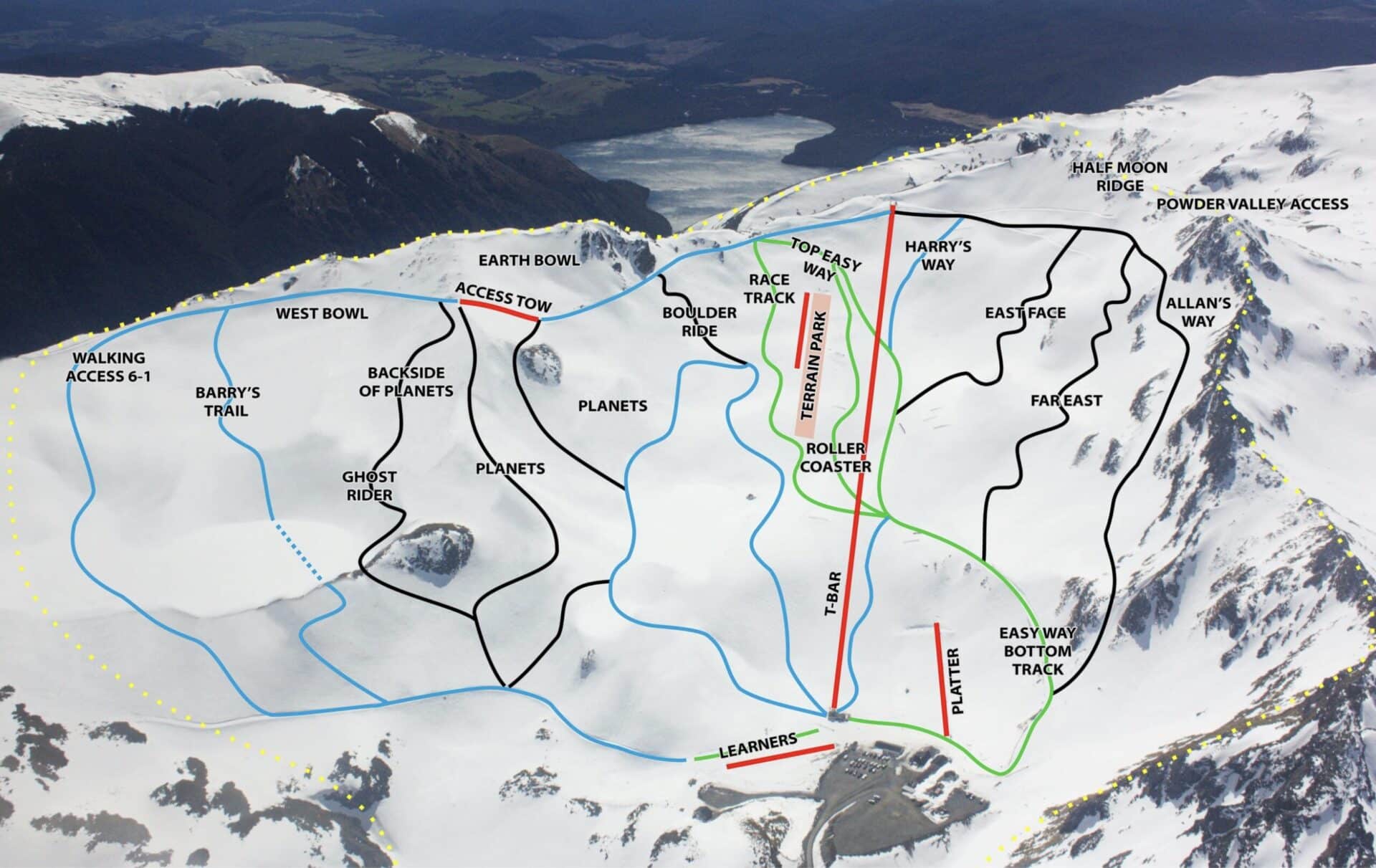
The decision by Rainbow Ski Area to adopt a weekend-focused model is a pragmatic response to these challenges. By concentrating operations on peak demand days, the resort aims to maximize efficiency and reduce overheads. This strategy, while potentially disappointing for those who prefer weekday skiing, is designed to ensure that the resort can continue to offer a skiing experience in the future. The success of this model will likely be closely watched by other similar ski areas in New Zealand and could serve as a blueprint for adaptation in regions facing similar climatic pressures.
Looking Ahead: The 2026 Season and Beyond
The target opening date for Rainbow Ski Area’s revised season is July 18th, though this remains contingent on the arrival of sufficient snow. The success of this season will be a crucial indicator of the long-term viability of this new operating strategy. If this winter mirrors the conditions of the past, it is highly probable that more ski fields across New Zealand will be compelled to make similar operational adjustments, or, in the most severe scenarios, face the prospect of closure.
The implications of these changes are far-reaching. For dedicated skiers and snowboarders, it may mean a shift in planning, with a greater emphasis on weekend trips or a need to travel further afield to find open resorts. For the communities that have long benefited from the presence of these ski areas, it raises concerns about the future of local economies and the preservation of winter sports traditions.
The situation at Rainbow Ski Area serves as a microcosm of the broader challenges confronting the global ski industry. As climate change continues to impact weather patterns, ski resorts, particularly those with limited resources, are being forced to innovate and adapt. The coming years will undoubtedly be a period of significant transition for many alpine destinations, with a premium placed on resilience, strategic planning, and community support. The efforts of Rainbow Ski Area, while born out of necessity, represent a proactive step towards navigating an increasingly unpredictable future for winter recreation.

