
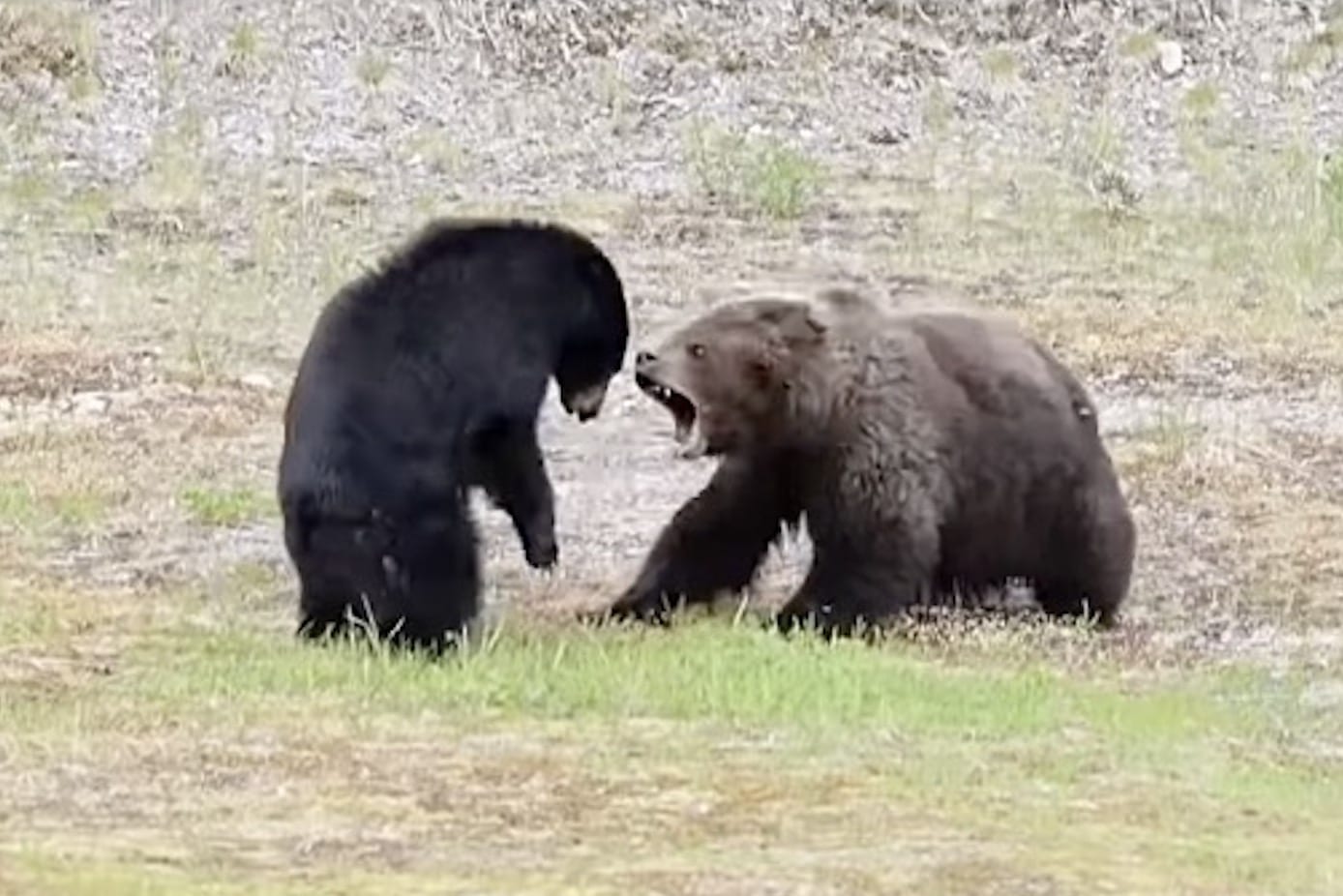
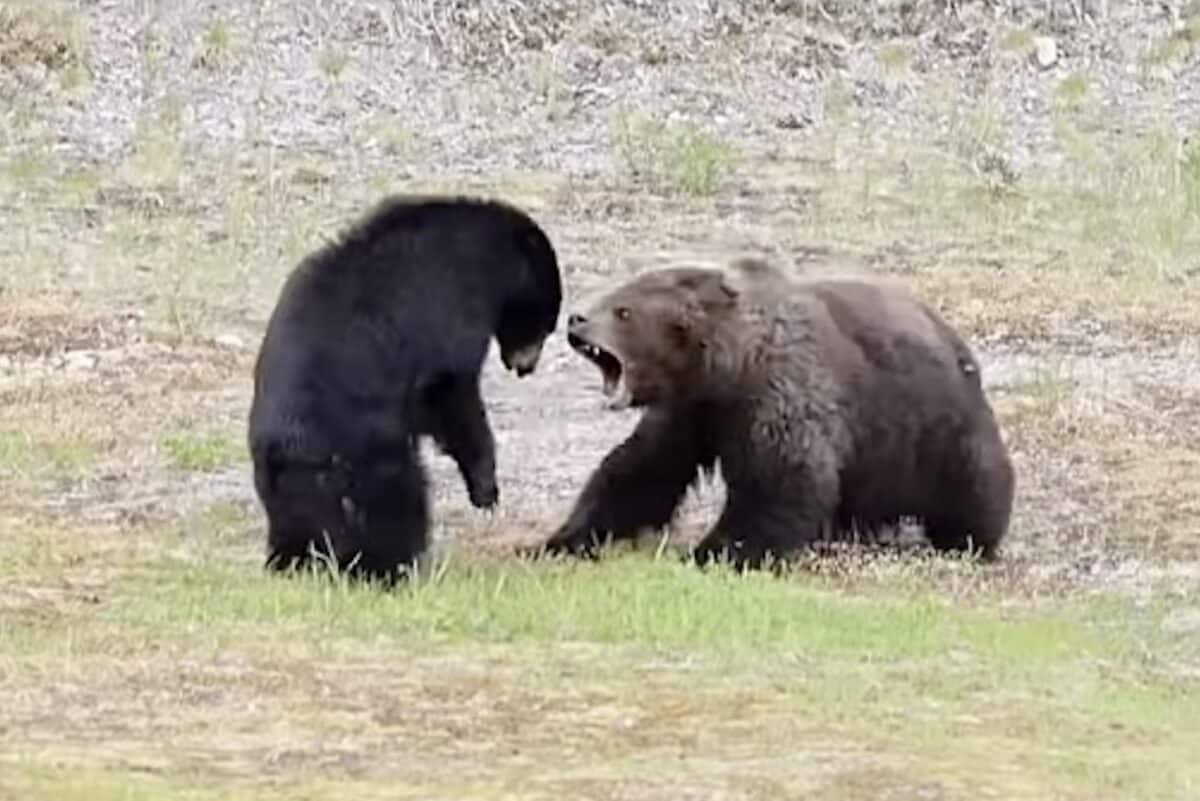
In a dramatic and exceptionally rare display of maternal ferocity, a mother black bear identified as Ruby engaged in a fierce confrontation with a grizzly bear known as Hershey, an encounter captured on video near Whistler, British Columbia. The conflict, which occurred in a region where black bears are a common and familiar presence, highlighted the stark differences in the predator-prey dynamics between these two iconic North American carnivores. This footage offers a compelling glimpse into the survival instincts that drive these animals and the delicate ecological balance of the Sea to Sky corridor.
The Unfolding Confrontation
The incident, believed to have occurred in the vicinity of Whistler’s renowned ski resort and valley, centered around the defense of a black bear cub. According to eyewitness accounts and the subsequent video evidence, the grizzly bear, Hershey, initiated an aggressive move towards Ruby’s young cub. This perceived threat to her offspring immediately triggered a powerful protective response from Ruby, transforming her from a typically cautious black bear into a formidable defender. The ensuing battle, though brief, was intense, showcasing the raw power and determination of a mother protecting her vulnerable young.
Whistler, a municipality celebrated for its stunning natural beauty and world-class outdoor recreation, is home to a thriving population of black bears. Estimates suggest between 50 to 70 black bears regularly inhabit the valley and surrounding areas, making them a frequent sight for residents and visitors alike. Their presence, while often a point of fascination, is generally managed through education and wildlife awareness programs. In contrast, grizzly bears are a far rarer sight in this specific locale. They are considered a threatened species, with a small, recovering population inhabiting the deeper, more remote wilderness areas of the Sea to Sky region. The presence of a grizzly bear venturing close enough to a black bear den or a frequented black bear habitat is inherently an unusual event.
Understanding the Predator-Prey Relationship
The interaction between black bears and grizzly bears is characterized by a significant disparity in size, aggression, and ecological strategy. Grizzly bears, scientifically known as Ursus arctos horribilis, are considerably larger and more robust than their black bear counterparts (Ursus americanus). Adult male grizzlies can weigh upwards of 1,000 pounds (approximately 450 kg), with females also being substantial, while female black bears typically range from 150 to 300 pounds (approximately 68 to 136 kg). This substantial size difference, coupled with the grizzly’s reputation for greater aggression and a more opportunistic predatory nature, places black bears at a distinct disadvantage.
Historically, black bears have evolved a suite of survival mechanisms to mitigate the threat posed by grizzlies. Their preference for dense forests provides ample cover, and their exceptional arboreal skills—their ability to climb trees with remarkable agility—serve as a primary defense for their cubs. When faced with the approach of a grizzly, a black bear’s instinct is often to flee, seeking refuge in the thick undergrowth or ascending trees where grizzlies cannot easily follow. This inherent caution and ability to escape have allowed black bears to coexist, albeit with a constant underlying tension, in ecosystems where grizzlies are present.
The Significance of this Rare Encounter
The documented battle between Ruby and Hershey is noteworthy not only for its inherent drama but also for its extreme rarity. While both species share the broader ecological landscape of British Columbia, they actively maintain a distance from one another. Encounters in open view, especially those escalating to physical confrontation, are exceptionally uncommon. The fact that a mother black bear would choose to stand her ground against a grizzly bear, a creature vastly superior in size and power, speaks volumes about the primal drive to protect her young. Such a scenario is typically a last resort, undertaken only when the perceived threat to the cub’s life is immediate and unavoidable.
This incident offers a vivid illustration of the "once in a lifetime" nature of observing such apex predators in direct conflict. It underscores the precariousness of life in the wild and the powerful evolutionary pressures that shape animal behavior. The visual evidence captured provides invaluable data for wildlife researchers and enthusiasts, offering a rare insight into the complex interactions within this critical ecosystem.
Contextualizing the Event
The Sea to Sky corridor, stretching from Vancouver to Whistler, is a vital ecological bridge connecting coastal rainforests to alpine environments. It supports a diverse array of wildlife, including both black and grizzly bears. While the management of black bear populations in and around Whistler is a long-standing practice, the conservation of grizzly bears in the region presents a more complex challenge due to their smaller numbers and threatened status. Efforts by organizations such as the Grizzly Bear Foundation and the BC Ministry of Water, Land and Resource Stewardship are focused on habitat preservation, human-wildlife conflict mitigation, and monitoring population health to aid in their recovery.
The presence of Hershey, a known grizzly bear in the area, suggests a degree of habituation or range expansion, which can lead to increased interactions with more common species like black bears. Wildlife officials often emphasize the importance of maintaining a "wild" distance between humans and bears, and conversely, between different bear species, to minimize conflict. Understanding the territories and movement patterns of individual bears, like Hershey, is crucial for effective wildlife management and public safety.
Broader Implications and Analysis
The footage of Ruby’s defense has significant implications for wildlife understanding and conservation efforts. It serves as a stark reminder of the inherent dangers faced by wildlife, particularly vulnerable young, in their natural habitats. For the black bear population in Whistler, the continued presence of grizzlies, even in small numbers, necessitates ongoing vigilance and adaptation.
From a conservation perspective, the event highlights the interconnectedness of species within an ecosystem. The recovery of the grizzly bear population, while a positive ecological goal, also necessitates careful consideration of its impact on other species. This incident underscores the need for continued research into bear behavior, habitat use, and interspecies dynamics. Understanding when and why these confrontations occur can inform strategies for mitigating human-bear conflicts and ensuring the long-term health of both populations.
The public reaction to such footage often ranges from awe and fascination to concern. It reinforces the importance of responsible wildlife viewing practices, ensuring that observation does not inadvertently disrupt natural behaviors or increase risks for the animals. Educational initiatives that inform the public about the distinct behaviors and conservation status of both black and grizzly bears are paramount.
Expert Perspectives (Inferred)
While direct quotes from wildlife biologists or local authorities are not available in the initial report, it can be inferred that experts would emphasize the rarity and significance of such an event. They would likely reiterate the importance of understanding the size and power differences between the two species and the specific evolutionary adaptations of black bears for survival in grizzly territory. Conservationists might point to this incident as evidence of the ongoing ecological challenges and the need for continued monitoring and management of both black and grizzly bear populations in the Sea to Sky region. They would likely stress the importance of respecting wildlife from a distance and adhering to all guidelines for safe coexistence.
The video serves as a powerful educational tool, illustrating the raw power of nature and the profound instincts that govern animal life. It is a testament to the resilience of wildlife and the delicate balance that sustains these magnificent creatures in their natural environment. The story of Ruby, the black bear who bravely defended her cub against a formidable grizzly, is a compelling narrative of survival in the wild, captured for the world to witness.

