
For decades, professional waterman Kai Lenny has pushed the boundaries of aquatic sports. Whether towing into massive, life-threatening swells at Pe’ahi (Jaws) on Maui, pioneering hydrofoil downwinders, or competing at the highest levels of kiteboarding and windsurfing, Lenny has lived at the absolute cutting edge of ocean exploration. Yet, despite his status as a pioneer across multiple disciplines, Lenny faced a persistent, everyday frustration that plagues water athletes worldwide: the fragmented nature of preparation.
Until recently, planning a session on the water meant toggling between half a dozen different platforms. Surfers and wind sports enthusiasts routinely relied on one app for wind models, another for swell heights and marine forecasts, a third for real-time buoy observations, and a separate wearable device or fitness tracker to record their metrics once they hit the surf. Communication with local riding communities happened across scattered group chats and social media channels, while gear selection remained an intuitive, often trial-and-error process based on rapidly changing coastal conditions.
Recognizing this operational inefficiency, Lenny poured years of accumulated domain expertise into solving it. The result is Venturi Sports, an ambitious all-in-one digital platform that officially debuted its broader, revamped ecosystem following a major September update. Designed from the ground up for surfers, wing foilers, kiteboarders, windsurfing enthusiasts, foil surfers, stand-up paddleboarders, and e-foilers, Venturi aims to serve as the definitive operating system for modern ocean athletes. By unifying marine forecasting, live environmental conditions, GPS session tracking, digital gear lockers, crowd-sourced spot intelligence, and robust safety tools into a single interface, the platform is poised to transform how athletes interact with the marine environment.
Chronology and Development: From Concept to a Unified Ecosystem
The genesis of Venturi Sports did not happen overnight. Developed over several years in close collaboration with software engineers, meteorologists, and a dedicated testing group of elite water athletes, the platform initially rolled out quiet, limited beta versions in late 2025. These early iterations allowed developers to stress-test core algorithms, refine user interfaces, and gather critical feedback from high-performance users operating in diverse coastal environments globally.
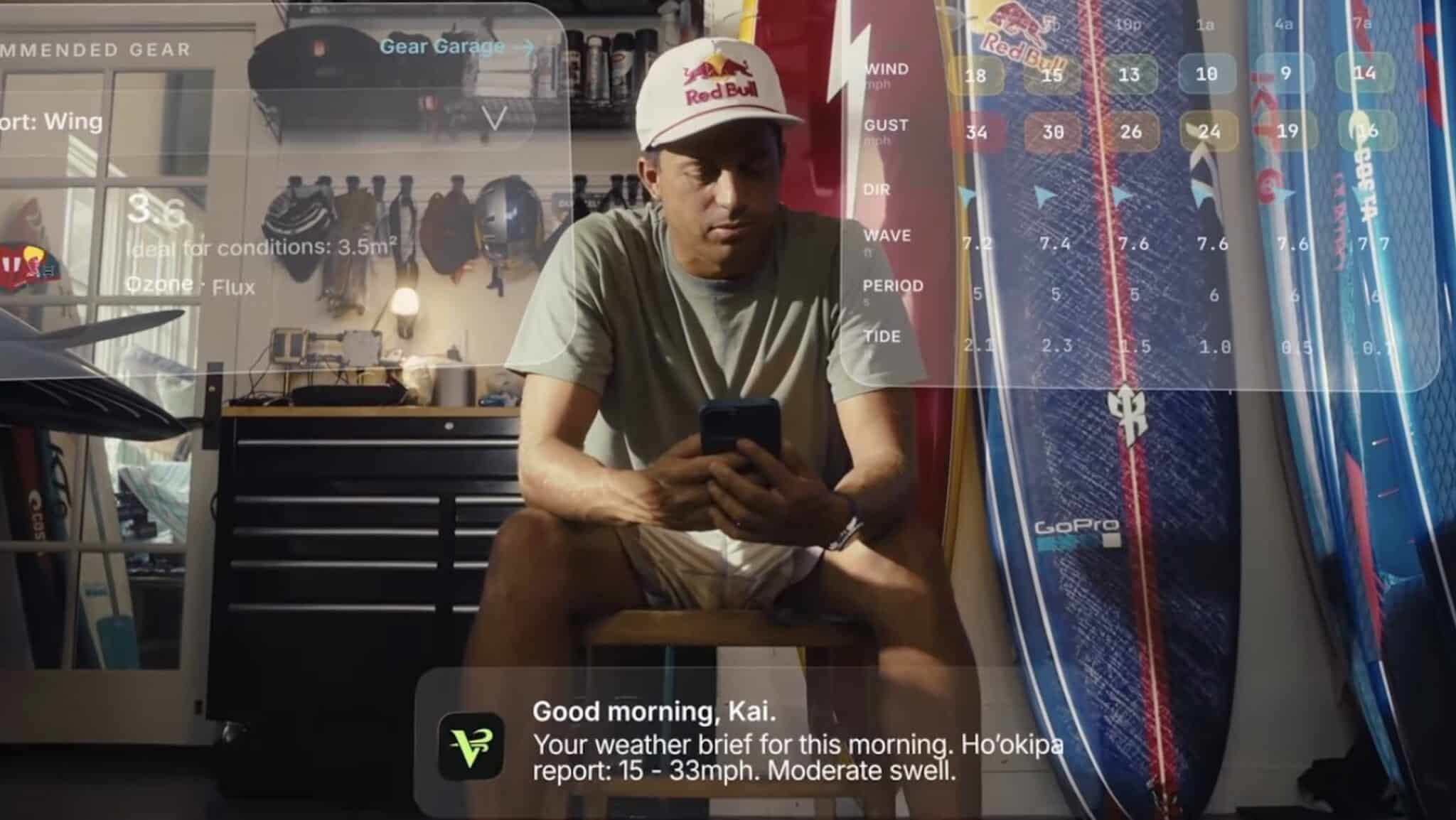
The project reached a major milestone in September with a sweeping platform overhaul. The latest iOS release introduced a heavily redesigned interface, deeper performance analytics, extended 16-day forecast views, and significantly upgraded safety tools. Concurrently, the Android ecosystem received a parallel update on September 15, introducing advanced data layers such as ocean-current mapping and precise wave-period visualization directly onto interactive weather charts.
By consolidating development across mobile operating systems and integrating seamless smartwatch compatibility, the platform transition moved Venturi from a niche enthusiast tool into a comprehensive, enterprise-grade utility for the broader water-sports community. Available as a free download with optional in-app upgrades—including a Premium tier priced at $11.99 per month or $99.99 annually—the app has quickly captured the attention of recreational and professional athletes alike.
Engineering Precision: Advanced Marine Forecasting and Spot Intelligence
At the core of Venturi’s appeal is its sophisticated meteorological engine. Rather than relying on a single weather feed, the platform aggregates data from multiple world-class numerical weather prediction models, including the Global Forecast System (GFS), High-Resolution Rapid Refresh (HRRR), and the European Centre for Medium-Range Weather Forecasts (ECMWF). To maximize accuracy at local coastal boundaries, Venturi applies proprietary machine-learning adjustments to these macro-models, tailoring wind, swell, and tide projections to specific micro-climates and breaks.
For any ocean athlete, the primary friction point of a session is the decision-making process: Is the wind cross-shore yet? Has the new long-period ground swell filled in? Will the tide blow out the reef break before arrival? Venturi addresses these variables by presenting hourly wind speeds and gust profiles, detailed swell direction and energy periods, precise tide windows, and multi-week trend analyses. Live observational data—pulled directly from regional weather stations and NOAA or international marine buoys—complements the modeled forecasts, while optional coastal webcam integrations provide visual confirmation before athletes load expensive gear onto their vehicles.
Furthermore, the platform incorporates community-driven spot guides. Recognizing that local knowledge is invaluable in marine sports, Venturi’s spot pages feature crowdsourced and verified data regarding optimal launch sites, hidden hazards, parking logistics, beach access rules, local etiquette, and specific tide requirements. Users actively contribute high-resolution photographs, detailed reviews, and real-time condition reports, creating an evolving, dynamic encyclopedia of global water-sports locations.

The Strava of the Sea: GPS Performance Tracking and Navigation
Once an athlete transitions from the beach to the water, Venturi pivots from a meteorological portal into a high-performance telemetry tool. Operating much like fitness tracking giants in the terrestrial endurance sports market, Venturi functions as a specialized GPS performance tracker designed specifically for the unique kinematics of ocean sports.
Using either a connected smartphone, an Apple Watch, or a compatible Garmin device, the app records comprehensive session data, including precise GPS routes, instantaneous speed profiles, maximum velocity metrics, total distance traveled, and biometric data such as heart rate. Following the conclusion of a session, users can review their performance metrics and automatically sync their data to third-party platforms like Strava.
One of the standout technological achievements of Venturi’s recent software update is its advanced course-creation and navigation suite. Tailored explicitly for downwinders, open-ocean foil runs, and long-distance point-to-point journeys, the feature allows athletes to map custom courses, follow real-time routing while on the water, and compete on global leaderboards. When synced with a smartwatch or mobile device, navigational prompts—including directional arrows and voice guidance—function reliably even when users venture beyond cellular service ranges. Additionally, the platform’s granular analytics enable athletes to compare their velocity across distinct legs of a downwind run, facilitating systematic performance improvements over time.
Intelligent Gear Management Tailored by Experience
Equipment selection represents one of the most critical logistical challenges in wind and foil sports. Choosing the wrong wing size, kite area, or mast length can mean the difference between an exhilarating session and an exhausting, unsuccessful outing.
Venturi attempts to eliminate this guesswork by integrating intelligent gear recommendations directly into the pre-session workflow. By cross-referencing real-time environmental conditions, user biometrics, and historical performance data infused with Kai Lenny’s extensive methodology, the app suggests optimal equipment configurations for the day’s specific parameters.

Users can establish a comprehensive digital gear locker within the application, logging every board, wing, kite, foil mast, front wing, and stabilizer they own. By tagging specific equipment items to recorded GPS sessions, the platform builds a longitudinal performance database. Over time, athletes can analyze precisely how a specific foil setup performed under 25-knot gusts versus light-wind conditions, empowering them to make data-driven decisions before heading to the coast.
Cultivating Community and Prioritizing Offshore Safety
While technical utilities form the backbone of Venturi, the platform consciously cultivates a vibrant social infrastructure. Rather than operating in an isolated vacuum of personal data, users can engage with a specialized social network tailored to marine athletes. The community feed displays recent session highlights, high-action media uploads, spot discussions, and direct peer-to-peer messaging. A particularly popular feature among riding groups is live friend-tracking, which allows peers and family members to monitor an athlete’s real-time progress on the water.
Crucially, this live-tracking infrastructure doubles as an advanced safety net. As water athletes increasingly push further offshore, tackle remote coastlines, and commit to committing long-distance downwind routes, the margin for error narrows significantly. Venturi addresses these inherent risks by embedding robust safety mechanisms, including automated Beacon alerts that keep designated contacts informed of session timelines, live rider status indicators, and integrated SOS emergency controls optimized for iOS and watchOS devices. These protocols offer critical peace of mind for both solo adventurers and organized training groups.
Broader Implications for the Water-Sports Industry
The launch of Venturi Sports under the stewardship of Kai Lenny signifies a broader maturation within the action-sports technology landscape. For decades, marine forecasting tools were designed primarily for commercial mariners, meteorologists, or casual beachgoers, forcing high-performance action athletes to cobble together disparate consumer apps. By engineering a unified ecosystem tailored specifically to the high-velocity demands of modern hydrofoiling, kiteboarding, and surfing, Lenny and his co-founders have bridged a longstanding gap in the market.
As digital integration increasingly defines the modern athletic experience, platforms like Venturi do more than simply aggregate weather data; they codify and professionalize subcultures that have historically relied on institutional memory and word-of-mouth intelligence. By standardizing performance analytics, enhancing safety protocols in remote marine environments, and connecting a global diaspora of water athletes, Venturi Sports establishes a new benchmark for ocean-sports technology—one built on the hard-earned wisdom of a lifetime spent chasing the world’s most challenging waves.

