
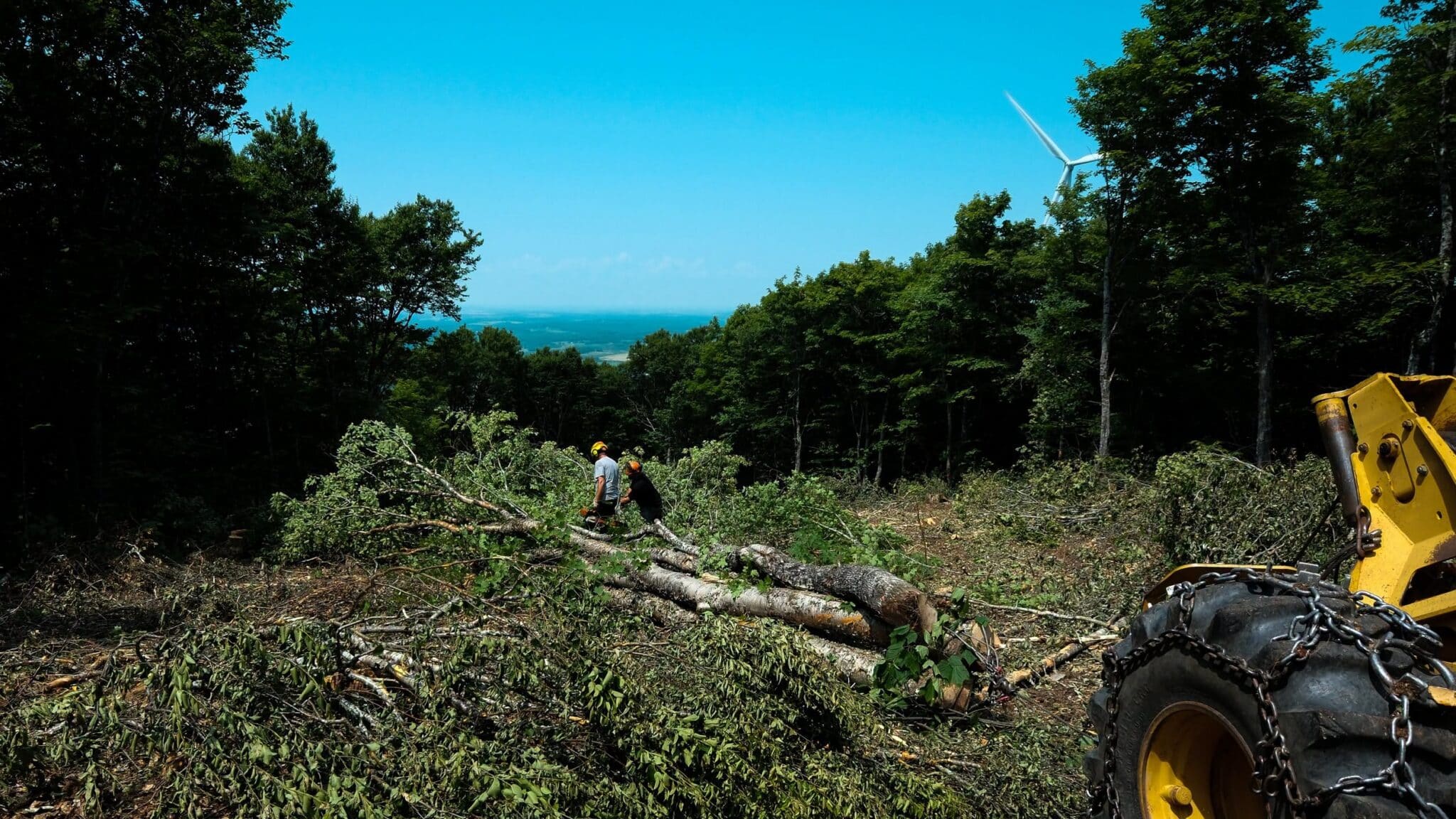
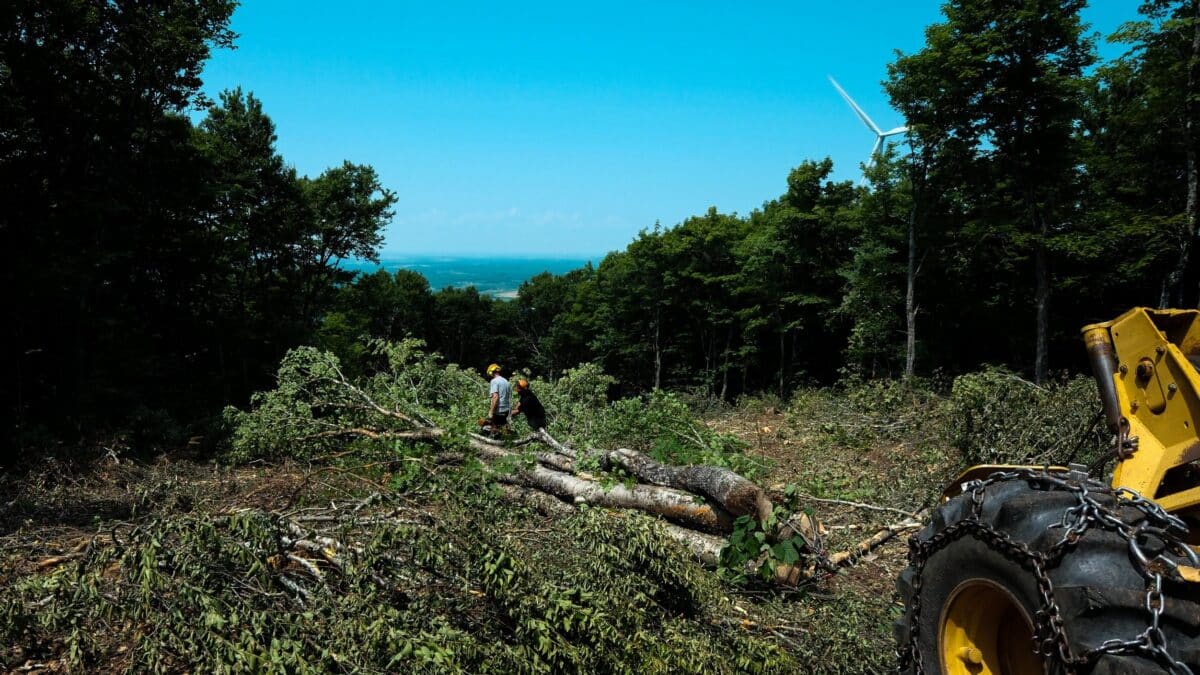
Mars Hill, Maine – Big Rock Mountain, a non-profit family ski area in Maine, has announced plans to introduce a new beginner trail for the upcoming 2026-27 winter season. This strategic expansion aims to enhance the mountain’s appeal to novice skiers and snowboarders, addressing a perceived gap in its current terrain offerings. The addition signifies a continued commitment by the organization to invest in its infrastructure and user experience, building upon recent significant upgrades.
Addressing a Gap in Beginner Terrain
Currently, Big Rock Mountain’s summit area lacks dedicated beginner trails. This new run is designed to provide a gentler descent from the upper mountain, offering a natural progression for skiers and snowboarders who have mastered the basics on the Apollo Triple chairlift. While specific details regarding the trail’s length, width, gradient, and the potential for snowmaking coverage are yet to be fully disclosed, the intention is to create an approachable and enjoyable experience for those new to the sport. This development is particularly significant for families and individuals seeking to learn or improve their skills in a welcoming environment.
A History of Strategic Development
The introduction of this new beginner trail is the latest in a series of substantial improvements undertaken by Big Rock Mountain in recent years. These enhancements reflect a forward-thinking approach to mountain management and a dedication to providing a modern and accessible skiing and snowboarding destination.
Key Infrastructure Upgrades:
- New Doppelmayr Fixed-Grip Quad Chairlift: This major investment significantly improved uphill capacity and efficiency, reducing wait times and enhancing the overall flow of traffic across the mountain. Fixed-grip quad chairs are known for their reliability and suitability for many mountain profiles, offering a balance of speed and capacity.
- Extensive Snowmaking Upgrades: Recognizing the critical role of reliable snow conditions, Big Rock Mountain has invested heavily in its snowmaking capabilities. This includes the installation of a new pumphouse, a vital component for delivering the water and air necessary for efficient snow production. Enhanced snowmaking ensures a longer and more consistent ski season, even during periods of natural snowfall variability.
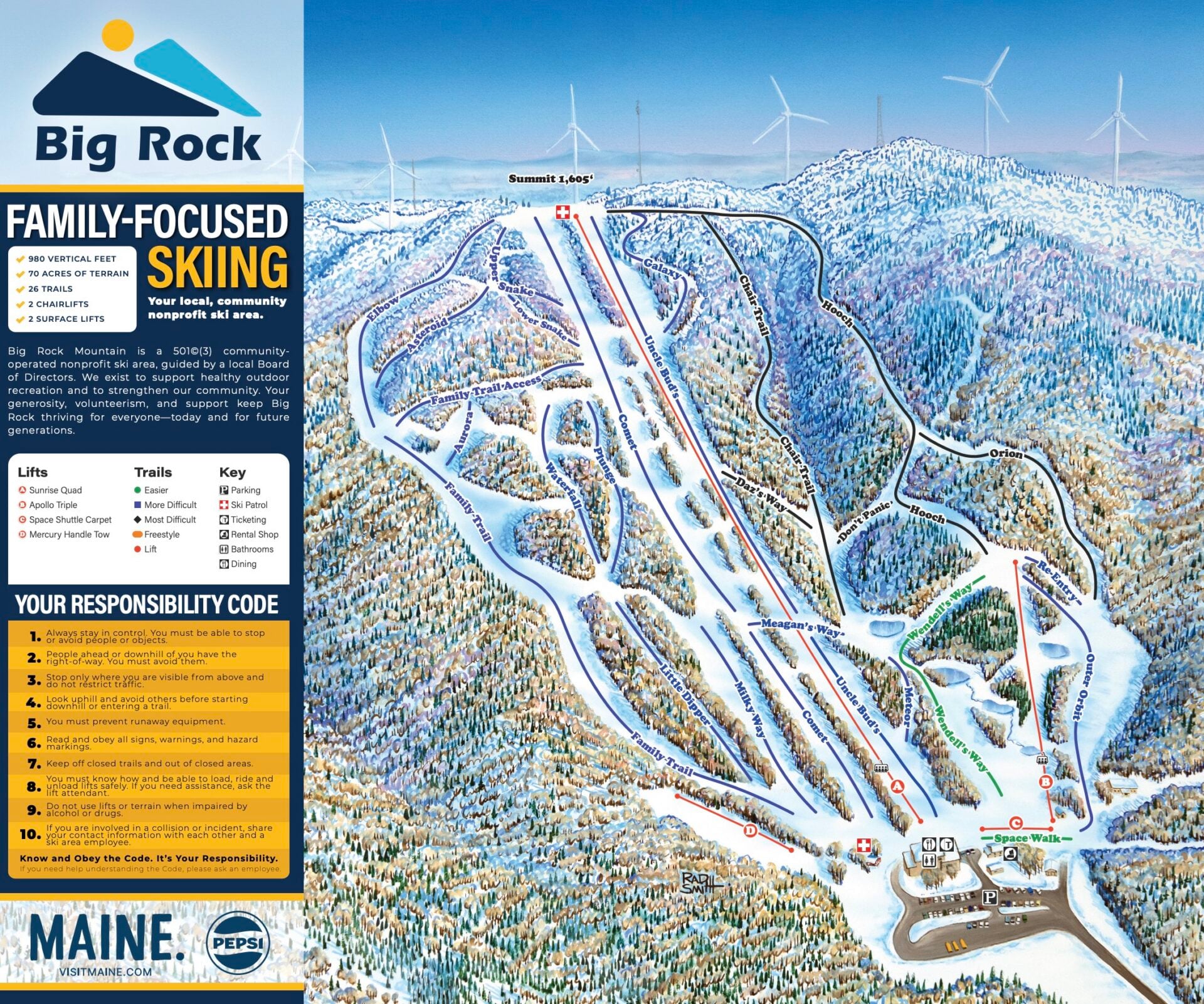
- Collaboration on Trail Map Design: In a move to modernize its branding and improve visitor navigation, Big Rock Mountain partnered with Rad Smith, a renowned trail map designer. This collaboration has resulted in a new, visually appealing, and informative trail map, designed to help guests easily understand the mountain’s layout and offerings. The updated map likely incorporates more detailed information about trail difficulty, features, and amenities.
These past investments have laid a strong foundation for future growth, and the addition of a beginner trail complements these efforts by broadening the resort’s appeal across different skill levels.
The Significance of Non-Profit Status
Big Rock Mountain operates as a non-profit organization, a model that often influences its strategic decisions and community engagement. Non-profit ski areas are typically driven by a mission to provide affordable and accessible recreation, with profits reinvested into the mountain’s operations, maintenance, and future development. This structure fosters a strong sense of community among its patrons and staff, emphasizing shared goals and collective investment in the ski area’s success.
This non-profit status can also influence funding opportunities, potentially allowing for grants and community-driven fundraising initiatives that support capital improvements. The decision to add a beginner trail, rather than solely focusing on advanced terrain, aligns with a mission to serve a broader segment of the population, making skiing and snowboarding more inclusive.
Broader Implications for the Maine Ski Scene
The expansion at Big Rock Mountain is indicative of a positive trend within Maine’s ski industry. As other regional resorts continue to evolve and invest in their facilities, smaller, community-focused areas like Big Rock are also making strategic moves to remain competitive and relevant.
Potential Impacts:
- Increased Accessibility for New Skiers: The new trail directly addresses a barrier for many individuals and families considering skiing or snowboarding. By providing a dedicated, gentle descent, Big Rock Mountain lowers the intimidation factor associated with learning to ski.
- Enhanced Family Appeal: Ski resorts that cater to all skill levels, especially beginners and families, often see increased visitation. This expansion positions Big Rock Mountain as a more comprehensive destination for family outings.
- Economic Contribution to the Region: As the ski area grows and attracts more visitors, it can contribute to the local economy through increased tourism, employment opportunities, and support for local businesses in the Mars Hill area.
- Strengthening Community Ties: The success of a non-profit ski area is often deeply intertwined with its local community. Investments in new terrain and infrastructure can foster greater local pride and participation, encouraging volunteerism and support.
The development of this new trail, coupled with past infrastructure improvements, suggests a robust long-term vision for Big Rock Mountain. The organization’s commitment to enhancing the guest experience, from beginner access to improved lift capacity, signals a dedication to sustainable growth and a thriving future for winter recreation in Northern Maine. As the 2026-27 season approaches, the anticipation for this new addition is likely to grow among skiers and snowboarders across the region.

