
The Norwegian Ski Federation (Skiforbundet) finds itself at the center of a brewing storm as a long-standing regulation, paragraph 205.2 of its general regulations, has ignited a fierce dispute with some of the nation’s elite cross-country skiers. This clause, dating back to 2013, empowers the federation to prohibit skiers who decline a national team placement from competing in World Cup events and championships. The current stance by Skiforbundet to strictly enforce this rule has led to outright rejections for several prominent athletes seeking to compete independently, sparking accusations of power abuse and a significant rift within the sport.
The conflict has escalated as negotiations between Skiforbundet and a contingent of top Norwegian cross-country skiers have reportedly reached an impasse. At the heart of the disagreement is paragraph 205.2, which unequivocally states that athletes refusing a spot on the national team are subsequently barred from representing Norway on the international stage, including World Cup races and major championships. While there have been instances in the past where individual athletes received exemptions, the federation has now tightened its grip, leading to denied applications for prominent skiers such as Astrid Øyre Slind, Karoline Simpson-Larsen, and Karoline Grøtting.
Karoline Simpson-Larsen, one of the affected athletes, voiced her frustration to NRK, stating, "I have simply received a rejection of my application." While Simpson-Larsen ultimately accepted a national team position, she admitted to feeling compelled to do so, highlighting the significant pressure exerted by the federation’s policy. The situation has drawn sharp criticism, with some labeling the federation’s actions as an abuse of power.
The Long Shadow of Paragraph 205.2
The roots of this contentious policy can be traced back to 2013, a period marked by evolving dynamics in professional cross-country skiing. The establishment of well-funded private teams, often spearheaded by former national team stars, began to offer alternative career paths for elite athletes. These private teams provided comprehensive support, including coaching, physiotherapy, and financial backing, allowing skiers to pursue their sport outside the traditional national team structure.
Paragraph 205.2 was seemingly introduced by Skiforbundet as a measure to maintain control over its top athletes and ensure the cohesion of its national team programs. The underlying rationale, from the federation’s perspective, was likely to prevent the fragmentation of talent and to centralize resources and expertise for the benefit of the entire program. However, the strict enforcement of this rule in recent times has led to a perception among many skiers that it is being used as a punitive tool rather than a strategic management approach.
Aukland’s Disappointment and Historical Perspective
Jørgen Aukland, a prominent figure in Norwegian skiing and a coach for young talents at Wang Toppidrett, as well as co-owner of the private team Team Ragde Charge, expressed his dismay at the current situation. Aukland’s extensive experience in the sport, spanning nearly two decades, has exposed him to similar conflicts. He noted that the tactics employed by Skiforbundet are not entirely new, recalling a similar standoff in 2008-2009 when Jens Arne Svartedal declined a national team invitation and joined Team Xtrapersonell (now Ragde Charge). Svartedal also faced threats of exclusion from World Cup events.
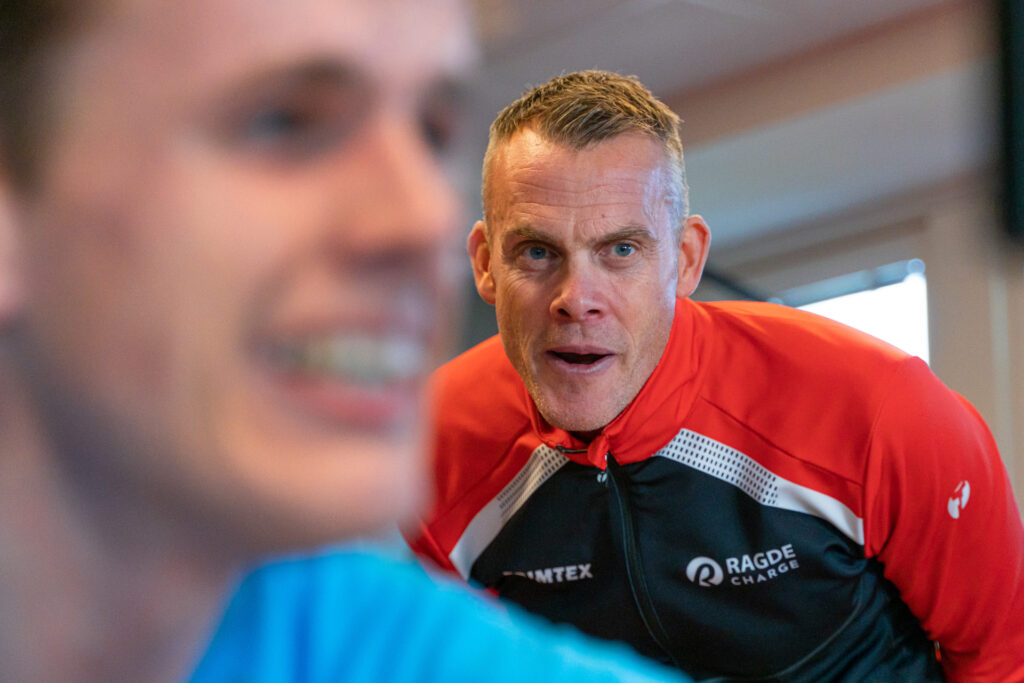
"It’s essentially the same threats we’ve been seeing since back in 2008-2009 when Jens Arne Svartedal said no to the national team and joined Team Xtrapersonell (now Ragde Charge). He also faced threats of not being allowed to compete in World Cup races. So, it’s a war that has been going on for many years," Aukland told Langrenn.com.
Aukland acknowledged the validity of both sides of the argument. He understands the federation’s desire to consolidate its best athletes within its programs to foster collective development and leverage shared resources. Simultaneously, he sympathizes with the private teams’ ambition to continue supporting their athletes within environments where they have found success and feel secure.
"It’s a difficult situation with differing opinions and entrenched positions. But to exclude and push through a monopoly, I find that to be wrong," Aukland stated, adding, "We must find a way to resolve this through dialogue and find a way to front sponsors. Because this affects both the economy and the sporting setup. If the national team had a good enough program, then surely all the skiers would want to be there."
A Power Play in Norwegian Skiing
Aukland perceives the federation’s actions as a blatant display of power politics. He pointed out that Skiforbundet holds a virtual monopoly on selecting skiers for World Cup events and the crucial qualification opportunities. This significant leverage, he argued, deters most athletes from challenging the federation’s authority, with only exceptionally dominant skiers like Petter Northug or Johannes Høsflot Klæbo possessing the standing to resist.
"What the skiers know is that if you decline the national team, you have to be so good that you know you can qualify. So, very few dare to say no," Aukland explained. He expressed skepticism regarding the efficacy of fear and threats as a basis for negotiation, viewing them as counterproductive for all parties involved.
"I believe it must be possible to resolve this in better ways, as they have managed in recent years. When Astrid Øyre Slind has competed in the World Cup, she is seen as a Norwegian skier in a Norwegian national team jersey. Then, the federation should actually be satisfied with that," Aukland emphasized.
The Athletes’ Dilemma and the Value of Independent Programs
The core of the skiers’ contention lies in their desire to maintain the successful training environments and support systems they have cultivated within private teams. For athletes like Astrid Øyre Slind, who has achieved significant success and gained valuable experience competing on the World Cup circuit while affiliated with a private team, a forced transition to the national team structure could disrupt a well-oiled machine.
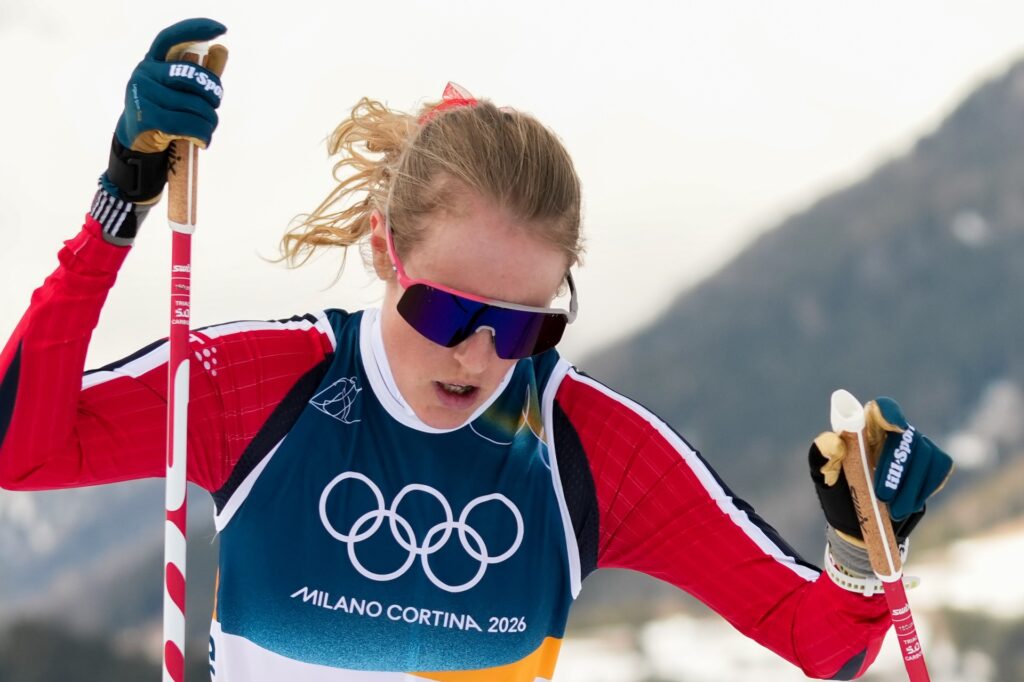
Aukland highlighted that these athletes have often invested years in developing their current training regimens and building trust with their coaches and support staff. A sudden uprooting, even for the perceived prestige of the national team, might not align with their personal development goals or offer a guaranteed improvement in their performance. He suggested that if the national team’s program were demonstrably superior and universally appealing, skiers would naturally gravitate towards it.
"When you have skiers who have spent a considerable amount of time, got the chance through private teams and seen that they have made huge strides there, then it’s not so strange that they don’t want to move to a new setup when they are in good flow," Aukland stated.
The Question of Prestige and National Team Credibility
Aukland also touched upon the underlying issue of prestige within the national team. He posited that while national team coaches might claim their decisions are not driven by ego, there is an inherent desire to retain athletes who have demonstrated strong potential. The departure of top skiers to private teams and their subsequent success on the international stage could be perceived as a reflection on the national team’s coaching efficacy.
"The national team coaches can say it’s not about prestige. But they want their skiers, whom they have followed in tests and have control over. And it is probably a defeat for the national team if many skiers come from outside and deliver. That means the coaches on the national team have done too poor a job. So, it’s clear there’s prestige involved, even if they say there isn’t," Aukland remarked.
He reiterated his fundamental belief: "The Norwegian national team is essentially the skiers who go the fastest and are therefore selected to represent Norway. If you go fast enough, you should be able to represent Norway. My opinion is that there should be opportunities if, for some reason, you do not wish to be part of the national team, but are still good enough, then you should get the chance to compete for Norway in the World Cup and championships."
Skiforbundet’s Official Response
In response to the growing controversy, Cathrine Instebø, the General Manager of Skiforbundet Cross-Country, offered a statement to NRK. "We want our best athletes to be on the national team. We want to facilitate for our athletes on the national team. We need the best on the national team, and we want to find solutions," Instebø said.
She firmly denied any knowledge of or involvement in the alleged use of threats or power abuse by the federation. Her statement suggests that Skiforbundet views the situation as a desire to integrate top talent into its established programs, rather than an attempt to exert undue control. However, this perspective appears to be at odds with the experiences and sentiments expressed by the affected athletes and figures like Jørgen Aukland.
Broader Implications for Norwegian Skiing
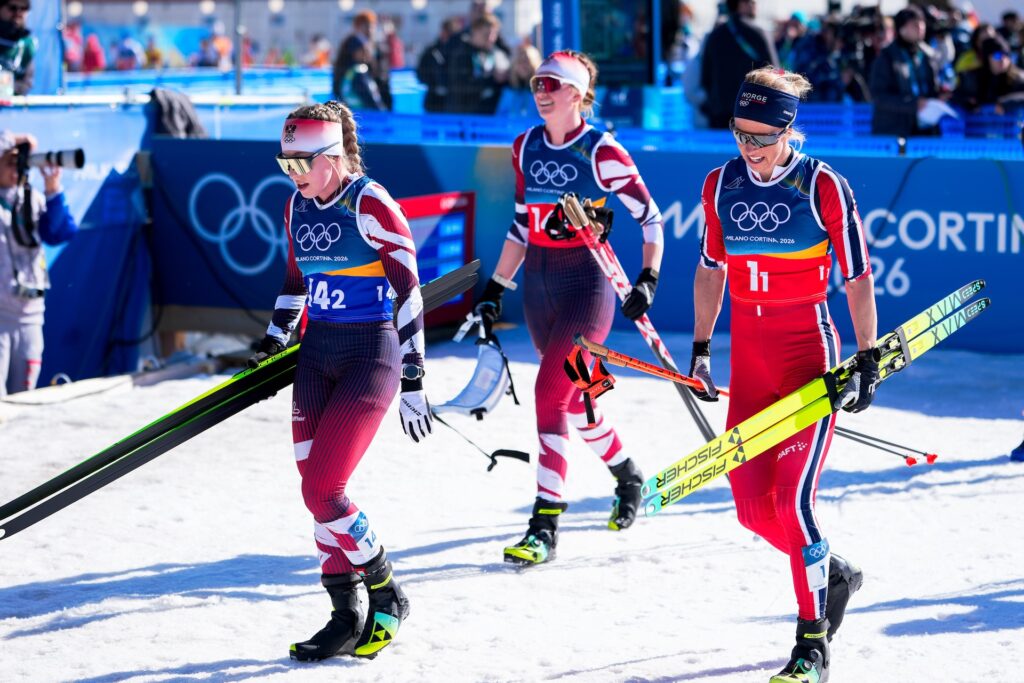
The current standoff carries significant implications for the future of Norwegian cross-country skiing. The strict enforcement of paragraph 205.2 risks alienating talented athletes and potentially diminishing the sport’s appeal if top competitors are unable to represent their country due to policy disagreements.
The situation also raises questions about the balance of power between national federations and individual athletes in the professional sports landscape. As private teams become increasingly sophisticated and competitive, federations may need to adapt their policies to foster collaboration rather than confrontation. A more flexible approach, perhaps involving tiered membership options or clearer pathways for independent athletes to qualify for national representation, could be a more sustainable model.
Furthermore, the economic impact on athletes and their sponsors cannot be overlooked. World Cup and championship participation are crucial for securing sponsorship deals, which are vital for athletes’ livelihoods. Any restriction on competition directly affects their earning potential and career sustainability.
The ongoing debate underscores the complex interplay of sporting ambition, financial realities, and organizational control within elite sports. The resolution of this conflict will likely require a willingness from Skiforbundet to engage in genuine dialogue and acknowledge the evolving landscape of professional skiing, where athlete autonomy and successful private initiatives are becoming increasingly significant factors. The future of Norwegian cross-country skiing may well depend on finding a harmonious balance between national team objectives and the aspirations of its individual stars.

