
The Alps are currently witnessing an unprecedented environmental transformation as the region’s remaining glacier ice continues to vanish at a pace that has shocked the scientific community. According to data released on October 2, 2026, by Glacier Monitoring Switzerland (Glamos), more than 5% of the country’s total remaining glacier ice volume was lost in a single calendar year. This figure represents a staggering acceleration of ice depletion that was once considered a worst-case scenario. Until recently, glaciologists classified an annual ice loss of 2% as an extreme event. The 2026 figure of 5.5% suggests that the Alpine cryosphere has entered a new, precarious phase of rapid disintegration, characterized by systemic, year-on-year losses that defy historical norms.
A Chronology of Environmental Stress
The 2026 melting season began under unfavorable conditions, which set the stage for the subsequent record-breaking losses. Following an unusually mild winter that resulted in thin snow cover across the mountain range, the glaciers were left highly vulnerable. The early onset of intense heatwaves in May and June stripped away the remaining winter snowpack, exposing the dark, underlying glacier ice.
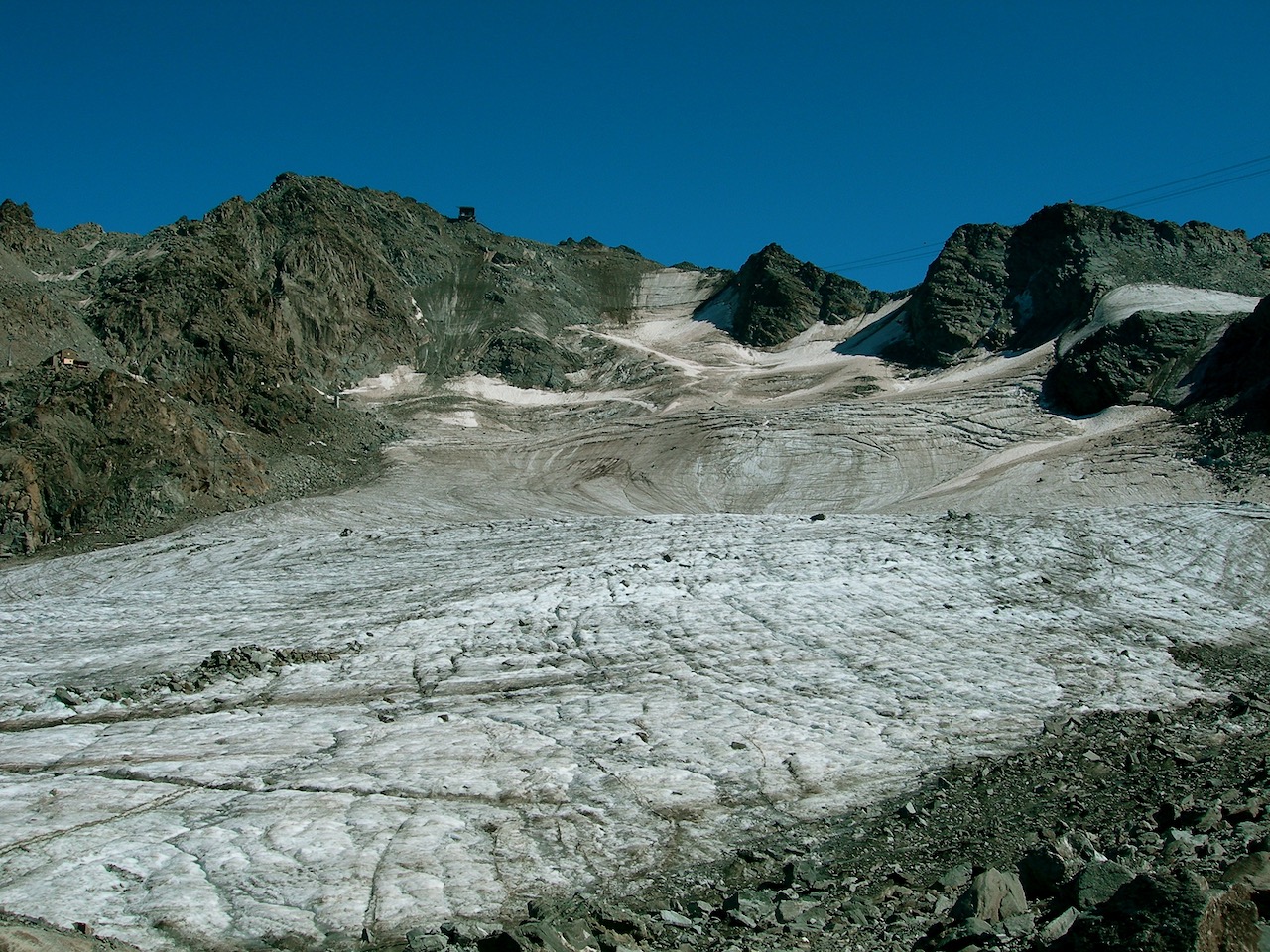
Because snow is highly reflective (high albedo), it protects the ice from the sun’s radiation. Once this protective layer was removed, the bare, darker ice absorbed solar energy at a much higher rate. This "albedo effect" created a positive feedback loop: the more ice that melted, the more solar energy was absorbed, which in turn triggered even faster melting during the subsequent, prolonged heatwaves of July and August. By the end of the summer, researchers were observing a catastrophic lack of snow even at extreme elevations of 3,500 meters above sea level—altitudes where, historically, the glacier surfaces remained covered by permanent snow year-round.
Quantitative Data and Scientific Analysis
The sheer scale of the water loss is difficult to contextualize. Scientists estimate that Swiss glaciers shed approximately 2.2 trillion liters of water between July and September 2026 alone. To put this into perspective, this volume is equivalent to more than four times the annual drinking water consumption of the entire Swiss population.
Dr. Matthias Huss, director of Glamos, described the situation as "disastrous," noting that the current trajectory is unsustainable. The scientific community is now forced to grapple with the reality that the climate has shifted to a state where many of the smaller, high-altitude glaciers may no longer be able to maintain their mass. Data indicates that at certain measurement sites, glaciers have suffered as much as four meters of vertical ice loss—a loss that would have previously taken decades to accumulate.

Dr. Fabien Maussion, a glaciologist at the University of Bristol, emphasized that while the data is "distressing," it is entirely consistent with climate models that have warned of such outcomes for years. "Ten years ago, I wouldn’t have thought that it was possible to lose glaciers so quickly," Maussion noted. "But at the same time, this is exactly what we expected from a climate scientist’s perspective."
Impact on the Alpine Skiing Industry
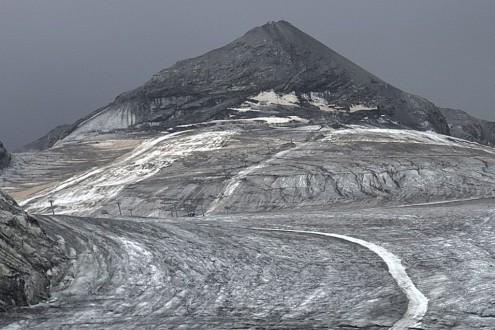
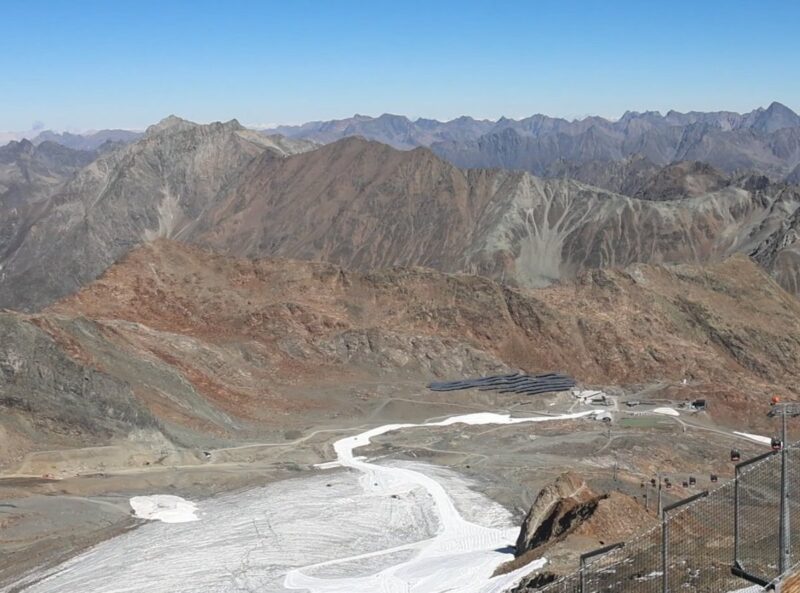
The rapid degradation of the glaciers has had immediate and tangible consequences for the tourism and sports industries. For the first time in over 60 years of recorded operations, there was a period during the summer of 2026 where no ski areas in the Alps were open for business. The stability of the ice, which is essential for safe infrastructure such as lift foundations and access routes, was compromised by the melt, leading to the temporary closure of even the most reliable high-altitude resorts.
While a handful of resorts, such as Hintertux in Austria, resumed limited operations by early October, the overall state of the slopes remains poor. The structural integrity of these glacial sites is now a primary concern for resort operators. The era of year-round glacier skiing, a hallmark of the Alpine experience for decades, appears to be coming to a definitive end as the glaciers retreat to elevations that are increasingly difficult to manage for winter sports.
Wider Societal and Economic Implications
Beyond the immediate impact on snowsports, the melting of Alpine glaciers poses significant long-term risks to the broader European economy and infrastructure. Glaciers act as natural "water towers," storing precipitation in the winter and releasing it as meltwater during the hot, dry months of summer. This water is vital for several sectors, most notably agriculture and hydroelectric power generation.
The loss of this reliable water supply is already being felt. In 2026, the Rhine River reached record low levels, which severely hindered shipping and navigation, forcing supply chains to incur higher costs due to reduced cargo capacities. As the glaciers shrink, their ability to regulate water flow during drought conditions diminishes. Huss warns that the current water runoff is, in effect, the discharge of "old water" that has been stored in the ice for centuries. Once this store is exhausted, it cannot be replaced under current climatic conditions, leaving the region with a deficit during future heatwaves.
Furthermore, the environmental change poses a challenge to hydroelectric power, which relies on the consistent flow of meltwater to generate electricity. With many European nations looking to move away from fossil fuels, the loss of these water sources could complicate energy planning in countries that rely heavily on hydro-power, such as Switzerland, Austria, and France.
Official Responses and Future Outlook
Government agencies and international climate bodies have begun to evaluate the implications of these findings. While direct intervention to "save" individual glaciers is widely regarded as unfeasible, the focus has shifted toward mitigation and adaptation. The European Union and local Alpine governments are under increased pressure to prioritize climate adaptation strategies, such as diversifying water sources and re-evaluating infrastructure placement in high-altitude environments.
However, the consensus among climate scientists remains grim. The atmospheric warming trends currently observed suggest that the survival of the majority of Alpine glaciers is unlikely under current emission pathways. The 2026 data serves as a critical, albeit alarming, benchmark. It suggests that the "extreme" years of the past are becoming the "average" years of the future.
The physical loss of these glaciers is not merely a visual shift in the landscape; it is a profound alteration of the hydrological and ecological systems that sustain millions of people in the valleys below. As the glaciers thin and break apart, the risk of rockfalls and slope instability also increases, posing secondary hazards to the mountain communities that live in the shadows of these retreating giants.
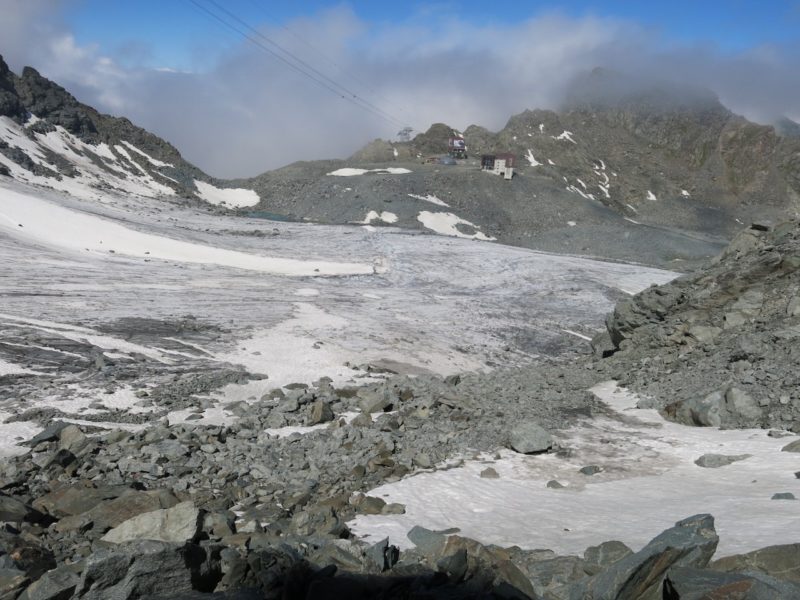
In summary, the 2026 summer season will be remembered as a turning point in the history of the Alps. The data provided by Glamos is a clear signal that the glacial retreat is not a slow, steady process, but rather an accelerating collapse. With temperatures continuing to rise, the scientific focus is now shifting from observing the decline to analyzing how society can adapt to a landscape where, in the near future, the iconic glaciers of Europe may no longer exist. The transition from an era of ice-capped peaks to a more arid, volatile mountain environment is well underway, forcing a re-evaluation of everything from energy policy to tourism, and from agricultural water security to regional transport networks. The 5.5% loss recorded in 2026 is not just a number; it is a stark reflection of a changing planet and a warning of the challenges that lie ahead for the Alpine region.

