
At the southern reaches of the globe, where the expanse of the Antarctic Ice Sheet meets the frigid waters of the Southern Ocean, a team of researchers led by Dr. Ali Banwell is working to decode one of the most significant variables in the modern climate equation. Dr. Banwell, a Research Scientist at the University of Colorado Boulder and a Professor in Glaciology at Northumbria University, recently concluded a high-stakes field season on the McMurdo Ice Shelf. As a member of the Protect Our Winters (POW) Science Alliance, her work transcends academic curiosity, aiming instead to provide empirical data on the structural integrity of the ice shelves that act as the continent’s primary defense against catastrophic sea-level rise. The research, funded by the National Science Foundation (NSF), focuses on the complex mechanical stresses within ice shelves—specifically "ice shelf rumples"—and how these features influence the rate at which land-based glaciers flow into the sea.
The Mechanics of Antarctic Ice Stability
To understand the urgency of Dr. Banwell’s research, one must first grasp the scale of the Antarctic cryosphere. The Antarctic Ice Sheet is the largest single mass of ice on Earth, containing enough water to raise global sea levels by approximately 190 feet (58 meters). While the complete melting of this sheet is not projected in the immediate future, the mechanisms that facilitate its gradual disintegration are already in motion.
Ice shelves play a pivotal role in this process. These are massive, floating extensions of the land-based ice sheets that ring roughly 75% of the Antarctic coastline. Glaciologists describe their primary function as "buttressing." Much like a flying buttress supports the walls of a cathedral, an ice shelf provides back-pressure that slows the flow of glaciers from the interior of the continent toward the ocean. When an ice shelf thins or collapses, this "plug" is removed, allowing land-based ice to accelerate its movement into the water. Because this land ice is newly introduced to the ocean, it directly contributes to sea-level rise, unlike the melting of sea ice or floating ice shelves themselves, which are already displacing their weight in water.
The Mystery of Ice Shelf Rumples
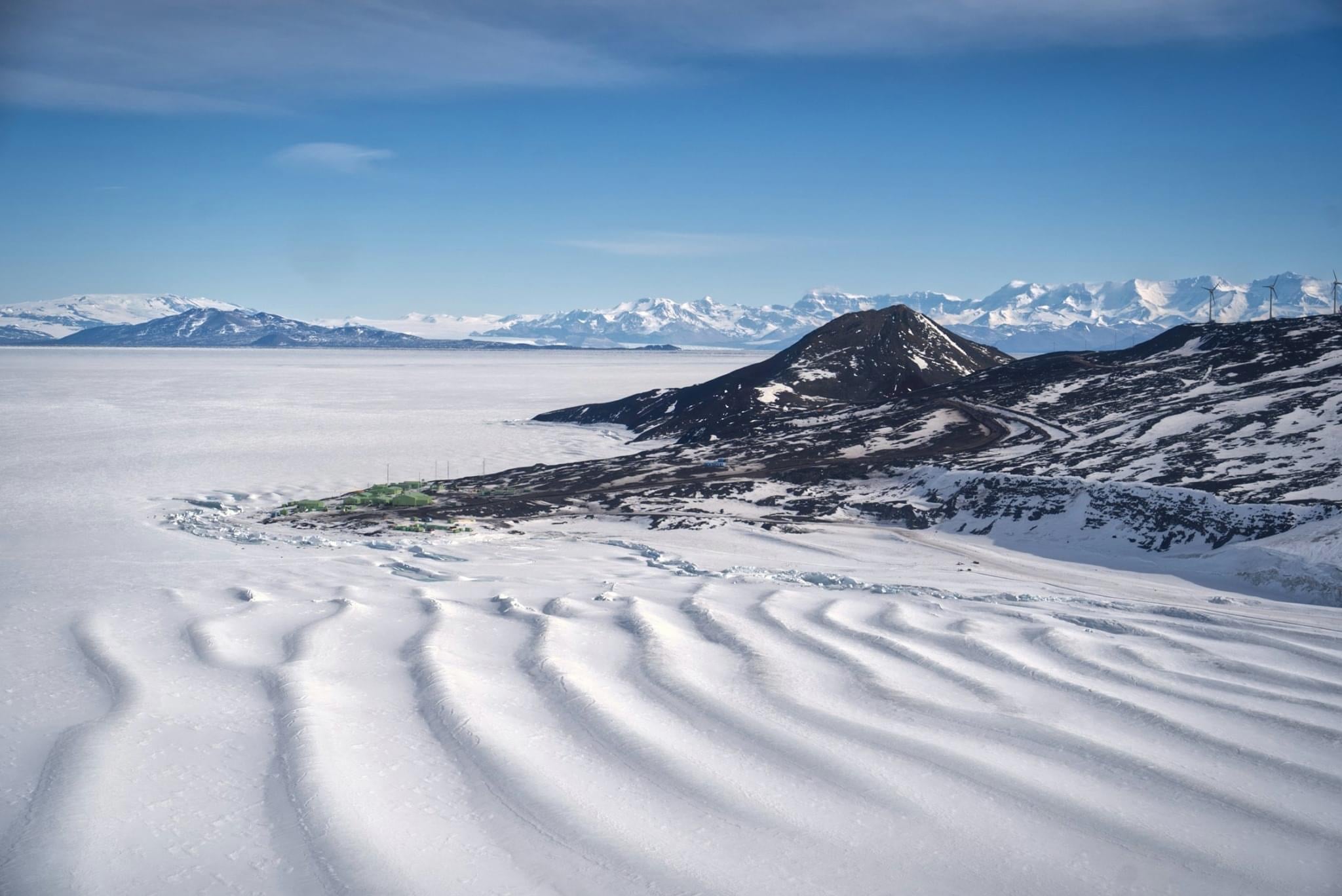
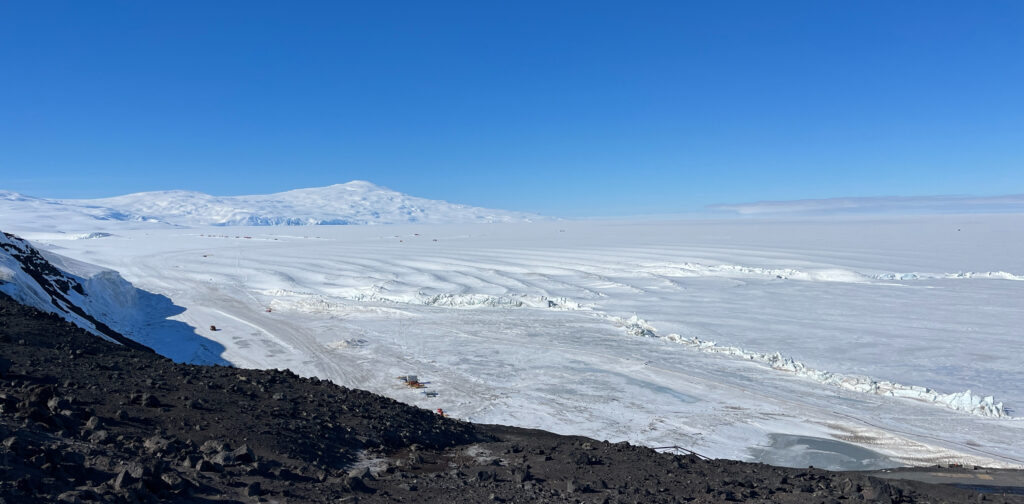
The McMurdo Ice Shelf, located near the United States’ McMurdo Research Station on Ross Island, presents a unique geological laboratory. Most ice shelves flow relatively unimpeded toward the open sea, but the McMurdo shelf encounters geographical obstacles. Instead of a linear outward flow, portions of the ice are pushed into landmasses or onto shallow seabed features.
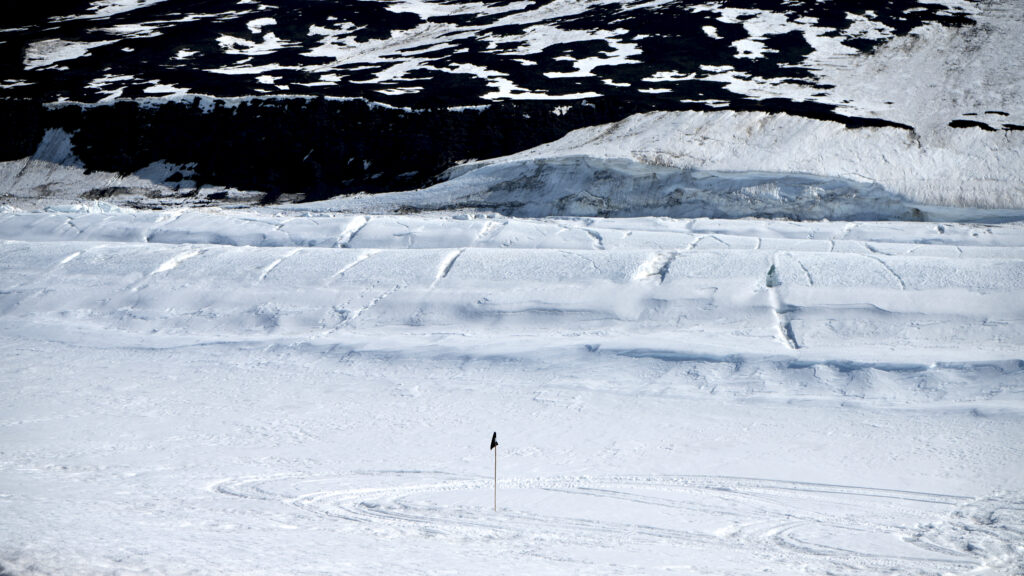
This interaction creates "ice shelf rumples"—wave-like ridges and troughs that manifest on the ice surface due to extreme compression. Dr. Banwell’s primary research question seeks to determine whether these rumples act as structural reinforcements that help anchor the ice shelf, or if the resulting buckling and fracturing create inherent vulnerabilities that could lead to a faster breakup. "The answer matters because ice shelves play a critical role in slowing the flow of glaciers on land into the ocean," Dr. Banwell noted, highlighting that the structural health of these rumples may be a deciding factor in the longevity of the Ross Ice Shelf system.
Chronology of the Field Expedition
The 2023-2024 field season involved a rigorous six-week deployment on the ice. Dr. Banwell led a specialized team of four, including Co-Principal Investigator Ryan Cassotto of the University of Colorado Boulder and the University of Maine, and PhD students Michela Savignano and Allie Berry.
The team’s daily operations involved traversing the "vast, remote, and at times almost otherworldly" landscape via snowmobiles. Operating out of McMurdo Station, the researchers spent their days navigating dangerous crevasse fields to reach the rumple zones. The expedition was characterized by the perpetual daylight of the Antarctic summer, which allowed for extended working hours but also accelerated the surface melt that the team was there to document.
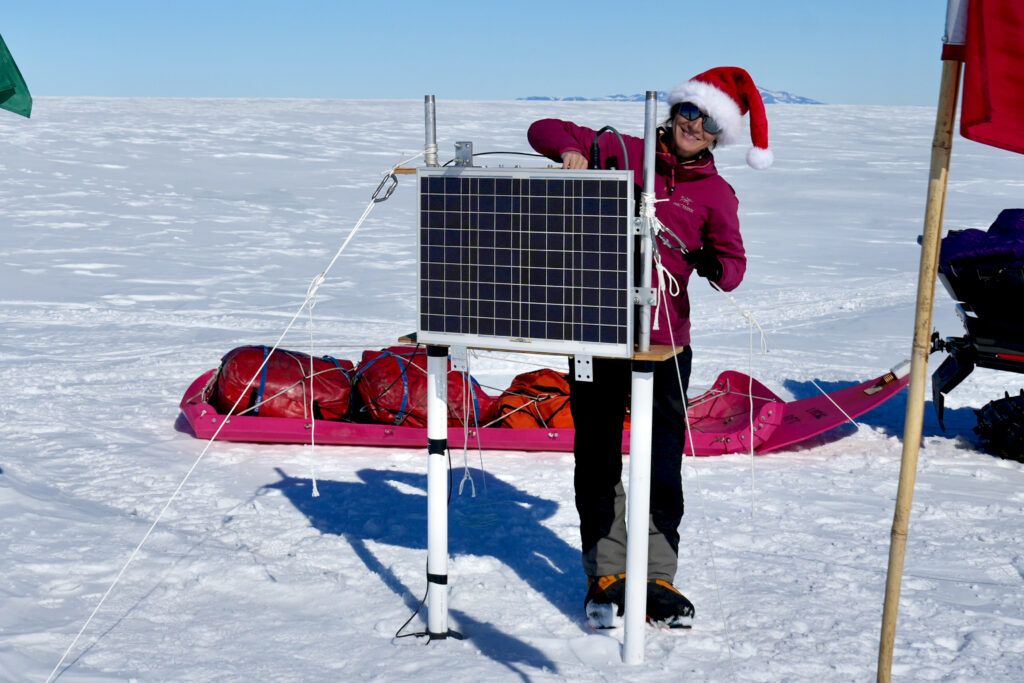
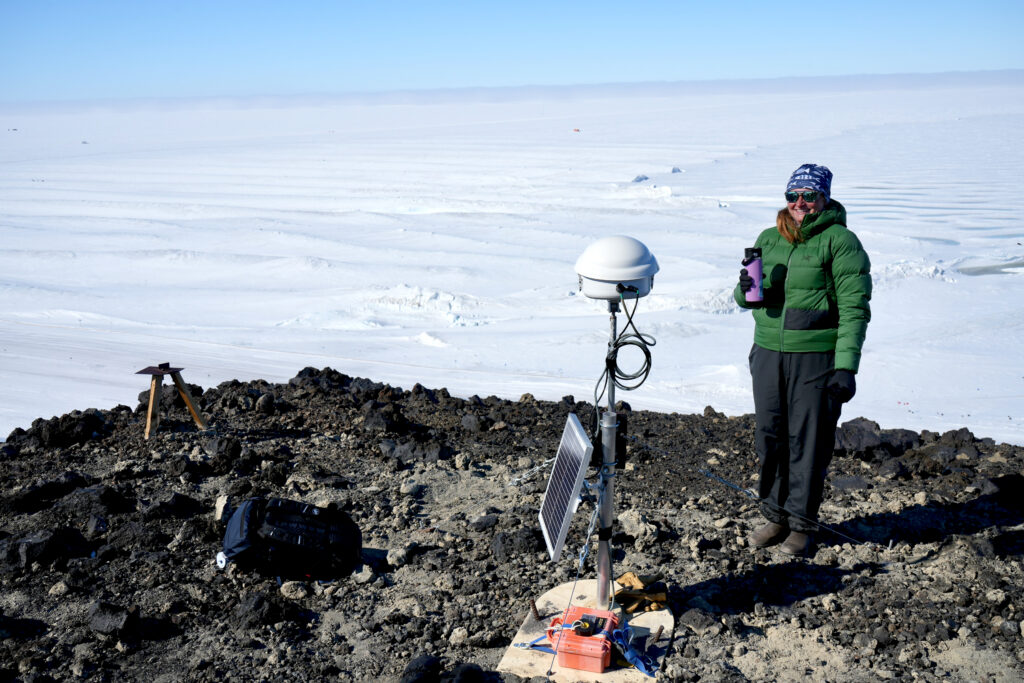
Throughout the six weeks, the team systematically installed a sophisticated network of monitoring equipment designed to survive the brutal Antarctic winter. This array includes:
- Seismometers: Sensitive instruments capable of detecting "icequakes" or the internal cracking sounds of the ice as it shifts and fractures.
- High-Precision GPS Units: Centimeter-accurate sensors that track the minute-by-minute movement of the ice shelf as it responds to tidal forces and internal pressure.
- Radar Systems: Ground-penetrating technology used to measure ice thickness and identify internal deformation layers within the shelf.
- Automated Weather Stations: Units that capture atmospheric data to correlate temperature spikes with ice movement.
- Time-Lapse Cameras: Positioned to take high-resolution images every 30 minutes, providing a visual record of surface changes and fractures throughout the year.
Initial Observations and Record Warmth
While the comprehensive data analysis will take place after the instruments are retrieved in the coming season, the team’s early observations have already raised concerns. Dr. Banwell reported that this field season was the warmest of the seven summers she has spent working in Antarctica.
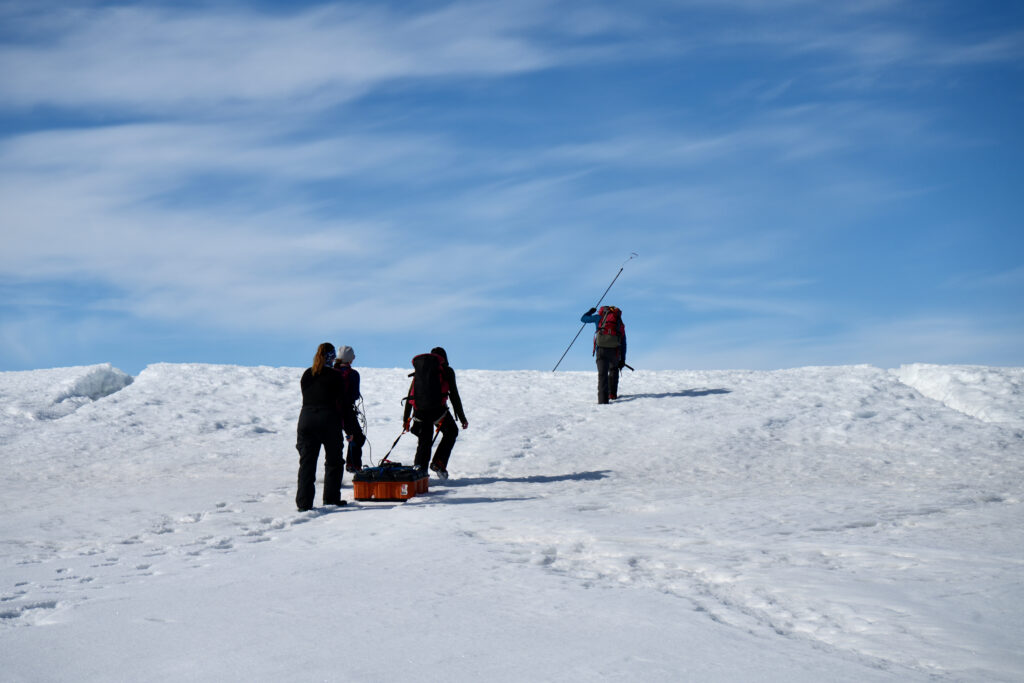
The anomalous warmth led to an earlier-than-expected snowmelt, which stripped away the "firn" (the layer of multi-year snow) to reveal a heavily fractured ice surface. The team encountered significantly more crevasses than historical data suggested for the area, necessitating advanced mountaineering techniques and constant vigilance.
Furthermore, preliminary GPS data indicated that the ice was moving faster than anticipated, averaging between one and two feet per day. In the context of glaciology, this is a remarkably dynamic rate of movement. "That might not sound like much, but over time it adds up," Dr. Banwell explained. This velocity, combined with the increased fracturing, suggests that the McMurdo Ice Shelf is in a state of constant, high-stress flux.
Supporting Data and Scientific Context
The research conducted by Dr. Banwell’s team sits within a broader scientific effort to refine climate models. Current projections from the Intergovernmental Panel on Climate Change (IPCC) suggest a global sea-level rise of one to three feet by the year 2100. However, these models often struggle to account for the "non-linear" behavior of ice—events where ice shelves collapse rapidly rather than melting slowly.
Historical precedents, such as the collapse of the Larsen B Ice Shelf in 2002, demonstrate how quickly these systems can fail. In that instance, an area of ice the size of Rhode Island disintegrated in just over a month after being stable for over 10,000 years. The McMurdo study is designed to identify the "warning signs" of such structural failures by looking at how fractures propagate through rumples and ridges.
Broader Impact and Global Implications
The implications of Dr. Banwell’s research extend far beyond the frozen coastline of Ross Island. Sea-level rise is not a uniform global phenomenon, but its impact is universally destabilizing for coastal infrastructure. A rise of just two feet would be sufficient to inundate low-lying areas in Florida, Bangladesh, and many Pacific Island nations, potentially displacing tens of millions of people.
By understanding the specific physics of ice shelf rumples, scientists can better predict which parts of the Antarctic coast are most at risk of "unplugging" the land ice behind them. If the data suggests that rumples are weakening, it may lead to a significant upward revision of sea-level rise estimates for the next century.
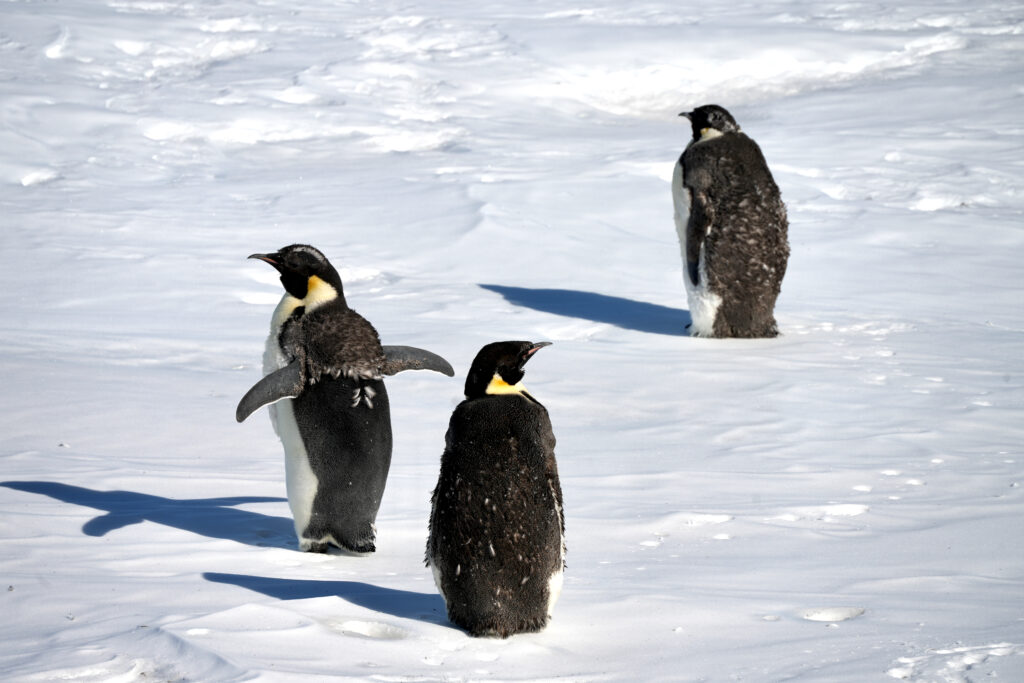
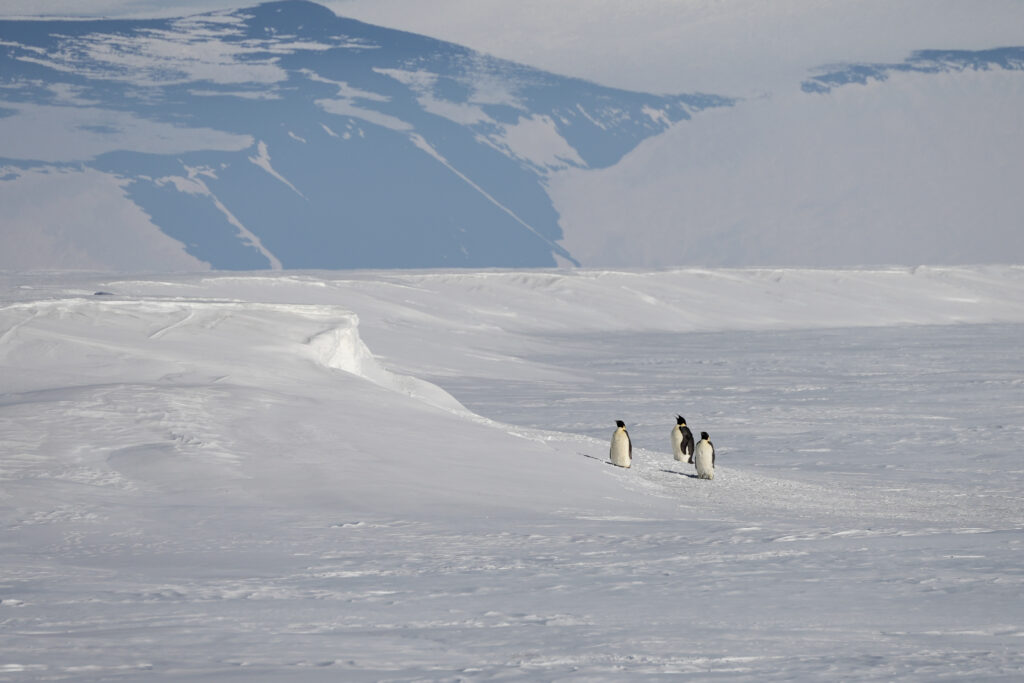
Furthermore, the presence of local wildlife, such as the three emperor penguins that remained near the field site during their molting process, serves as a reminder of the ecological stakes. The stability of the ice shelf is not only a matter of human coastal security but is also the literal foundation of the Antarctic ecosystem.
The Road Ahead for the Research Team
As the Antarctic winter sets in, the team’s instruments remain on the ice, "quietly collecting data" in total darkness and temperatures that can drop below -50 degrees Celsius. The team will return during the next austral summer to retrieve the hardware and the invaluable datasets stored within.
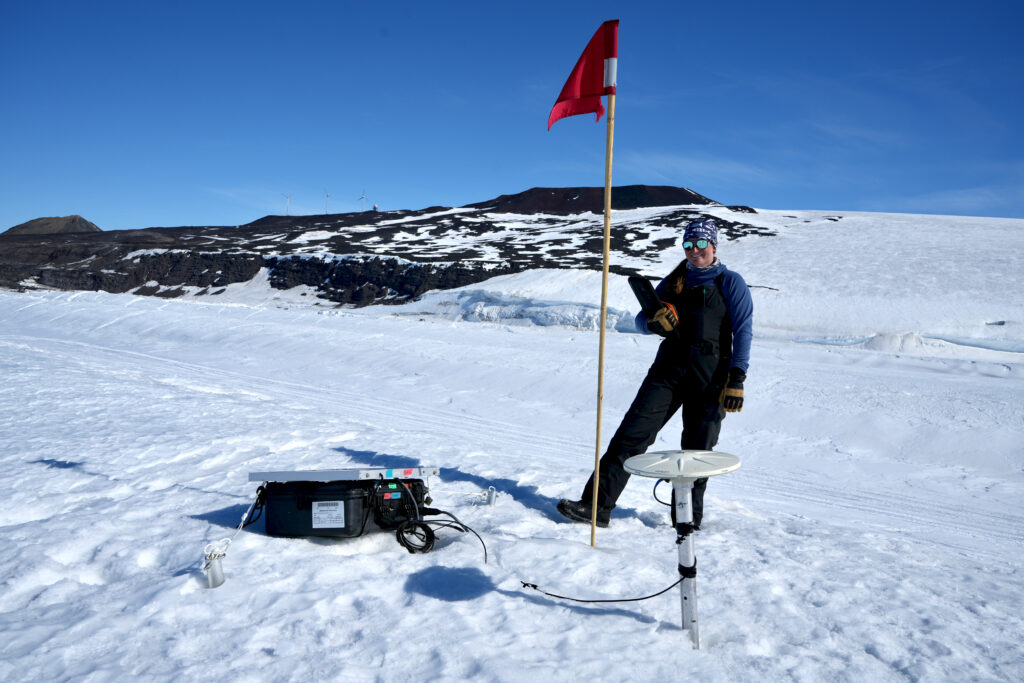
The subsequent phase of the project will involve cross-referencing this ground-level data with satellite observations from missions like ICESat-2. This "multi-scale" approach allows researchers to take the detailed, local physics observed at the McMurdo rumples and apply that knowledge to satellite imagery of the entire continent.
In the final analysis, the work of Dr. Banwell and her colleagues at the University of Colorado Boulder, Northumbria University, and the University of Maine represents a critical front in climate science. As Dr. Banwell noted, in Antarctica, even the smallest numbers—a foot of movement here, a degree of warming there—carry enormous weight. The scientists willing to endure the extremes of the South Pole to listen to the "cracking" of the ice are providing the world with the foresight necessary to prepare for a changing global coastline.

