
The introduction of the Atomic Nexus 130 BOA marks a significant advancement in ski boot technology, specifically addressing the long-standing challenge of combining ease of entry with uncompromising downhill performance. This flagship model, part of Atomic’s new Nexus series, targets a crucial segment of skiers who demand hard-charging capabilities but struggle with the rigidity and complex entry systems of traditional four-buckle designs. Set to arrive in shops in Fall 2026, the Nexus 130 BOA, with its innovative 101-millimeter last and mid-entry design, promises to make high-performance skiing more accessible to a broader demographic, from seasoned veterans facing mobility issues to dedicated enthusiasts seeking unparalleled convenience without sacrificing control.
Bridging the Gap: Accessibility Meets Aggression
For decades, ski boot design has largely presented a binary choice: ease of entry often came at the expense of performance, while high-performance boots were notoriously difficult to put on and take off. The Atomic Nexus 130 BOA endeavors to shatter this paradigm by integrating a sophisticated mid-entry system into a boot engineered for serious skiing. This design allows the front and rear of the cuff to separate widely, enabling skiers to step directly into the boot with minimal effort, even hands-free. This addresses a critical need for skiers who may experience mobility limitations, such as arthritis, joint stiffness, or recovery from injuries, but who retain the skill and desire to push their limits on the slopes.
Industry professionals have long recognized this unmet need. An experienced bootfitter, reflecting on the evolution of ski boot technology, notes, "It’s incredibly rewarding when manufacturers begin to address previously unserved needs. For years, we’ve seen skiers with significant talent and passion forced to compromise on performance due to the physical demands of boot entry. The Nexus series, particularly the 130 BOA, is a game-changer because it eliminates that painful trade-off. It’s making our job easier by delivering a high-quality, accessible product right out of the box." This sentiment underscores the market’s long-standing demand for such a solution, particularly as the skiing population continues to age, with a growing cohort of experienced skiers seeking comfort and convenience alongside their desire for high-level performance. The market data supports this, with various reports indicating a consistent rise in the average age of skiers in key markets, emphasizing the importance of products that cater to evolving physical needs.
Engineering Excellence: The Nexus 130 BOA’s Technical Specifications
At the heart of the Nexus 130 BOA’s innovative design are several key technological features that contribute to its unique blend of accessibility and performance. The boot boasts a robust 130 flex rating, indicating its suitability for expert skiers who require maximum power transmission and responsiveness. This is paired with a 101-millimeter last, positioning it as a mid-volume boot that balances a comfortable fit with precision for a wide range of foot shapes. This combination of high flex and accommodating last width is a deliberate choice to serve powerful skiers who might not fit into traditional narrow-lasted race boots.
The entry system itself is a marvel of engineering. It features a set-it-and-forget-it top buckle, which secures the upper cuff, and a mid-entry platform controlled by a rear lever. This lever, reminiscent of a walk-mode mechanism found on alpine touring boots, disengages the cuff for effortless entry. Once the skier steps in, the lever is closed, locking the cuff into a performance-oriented position. This mechanism represents a significant departure from the cumbersome process of wrestling with multiple buckles to open a traditional overlap shell.
A significant component of the Nexus 130 BOA’s lower shell closure is the BOA H+1 system. This advanced iteration of the BOA Fit System, already prevalent in various high-performance footwear, utilizes a high-strength cable and dial mechanism to provide a precise, micro-adjustable, and evenly distributed fit across the forefoot. The BOA H+1 system is specifically designed for demanding applications, offering unparalleled retention and responsiveness in the critical foot-wrapping zone. While some industry experts and skiers with severe fine motor skill impairments might find traditional buckles easier to manipulate with gloves or poles, the ability to pre-tighten the BOA dial before stepping in significantly mitigates this concern for many users, offering a consistent and repeatable closure.
Internally, the boot features an extremely stout heat-moldable Mimic Platinum liner. Atomic’s Mimic technology uses a special material that precisely molds to the shape of the foot, ankle, and shin when heated, providing a truly customized and supportive fit. This personalized fit is crucial for maintaining heel hold and overall foot stability, even in a higher-volume shell, ensuring that the power from the skier is efficiently transferred to the ski. The liner’s robust construction also plays a vital role in the boot’s overall stiffness and progressive flex, contributing to its aggressive performance characteristics.
On-snow performance tests, conducted in variable spring conditions at Sierra-at-Tahoe, revealed that the Nexus 130 BOA delivers on its promise of hard-charging capabilities. Despite its unconventional three-piece construction, the boot maintained excellent responsiveness. Testers, accustomed to lower-volume, race-oriented boots, noted an initial adjustment period due to the Nexus’s higher volume. However, consistent aggressive skiing, driving the heel into the well-defined pocket, quickly minimized any perceived slop. Meaningful play was only detected in extremely steep and challenging chunky terrain, suggesting that for the vast majority of demanding conditions, the boot holds its own. For skiers with genuinely high-volume feet, the heel hold is anticipated to be exceptional. The boot’s ankle break position, slightly high and forward, is also well-suited for skiers with higher insteps, further enhancing comfort and performance for this demographic.
The "unbolted spine" design, often a concern for power transmission in easy-entry boots, is ingeniously mitigated by a dual-pivot design, similar to that found in Lange Shadow boots. This engineering choice is instrumental in generating impressive rebound and creating leverage that imbues the boot with a lively, springy feel, particularly noticeable between carved turns. This innovative structural element ensures that the Nexus 130 BOA skis like a true 130-flex boot, defying expectations often associated with easy-entry designs. Atomic’s R&D team emphasizes that this dual-pivot mechanism was critical in achieving the desired balance of comfort and dynamic performance.
A Historical Perspective: The Evolution of Ski Boot Design
The ski boot market has undergone a continuous evolution, driven by advancements in materials science, manufacturing techniques, and a deeper understanding of biomechanics. For decades, the four-buckle overlap design dominated the performance segment, offering unparalleled power transmission and control. However, these boots were notoriously difficult to enter, particularly in cold conditions, leading to frustration for many skiers. The rigidity of the plastic shells and the tight tolerances required for performance often meant a painful and arduous process of forcing one’s foot into the boot.
The late 1970s and 1980s saw the rise of the rear-entry boot, a design aimed squarely at improving accessibility. These boots featured a hinge at the back, allowing the entire rear cuff to swing open, making entry and exit effortless. Iconic models from brands like Salomon and Nordica gained significant market share by prioritizing convenience. While popular for their ease of use, rear-entry boots often struggled with lateral stiffness and heel retention, leading to a noticeable compromise in downhill performance. The direct energy transfer and precise feel of traditional overlap boots remained superior for aggressive skiing, and rear-entry boots eventually faded from the mainstream performance market, relegated primarily to beginner and comfort-oriented segments by the early 1990s.
The early 21st century brought innovations in shell materials, liner technology, and micro-adjustable buckles. Custom bootfitting services became increasingly sophisticated, able to address a wide array of foot shapes and biomechanical issues. More recently, the BOA Fit System, initially popularized in snowboarding boots, cycling shoes, and other athletic footwear, began to make inroads into the ski boot market around the mid-2010s. Its promise of uniform pressure distribution and micro-adjustability offered a new avenue for enhancing fit and performance. However, until now, the integration of BOA into truly high-performance, easy-entry boots has been limited, leaving a significant void.
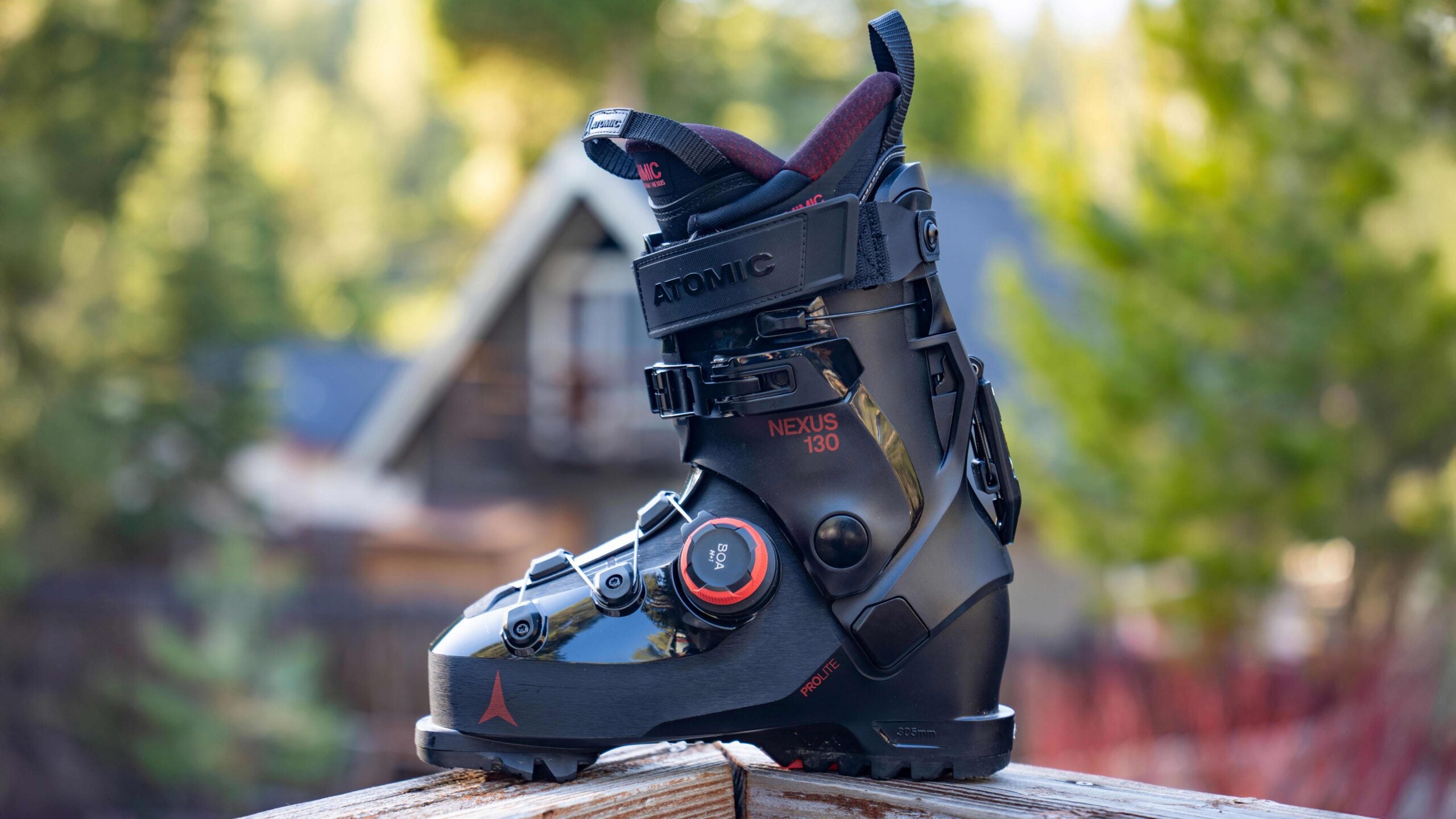
The Atomic Nexus 130 BOA represents a culmination of these historical lessons and technological advancements. It learns from the accessibility triumphs of rear-entry boots without repeating their performance compromises. It leverages the precision of modern shell construction and custom liners while integrating the advanced closure capabilities of the BOA H+1 system. This synthesis positions the Nexus as a landmark product, signaling a new era where skiers no longer have to choose between convenience and uncompromised downhill prowess.
Market Demographics and Unaddressed Needs
The launch of the Atomic Nexus 130 BOA is particularly timely given demographic shifts within the skiing community. According to industry reports from organizations like the National Ski Areas Association (NSAA) and European industry bodies, the average age of skiers has been steadily increasing in many regions, especially in established markets like North America and Europe. While many older skiers remain incredibly active and skilled, they are also more likely to experience age-related mobility challenges such as arthritis, decreased flexibility, or recovery from injuries. These conditions can make the strenuous process of donning and doffing traditional ski boots a significant deterrent, sometimes even leading to skiers abandoning the sport they love.
For instance, data from orthopedic associations indicates that knee and hip issues, often exacerbated by repetitive motion and cold, are common among active older adults. The contortions required to manipulate four stiff buckles and force a foot into a rigid shell can be painful or even impossible for this group. The Nexus directly addresses this pain point, allowing these dedicated skiers to continue participating without the pre-skiing struggle. Atomic’s internal research highlighted a significant portion of their target demographic expressing frustration with boot entry, even among those without severe mobility issues.
Furthermore, a substantial segment of younger, performance-oriented skiers also prioritizes convenience. While perhaps not facing significant mobility issues, the appeal of a boot that can be effortlessly entered and exited—even hands-free—is universal. This eliminates the frustrating "parking lot struggle" that has become an almost ritualistic part of the ski experience for many, freeing up more time and energy for actual skiing. The "set-it-and-forget-it" nature of the top buckle and the pre-tensioning capability of the BOA system offer a streamlined process that appeals to a broader audience seeking efficiency.
Comparative Analysis: Standing Against the Competition
When evaluating the Nexus 130 BOA within the landscape of easy-entry ski boots, its performance credentials immediately set it apart. While the market has seen other attempts at user-friendly designs, few have managed to maintain a truly high-performance profile.
The Rossignol Vizion, for example, which also uses a mid-entry concept, represents another manufacturer’s approach to this challenge. While direct comparative performance data for the Vizion is still emerging, the Nexus 130 BOA is confidently positioned by testers to out-ski the Nordica HF series. The Nordica HF, while an excellent boot for its intended audience, prioritizes maximum ease of entry and comfort, often including heated liners, making it exceptionally cushy. It is arguably better suited for older skiers or those with more pronounced mobility limitations for whom absolute top-tier downhill performance is secondary to unparalleled comfort and effortless adjustability. The Nexus 130 BOA, in contrast, is explicitly engineered for skiers who want to "shred bell-to-bell," demanding a true 130-flex experience without the parking-lot dread. It aims for a sweet spot where high performance and accessibility converge, appealing to a different, albeit overlapping, demographic than the ultra-comfort-focused HF series.
The integration of the BOA H+1 system also offers a distinct advantage in terms of precise fit and pressure distribution compared to traditional buckle systems on many other easy-entry boots. This micro-adjustability allows for a finely tuned fit that maximizes power transfer and comfort, something often difficult to achieve with fewer, larger buckles. This level of granular adjustment is a key differentiator in achieving a true performance fit.
Broader Impact and Industry Implications
The introduction of the Atomic Nexus 130 BOA has significant implications for the ski industry. Firstly, it validates the notion that specialized "niche" products, when executed with precision, can unlock substantial market potential. By targeting a segment of skiers whose needs were previously underserved, Atomic is not only addressing a critical pain point but also potentially expanding the overall market for performance boots. Skiers who might have considered scaling back their activity due to boot-related frustrations now have a viable option to maintain their high-performance pursuits. This could contribute to sustained participation rates, a crucial factor for the long-term health of the industry.
Secondly, this development could spur further innovation across the industry. Other manufacturers, observing the success and positive reception of the Nexus, may be compelled to invest more heavily in R&D for hybrid designs that blend accessibility with performance. This competitive landscape could lead to a new generation of ski boots that are more user-friendly across the board, without compromising the exhilarating experience of aggressive skiing. This shift reflects a growing consumer demand for products that seamlessly integrate convenience with high functionality.
Thirdly, the Nexus series reinforces the growing trend of personalization and customization in ski gear. While custom bootfitting remains paramount, boots like the Nexus, with their advanced liners and precise closure systems, are designed to offer a superior out-of-the-box experience, reducing the amount of post-purchase customization needed for many skiers. This improves the overall customer journey and satisfaction, making high-performance skiing less intimidating for new adopters and more enjoyable for veterans.
Finally, Atomic’s strategic move with the Nexus series reinforces its reputation as a brand committed to innovation and market leadership. By identifying and effectively addressing an unmet need with a technically sophisticated solution, Atomic positions itself at the forefront of ski boot evolution, potentially attracting a new loyal customer base. A spokesperson for Atomic noted, "Our goal with the Nexus was not just to create a new boot, but to open up the joy of high-performance skiing to everyone, regardless of the challenges they face getting into traditional boots. We believe this series will redefine expectations."
The Full Nexus Lineup and Future Outlook
The Atomic Nexus 130 BOA is the flagship of an entire new series designed to cater to a range of performance levels and gender-specific needs. The men’s lineup includes the Nexus 120 BOA, Nexus 110 BOA, and the Nexus 110 (without BOA), offering options for slightly less aggressive skiers or those who prefer traditional buckles. For women, the series introduces the Nexus 105 BOA W, Nexus 95 BOA W, and Nexus 95 W (without BOA), providing tailored flex patterns and fits. This comprehensive approach ensures that the benefits of the mid-entry design and the advanced closure systems are available across various skill levels and preferences, reflecting Atomic’s commitment to inclusivity in performance skiing.
All Atomic Nexus models are slated for an anticipated launch in retail shops in Fall 2026, marking a pivotal moment for the ski boot market. This release is expected to be met with considerable enthusiasm from skiers who have long yearned for a boot that combines the ultimate convenience of entry with the uncompromised power and precision required for challenging terrain and aggressive skiing. For those who have experienced the frustration of cold plastic and difficult buckles, or even thrown a boot across a parking lot in exasperation, the Nexus could truly be the solution they’ve been waiting for, allowing them to focus on the joy of skiing until the very last chair. The pain and anguish, as one enthusiast quipped, can now be reserved solely for navigating the inevitable "red snake" of fellow skiers on the way home, having maximized every moment on the slopes. This paradigm shift could ultimately foster greater participation and longevity in the sport, ensuring that the thrill of skiing remains accessible to all, regardless of physical limitations.

