
The Town of Vail has implemented a significant parking ban at the popular Booth Lake Trailhead in East Vail, a move designed to combat escalating overtourism and its associated environmental and community impacts. Effective May 31st and extending through the fall season, the closure of the trailhead parking lot, along with prohibitions on neighborhood street parking, Booth Creek Park, and the Vail Mountain School lot, marks a decisive step by local authorities to manage visitor access to one of the region’s most cherished natural destinations. This decision underscores a growing challenge faced by many popular outdoor recreation areas: balancing public access with the preservation of delicate ecosystems and the quality of life for local residents.
Background: The Growing Strain on Booth Lake Trail
Booth Lake Trail, renowned for its stunning alpine scenery, challenging ascent, and the breathtaking reward of Booth Lake itself, has seen a dramatic surge in popularity in recent years. This increased visitation, while indicative of the trail’s allure, has placed an unsustainable strain on its infrastructure and the surrounding environment. Anecdotal evidence and reports from local authorities have pointed to significant issues stemming from unchecked visitor numbers. These include widespread parking violations, traffic congestion in residential areas, increased litter, damage to vegetation, and a diminished visitor experience due to overcrowding.
The trailhead’s proximity to the residential neighborhood of East Vail has been a particular point of contention. As parking at the designated lot became insufficient, visitors increasingly resorted to parking on narrow residential streets, disrupting residents’ daily lives and creating safety hazards. The Vail Mountain School, adjacent to the trailhead, also faced challenges with overflow parking impacting its operations. The cumulative effect of these issues necessitated a proactive and comprehensive approach from the Town of Vail to mitigate the negative consequences of the trail’s popularity.
A Chronology of Restrictions and Alternatives
The parking ban at the Booth Lake Trailhead represents the culmination of ongoing efforts by the Town of Vail to manage visitor access. While the specific timeline for the decision-making process leading up to the May 31st ban is not detailed in the provided text, the implementation signifies a shift towards more restrictive measures.
The ban encompasses several key areas:
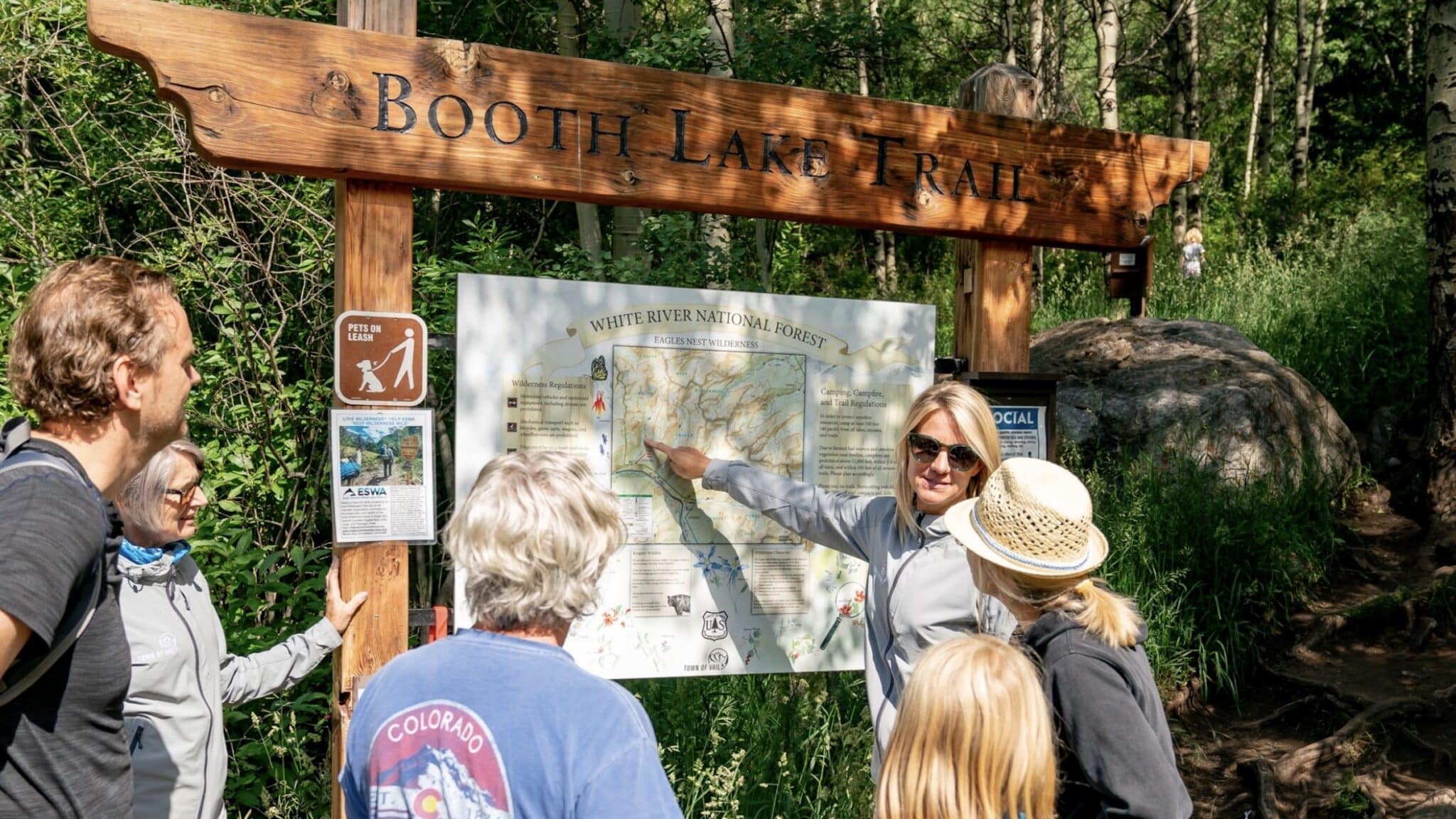
- Booth Lake Trailhead Parking Lot: Closed to all public parking.
- East Vail Neighborhood Streets: Parking is prohibited.
- Booth Creek Park: No parking permitted.
- Vail Mountain School Lot: Closed in coordination with the school administration.
Violators of these parking restrictions face the immediate consequence of being towed, a clear indication of the town’s commitment to enforcing the new regulations.
Crucially, the Town of Vail has not opted for a simple closure without providing alternatives. This approach aims to redirect visitor traffic and minimize disruption while still allowing access to the trail. The town has emphasized several alternative transportation and access methods:
- Free Public Bus System: The town’s existing free bus service offers a direct route from the Vail Transportation Center to the Booth Lake Trailhead. The current spring schedule provides service from 6 a.m. and 7 a.m., followed by 30-minute intervals until 6 p.m., and then hourly service until 2 a.m. A more extensive summer schedule, launching June 8th, will further enhance service frequency and operating hours. Full schedule details are available on vail.gov/bus.
- Bicycle Access: Bike racks and a Shift Bike e-bike share station are installed at the trailhead, encouraging visitors to cycle to the location.
- Private Vehicle Drop-off/Pick-up: While parking is banned, temporary drop-off and pick-up by private vehicles remain permitted.
- Restroom Facilities: Existing restroom facilities at the trailhead will continue to be available.
- Overnight Parking for Backpackers: For those planning overnight backpacking trips, parking is available in the Vail Village, Lionshead, or Red Sandstone garages. Information on parking rates and locations can be found at vail.gov/parking.
Addressing Specific Concerns: Pet Policies and Visitor Experience
The town has also addressed specific user needs and concerns. Dog owners are advised that only service animals are permitted on the town buses. This necessitates either arranging a drop-off for pets or considering alternative trails if hiking with a dog. This detail highlights the town’s consideration for various user groups and the practicalities of implementing such a ban.
The provision of on-site restrooms and designated drop-off zones ensures that basic amenities and access for essential purposes are maintained, aiming to strike a balance between necessary restrictions and visitor comfort.
Supporting Data and Broader Implications
While specific visitor numbers for Booth Lake Trail are not provided, the decision to implement such a restrictive parking ban strongly suggests that current visitor levels have surpassed sustainable thresholds. Many popular hiking destinations in Colorado and across the Western United States have experienced similar escalations in visitor numbers, often referred to as "overtourism." For instance, the Maroon Bells-Snowmass Wilderness area near Aspen has implemented a similar shuttle-only access policy for much of the year due to extreme demand. Data from the U.S. Forest Service consistently shows increasing visitation trends at popular trailheads nationwide, driven by factors such as social media exposure, increased leisure time, and a growing appreciation for outdoor recreation.

The implications of Vail’s decision extend beyond the immediate management of the Booth Lake Trail. This proactive measure could serve as a model for other municipalities and land management agencies grappling with similar challenges. It underscores a willingness to implement potentially unpopular but necessary policies to ensure the long-term health of natural resources and the sustainability of tourism.
Analysis of Implications:
- Environmental Preservation: By reducing the number of vehicles directly accessing the trailhead, the ban aims to decrease soil erosion, minimize vegetation damage, reduce noise pollution, and lessen the overall human footprint on a sensitive alpine environment.
- Community Well-being: The restriction on neighborhood parking directly addresses resident concerns about traffic, noise, and safety, improving the quality of life for those living in East Vail.
- Visitor Experience: While some visitors may find the new restrictions inconvenient, the long-term goal is to enhance the hiking experience by reducing crowding and preserving the natural beauty that draws people to Booth Lake in the first place.
- Shift in Transportation Habits: The emphasis on public transit and cycling encourages a shift away from single-occupancy vehicle use, aligning with broader environmental sustainability goals.
- Potential Economic Impact: While not explicitly stated, a significant reduction in direct vehicle access might initially deter some day-trippers. However, the town’s provision of alternative transportation and the continued accessibility through public transit aim to mitigate this, potentially encouraging longer stays and greater utilization of other town amenities.
Official Responses and Future Outlook
While direct quotes from town officials are not included in the source material, the decision itself speaks volumes about the Town of Vail’s priorities. The measured approach, combining restrictions with accessible alternatives, suggests a strategy rooted in balancing conservation with public access. The explicit mention of towing violators indicates a firm stance on enforcement.
The success of this initiative will likely be measured by its impact on visitor behavior, environmental conditions at the trailhead, and resident satisfaction. The town’s commitment to providing detailed information on bus schedules and parking alternatives indicates an ongoing effort to communicate the changes effectively and support visitors in adapting to the new regulations. The continued monitoring of conditions and potential adjustments to the policy based on its effectiveness will be crucial in the coming seasons.
The closure of the Booth Lake Trailhead parking lot is a clear signal that the era of unrestricted access to popular natural areas may be drawing to a close in many beloved destinations. As overtourism continues to present significant challenges, communities like Vail are being forced to innovate and implement bold solutions to protect their natural treasures for future generations. The long-term sustainability of outdoor recreation hinges on such proactive management strategies.

