
The path from a typical ski bum gap year to becoming a leading voice in orthopedic sports medicine is rarely linear, yet for Dr. Greg Lichtman, the journey was forged in the high-altitude laboratories of Vail, Colorado. While many young skiers spend their post-collegiate years bumping chairlifts or teaching toddlers the basics of a snowplow, Lichtman secured a pivotal role at the Steadman Philippon Research Institute (SPRI). It was there, amidst the world’s elite alpine athletes and cutting-edge surgical theaters, that he began to decipher the complex biomechanical puzzles of the Anterior Cruciate Ligament (ACL). Today, as a practicing orthopedic surgeon in Auburn, California, and a pool physician for the U.S. Women’s Ski Team, Lichtman is leveraging that expertise to bridge the gap between surgical excellence and injury prevention.
The Evolution of a Specialist: From Vail to the U.S. Ski Team
Dr. Lichtman’s professional trajectory was heavily influenced by his immersion in the high-stakes world of professional skiing. During his tenure at the Steadman Philippon Research Institute, he worked in close proximity to U.S. Ski Team athletes who were undergoing reconstructive surgeries. This experience provided a front-row seat to the physical and psychological toll of season-ending injuries. "It really opened up my eyes to ACL tears," Lichtman noted, reflecting on how those early days in Vail shaped his clinical focus.
Following his time in Colorado, Lichtman pursued a sports medicine fellowship at the University of Massachusetts. This period was critical in rounding out his understanding of regional injury patterns. While the West Coast is famous for its deep powder and "Sierra Cement," the East Coast’s icy, hardpack conditions present a different set of hazards. This geographical diversity in his training allowed him to observe a high volume of injuries across varied terrains, leading to a realization: while land-based sports like soccer and basketball have robust, data-driven injury prevention protocols, the skiing industry remains significantly behind.
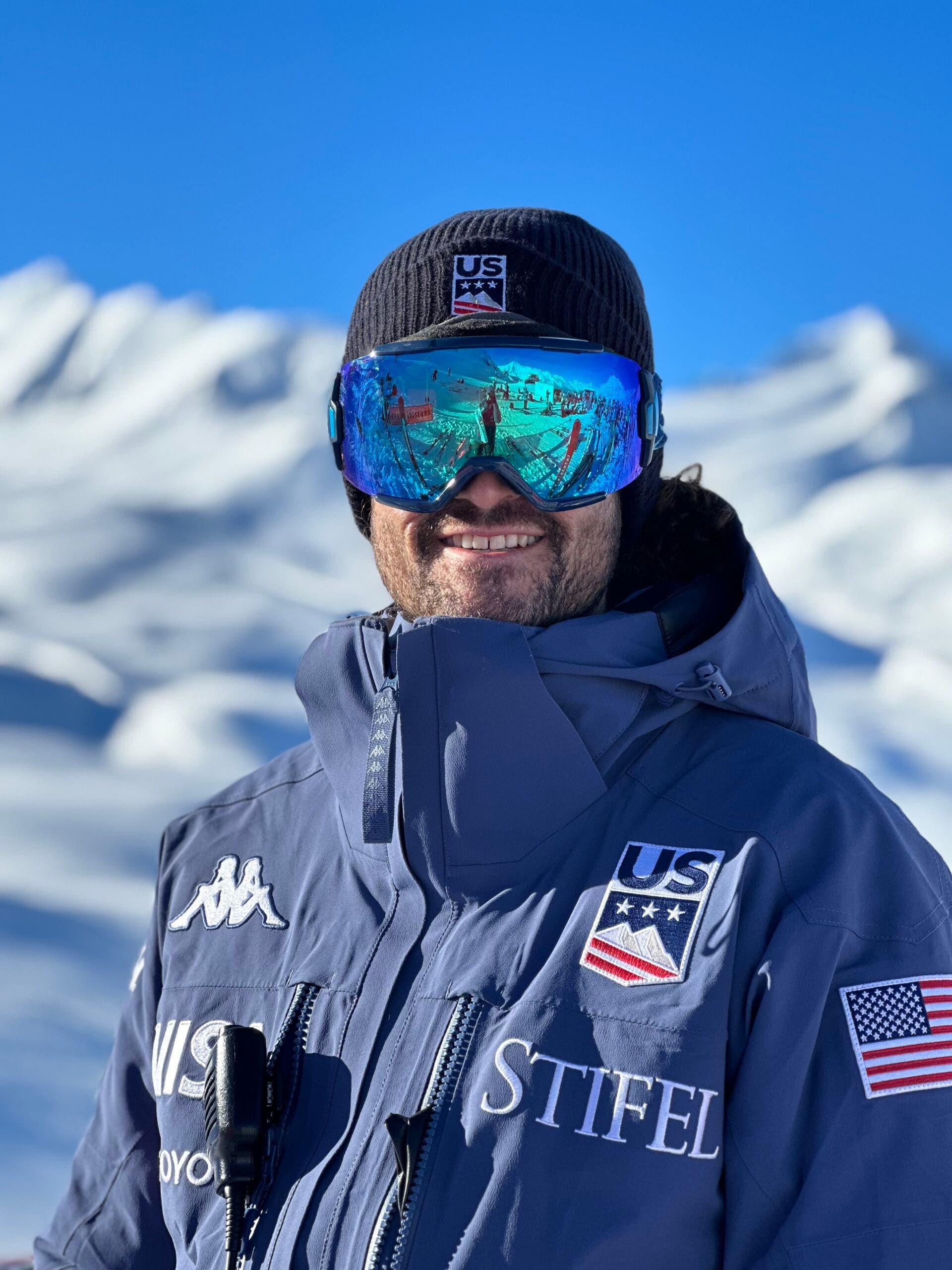
Currently, Lichtman balances his surgical practice near the Tahoe basin with his responsibilities for the U.S. Women’s Ski Team. His role as a pool physician involves traveling to iconic international venues, from the steep pitches of Val d’Isère, France, to the legendary slopes of Portillo, Chile. With an upcoming assignment in Lillehammer, Norway, Lichtman continues to observe the world’s fastest skiers, gaining insights that he brings back to his recreational patients in California.
The Biomechanics of Disaster: Understanding the 60-Millisecond Window
To prevent an injury, one must first understand the precise moment of failure. Dr. Lichtman identifies the "backseat" position—where a skier’s weight shifts too far behind their center of gravity—as the primary precursor to ACL catastrophe. When a skier is in the backseat, they lose the ability to modulate the forces acting on their knees, often entering a state of "deep flexion" in the hips and knees where control is effectively neutralized.
According to Lichtman, there are two primary mechanisms that lead to a rupture: the "Slip-catch" and the "Phantom Foot."
The Slip-catch Mechanism
The Slip-catch is a high-speed phenomenon often seen in racing or on icy terrain. It occurs when the downhill ski loses contact with the snow during a turn. As the skier attempts to regain grip, the leg abruptly straightens and then compresses violently upon re-engaging with the snow. This causes the tibia (the lower leg bone) to undergo "valgus" stress or internal rotation. "That’s the 60-millisecond time frame when the ACL tears," Lichtman explains. The sheer speed of this internal rotation exceeds the ligament’s tensile strength before the brain can even register the fall.
The Phantom Foot Mechanism
Common among recreational skiers, the Phantom Foot occurs when a skier falls backward and away from their skis. In this scenario, the tail of the downhill ski, combined with the stiff rear spoiler of the ski boot, acts as a lever—a "phantom foot" extending behind the actual foot. When the skier’s weight thrusts onto the inside edge of this downhill ski while in a seated position, the lever twists the knee with immense torque. Because the force is rotational and directed through the back of the boot, it often bypasses the release mechanisms of traditional bindings, tearing the ACL before the ski ever detaches.
Environmental Risk Factors and the Fatigue Threshold
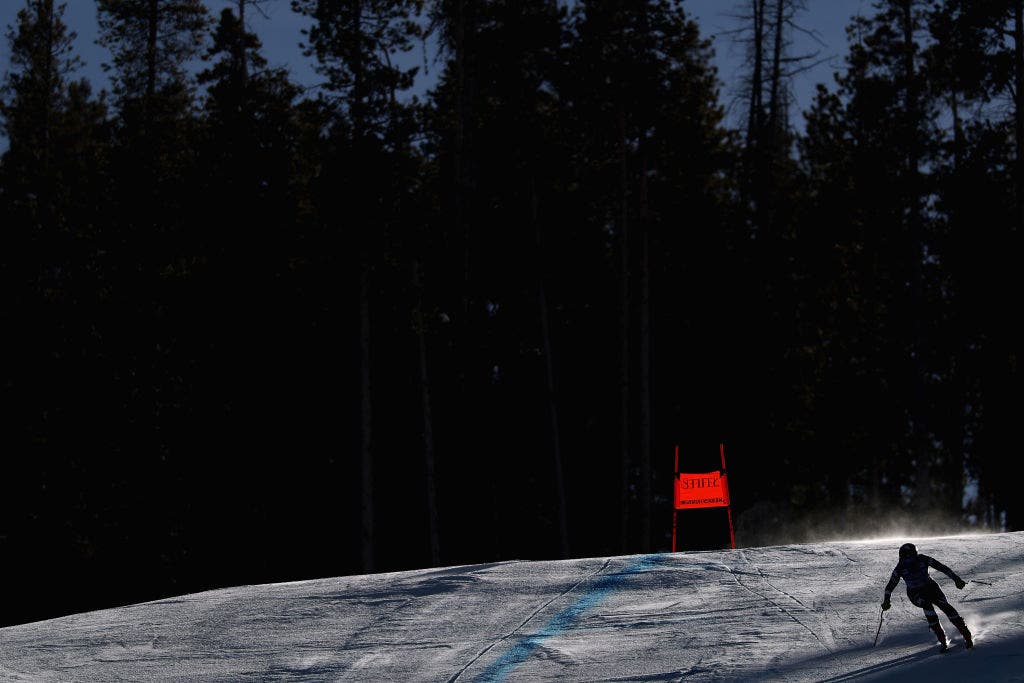
Data suggests that injury rates are not distributed evenly throughout the winter. Dr. Lichtman observes a significant spike in ACL injuries during the month of December. This trend is attributed to "early-season legs," where skiers have not yet regained the muscular endurance required for full days on the mountain. As fatigue sets in, the muscles that stabilize the knee—specifically the hamstrings and glutes—stop firing efficiently, forcing the skier into the dangerous backseat stance.
Environmental conditions also play a decisive role. Lichtman highlights three major risk factors:
- Flat Light: When visibility is poor, skiers cannot anticipate changes in terrain. This leads to sudden "jolts" that can kick a skier off-balance and into a Slip-catch scenario.
- Variable Snow: The transition from soft powder to "Sierra Cement" or hidden ice patches creates unpredictable resistance, often catching a ski edge unexpectedly.
- Terrain Mismatch: There is a strong correlation between "sending it" off jumps without proper landing form and ACL tears. Landing in the backseat after a jump is one of the most common ways recreational skiers end their season.
Shifting the Paradigm: Conditioning Beyond the Wall Sit
For decades, the "two-minute wall sit" has been the gold standard for pre-season preparation. However, Dr. Lichtman argues that this approach is insufficient because it focuses almost exclusively on the quadriceps. In reality, overactive quads without compensatory hamstring and core strength can actually increase the pull on the tibia, potentially stressing the ACL.
To truly protect the knee, Lichtman advocates for a shift toward "lateral and posterior chain" stability. He emphasizes the importance of the Gluteus Medius. This muscle is responsible for hip abduction and is instrumental in keeping the knee aligned directly over the toes during dynamic movement. When the gluteus medius is weak, the knee is more likely to collapse inward (valgus), which is the exact position where ACL tears occur.
Furthermore, Lichtman highlights core stability—specifically the obliques—as a critical component of injury prevention. A strong core allows a skier to recover their balance when they are "kicked" by a bump, preventing the transition into the backseat. He notes that even high-level athletes often neglect these stabilizing muscle groups in favor of more traditional power lifting.
The Role of Equipment and Future Innovations
A common misconception among skiers is that high-quality bindings are a failsafe against ligament injuries. Lichtman clarifies that most ACL tears occur before the binding even has the opportunity to release. This is particularly true in rotational falls where the force does not meet the vertical or lateral thresholds required to "pop" the boot out of the binding.
While he acknowledges that multidirectional release systems, such as those found in certain Look bindings, offer a higher margin of safety, he stresses that proper maintenance is more important than the brand. Skiers must ensure their DIN settings are accurately calibrated based on their height, weight, age, and actual skill level. "We’re not all Breezy Johnson," Lichtman says, referring to the U.S. downhill star. Setting a DIN too high for recreational speeds is a frequent contributor to avoidable lower-limb injuries.
Looking forward, Lichtman sees a desperate need for technological evolution in the industry. He suggests that the next frontier in ski safety is the development of "smart bindings" with electronic sensors capable of detecting rapid internal rotation of the tibia. Such a system could theoretically trigger a release in that 60-millisecond window before the ACL reaches its breaking point.
Broader Implications for the Ski Industry
The economic and social impact of ACL injuries in skiing is staggering. With the average cost of surgery and rehabilitation ranging from $20,000 to $50,000, and a recovery timeline of nine to twelve months, a single 60-millisecond mistake can have year-long consequences.
Dr. Lichtman points out a glaring disparity: in sports like soccer, standardized ACL prevention programs have been shown to reduce injury rates by 40 to 60 percent. In skiing, no such universal program exists. The medical community is increasingly calling for the "validation" of ski-specific dryland training that can be implemented at the resort level.
As climate change continues to create more variable and "icy" conditions globally, the risk profile for recreational skiers is shifting. The work of surgeon-advocates like Dr. Lichtman represents a vital movement toward a "preventative" rather than "reactive" model of sports medicine. By combining biomechanical education with targeted physical conditioning, the goal is to ensure that the only thing skiers bring home from the mountain is a sense of accomplishment—not a surgical referral.

