
The arrival of the winter sports season brings a surge in activity across alpine regions, but with the thrill of the descent comes a documented increase in musculoskeletal trauma. Medical professionals and physical therapists are increasingly advocating for "pre-habilitation"—a proactive approach to fitness that prepares the body for the unique stresses of skiing before the first snow falls. Dr. Matt Hastings, a Doctor of Physical Therapy specializing in alpine sports at The Alpine Athlete, emphasizes that while environmental hazards like hidden rocks and icy patches are unpredictable, a skier’s physical preparedness is a controllable variable that significantly dictates injury outcomes.
The Biomechanical Demands of Alpine Skiing
Skiing is a physically demanding pursuit that requires a rare combination of explosive power, sustained endurance, and reflexive stability. Unlike many traditional field sports, skiing involves high-velocity movements in a gravity-assisted environment where the legs must act as sophisticated shock absorbers. The "burn" often felt in the quadriceps during a long run is not merely fatigue; it is the result of sustained isometric and eccentric contractions that the average gym-goer rarely replicates in standard workouts.
According to data from the National Ski Areas Association (NSAA) and various sports medicine journals, knee injuries—specifically anterior cruciate ligament (ACL) tears—remain the most common serious injury on the slopes, accounting for approximately 25 to 30 percent of all skiing-related medical incidents. These injuries often occur during the "phantom foot" scenario or when a skier is off-balance and attempts to recover while the downhill ski is weighted. By implementing targeted physical therapy exercises, skiers can improve their neuromuscular control, ensuring that their muscles fire correctly to protect vulnerable joints.
Eccentric Strengthening: Training for the Descent
One of the most critical, yet frequently overlooked, components of ski fitness is eccentric training. In physiological terms, an eccentric contraction occurs when a muscle lengthens under tension. During a squat, the descent phase is the eccentric portion. On the mountain, as a skier navigates moguls or absorbs changes in terrain, their muscles are constantly working eccentrically to control the rate of descent and manage the force of gravity.
Dr. Hastings notes that focusing on the "lowering" phase of gym exercises is essential for building the specific type of strength needed for the hill. "Having smooth control of your movement patterns will help increase your tolerance to long, sustained ski runs," Hastings explains. By slowing down the tempo of a squat or a leg press to a four-second count on the way down, athletes can increase the structural integrity of their tendons and muscle fibers, making them less prone to strains when they hit an unexpected bump at high speeds.
Isometric Stability: Combating Muscle Fatigue
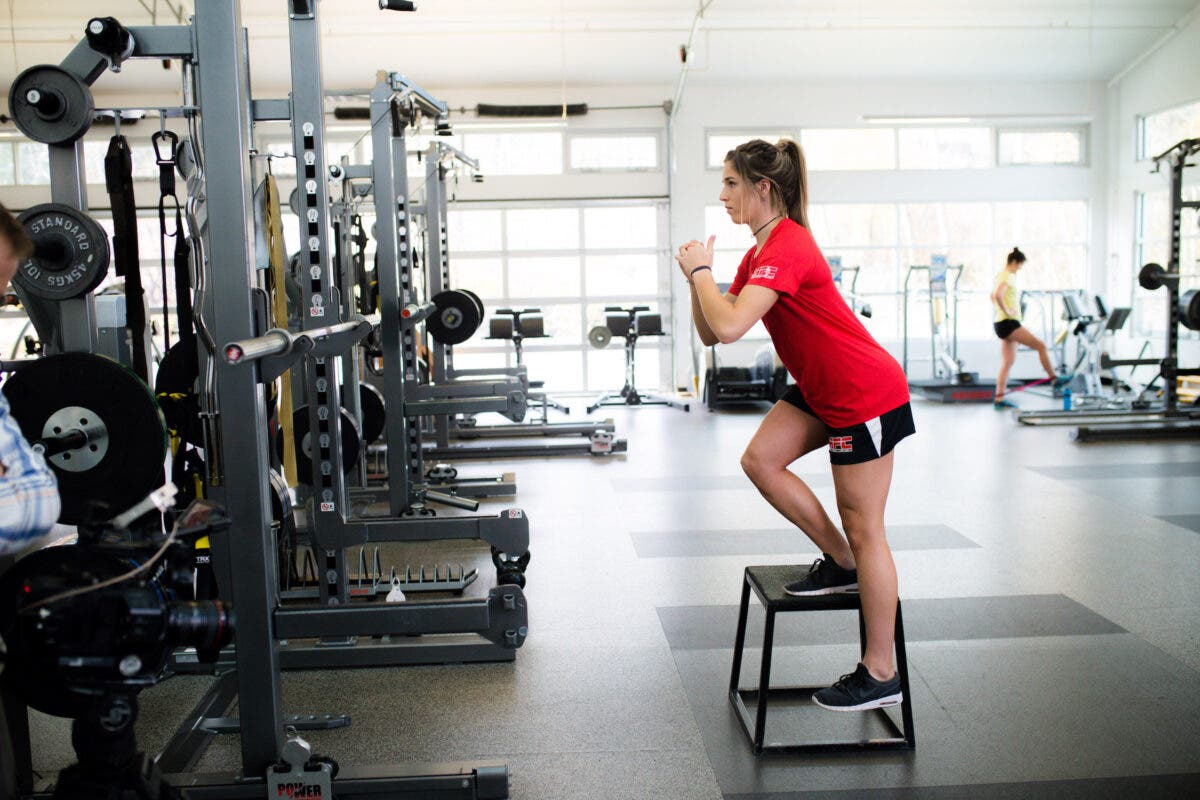
While eccentric movements handle the changes in terrain, isometric contractions are responsible for maintaining a stable posture during long, carving turns. An isometric contraction occurs when a muscle generates force without changing length, such as during a wall sit. In skiing, the legs often hold a static, crouched position while the torso remains stable, placing an immense load on the quadriceps and glutes.
The "quad burn" that often forces skiers to stop mid-trail is frequently a sign of insufficient isometric endurance. To combat this, Dr. Hastings recommends integrating isometric holds into a routine. The classic wall sit is a foundational tool, but it can be progressed by adding weighted resistance or performing single-leg variations. Building this specific type of endurance allows a skier to maintain proper form later in the day when fatigue-related injuries are most likely to occur.
Unilateral Training: Addressing the Single-Leg Reality
Although skiing involves two skis, it is fundamentally a unilateral sport. Weight is constantly shifted from one leg to the other, with the outside (downhill) ski taking the brunt of the force during a turn. If a skier has a significant strength imbalance between their left and right legs, their technique will suffer, and their risk of injury on the weaker side increases.
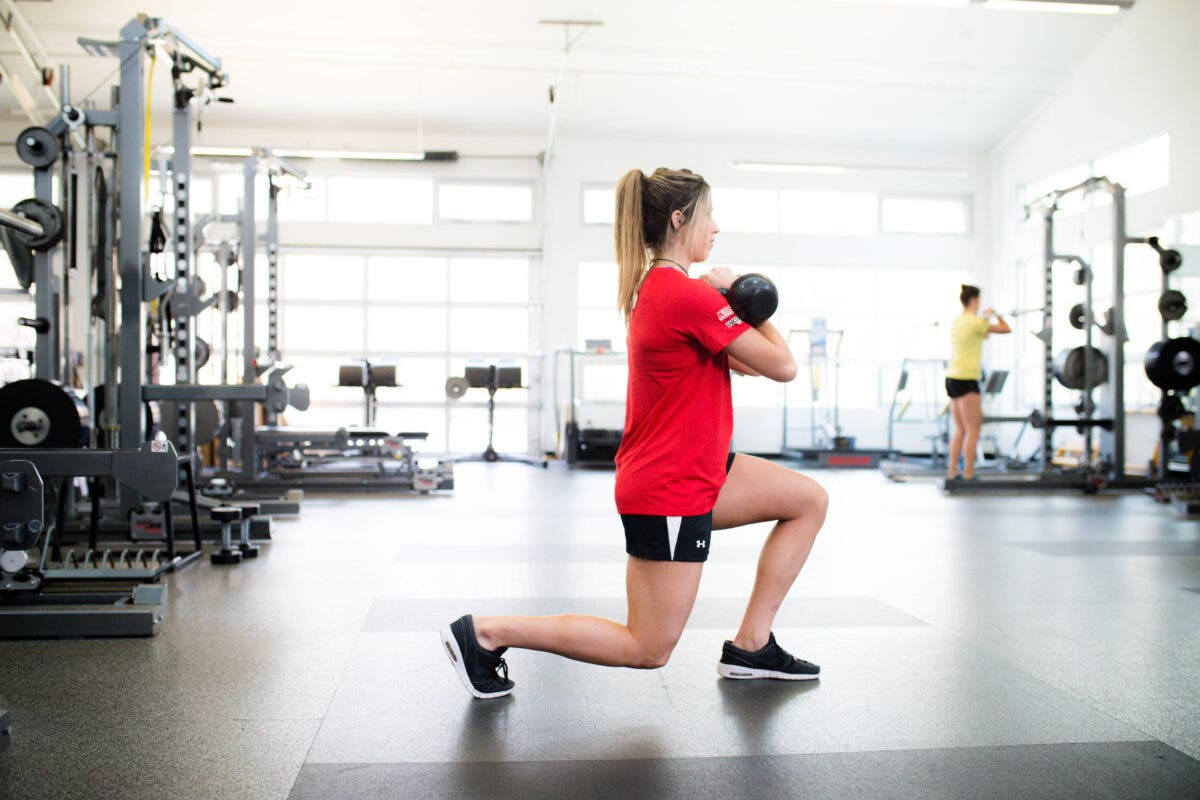
Single-leg exercises, such as forward, reverse, and lateral lunges, are vital for developing the balance and stability required for dynamic weight shifting. Lateral lunges are particularly relevant as they mimic the side-to-side movement patterns of skiing. These exercises challenge the gluteus medius—a key hip stabilizer—which prevents the knee from collapsing inward (valgus stress), a common precursor to ACL injuries.
The Core-Trunk Connection and Plank Variations
A skier’s legs may provide the power, but the core provides the control. Maintaining a stable trunk while the extremities move independently is essential for balance. A weak core leads to "backseat" skiing, where the skier’s weight falls too far back, reducing control and increasing the load on the knee joints.
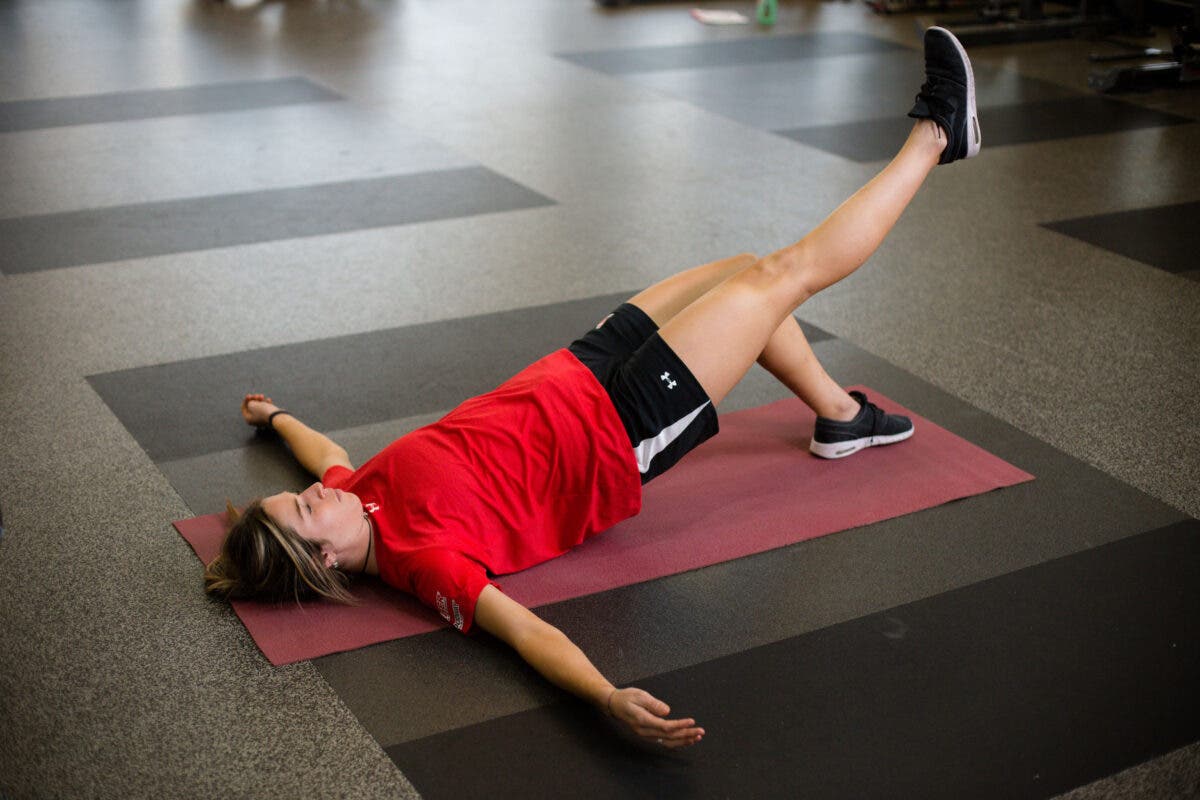
Standard planks are a starting point, but Dr. Hastings suggests that skiers need more dynamic variations to replicate the multi-planar demands of the sport. Side planks and "Copenhagen planks"—which specifically target the adductor muscles of the inner thigh—are highly effective. Adding arm reaches or leg lifts to a plank forces the core to react to rotational forces, similar to how a skier must remain stable while their lower body rotates through a turn.
Mobility and The Recovery Timeline
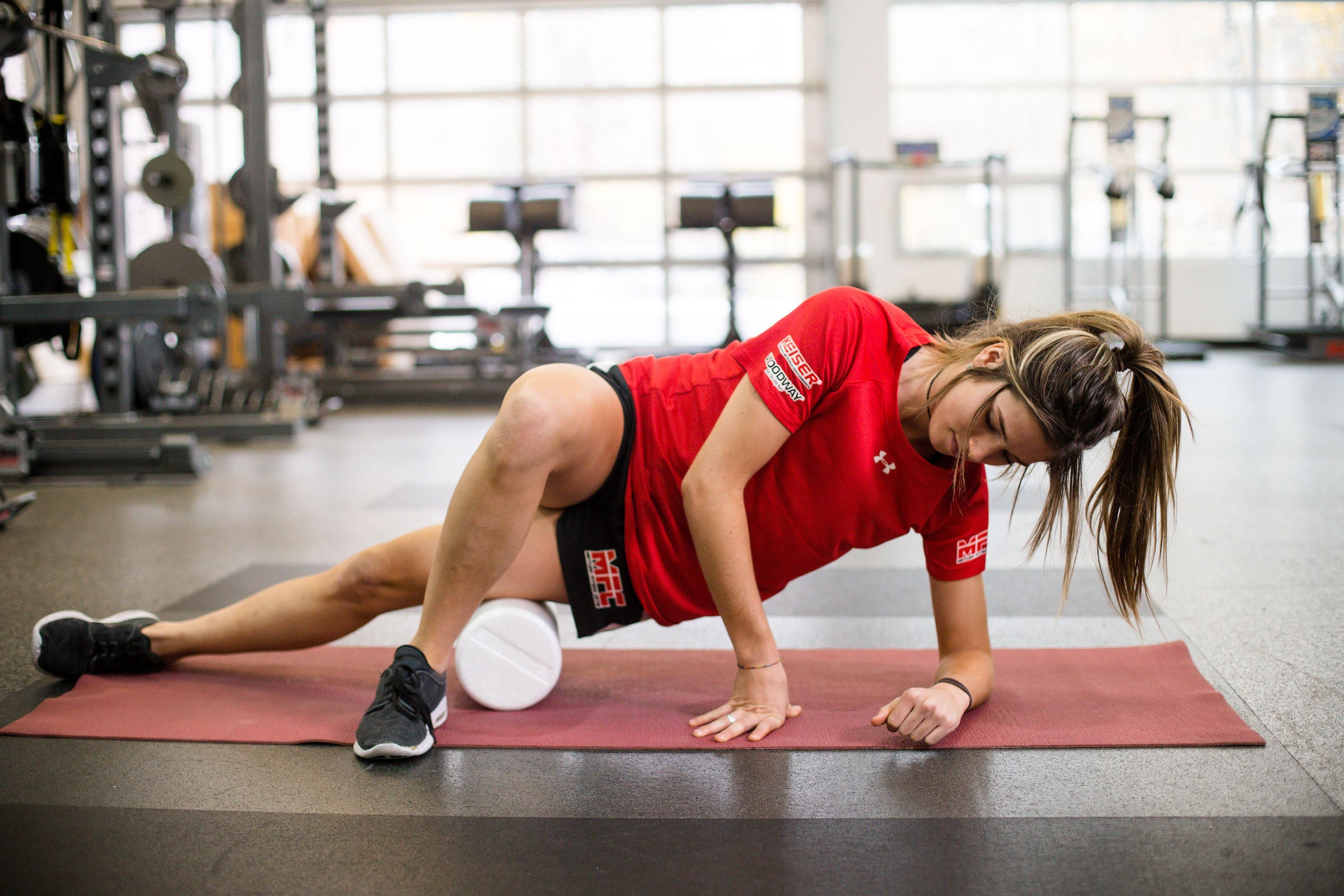
The final pillar of injury prevention is mobility. Strength without a full range of motion can lead to compensatory patterns that stress the lower back and ankles. Dr. Hastings emphasizes the importance of a pre- and post-ski routine that includes foam rolling and targeted stretching for the hips, knees, and ankles.
"Assessing areas where you feel stiff or limited, particularly around the spine, hips, knee, and ankles, is a good place to start," says Hastings. Improved ankle dorsiflexion, for instance, allows a skier to maintain a deeper "shins-to-tongues" pressure against their boots, which is essential for modern carving techniques.
Chronology of Pre-Season Conditioning
Experts suggest a tiered approach to ski fitness to ensure the body is peaked by opening day:
- Phase 1 (12–8 weeks out): Focus on foundational strength and aerobic capacity. This includes heavy lifting and steady-state cardio (cycling or hiking).
- Phase 2 (8–4 weeks out): Introduce eccentric focus and isometric holds. Begin unilateral work to address imbalances.
- Phase 3 (4 weeks to Opening Day): Incorporate plyometrics (jumping exercises) and high-intensity interval training (HIIT) to mimic the explosive nature of skiing.
- In-Season Maintenance: Shift focus to recovery, mobility, and core stability to maintain the gains made during the pre-season.
Economic and Public Health Implications
The push for better ski fitness is not just about individual performance; it has broader implications for the outdoor industry. Knee surgeries and long-term rehabilitations represent a significant economic burden on the healthcare system and lead to lost revenue for ski resorts when pass-holders are sidelined for the season.
Furthermore, the "weekend warrior" demographic—individuals who are sedentary during the week and highly active on weekends—is at the highest risk for catastrophic ligament failures. By promoting these physical therapy-backed routines, the industry hopes to foster a more resilient skiing population.
Final Analysis: The Proactive Athlete
As the sport of skiing evolves with faster equipment and more accessible backcountry terrain, the physical requirements for the athlete continue to rise. Dr. Matt Hastings’ recommendations underscore a shift in the culture of skiing from a purely recreational activity to an athletic pursuit that requires year-round attention.
By focusing on eccentric and isometric strength, unilateral stability, core control, and mobility, skiers can significantly shift the odds in their favor. While no amount of training can completely eliminate the risks inherent in alpine sports, a well-conditioned body is the most effective piece of safety equipment a skier can bring to the mountain. As the 2025 season approaches, the message from the physical therapy community is clear: the work done in the gym today determines the quality and safety of the turns made in the snow tomorrow.

