
The landscape of the American West is undergoing a fundamental transformation as local communities increasingly take the lead in infrastructure projects designed to stabilize the power grid and facilitate the transition to renewable energy. In Reno, Nevada, this shift was recently exemplified by the successful advocacy and subsequent progress of the Trego Battery Energy Storage System (BESS). This 200-megawatt (MW) utility-scale project is designed to capture and store excess renewable energy, providing a critical buffer for the regional electrical grid during periods of peak demand. By securing the capacity to power approximately 68,000 households, the Trego project represents a significant milestone in Washoe County’s efforts to align with Nevada’s ambitious clean energy mandates.
The approval and advancement of the Trego BESS were not merely administrative formalities. The project emerged from a rigorous process of community engagement, led in part by the "Protect Our Winters" (POW) organization and supported by local scientific experts. Among the prominent voices was Dr. Anne Nolin, a Snow Hydrologist and Professor in the Geography Department at the University of Nevada, Reno. Dr. Nolin, who serves as a Science Alliance Member for POW, highlighted the project as a vital, tangible solution to the climate pressures facing the Sierra Nevada region. Her involvement underscores a growing trend where academic and scientific professionals are stepping into the public sphere to advocate for infrastructure that bridges the gap between climate theory and municipal reality.
Technical Specifications and the Role of Energy Storage
The Trego BESS is categorized as a high-capacity energy storage installation. At 200 megawatts, it ranks among the more substantial storage facilities in the state. The primary function of such a system is to address the "intermittency" challenge inherent in renewable energy sources like solar and wind. In Nevada, where solar generation is abundant during daylight hours, there is often a surplus of energy produced when demand is relatively low. Conversely, as the sun sets and residential energy use peaks, the grid often faces a deficit.
Battery storage systems like Trego act as a reservoir, absorbing surplus solar energy during the day and discharging it back into the grid during evening peaks. This process, known as "peak shaving," reduces the need for "peaker plants"—fossil-fuel-burning facilities that are expensive to operate and high in carbon emissions, typically only used during times of extreme demand.
A notable technical aspect of the Trego project is the utilization of Lithium Iron Phosphate (LFP) battery technology. Unlike traditional cobalt-based lithium-ion batteries often found in consumer electronics, LFP batteries are increasingly preferred for stationary grid storage due to their superior thermal and chemical stability. They are significantly less prone to "thermal runaway," a condition that can lead to fires in older battery technologies. For the Reno community, the choice of LFP was a critical factor in mitigating safety concerns regarding the proximity of the facility to local infrastructure.
Economic Impact and Local Development
Beyond the environmental and technical benefits, the Trego BESS is projected to be a significant driver of local economic activity. Industry data suggest that projects of this scale generate substantial fiscal benefits for their host counties. Estimates provided by project advocates indicate that battery energy storage systems can generate approximately $14 million in economic activity for every 5 megawatts of capacity. Applied to a 200-MW project, the cumulative economic impact—encompassing construction jobs, long-term maintenance roles, and tax revenue—is substantial.
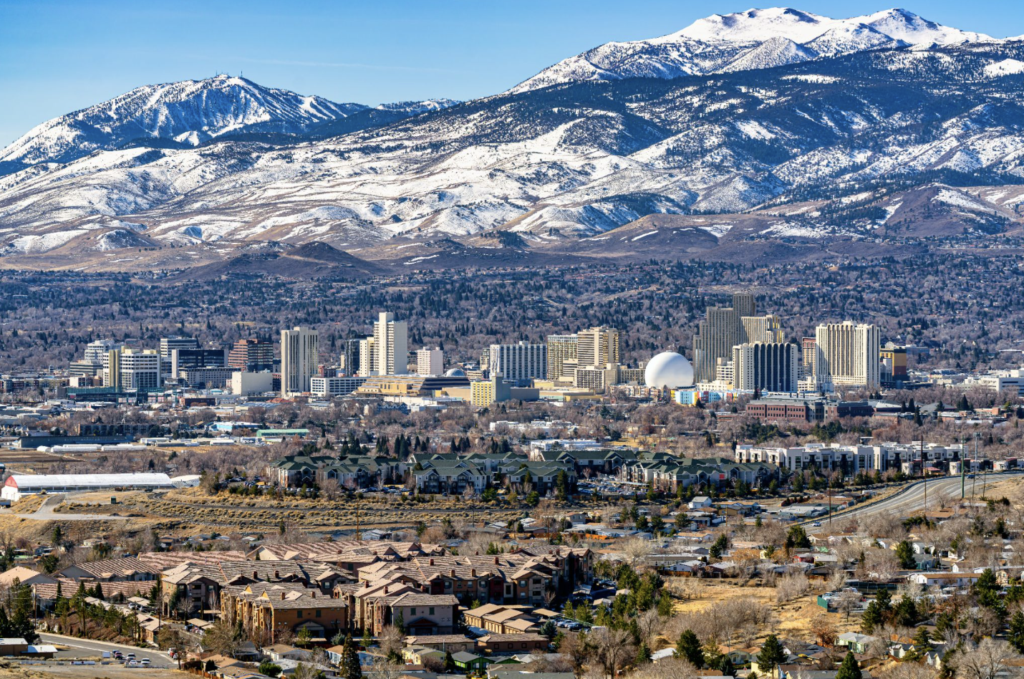
The tax revenue generated by such facilities often flows directly into local coffers, supporting school districts, emergency services, and infrastructure maintenance in Washoe County. For a city like Reno, which is experiencing rapid population growth and increasing pressure on public services, the infusion of industrial tax base revenue from a low-impact, clean energy site is a strategic advantage. Furthermore, by lowering the overall cost of grid management and reducing reliance on volatile wholesale energy markets, storage projects like Trego contribute to long-term energy price stability for Nevada consumers.
Chronology of Advocacy and Community Engagement
The path to the Trego project’s advancement was marked by a concerted effort to overcome "NIMBYism" (Not In My Backyard)—a common hurdle for large-scale energy projects. Historically, infrastructure projects, regardless of their environmental benefits, have faced opposition due to concerns over land use, aesthetics, and perceived safety risks.
The timeline of the Trego project highlights a shift in how these concerns are addressed:
- Initial Proposal and Permitting: The project was introduced as part of a broader strategy to modernize Nevada’s grid. Initial reactions from the community were mixed, characterized by a lack of familiarity with BESS technology.
- Public Information Campaigns: Organizations like Protect Our Winters began mobilizing local "outdoor advocates"—skiers, hikers, and climbers—who view climate action as essential to preserving their way of life.
- Scientific Intervention: Dr. Anne Nolin and other members of the scientific community conducted reviews of the project’s safety and environmental impact. Dr. Nolin’s public support was pivotal in reframing the project not as an industrial intrusion, but as a necessary component of climate resilience.
- Public Hearings: During the official hearing process, a surge of community testimony in favor of the project was recorded. Advocates presented well-informed arguments regarding the safety of LFP technology and the necessity of grid modernization.
- Approval and Implementation: Following the demonstration of strong public support and the satisfaction of safety requirements, the project moved forward into the development phase.
Dr. Nolin noted that her initial skepticism was replaced by confidence after investigating the specific technology being deployed. This process of "informed advocacy" served as a model for how complex technological projects can gain social license through transparency and education.
Addressing the Challenges of Grid Modernization
The success in Reno comes at a time when the United States is struggling with the physical limitations of an aging electrical grid. The transition to a decarbonized economy requires more than just installing solar panels and wind turbines; it requires a complete overhaul of how energy is moved and stored.
Battery storage is one of the three pillars of this modernization, alongside expanded transmission lines and "smart grid" demand-response technologies. The Trego project addresses the immediate need for localized storage in a high-growth area. By placing storage close to the point of consumption (Reno/Washoe County), the system reduces "line loss"—the energy wasted as heat when electricity travels over long distances.
However, the Reno project also highlights the administrative and social challenges that remain. Even with high-level state support for renewables, local zoning boards and county commissions often serve as the final gatekeepers. The Trego BESS win suggests that the "top-down" approach to energy policy (state and federal mandates) must be met with a "bottom-up" approach (local organizing) to be successful.
Nevada’s Role in the National Energy Transition
Nevada has positioned itself as a leader in the renewable energy sector, driven by its vast solar potential and its status as a hub for lithium mining and battery production. The state’s Renewable Portfolio Standard (RPS) requires that 50% of all electricity sold by providers come from renewable sources by 2030, with a goal of 100% carbon-free energy by 2050.
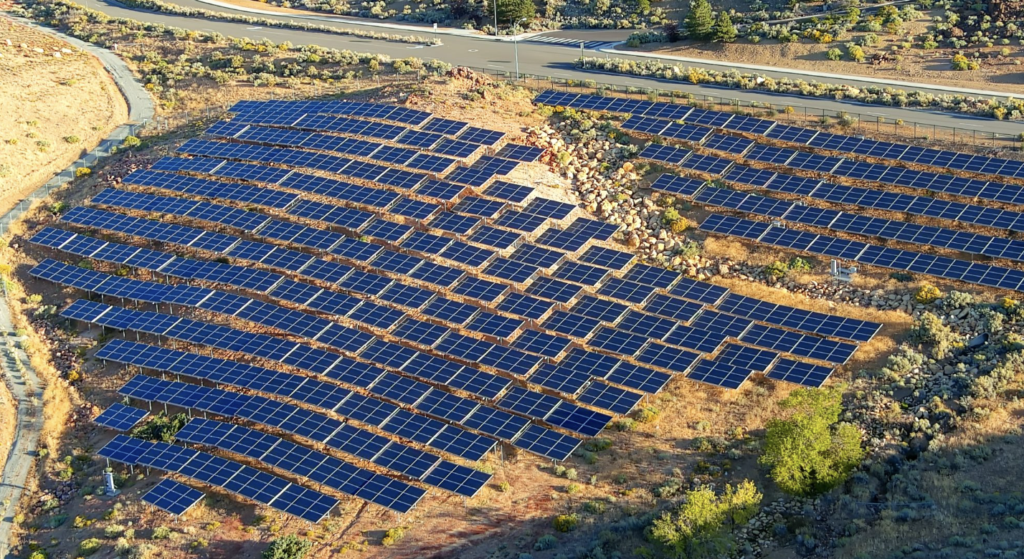
Projects like Trego are essential to meeting these legal requirements. Without massive scaling of storage capacity, the state would eventually hit a "solar ceiling," where additional solar generation becomes useless because it cannot be stored for nighttime use. The Trego BESS is part of a wave of storage projects across the Silver State that aim to make Nevada a net exporter of clean energy and a blueprint for other Western states.
Broader Implications and Analysis
The Trego Battery Energy Storage System serves as a case study for the future of climate-forward infrastructure in the United States. It demonstrates that the "fear of the unknown" regarding new technologies can be mitigated through rigorous public discourse and the involvement of trusted local voices.
From a journalistic perspective, the project’s success reveals several key trends:
- The Professionalization of Climate Advocacy: The role of POW and Dr. Nolin shows that advocacy is moving beyond general protest toward specific, technical support for infrastructure projects.
- The Safety Dividend: The move toward Lithium Iron Phosphate (LFP) is likely to become the industry standard for community-sited storage, as its safety profile is significantly easier to defend in public hearings than traditional chemistries.
- Empowerment Through Participation: As Dr. Nolin observed, participating in local government processes is an effective, albeit often overlooked, tool for climate action. The "win" in Reno underscores that local boards are often more influenced by a dozen well-informed residents than by distant corporate or federal interests.
As the United States continues to implement the funding provided by the Inflation Reduction Act (IRA), which provides significant tax credits for energy storage, the bottleneck for the clean energy transition will likely remain at the local level. The Trego project provides a roadmap for navigating these local hurdles. It proves that when scientific literacy, community organization, and economic incentives align, the result is a more resilient and sustainable power grid.
For the residents of Reno, the Trego BESS is more than just a collection of batteries in a field; it is a $14-million-per-5-MW economic engine and a safeguard against the grid instability that has plagued other parts of the West. As the project moves toward full operational status, it will stand as a testament to the power of showing up and the necessity of building the physical tools required for a clean energy future.

