
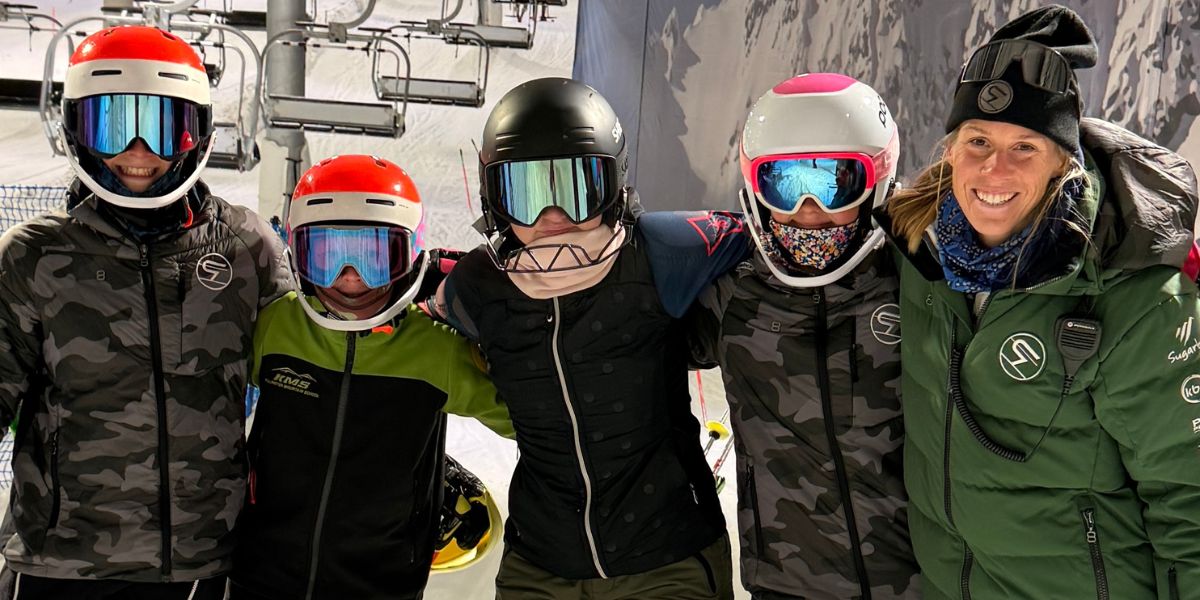
The landscape of youth ski racing is undergoing a significant evolution as Green Mountain Valley School (GMVS) integrates advanced, holistic performance strategies into its curriculum. By appointing Regan Dewhirst—a veteran physical therapist and performance specialist who spent the last Olympic cycle working closely with Mikaela Shiffrin—the academy is signaling a shift toward a more nuanced, individualized approach to athlete development. This transition reflects a growing trend in high-performance athletics where the "whole-athlete" model, once reserved for elite World Cup competitors, is being adapted for the formative years of teenage development.
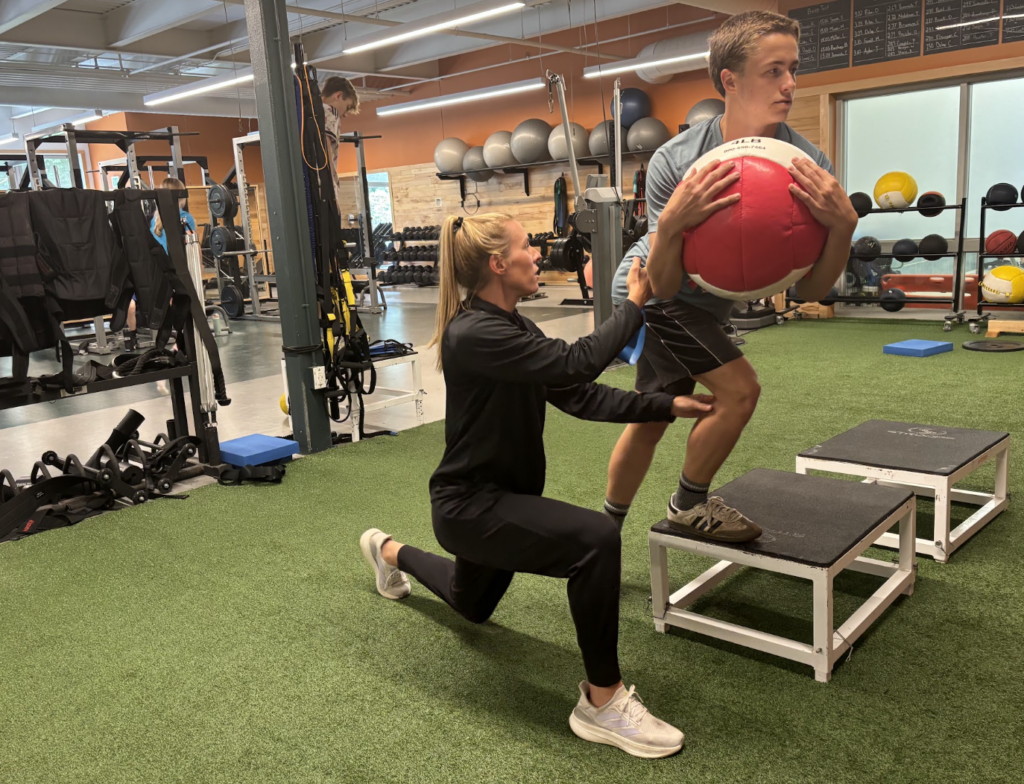
Dewhirst’s arrival at the Vermont-based institution is not merely a staffing change; it represents the convergence of high-level sports medicine and foundational youth coaching. Her role at GMVS is multifaceted, bridging the gaps between physical therapy, strength and conditioning, return-to-snow protocols, and traditional technical coaching. By embedding these high-level principles early in an athlete’s career, GMVS aims to mitigate injury risks while fostering a deeper, more intentional relationship between the athlete and their own physical progression.
A Career Forged in High-Stakes Environments
Regan Dewhirst’s professional trajectory has been defined by a synthesis of diverse experiences. Before her tenure on the World Cup circuit, Dewhirst was a Division I soccer athlete at the University of Vermont, an experience that provided her with a foundational understanding of team dynamics and the rigors of collegiate-level physical demands. Following her undergraduate studies, she pursued physical therapy, completing a rigorous residency that preceded her clinical work in Burlington.
The connection between Dewhirst and Mikaela Shiffrin was both personal and professional. Having grown up in the same skiing circles, the pair shared a rapport that proved invaluable when Shiffrin sought a specialist capable of navigating the complex intersection of elite-level clinical therapy and high-performance skiing. Following the 2018 Winter Olympics, Dewhirst officially joined Shiffrin’s team. Over the subsequent four-year Olympic cycle, she managed the myriad factors that underpin a World Cup champion’s daily existence: recovery protocols, tissue health, international travel logistics, and the psychological demands of media scrutiny.
This period was characterized by constant adaptation. In the high-pressure environment of the World Cup, where a thousandth of a second dictates the podium, every variable is scrutinized. Dewhirst’s success in this role was predicated on her ability to see the athlete beyond the sport. She learned that recovery is not just the absence of injury, but the active management of systemic load.

Redefining the "Minimum Effective Dose"
One of the most critical methodologies Dewhirst brings to the GMVS student body is the concept of the "minimum effective dose." In the context of youth development, where athletes are often prone to overtraining as they navigate the demands of academic life and rigorous physical conditioning, this philosophy is transformative.
The "minimum effective dose" posits that training should be intentional and targeted. Rather than defaulting to volume-heavy routines, coaches and athletes must identify the specific goal of a training session—whether it is aerobic capacity, explosive power, or technical repetition—and recognize when that goal has been achieved. For a teenage athlete, who is already experiencing the physiological stress of growth and development, this approach is vital. It prevents the burnout that often plagues high-achieving youth and ensures that physical energy is preserved for academic and personal growth.
Dewhirst’s analysis of this approach is pragmatic: "What are we here to do and did we do it? If we’re out and the snow isn’t good, is this worth it? What are we actually getting out of it and does that meet the broader goal?" By encouraging athletes to ask these questions, she is empowering them to take ownership of their own training, moving away from a culture of blind obedience to one of informed participation.

A Proactive Approach to Injury Prevention and Rehabilitation
In the domain of physical therapy, the traditional model often focuses on reactive treatment—addressing an injury only after it has occurred. At GMVS, Dewhirst is implementing a proactive, integrated system. Because she observes athletes in multiple environments—from the gym and the classroom to the slopes—she can identify subtle compensations in movement patterns before they manifest as chronic injuries.
This is particularly relevant for adolescent athletes who undergo rapid skeletal and muscular changes. When Dewhirst identifies a motor-control deficit, she can immediately intervene with specific, individualized remedial exercises. This early intervention is the hallmark of a high-performance system.
Furthermore, her approach to the "return-to-sport" timeline represents a significant departure from common industry standards. In professional athletics, return-to-sport is frequently framed by arbitrary timelines—six, eight, or nine months. Dewhirst advocates for a criteria-based progression. An athlete does not return to full competition simply because a calendar date has arrived; they return because they have met specific, quantifiable strength and stability benchmarks.
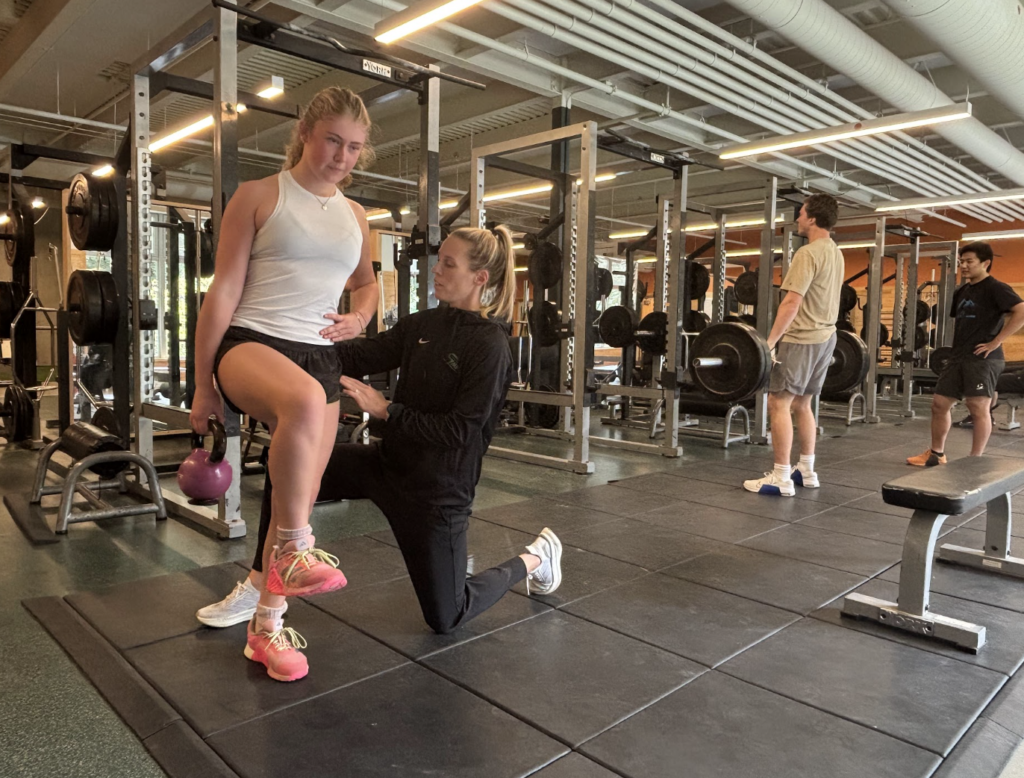
This methodology acknowledges that the transition from a clinical setting to the unpredictable environment of a race course is profound. "The athlete needs to be exposed to those variables before they’re ready to be at 100%," she notes. By systematically reintroducing environmental stressors—changing snow conditions, varying terrain, and the pressure of a starting gate—she builds both physical resilience and psychological confidence.
The Centrality of Communication
If the "minimum effective dose" is the technical foundation of Dewhirst’s philosophy, communication is its architecture. In elite sports, communication is a formal, continuous process. In the youth setting, it is an educational tool. Many young athletes lack the vocabulary to articulate how their bodies feel or to distinguish between "good" fatigue and the onset of overtraining.
Dewhirst views her role as a bridge between the athlete, the coaching staff, and the medical team. She encourages productive disagreement, recognizing that when a coach, a nutritionist, and a physical therapist all advocate for an athlete from their respective lenses, the resulting friction often produces the best outcome. "You need to be able to have those hard conversations to truly get to what’s best for the athlete," she asserts.
By fostering this culture of open, honest communication, GMVS is preparing its athletes for the professional level. The ability to advocate for one’s own needs is a skill that distinguishes a career-long athlete from one who struggles with the transitions of the sport.
Implications for the Future of Youth Sports
The hiring of a specialist with Dewhirst’s pedigree suggests that the gap between elite professional programs and top-tier youth academies is narrowing. As competitive skiing becomes more physically demanding and data-driven, the infrastructure of developmental schools must keep pace.
The implications for GMVS are clear: by prioritizing longevity and athlete education over short-term results, the school is building a sustainable system. Success in this context is defined not just by race wins or podium finishes, but by the physical and mental health of the graduates.

"I’d love to see athletes develop a confident voice, understand their needs, and advocate for themselves," Dewhirst says. This sentiment reflects a broader pedagogical shift in athletic training. The goal is to cultivate "all-around good humans" who happen to be elite athletes, rather than merely producing competitive machines.
As Dewhirst completes her first year at GMVS, the initial data points—observations of training loads, injury rates, and athlete feedback—are being synthesized into a long-term strategy. The success of this initiative will be measured over several years, as current students transition into collegiate or professional ranks. However, the early signs are promising. By importing the rigors of the World Cup to the training hills of Vermont, Regan Dewhirst is ensuring that the next generation of ski racers is not only faster and stronger but significantly more informed and resilient.
This transition highlights a wider realization within the sports world: high performance is not a destination achieved through grit alone; it is a complex, delicate system of management that begins the moment an athlete decides to take their sport seriously. For the athletes at GMVS, having a mentor who has stood on the world’s biggest stages—and who understands the nuance of every turn, every recovery session, and every conversation—is an unprecedented advantage. It is a commitment to the process, ensuring that when these young racers eventually face the pressure of the world stage, they will have the tools, the vocabulary, and the wisdom to handle whatever comes next.

