
Finding the optimal handwear for alpine conditions has long been one of the most frustrating gear-selection processes for winter sports enthusiasts. While ski boots and helmets receive a significant portion of consumer research and financial investment, handwear frequently becomes an afterthought until frostbite or moisture intrusion compromises a day on the slopes. Among the myriad options crowding the retail market, hybrid handwear historically occupies a polarizing space. However, recent gear testing cycles have highlighted a rare exception: the Flylow Wolverine Lobster Glove, a design that successfully bridges the thermal divide between restrictive mittens and dexterity-deficient five-finger gloves. Currently retailing at a substantial 40 percent discount, this piece of winter equipment has drawn renewed attention from both recreational skiers and backcountry professionals seeking a reliable balance of warmth, durability, and ergonomic functionality.
Main Facts and Technical Specifications
The Flylow Wolverine Lobster Glove is engineered as a unisex offering available in sizes ranging from extra-small (XS) to double-extra-large (XXL). At its core, the glove utilizes a burly goatskin leather shell designed to withstand the rigorous abrasion associated with handling equipment, adjusting bindings, and managing sharp ski edges during transport and maintenance.
Internally, the glove incorporates 60 grams of Greenloft synthetic insulation. This specific thermal weight is strategically chosen to provide adequate heat retention during static periods—such as extended chairlift rides in sub-zero ambient temperatures—without causing excessive perspiration during high-output activities like skinning uphill or hiking exposed ridges. Comfort is further enhanced by a brushed tricot polyester interior lining, which actively manages internal moisture by wicking sweat away from the skin.
Independent lab testing has awarded the glove a waterproof score of 4, indicating strong resistance to wet snow and slush, supported by an integrated waterproof membrane. The defining characteristic of the product, however, remains its three-finger lobster construction. By grouping the index and middle fingers together while isolating the ring and pinky fingers, the design attempts to maximize thermal efficiency by reducing surface area exposure while retaining the functional grip required to manipulate zippers, pole straps, and boot buckles without removing the glove entirely.
Chronology of Gear Evolution and Market Positioning
The development of the Wolverine Lobster reflects a broader historical shift within the snow sports apparel industry. For decades, traditional mountaineering and skiing adhered to a strict binary choice: full-fingered gloves for dexterity or mittens for maximum warmth. In the late 2000s and early 2010s, independent outdoor brands began experimenting with hybrid layouts—colloquially termed "lobster" or "three-finger" gloves—to capture the burgeoning sidecountry and backcountry touring demographics.
Flylow, established by outdoor enthusiasts seeking functional gear tailored to the demands of deep powder skiing in the American West, introduced iterations of leather-palm handwear to compete with legacy mountaineering brands. Over successive product generations, the brand refined the Wolverine model by upgrading the leather treatment, optimizing the cuff architecture to feature a slim neoprene profile that easily tucks beneath modern jacket sleeves, and dialing in the exact gram weight of synthetic insulation to prevent the overheating issues common in heavy-duty mountaineering mittens.
By the autumn 2026 gear review cycle, the Wolverine Lobster solidified its reputation among independent testing panels as a benchmark item. The current promotional pricing event—offering the glove at a 40 percent reduction—marks a notable retail occurrence, as high-end, leather-shelled winter accessories rarely see steep discounts ahead of the core holiday season while comprehensive size runs remain fully stocked.
Supporting Data and Comparative Performance Metrics
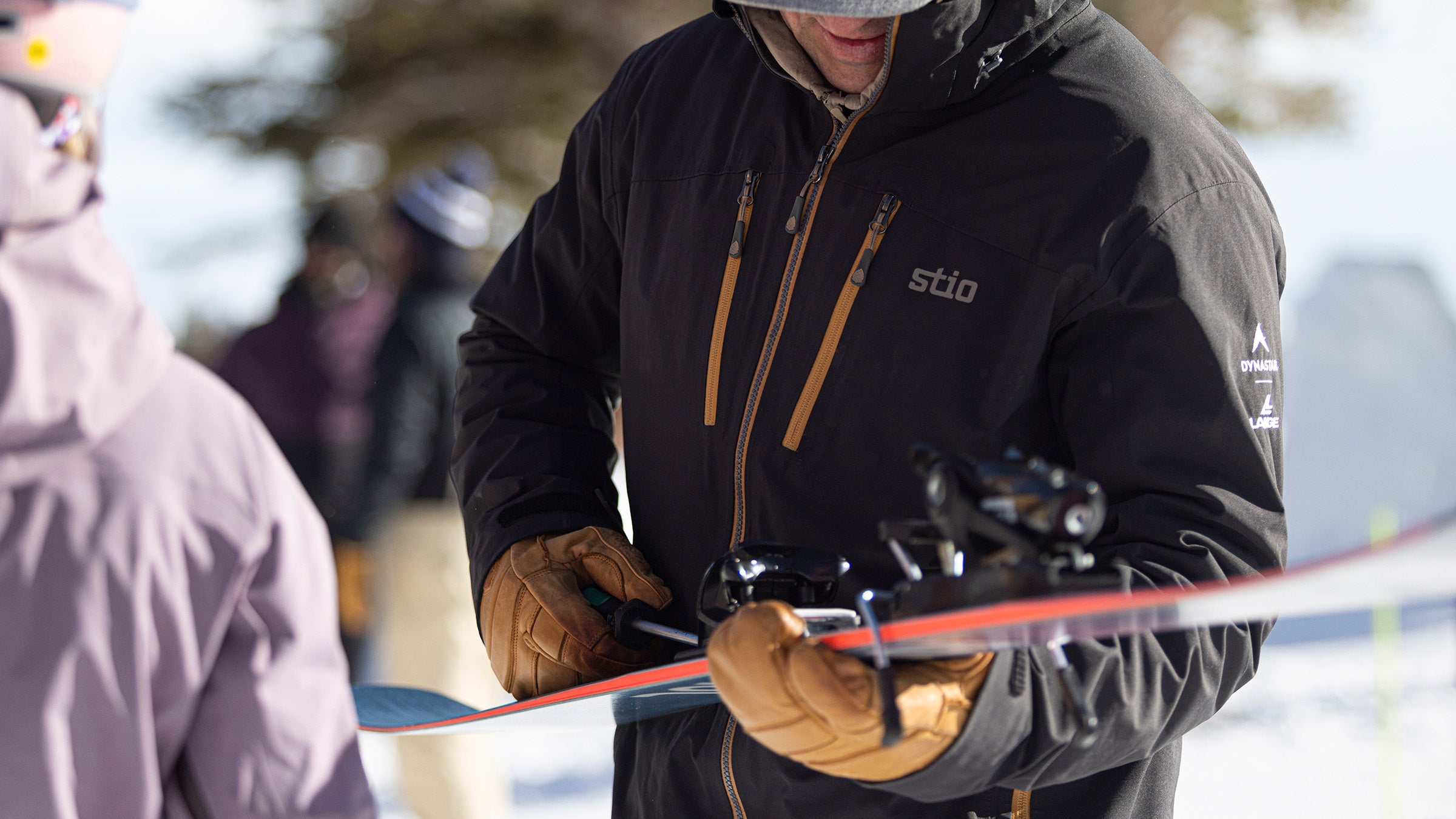
In comparative testing environments, the Flylow Wolverine consistently scores above average in categories concerning longevity and tactile feedback. Goatskin leather naturally contains high levels of lanolin, which enhances its water resistance and pliability compared to cowhide or synthetic textiles. When treated periodically with leather balm, a goatskin shell can endure multiple seasons of heavy rope-tow friction, pole plant abrasion, and contact with hardened ice crusts.
Thermal efficiency data indicates that 60g of synthetic insulation occupies a sweet spot for all-mountain skiing. While dedicated expedition mittens often feature 100g to 200g of insulation—making them exceptionally warm but prone to "wet-out" from internal sweat accumulation during strenuous ascents—the Wolverine’s moderate fill allows moisture vapor to escape more effectively through the breathable leather exterior and wicking tricot lining.
Furthermore, ergonomic evaluations confirm that the lobster configuration provides approximately 75 to 80 percent of the operational dexterity found in a standard five-finger glove, a significant improvement over the static nature of traditional mittens. This metric proves crucial for ski patrollers, instructors, and advanced tourers who frequently need to access avalanche beacons, adjust helmet straps, or handle electronic devices in freezing environments.
Industry Statements and Expert Analysis
Gear analysts and professional testers have consistently emphasized the difficulty of recommending handwear due to variances in individual circulation and cold tolerance. Speaking on the broader implications of gear selection, equipment reviewers note that consumer dissatisfaction with gloves stems primarily from mismatched intended use.
"When a skier complains that a glove isn’t warm enough, they are usually wearing a lightweight touring glove on a zero-degree chairlift," notes an industry product specialist. "Conversely, when they complain about cold hands in a heavy mitten, it is often because their hands sweated out during the hike up, leaving moisture to freeze against the skin on the descent. The appeal of a balanced hybrid like the Wolverine is its ability to mitigate both extremes through intelligent material selection."
Brand representatives and retail partners have echoed these sentiments, pointing out that consumer demand for durable, leather-based soft goods has risen steadily as buyers increasingly prioritize sustainability and product longevity over fast-fashion synthetic alternatives that require replacement every season.
Broader Impact and Economic Implications for Consumers
The timing of the current 40 percent discount on the Flylow Wolverine Lobster Glove highlights shifting retail strategies within the outdoor recreation sector. As supply chain stabilization meets fluctuating consumer spending patterns, retailers and direct-to-consumer brands are utilizing targeted early-season promotional pricing to capture market share ahead of the winter peak.
For the everyday skier, investing in high-tier handwear during promotional windows offers significant economic value. Premium ski gloves constructed from genuine leather and technical membranes routinely command retail prices exceeding $100 to $150. Securing a proven, field-tested model at a substantially reduced cost lowers the barrier of entry to quality gear that directly influences comfort, safety, and overall enjoyment on the mountain.
Ultimately, while no single piece of equipment can eliminate the inherent challenges of extreme cold-weather exposure, the sustained performance and current market accessibility of the Flylow Wolverine Lobster Glove position it as a benchmark study in functional winter design. As winter sports continue to evolve, gear that successfully reconciles the conflicting demands of thermal retention, environmental protection, and mechanical dexterity will remain an essential component of every skier’s kit.

