
The ski industry is accustomed to a relentless cycle of innovation, hype, and product refreshes, yet some models achieve legendary status through quiet, consistent performance rather than aggressive marketing. The Armada Declivity 82 Ti stands as a prime example of such a ski, a dark horse that consistently outshone more heavily promoted rivals in the competitive frontside category for years. Now, this celebrated model is embarking on its final run, as Armada announces its discontinuation for the upcoming 2027 season, folding its legacy into the brand’s new Antimatter lineup. This transition signals both the end of an era for a beloved ski and an opportunity for discerning skiers to acquire a high-performance model at a significant discount before it vanishes from the market entirely.
The Rise of a Dark Horse: The Declivity 82 Ti’s Unexpected Impact
When the Armada Declivity 82 Ti first debuted at the highly anticipated SKI Test in 2020, it arrived with a subtle confidence that belied its brand’s traditional reputation. Armada, founded in 2002 by a collective of professional skiers including the iconic Tanner Hall and JP Auclair, had built its identity on a freestyle, park-and-pipe ethos. For years, the brand was synonymous with playful, durable skis designed for aerial maneuvers, rails, and deep powder, appealing to a younger, more progressive segment of the ski community. This heritage, while celebrated in its niche, often led veteran ski testers to approach new Armada offerings for groomed terrain with a degree of skepticism. The prevailing assumption was that a brand so deeply rooted in freestyle might lack the technical precision and stability required for high-speed carving on hardpack.
The Declivity 82 Ti, however, swiftly dismantled these preconceptions. Its design represented a deliberate and successful foray by Armada into the performance frontside category, a move that demonstrated the brand’s maturing vision and its commitment to catering to a broader spectrum of skiing styles. Testers, initially prepared for a softer, more playful ride typical of Armada’s freestyle lineage, were genuinely surprised by the 82 Ti’s robust carving capabilities. It exhibited a remarkable ability to grip and rip on firm snow, holding its own against established titans of the narrow all-mountain and frontside segments. This initial impression solidified its status as the "dark horse" of the 2020 test, earning accolades that continued to accumulate in subsequent years.
Engineering Excellence: The Anatomy of a Frontside Performer
The success of the Declivity 82 Ti was no accident; it was the result of thoughtful engineering and a precise blend of materials designed to deliver a specific on-snow feel. At its core, the ski features a sophisticated construction that marries power with agility, a balance often difficult to achieve.
Central to its performance is the integration of Titanal, a high-performance aluminum alloy known for its exceptional strength-to-weight ratio. The "Ti" in its name signifies the strategic placement of these Titanal layers, typically forming a backbone that runs the length of the ski. This metal laminate provides significant torsional rigidity and longitudinal stability, crucial elements for edge hold on icy patches and dampening vibrations at speed. It allows the ski to feel calm and composed, absorbing terrain irregularities and maintaining consistent contact with the snow, even when pushing hard through carved turns.
Complementing the Titanal is a caruba wood core. Caruba is a lightweight yet energetic wood, prized for its ability to create a "poppy" and lively feel. This choice of core material is a nod to Armada’s playful heritage, ensuring that despite its frontside prowess, the Declivity 82 Ti retains an element of responsiveness and rebound out of turns. The combination of Titanal for power and caruba for pop creates a unique character: powerful when engaged, yet forgiving and easy to manipulate when desired.
The ski’s dimensions (130-82-111 mm) further underscore its frontside specialization. The 82 mm waist width is relatively narrow, allowing for quick edge-to-edge transitions and precise carving, particularly on groomed runs. This narrow platform facilitates rapid engagement of the ski’s shapely sidecut, which dictates the ski’s turn radius. A well-designed sidecut, combined with appropriate rocker and camber profiles, enables the ski to initiate turns effortlessly and carve with a smooth, continuous arc. Testers frequently highlighted its ease of transitioning from skidded turns to fully carved arcs, making it accessible to a wide range of intermediate to advanced skiers seeking to refine their technique.
Performance Attributes: Pros and Cons in Detail
The extensive testing over its lifecycle consistently highlighted the Declivity 82 Ti’s strengths and acknowledged its minor limitations.
Pros:
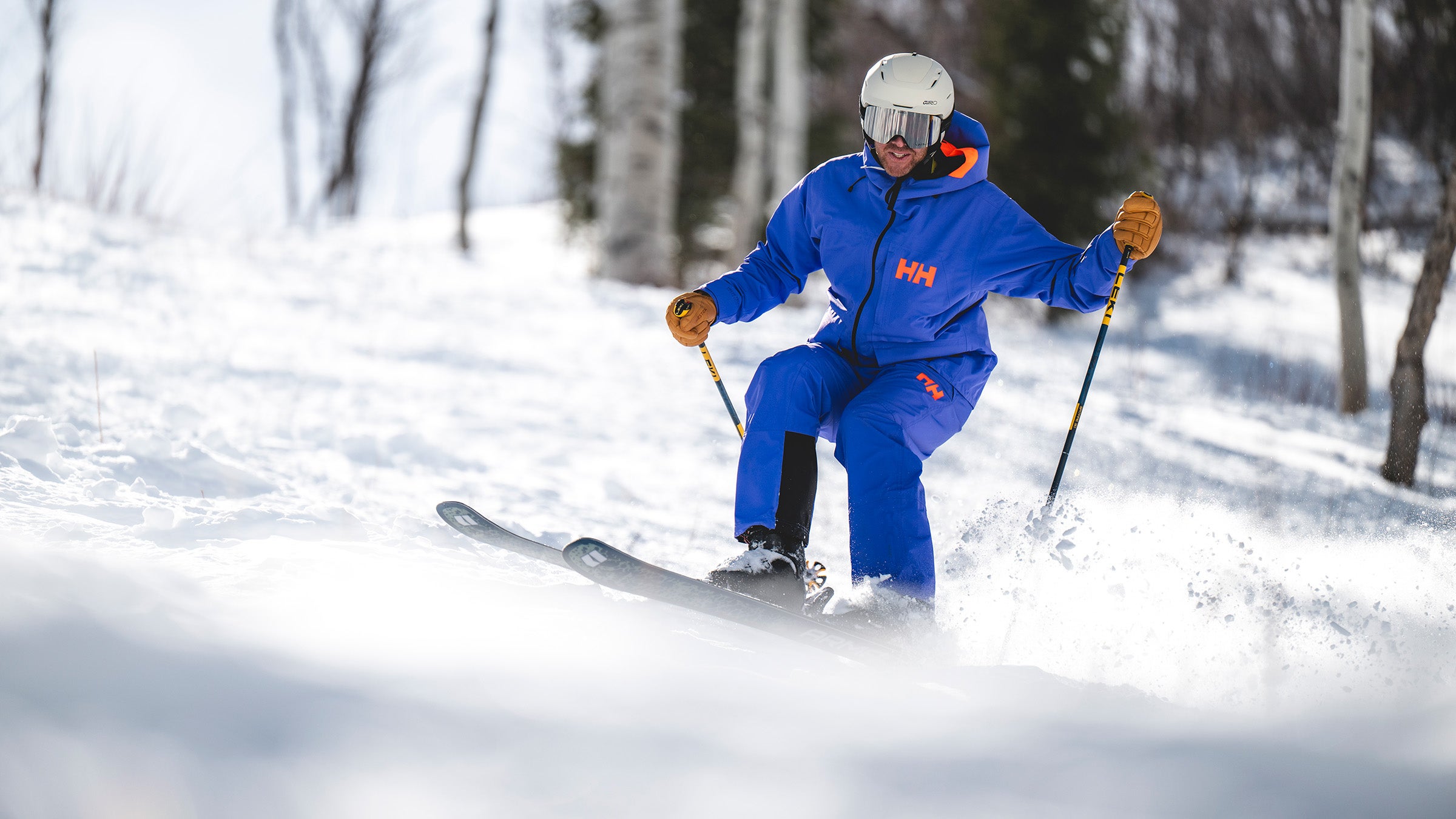
- Exceptional Ease of Pivot or Carve: This was perhaps its most lauded attribute. The combination of its precise sidecut, responsive caruba core, and strategic Titanal reinforcement allowed skiers to dictate turn shape with minimal effort. Whether executing tight, quick turns in bumps or laying down long, arcing carves on corduroy, the ski felt intuitive and cooperative. Its agility made it a joy in varied frontside conditions, from perfect groomers to softer, chopped-up snow in the aspen trees, as depicted in promotional imagery.
- Powerful Tail: The ski’s tail exhibited significant power and rebound, providing a satisfying snap out of each turn. This characteristic is crucial for maintaining momentum and adding dynamism to the skiing experience, allowing skiers to drive through the end of a carve with confidence and energy. It translated into a feeling of being propelled into the next turn, rather than merely drifting.
- Versatility and Agility: Beyond its pure carving ability, the Declivity 82 Ti proved remarkably versatile for a frontside-oriented ski. Its 82mm waist provided enough float and stability to handle variable conditions encountered on-piste, including light powder dusting or crud. Its agile nature made it adept at navigating crowded slopes or tighter sections of trails.
- Signature Playfulness: Despite its technical capabilities, the ski never lost Armada’s hallmark playfulness. The caruba core ensured a lively, energetic feel, preventing it from becoming a dull, overly demanding instrument. This "blend of olive oil smoothness with a light, energetic responsiveness," as one tester eloquently put it, defined its unique character. It was a ski that could be serious when required but was always ready to add an element of fun to the descent.
Cons:
- Tips Chatter at Speed: While generally stable, some testers noted that the tips of the Declivity 82 Ti could exhibit minor chatter when pushed to very high speeds, particularly on hard, icy surfaces. This is often a trade-off for a ski that prioritizes a lighter, more agile feel over absolute, unwavering stability at extreme velocities, often found in heavier, stiffer race-inspired models. It suggested that while it could handle speed, it wasn’t designed purely for straight-lining at maximum velocity.
- Can Be Overpowered: For exceptionally aggressive, heavy skiers who consistently ski at warp speed and demand uncompromising power and dampening, the Declivity 82 Ti could occasionally feel slightly undergunned. In such scenarios, a ski with more layers of Titanal or a denser core might offer a more locked-in feel. However, for the vast majority of advanced recreational skiers, this was rarely an issue, and its accessibility remained a significant advantage.
The Competitive Landscape and Market Position
Throughout its six-year tenure, the Armada Declivity 82 Ti carved out a distinct niche within the crowded frontside and narrow all-mountain ski market. It competed against a formidable array of models from established brands, each vying for the attention of skiers seeking performance on groomed terrain. Rivals included skis like the Volkl Deacon series (e.g., Deacon 80/84), renowned for their precision and power; Salomon’s S/Force line, known for its strong edge grip and dampening; and K2’s Disruption series, offering a blend of stability and carving prowess.
What set the Declivity 82 Ti apart was its unique blend of accessible power and undeniable playfulness. While many competitors leaned heavily into either raw power or extreme ease of use, Armada managed to strike a harmonious balance. It offered the carving ability of more traditional frontside skis without demanding the aggressive input often associated with them, and it retained a lively, energetic feel that many powerful skis sacrificed for dampness. Its price point, originally around $750, positioned it competitively as a premium performance ski, offering excellent value given its capabilities. Its success also reflected a broader industry trend: while wider, freeride skis dominated headlines, a significant segment of skiers still valued dedicated frontside performance, appreciating skis that excelled on prepared snow.
A Strategic Evolution: The Antimatter Lineup
The news of the Declivity line’s discontinuation, while bittersweet for its adherents, is not merely an ending but a strategic pivot for Armada. For the 2027 season, the Declivity line is slated to be folded into the brand’s new Antimatter lineup. This move is indicative of the natural product lifecycle within the ski industry, where even successful models eventually make way for new iterations, incorporating advancements in materials science, manufacturing techniques, and evolving design philosophies.
While specific details about the Antimatter lineup are still emerging, the transition suggests several key implications for Armada’s brand strategy:
- Consolidation and Streamlining: Discontinuing a successful line to merge its essence into a new series can be a move to streamline product offerings, simplify marketing messages, and optimize production efficiencies. It allows brands to present a more cohesive and understandable product hierarchy to consumers.
- Technological Refresh: The Antimatter line is expected to represent a significant technological refresh, potentially incorporating new proprietary materials, construction methods, or design concepts. This allows Armada to stay at the forefront of innovation and appeal to skiers looking for the latest performance enhancements. It is plausible that the Antimatter skis will build upon the Declivity’s strengths, perhaps addressing some of its minor cons (like tip chatter) while enhancing its overall performance envelope.
- Refined Brand Identity: The introduction of a new flagship line like Antimatter can help redefine or reinforce Armada’s brand identity, signaling its continued evolution beyond its freestyle roots into a broader, high-performance ski manufacturer. It may emphasize a more advanced, perhaps even more aggressive, approach to all-mountain and frontside skiing, leveraging the lessons learned from the Declivity’s success.
- Market Adaptability: The ski market is dynamic, with consumer preferences shifting over time. Introducing a new line allows Armada to adapt to these changes, potentially targeting new demographics or responding to emerging trends in ski design and performance.
Timeline of a Quiet Legacy:
- 2002: Armada Skis is founded, establishing a reputation for athlete-driven, freestyle-focused skis.
- Pre-2020: Armada primarily known for park, pipe, and powder skis, challenging traditional perceptions of the brand’s capabilities on groomed terrain.
- 2020: The Armada Declivity 82 Ti makes its debut at the SKI Test, surprising veteran testers and quickly earning "dark horse" status for its exceptional frontside performance.
- 2020-2026: The Declivity 82 Ti consistently earns positive reviews and maintains a strong following, celebrated for its blend of power, agility, and playfulness. It becomes a staple in the narrow all-mountain/frontside category.
- July 13, 2026: Armada officially announces the discontinuation of the Declivity line for the 2027 season, revealing its integration into the forthcoming Antimatter lineup. A final sale period begins, offering the remaining stock at reduced prices.
- 2027 Season: The Declivity 82 Ti is officially retired from Armada’s product catalog, replaced by models within the new Antimatter series.
Statements and Industry Reactions:
While official statements from Armada regarding the discontinuation often frame such moves as part of a natural product evolution and an exciting leap forward, the sentiment among retailers and consumers is usually mixed.
An Armada spokesperson, if queried, would likely express gratitude for the Declivity line’s success: "The Declivity 82 Ti has been an incredibly important ski for us, demonstrating Armada’s commitment to performance across all terrain. It proved that our innovation extends far beyond the park and pipe. We’re immensely proud of its legacy and the loyal following it garnered. The decision to evolve our product lines is always strategic, aimed at pushing boundaries. The new Antimatter series represents the next chapter in Armada’s pursuit of skiing excellence, incorporating cutting-edge design and materials to deliver an even more refined on-snow experience for the modern skier. We encourage everyone to take advantage of this final opportunity to own a piece of Declivity history."
Ski retailers, who have seen the Declivity 82 Ti move off their shelves consistently, might comment: "The Declivity 82 Ti was always an easy sell once a customer tried it. It defied expectations, especially for those who thought Armada only made freestyle skis. We anticipate strong demand during this farewell sale, as both loyalists and new customers look to grab one before they’re gone. While it’s sad to see it go, we’re always excited to see what new technologies and performance benchmarks a brand like Armada will bring with a new lineup like Antimatter."
Ski testers and industry analysts might reflect on its impact: "The Declivity 82 Ti represented a pivotal moment for Armada, showcasing their ability to build a truly exceptional frontside ski. It helped broaden the brand’s appeal significantly. Its quiet success underscored the fact that genuine on-snow performance often trumps marketing fanfare. Its discontinuation, while expected in the long lifecycle of skis, reminds us that even the best models eventually yield to the relentless march of innovation. The Antimatter line will have big shoes to fill, but it’s an exciting prospect to see how Armada evolves this legacy."
Broader Implications and the Future of Frontside Skiing
The discontinuation of the Armada Declivity 82 Ti carries several broader implications for consumers and the ski industry at large. For skiers, it represents a limited-time opportunity to acquire a highly-regarded, performance-oriented frontside ski at what is likely to be a favorable price point. This is particularly appealing for intermediate to advanced skiers seeking a versatile, agile, and playful carving ski without the premium cost of a brand-new, top-tier model. It also offers a chance for existing Declivity owners to stock up on a beloved model, as once the current inventory is depleted, these skis will only be available on the used market.
For the ski industry, this transition highlights the continuous balance between brand heritage and the imperative for innovation. Brands must constantly evolve their product lines to remain competitive, integrate new technologies, and respond to changing market demands. The move from Declivity to Antimatter underscores a strategic decision by Armada to refresh its identity and push its performance boundaries, especially in the crucial all-mountain and frontside segments.
The legacy of the Declivity 82 Ti will likely be remembered as a testament to understated excellence. It proved that a brand known for one specific style could successfully diversify its offerings, winning over skeptics with tangible performance. As skiers ponder their next purchase, the final run of the Declivity 82 Ti serves as a poignant reminder that sometimes, the most celebrated champions are those who quietly outperform the hype, leaving behind a legacy of exceptional turns and satisfied smiles. Its departure marks an end to a chapter, but with the promise of the Antimatter line, Armada signals an exciting new beginning, built on the foundations of its quietly successful predecessor.

