
The trajectory of elite athletic performance is often measured by the distance between a podium finish and the eventual transition into long-term physical sustainability. For Jonny Moseley, the 1998 Olympic gold medalist whose "new-school" style redefined freestyle skiing, this journey has evolved from a singular focus on explosive power to a sophisticated, data-driven approach to longevity and recovery. As Moseley navigates his fifth decade, his partnership with the Velvaere wellness community in Deer Valley, Utah, serves as a testament to the shifting paradigm of sports science, where artificial intelligence and advanced recovery modalities are now as central to an athlete’s routine as the physical training itself.
The 1998 Revolution: Data Before the Digital Age
To understand Moseley’s current focus on high-tech recovery, one must look back to the unconventional methods that propelled him to the top of the podium in Nagano. In the late 1990s, freestyle skiing was undergoing a cultural and technical schism. While the traditional mogul circuit emphasized rigid form and speed, Moseley introduced a "new-school" attitude influenced by the burgeoning snowboard culture. His signature 360-degree mute grab—a move that required both acrobatic precision and immense physical control—shook the foundations of the sport.
However, the "luck" often attributed to such breakthrough moments was actually the result of a meticulously tracked training regimen that was ahead of its time. In an era before smartwatches and ubiquitous fitness apps, Moseley was an early adopter of physiological monitoring. He utilized heart rate tracking and rigorous journaling to document his daily performance, paying specific attention to "second-day soreness" to determine his body’s peak performance windows.
This obsession with the "cycle of strain and recovery" was born out of the unique pressure of the Olympic cycle. As Moseley reflects, elite athletes in his discipline essentially receive one high-stakes opportunity every four years. This scarcity necessitates a hyper-focus on timing; the goal is not merely to be fit, but to reach a physiological crescendo at the exact moment of competition. This early experimentation with Heart Rate Variability (HRV) and recovery cycles laid the groundwork for his current philosophy, which views wellness as a technical discipline rather than a passive afterthought.
The Evolution of Sports Science: From 1982 to the AI Era
The tools available to Moseley today represent a quantum leap from the technology of the 1990s. The first wireless heart rate monitor was released in 1982, but it took nearly two decades for the broader athletic community to recognize the profound influence of data on performance. In the modern era, metrics such as VO2 max, sleep architecture, and metabolic efficiency have moved from the laboratory to the consumer market.
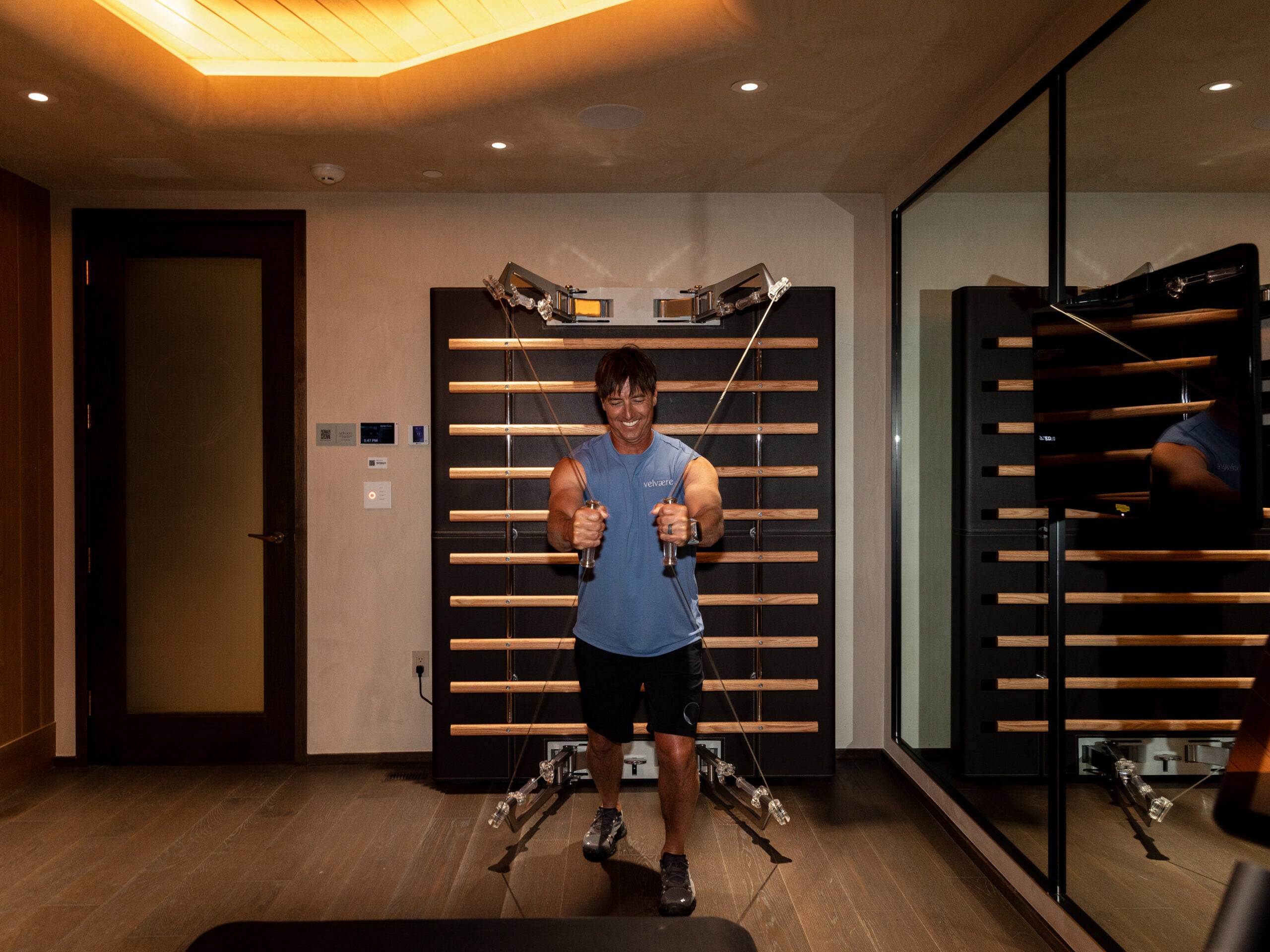
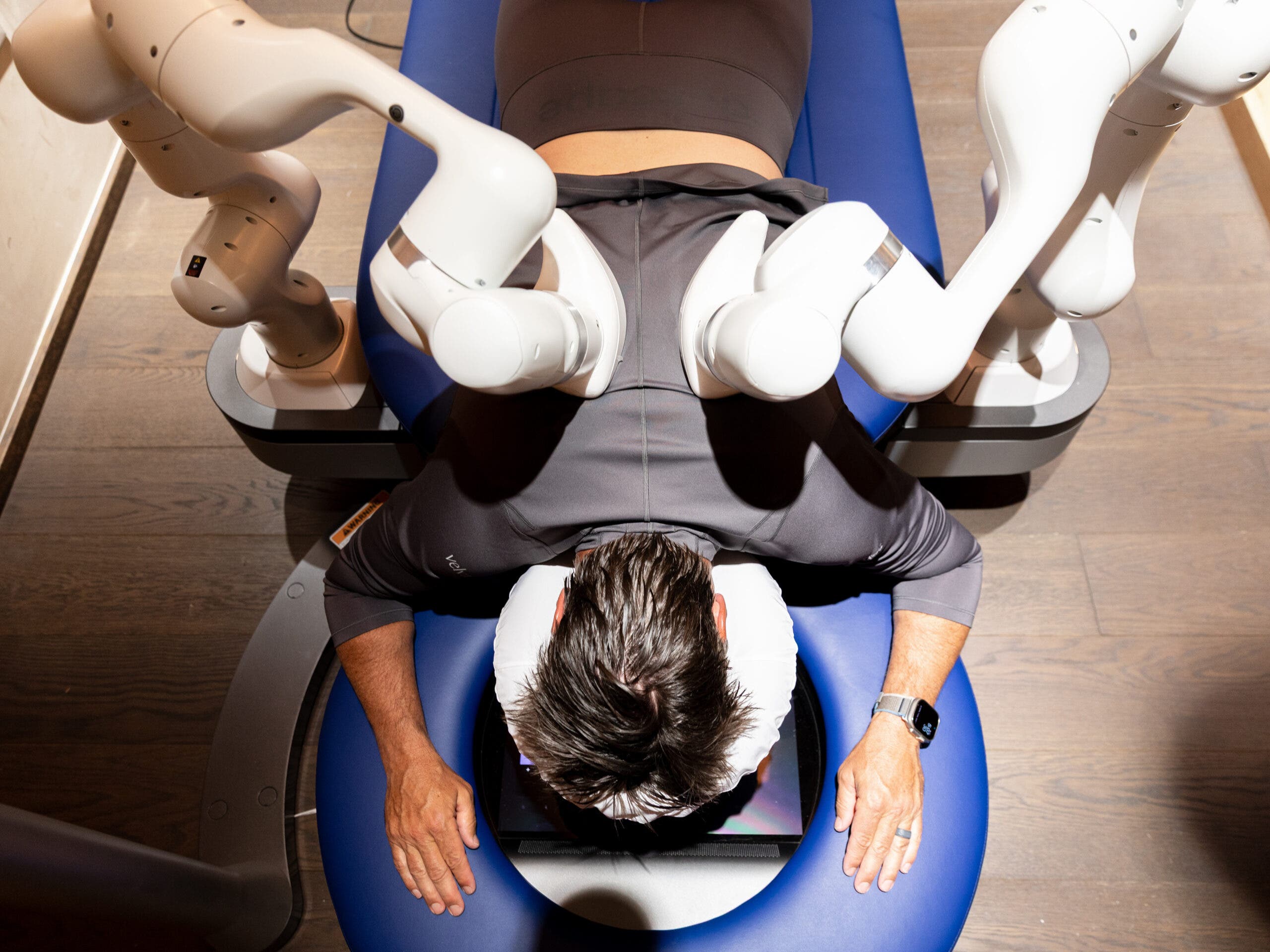
Moseley’s current involvement with Velvaere, a private ski-in, ski-out wellness community, highlights the institutionalization of these advanced technologies. The facility serves as a modern analog to the Olympic Training Centers (OTC) of Moseley’s youth, offering amenities that were once the exclusive domain of national team athletes. Among these is an AI-powered robotic massage system that evaluates the user’s musculoskeletal tension before administering a customized treatment.
This integration of Artificial Intelligence into physical therapy represents a significant shift in how recovery is managed. Unlike traditional massage, which relies on the subjective assessment of a therapist, AI-driven systems can provide objective, repeatable data on muscle density and tension, allowing for a more precise intervention. When combined with other modalities present at Velvaere—such as cryotherapy, LightStim LED therapy, flotation tanks, and TechnoGym equipment—the result is a comprehensive "recovery stack" designed to mitigate the inflammatory response of high-impact sports like skiing.
A Seasonal Approach: The Chronology of Moseley’s Training
Moseley’s current fitness routine is structured around the seasonal demands of the mountains, transitioning from foundational strength to sport-specific endurance as the temperatures drop. This cyclical approach ensures that the body is prepared for the eccentric loading and lateral forces inherent in skiing.
Phase 1: Summer Strength and General Conditioning
During the early summer months, the focus is on hypertrophy and compound strength. Moseley maintains a strict morning routine that begins with 30 to 60 minutes of cardiovascular work, often consisting of a walk with his dog or treadmill intervals. This is followed by a weight-lifting session. While his younger years were dominated by heavy lower-body compound lifts, his current approach is more balanced, incorporating upper-body work and functional movements to maintain overall structural integrity.
Phase 2: Autumn Endurance and Lateral Specificity
As the ski season approaches, the training shifts toward endurance and "one-leg" stability. Skiing is fundamentally a series of rapid weight transfers from one limb to the other, requiring immense stabilizer muscle strength. Moseley utilizes slide boards and lateral plyometric tools to mimic these side-to-side movements. This phase is critical for "priming" the nervous system for the specific demands of the slopes.
Phase 3: Winter Maintenance and Plyometrics
Once the snow begins to fall, Moseley moves into what he calls "plyometric mode." Box jumps are the cornerstone of this phase, though he advises a gradual progression. Jumping from a lower height allows the joints and tendons to adapt to the jarring forces of landing before moving to higher platforms. This "explosive" training is balanced by an increased focus on recovery to prevent the accumulation of micro-trauma.
The Pivot to Mobility: The "Hot Yoga" Factor
One of the most significant changes in Moseley’s regimen as he has aged is the prioritization of mobility over sheer mass. He admits that in his youth, recovery was often ignored unless an injury forced a period of rest. Today, he identifies as a "hot yoga guy," emphasizing the role of heat and guided stretching in maintaining the range of motion necessary for high-level skiing.
Mobility training serves as a preventative measure against the common injuries that plague aging athletes, such as meniscus tears or lower back strain. By incorporating yoga and dynamic stretching, Moseley ensures that his joints remain "limber," allowing him to absorb the shocks of a mogul field without the brittleness that can come with age. This focus on mobility is a key component of his broader philosophy: the goal is no longer just to win a race, but to ensure the ability to ski at a high level for decades to come.
Broader Implications: The Rise of Wellness Real Estate
Moseley’s partnership with Velvaere is indicative of a larger trend in the real estate and hospitality industries: the rise of "wellness real estate." According to the Global Wellness Institute, this sector is one of the fastest-growing segments of the wellness economy, as consumers increasingly seek environments that integrate health-focused technology into their daily lives.
The transition of high-end athletic technology—like cryotherapy and LED light therapy—from elite training centers to residential communities suggests a democratization of sports science. For the recreational skier, access to these tools means shorter recovery times and a reduced risk of injury, effectively extending their "ski life." Moseley’s endorsement of these facilities validates the idea that the lifestyle of an athlete is not just about the hours spent on the mountain, but the environment in which they recover.
Conclusion: The Holistic Athlete
Jonny Moseley’s evolution from a 1998 gold medalist to a modern wellness ambassador reflects a broader shift in how we perceive physical excellence. The "no pain, no gain" mantra of the past has been replaced by a more nuanced understanding of the human body as a complex system requiring careful calibration.
By balancing rigorous cardio, seasonal strength training, and cutting-edge recovery technology, Moseley has created a blueprint for athletic longevity. His approach suggests that the secret to staying on the mountain isn’t just about the strength of one’s legs, but the willingness to embrace new technologies and the discipline to prioritize rest as highly as exertion. As the ski industry continues to evolve, the integration of AI and data-driven wellness—championed by pioneers like Moseley—will likely become the new standard for anyone looking to challenge the limits of their own performance.

