
The physical demands of high-altitude winter sports often result in a paradoxical relationship between peak athletic performance and long-term physiological health. For many veteran skiers, the exhilaration of "powder days" is frequently offset by a subsequent "reaction" characterized by chronic joint pain, muscular imbalances, and debilitating spinal issues. Recent findings and anecdotal evidence from the skiing community suggest that traditional recovery methods—such as yoga, stretching, and foam rolling—may be insufficient to address the root causes of sports-related injuries. Instead, a shift toward structured resistance training, specifically targeting the posterior chain, is being recognized as a vital intervention for maintaining athletic longevity and mitigating the effects of aging on the human frame.
The Pathophysiology of Chronic Pain in Winter Sports
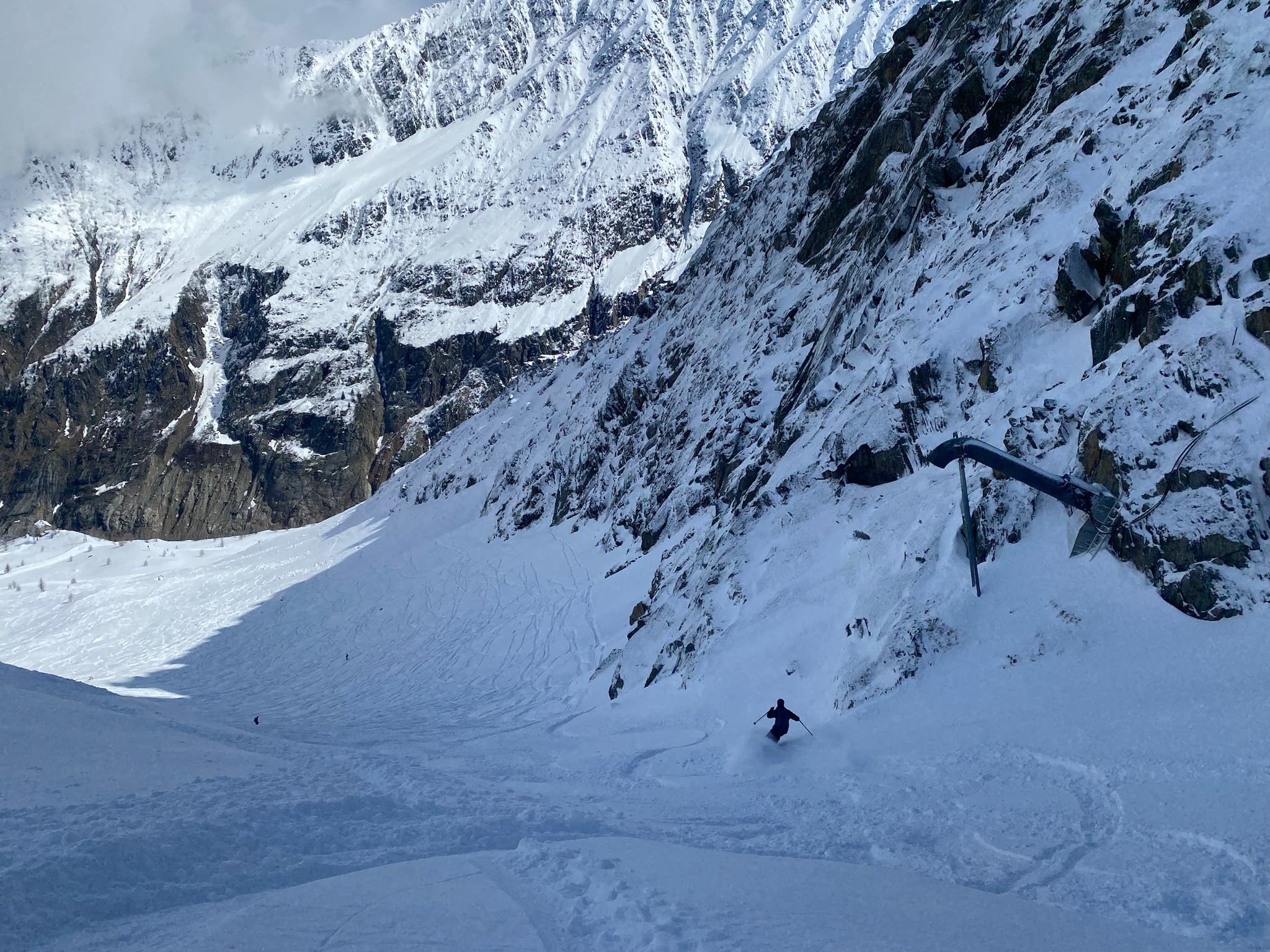
For an athlete engaged in skiing, the body acts as a shock absorber for high-velocity impacts and repetitive gravitational forces. While the immediate joy of the sport is often compared to a state of transcendence, the long-term biological cost can be severe. In a typical case study of a 33-year-old male skier with over 1,000 days of experience on the slopes, the cumulative effect of these forces resulted in a decade of chronic lower back pain, hip soreness, and joint instability. Despite being in a demographic generally considered "young," the subject experienced pain so acute that it led to bed-bound episodes and significant interference with professional and personal life.
The primary issue identified by sports medicine professionals is not merely the impact of skiing itself, but the muscle imbalances created by modern lifestyles and genetic predispositions. Franco Morris, Head of Program Delivery at a specialized athletic facility in Sydney, Australia, notes that human evolution has not caught up with the demands of high-impact sports or the sedentary nature of contemporary work environments. This "evolutionary mismatch" is particularly evident in skiers who possess broad upper bodies supported by relatively narrow hip structures. When the upper body apparatus swings during high-speed turns, the lower back is forced to compensate for a lack of gluteal engagement, leading to eventual structural failure.
A Decade of Decline: The Chronology of Injury
The progression from peak performance to chronic debilitation typically follows a predictable timeline. For many skiers, the initial years of the sport are marked by resilience; the body’s tissues are malleable and responsive. However, as an athlete enters their late twenties and early thirties, "Father Time" begins to dictate a different set of rules.
- The Early Phase (Years 1-5): Minor aches and pains are often dismissed as temporary soreness. Recovery is fast, and the athlete relies on natural flexibility.
- The Management Phase (Years 5-9): Pain becomes a daily companion. Athletes often turn to "passive" or "low-impact" recovery methods. In the case analyzed, this included a decade-long regimen of yoga, vegetarianism for weight management, firm mattresses, and core-stability exercises like planks and sit-ups. While these methods manage symptoms, they fail to address underlying muscular atrophy or imbalances.
- The Crisis Point (Year 10): The culmination of fatigue leads to a "lower back spasm"—a protective mechanism where muscles contract violently to prevent further spinal injury. In the reported case, these spasms were more painful than a previous fractured and dislocated elbow, resulting in an inability to perform basic daily tasks, such as walking or sitting.
- The Intervention (Year 11 and Beyond): The introduction of a dedicated weight training regimen. Within one year of consistent resistance training, subjects have reported entire days of being pain-free, effectively "resetting" their physical state to that of an 18-year-old.
The Science of the Posterior Chain and Bone Density
The "miracle cure" cited by many recovering skiers is found in the strengthening of the posterior chain. This anatomical group includes the hamstrings, glutes, and lower back muscles, which together drive posture and explosive power. For skiers, a weakened posterior chain is often the result of "desk-bound" professional lives, where excessive sitting causes the glutes to become "dormant," forcing the lumbar spine to bear the brunt of mountain terrain.
According to data from sports physiology research, building muscle through resistance training does more than just provide power; it promotes bone density and adds "cushioning tissue" around vulnerable skeletal structures. This is critical for preventing fractures and dislocations during falls. Expert analysis suggests that weight training serves as a preventative shield, reinforcing the joints (knees and hips) against inflammation.
Strategic Training Methodologies for Endurance Athletes
For skiers transitioning into weight training, the objective differs significantly from that of a bodybuilder. The goal is functional strength and endurance rather than excessive hypertrophy (muscle mass). Heavy "glamour muscles"—such as the chest and biceps—can actually be detrimental to mountain sports by adding unnecessary weight to the upper body, which further strains the lower back.
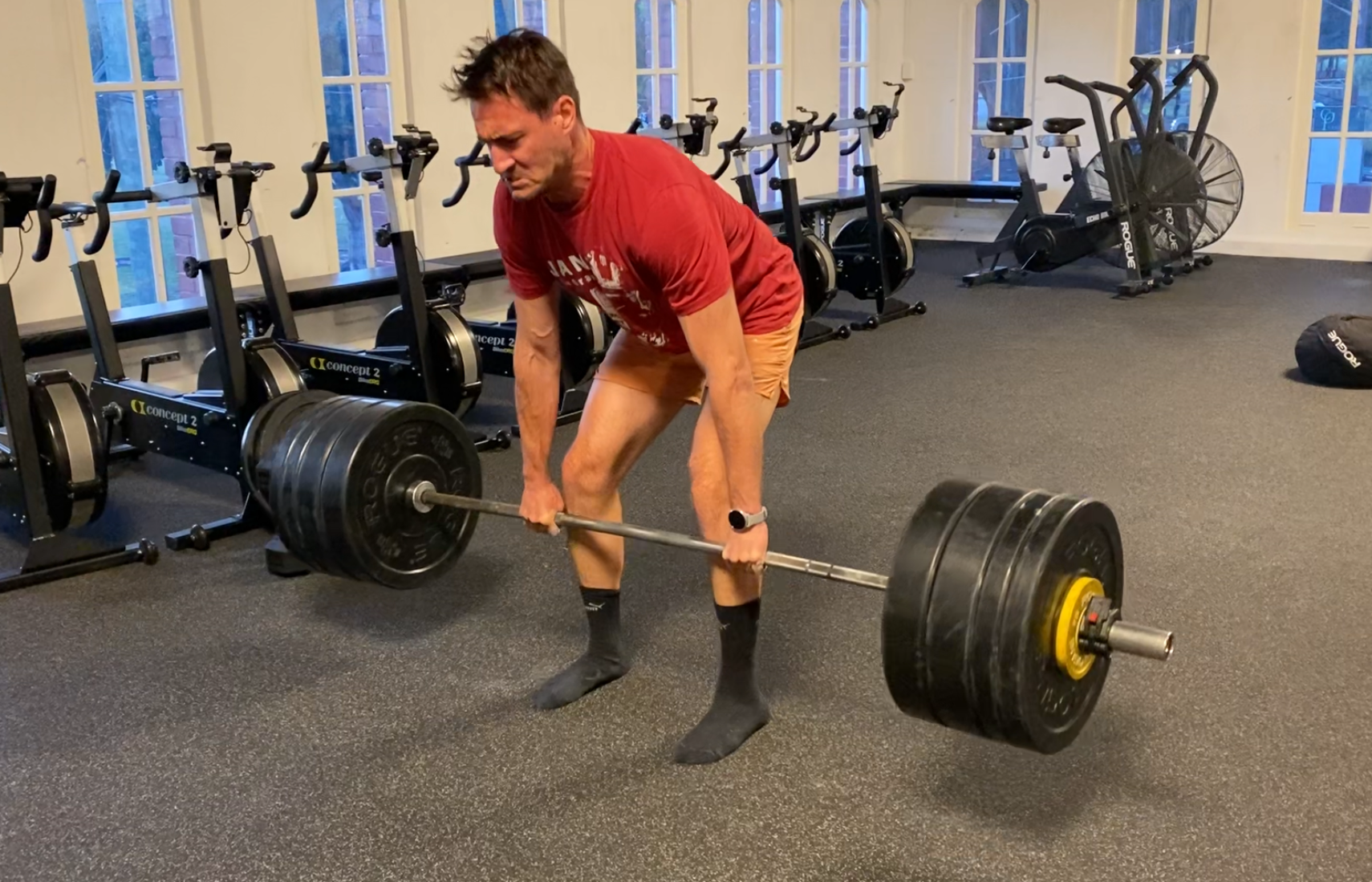
Professional trainers recommend a focus on the following "Essential Movements" for skiers:
- The Deadlift: Directly engages the entire posterior chain. By lifting a barbell from the ground to the hip with a neutral spine, the athlete builds the foundational strength required to stabilize the torso during high-speed descents.
- Kettlebell Swings: Utilizes a hip-hinge movement to drive explosive power from the glutes, teaching the body to use the hips rather than the lower back for force.
- Barbell Hip Thrusts: Specifically targets gluteal engagement, which is often the weakest link in a skier’s physiology.
- Barbell Step-ups: Mimics the unilateral (single-leg) nature of skiing, improving balance and joint stability in the knees.
Furthermore, the training philosophy should prioritize Volume over Weight. Performing 10 repetitions at 60% of a maximum weight is generally more beneficial for a skier than 3 repetitions at 85%. This approach builds the muscular endurance necessary for long days on the mountain while reducing the risk of training-related injuries.
Professional Responses and Expert Advice
The integration of weight training into the skiing lifestyle has been met with positive responses from the sports medicine community. Franco Morris emphasizes that "the sky is the limit" for most individuals, as the average person has significant room for physiological improvement that can counter the effects of aging for decades.
However, experts issue a stern warning regarding the "metamorphosis" period. The first few weeks of resistance training—especially for those over 30—are described as "brutal" and "torturous." The body undergoes significant stress as it adapts to new loads. To mitigate the risk of injury during this phase, professionals advise:
- Working with a Qualified Trainer: Proper form is more important than the amount of weight lifted. Group training environments are often cited as a cost-effective way to access professional coaching.
- Starting Small: Avoiding the temptation to compete with more experienced lifters in a gym setting.
- Consistency: Mental fortitude is required to maintain the regimen when the "fleeting soreness" of the gym feels more taxing than the chronic pain of the past.
Broader Impact and Industry Implications
The trend toward "strength-based longevity" has broader implications for the ski industry and public health. As the average age of resort pass holders remains high, the ability of the "baby boomer" and "Gen X" demographics to remain active on the slopes is vital for the economic health of mountain towns.
Moreover, the shift away from purely passive recovery (like massages or hot tubs) toward active resistance training represents a significant change in how athletes view "self-care." By addressing muscle imbalances through deadlifts and squats, skiers are not just managing pain; they are fundamentally altering their biological trajectory.
Data suggests that individuals who engage in regular resistance training experience a lower incidence of ACL tears—a common and devastating injury in skiing. By strengthening the muscles surrounding the knee, the "gluteal sidekick" is finally able to support the lower back and legs, allowing the "upper body apparatus" to move freely without causing structural damage.
In conclusion, while the laws of physics state that every action has a reaction, the "reaction" to a lifetime of skiing does not have to be a permanent state of chronic pain. Through the strategic application of weight training and a focus on the posterior chain, athletes can extend their time on the mountain by decades, proving that the effects of "Father Time" can be successfully countered with a barbell and a commitment to functional strength.

