
As the first significant snowfalls of the 2024-2025 winter season begin to blanket major mountain ranges across North America and Europe, millions of recreational skiers are currently assessing their physical readiness for the slopes. While many athletes seek out "cram" programs in the final weeks of November, leading orthopedic experts suggest that the window for optimal preparation begins nearly half a year prior. Dr. Kevin Stone, a renowned orthopedic surgeon at The Stone Clinic in San Francisco and a former physician for the U.S. Ski Team, emphasizes that the most effective training cycles for alpine sports are those that maintain continuity from the end of one season to the start of the next.
The paradigm of ski-specific conditioning has shifted significantly over the last decade. Historically, training was characterized by high-intensity, sport-specific drills performed in the weeks leading up to the season. However, contemporary sports medicine now prioritizes year-round "total body fitness" over isolated, seasonal bursts of activity. This approach recognizes that the physiological demands of skiing—including eccentric quad loading, core stability, and cardiovascular endurance—are best sustained through varied, enjoyable activities such as cycling, running, or group fitness classes.
The Chronology of Seasonal Preparation
For the elite athlete and the dedicated recreationalist alike, the training timeline is ideally a continuous loop. According to Dr. Stone, the off-season should not be a period of sedentary recovery but rather a phase of maintenance. The "quad strength" developed by the end of a spring skiing session in March provides a foundational level of fitness that, if preserved through the summer, prevents the athlete from "starting at zero" when the lifts begin to turn in November.
The transition from general fitness to sport-specific readiness typically occurs in the six to eight weeks preceding the first trip. During this period, the focus shifts toward dynamic movements that mimic the lateral forces and terrain variations inherent in downhill skiing. The "dynamic squat"—a variation of the traditional squat that incorporates side-to-side movement—has emerged as the gold standard for this phase. Biomechanically, these movements prepare the musculoskeletal system for the unpredictable nature of groomed runs, moguls, and powder.
Supporting Data on Skiing Injuries and Physical Demands
The necessity of this rigorous preparation is underscored by the high physical stakes of the sport. Data from the National Ski Areas Association (NSAA) and various orthopedic studies indicate that while the overall rate of injury in skiing has declined due to better equipment, the severity of certain injuries remains a concern.
Knee injuries, particularly tears of the Anterior Cruciate Ligament (ACL) and the meniscus, account for approximately 30% to 40% of all skiing-related injuries. A 2023 study on alpine sports trauma noted that a significant portion of these injuries occur during the "first day on the mountain" or during the final run of the day, suggesting that both lack of conditioning and physical fatigue are primary risk factors. Furthermore, the forces exerted on a skier’s knee during a high-speed turn can exceed three times their body weight, necessitating robust muscular support to protect the joint capsule.
The Psychology of Injury Prevention
Beyond physical conditioning, Dr. Stone identifies mental focus as a critical, yet often overlooked, component of slope safety. Clinical observations at The Stone Clinic suggest a strong correlation between "mental errors" and orthopedic trauma. Many injured athletes report a "premonition" or a sense of distraction—thinking about social obligations, work, or meals—immediately preceding an accident.
This lack of "proprioception"—the body’s ability to sense its position and movement in space—is exacerbated by mental fatigue. When a skier is not fully engaged with the "act of sliding down snow," their reaction times to terrain changes diminish. Experts argue that "mindfulness on the mountain" is as vital as muscular power, as even the strongest legs cannot compensate for a late reaction to an icy patch or a hidden obstacle.
Technological Evolution in Ski Gear
The role of equipment in safety has undergone a revolution, challenging long-held beliefs that skill can compensate for dated gear. Modern ski and boot technology is specifically engineered to reduce the risk of "tibial-induced" ACL strains and other common fractures.
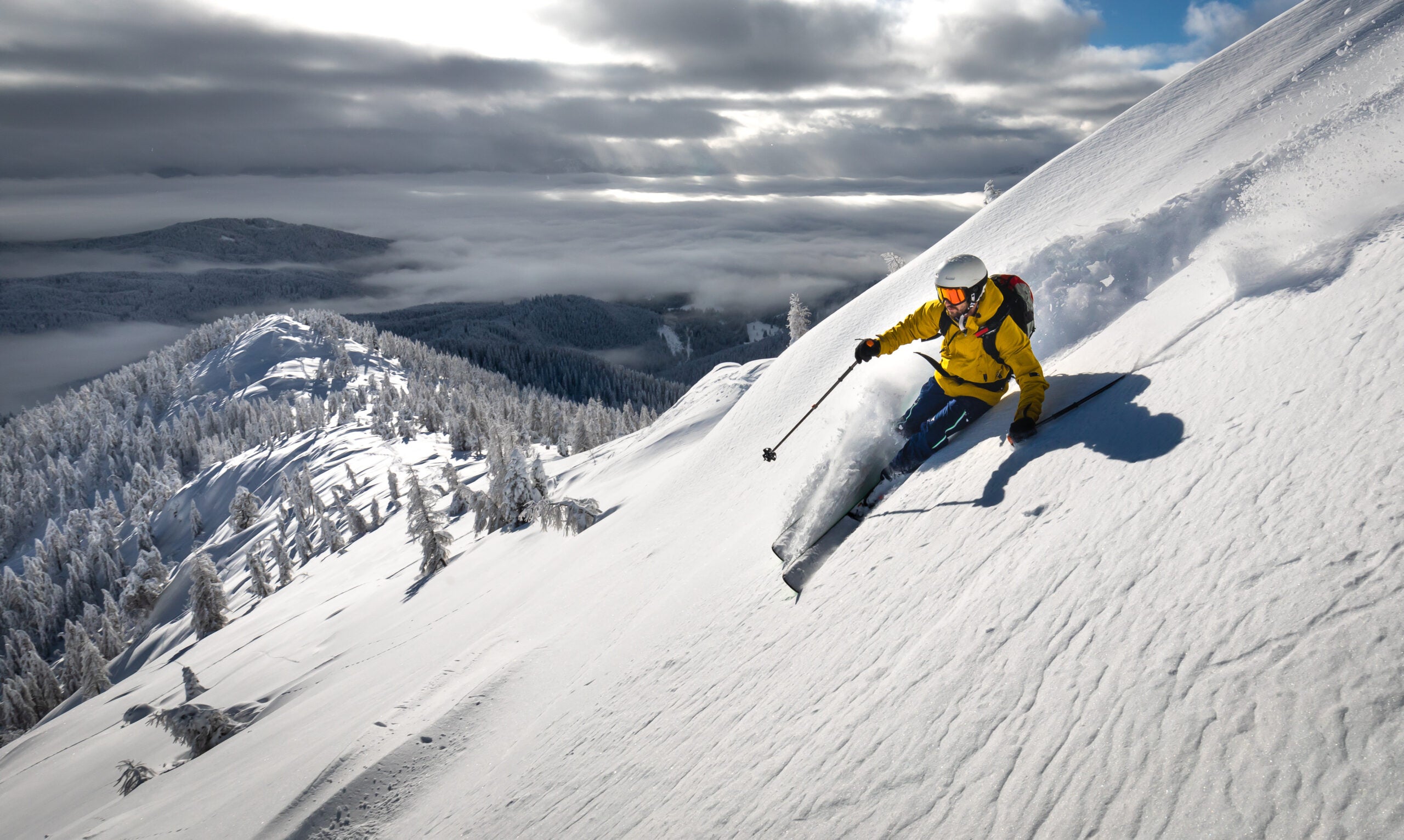
One of the most significant shifts in professional recommendations involves boot flex. For decades, the industry standard for high performance was a rigid, stiff boot. However, Dr. Stone and other specialists now advocate for softer-flexing boots for 90% of the skiing population. A boot that allows for greater ankle and knee flexion enables the skier to use their natural biomechanics to initiate turns, rather than relying on sheer force. This increased range of motion not only improves performance but serves as a mechanical buffer against injury.
Age-Specific Risks and Medical Interventions
The orthopedic challenges of skiing vary significantly across different age demographics, requiring tailored medical approaches.
Younger Skiers: Soft Tissue Trauma
In younger populations, the primary concerns are acute traumatic injuries. Torn ACLs, meniscus damage, dislocated shoulders, and rotator cuff tears are the most frequent diagnoses following falls. Dr. Stone emphasizes the importance of an immediate and comprehensive diagnosis following any "pop" or swelling in the joint.
In the event of an ACL reconstruction, the medical community is increasingly debating the merits of different graft types. While many surgeons use the patient’s own patellar tendon (autograft), Dr. Stone advocates for the use of donor tissue (allograft) in certain cases. The rationale is that harvesting a patient’s own tissue can weaken the knee’s secondary support structures, potentially hindering their ability to "hold an edge" during high-performance skiing.
Older Skiers: Managing Degenerative Conditions
For the "silver skier" demographic, the primary obstacle is often osteoarthritis. However, the rise of "biological orthopedics" has provided alternatives to traditional joint replacement. Injections of hyaluronic acid (lubricants) and Platelet-Rich Plasma (PRP) have become common pre-season rituals for older athletes.
These treatments aim to recruit the body’s own signaling cells to reduce inflammation and improve joint lubrication. For many patients with "bone-on-bone" arthritis, these non-invasive interventions can provide enough symptomatic relief to navigate a full ski season, effectively delaying the need for invasive surgery and allowing for continued participation in the sport well into their 80s and 90s.
Broader Impact and Industry Implications
The shift toward proactive, year-round fitness and biological medical treatments has significant implications for the ski industry and public health. As the "baby boomer" generation continues to stay active later in life, the demand for longevity-focused orthopedics is surging. This trend supports the economic stability of mountain resorts, which increasingly rely on a demographic that possesses both the time and the disposable income for frequent travel.
Furthermore, the "fitter, faster, stronger" recovery philosophy popularized by Dr. Stone and his peers is reshaping how athletes view injury. Rather than a "season-ender" being a permanent setback, it is increasingly viewed as a motivational catalyst to address underlying physical weaknesses. This mindset, combined with advancements in robotic-assisted surgery and regenerative medicine, is narrowing the gap between professional-level care and the treatment available to the general public.
Conclusion: The Integrated Approach to the Slopes
As the 2024-2025 season commences, the consensus among medical professionals is clear: successful skiing is the result of an integrated approach that combines consistent physical activity, mental discipline, and modern technology. While it may be too late for some to begin a seven-month training cycle, the implementation of dynamic exercises and a focus on mental presence can still mitigate risks.
Ultimately, the goal of modern sports medicine in the alpine sector is to transform skiing from a high-risk gamble into a sustainable, lifelong pursuit. By embracing new gear standards and biological treatments, and by maintaining a baseline of "fun-focused" fitness throughout the year, skiers can ensure that their time on the mountain is defined by performance and enjoyment rather than injury and recovery. The mountain remains a dangerous environment, but with the right preparation, the modern skier is better equipped than ever to navigate its challenges.

