
The long-standing culture of alpine skiing has often embraced physical discomfort as an inevitable tax for the thrill of the descent. For decades, the "badge of honor" for many enthusiasts was the ability to endure the rigid, unforgiving architecture of a ski boot for eight hours a day. However, as medical understanding of lower-extremity biomechanics evolves, experts are increasingly warning that the traditional acceptance of foot pain is not merely a matter of grit, but a potential precursor to permanent physiological damage. As the 2025-2026 ski season progresses, podiatrists and professional boot fitters are emphasizing that while the sport requires a fixed foot position for safety and control, the equipment itself should never be a source of chronic trauma.
The Pathophysiology of the Ski Boot
The fundamental design of a ski boot is a contradiction in terms of human anatomy. To transfer the subtle movements of a skier’s leg to the edge of a ski, the foot must be held in a nearly immobile state. This necessitates a hard plastic outer shell and a snug internal liner. Dr. Nelya Lobkova, a New York City-based podiatrist and veteran skier, explains that this environment can rapidly exacerbate latent or existing foot conditions. Among the most common are hallux valgus (bunions), hammertoes, and Morton’s neuroma.
A bunion is a bony bump that forms on the joint at the base of the big toe, often influenced by genetics but aggravated by external pressure. Morton’s neuroma, conversely, is a benign but painful condition affecting the ball of the foot, most commonly the area between the third and fourth toes. It involves a thickening of the tissue around one of the nerves leading to the toes. When a ski boot’s "toe box" is too narrow, the resulting lateral compression squeezes the metatarsal heads together, pinching the nerve and potentially leading to permanent nerve damage or the need for surgical intervention.
Dr. Lobkova notes that the risk is not exclusive to boots that are too tight. "When the boots are too loose, the foot jams excessively forward inside the boot and impinges the toe bones," she says. This repetitive micro-trauma, often referred to as "toe bang," can lead to subungual hematomas—blood pooling under the nail—which can cause the nail to detach or lead to secondary infections.
Chronic Conditions and the Cost of Neglect
The implications of poorly fitted boots extend beyond the duration of a ski trip. Chronic inflammation of a bunion or the persistent impingement of a nerve root can become lingering issues that affect a person’s ability to walk, run, or wear standard footwear. According to clinical data, repetitive pressure on the toenail bed can cause irreversible changes to the matrix, the area where the nail begins to grow. This results in nails that appear permanently thickened, discolored, or stunted—a condition known as onychodystrophy.
Furthermore, the "tourniquet effect" is a significant concern for those who ignore the warning signs of numbness. Dr. Lobkova highlights a critical physiological response to the mountain environment: "When you move from a cold temperature to a warm one, your feet and ankles swell. You don’t want them to swell against a stiff boot because this will cause a tourniquet effect, preventing blood from reaching the foot." This restriction of blood flow can lead to temporary paresthesia (pins and needles) or, in extreme cases of prolonged exposure, contribute to more severe vascular issues.
The Chronology of a Professional Boot Fitting
To combat these risks, the industry has shifted toward a highly personalized fitting process. The chronology of a modern, professional boot fitting typically follows a rigorous protocol designed to align the equipment with the unique contours of the individual’s foot.
- Initial Assessment and Biomechanical Analysis: The process begins with a detailed measurement of the foot’s length and width (the "last") in both weighted and unweighted positions. A boot fitter examines the arch height, ankle flexibility, and any visible deformities like bunions or bony protrusions.
- Shell Selection: Before the liner is considered, the fitter performs a "shell fit." The skier places their foot in the empty plastic shell. The fitter checks the gap between the heel and the back of the shell and the lateral space around the forefoot.
- Heat Molding: Most high-performance liners and many modern shells are now made from thermo-formable plastics. The components are heated in specialized ovens until they become pliable, then worn by the skier. As the material cools, it takes on the exact shape of the skier’s foot.
- Mechanical Modifications (The "Punch"): For specific problem areas, such as a prominent navicular bone or a bunion, fitters use hydraulic presses or ball-and-ring tools to "punch out" the plastic shell, creating a localized pocket of extra space without compromising the overall integrity of the boot.
- Custom Orthotics: Both Dr. Lobkova and Dr. Mikel Daniels, a Baltimore-based podiatric surgeon, advocate for the use of custom insoles. While many boots come with generic foam inserts, these rarely provide the necessary arch support or metatarsal padding required to keep the foot in a neutral, "strong" position.
Supporting Data: The Impact of Proper Alignment
Market research and clinical studies in sports medicine suggest that nearly 70% of skiers experience some form of foot discomfort, but only an estimated 25% seek professional fitting services. However, data from the American Podiatric Medical Association (APMA) indicates that proper alignment doesn’t just prevent injury—it enhances performance. A foot that is properly supported in a neutral position allows for more efficient power transfer to the ski’s edges, reducing muscle fatigue in the calves and thighs.
Dr. Mikel Daniels emphasizes that the distinction between "normal" ache and "damaging" pain is clear. "My rule is simple: if your boot pain makes you think more about your feet than your skiing, the fit is wrong," he states. A well-fitted boot should feel like a "firm handshake"—secure and snug, but without localized pressure points that cut off circulation or cause sharp, radiating pain.
Rental Realities and Temporary Solutions
For the millions of casual skiers who rely on rental equipment, the luxury of custom heat molding and shell punching is often unavailable. Nevertheless, there are preventive measures that can be taken to mitigate risk. Dr. Daniels advises that renters should never "size up" to avoid tightness. An oversized boot allows the foot to slide, leading to the aforementioned "toe bang" and blisters. Instead, skiers should communicate clearly with rental technicians about any pre-existing conditions and ensure that buckles are tightened progressively rather than over-cranked at the start of the day.
The choice of hosiery is also a critical, yet often overlooked, factor. The traditional "thick wool sock" is now considered a liability. Modern ski socks are thin, engineered with merino wool or synthetic blends to wick moisture and provide targeted padding without adding bulk that could disrupt the fit of the boot. Dr. Daniels also recommends that if a skier uses orthotics in their everyday shoes, they should attempt to use them (or a thinner version of them) in their rental boots to maintain familiar arch support.
Broader Implications for the Outdoor Industry
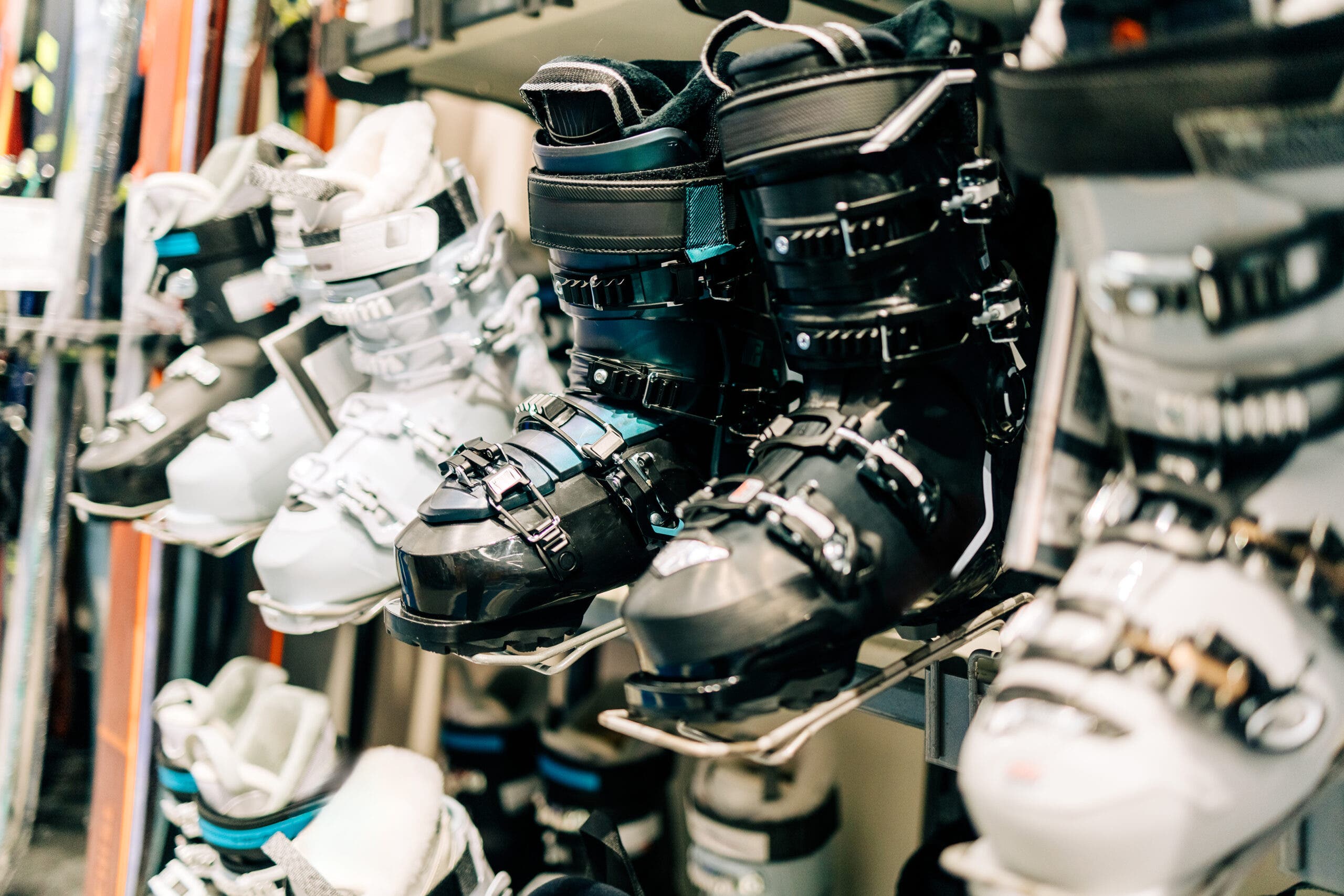
The shift in focus from "performance at all costs" to "performance through health" reflects a broader trend in the outdoor gear industry. Manufacturers like Salomon, Atomic, and Tecnica have invested heavily in "Memory Fit" and "Custom Shell" technologies, acknowledging that a comfortable skier is a skier who stays on the mountain longer and returns to the sport year after year.
From a public health perspective, the prevention of ski-related foot deformities reduces the long-term burden on the healthcare system. The cost of a professional boot fitting and custom orthotics—typically ranging from $300 to $800—is significantly lower than the cost of surgical correction for a severe bunion or chronic neuroma, which can reach several thousand dollars and require months of recovery.
Conclusion: Listening to the Body
As the skiing industry continues to evolve, the consensus among medical professionals is that pain should no longer be a prerequisite for the sport. The integration of podiatric science into gear manufacturing and fitting has provided a pathway for skiers to protect their long-term mobility while enjoying the slopes.
The advice from experts like Dr. Lobkova and Dr. Daniels remains consistent: listen to the body. Persistent numbness, localized sharp pain, and blackened toenails are not "part of the game"—they are clinical warning signs. By prioritizing a proper fit, utilizing modern technology, and taking frequent breaks to allow for circulation and decompression, skiers can ensure that their passion for the mountains does not result in a lifetime of foot complications. The goal of modern skiing is no longer just to conquer the mountain, but to do so in a way that allows the athlete to walk comfortably long after the snow has melted.

