
The Nordic skiing season has officially commenced in Norway as of Saturday, October 24, 2026, with Geilo securing its position as the country’s first destination to offer prepared tracks for both classic and skate skiing. By leveraging advanced snow-storage technology, the resort has unveiled an initial 2.5-kilometer loop at its local ski stadium. This milestone marks the beginning of a highly anticipated winter sports season, drawing attention from professional athletes, competitive biathletes, and recreational enthusiasts eager to transition from dry-land training to snow-based regimens.
The opening in Geilo serves as a bellwether for the broader Norwegian winter tourism industry. As climate patterns become increasingly unpredictable, the strategic use of stockpiled snow—often referred to as "snow farming"—has transformed from a niche experiment into an essential operational standard for resorts aiming to capture the early-season market.
The Technical Foundation of Early-Season Skiing
The tracks currently available in Geilo are constructed using snow stored from the previous winter. This process involves insulating large mounds of snow with specialized geotextiles and wood chips during the warmer months, preventing the material from melting even during peak summer temperatures. Once ambient temperatures drop sufficiently in October, the insulating layers are removed, and the snow is distributed by groomers to create a high-quality surface.
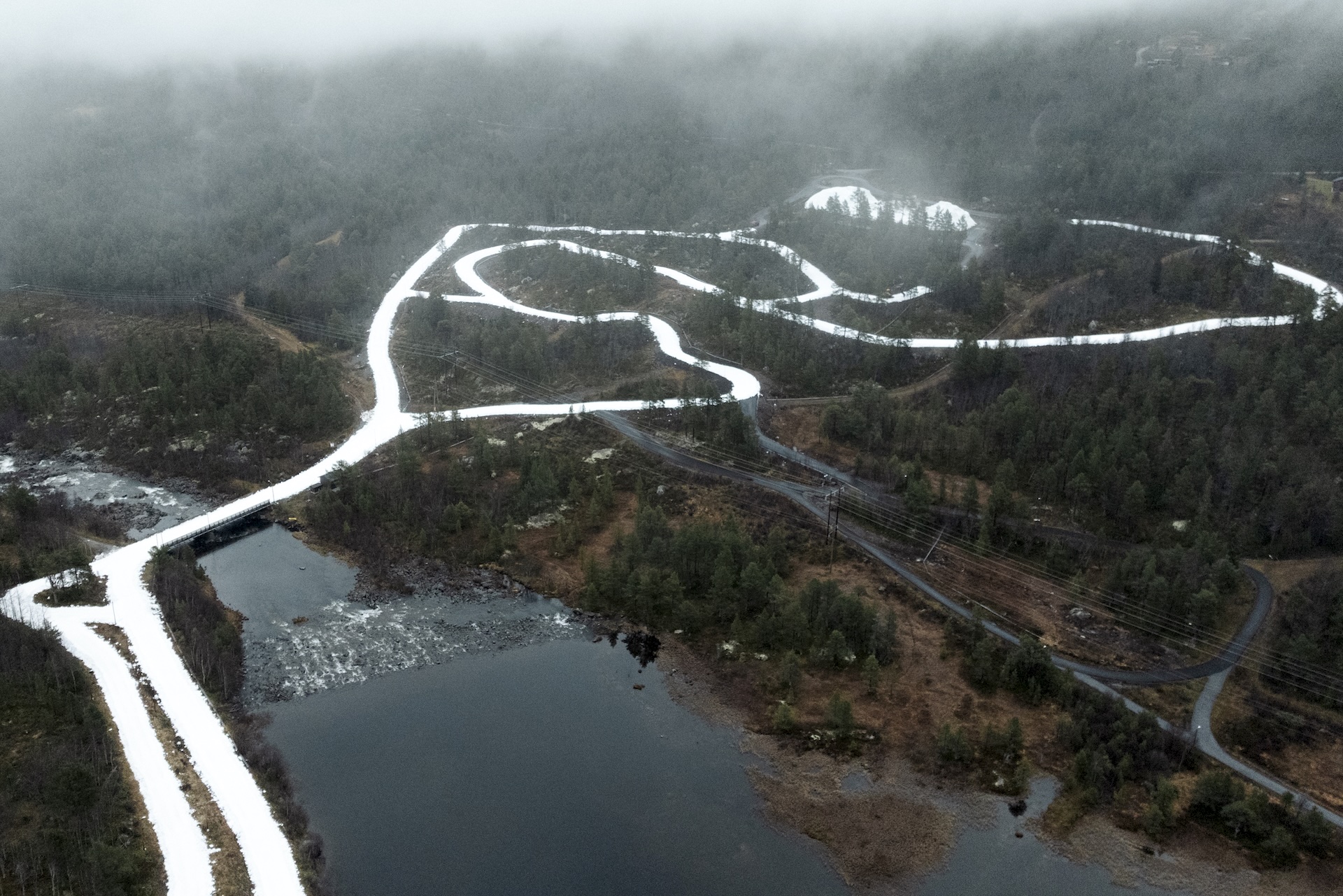
This technique is not merely a convenience for enthusiasts; it is a vital component of professional sports development. By providing a stable base three weeks prior to the national biathlon season opener, Geilo ensures that elite athletes have access to essential training facilities. The facility includes a full biathlon range, which will host national competitions from November 13 to 15, 2026.
The logistical challenge of preparing these trails is significant. Resort operators must manage precise moisture content and thermal stability to ensure the snow holds up under the weight of grooming equipment. Furthermore, the early-season conditions are often subject to intense scrutiny from coaches who emphasize that such tracks are significantly more demanding than mid-winter snow, often citing the need for specific physical conditioning before attempting high-intensity training on early-season loops.
A Comparative Look at the Nordic Early-Season Market
While Geilo holds the title of the first Norwegian resort to open, the regional competition remains intense. The scramble to be the first to open is fueled by both commercial interest and regional pride. In 2025, the honor of being the first to open went to Mosetertoppen, highlighting the rotating nature of this competition.
However, the international context suggests that Norway faces stiff competition from its neighbors. On Friday, October 23, 2026, the Idrefjäll resort in Sweden, situated approximately 40 kilometers from the Norwegian border near Engerdal, successfully opened its tracks. The proximity of Idrefjäll to the border creates a competitive dynamic for the Scandinavian ski market, as athletes and enthusiasts often travel across national lines to secure the earliest possible start to their training cycle.

The ability to open in late October has become a key performance indicator for winter destinations. Resorts that successfully launch their early-season product see a measurable uptick in hotel occupancy and local spending, providing a crucial economic bridge between the autumn season and the peak Christmas and New Year period.
Economic and Strategic Implications for Tourism
Heidi Stevning, Managing Director of Visit Geilo, noted that the early start is a cornerstone of the resort’s strategic development. Beyond the prestige of being "first," the initiative is designed to stimulate economic activity during a period that is historically characterized by low foot traffic in mountain villages.
"The ability to open our trails significantly ahead of the traditional winter calendar allows us to attract high-performance teams and dedicated hobbyists who would otherwise look toward glaciers or international training camps," Stevning stated. By extending the season, Geilo is effectively diversifying its revenue stream and reinforcing its status as a premier destination for high-altitude training.
The broader implications for the Norwegian tourism sector are significant. As global temperatures rise, the reliability of natural snowfall at lower altitudes becomes less certain. Resorts that invest in large-scale snow storage are effectively insulating themselves against climate volatility. This creates a more predictable schedule for the Norwegian Ski Federation and the Norwegian Biathlon Federation, allowing for better planning of national championships and selection trials.

The Training Philosophy of Early-Season Tracks
Professional coaches have recently issued guidance regarding the use of early-season snow. While the temptation to log high mileage immediately is strong, experts suggest that the physical toll of skiing on early, often firm or artificial snow, is greater than that of natural mid-winter powder. The base is thinner, the turns are tighter, and the surface is more abrasive.
Athletes are advised to treat the first few weeks as a "transitional phase." For the elite, this means balancing the volume of training with the need to avoid overuse injuries, such as stress reactions or tendonitis, which are more prevalent when transitioning too quickly from roller-skiing to snow-skiing.
For the general public, the arrival of these tracks is a celebratory event. It signifies the end of the long wait for the ski season and represents a cultural touchstone for Norwegians, for whom cross-country skiing is deeply ingrained in the national identity.
Future Outlook and Infrastructure Expansion
Geilo’s roadmap for the coming weeks is ambitious. Following the initial 2.5-kilometer launch, plans are already in place to expand the trail network by an additional 1.5 kilometers by the first week of November. This expansion is designed to alleviate congestion on the tracks, particularly during peak weekend hours when recreational skiers share the space with national-level competitors.

The investment in infrastructure, such as improved lighting for evening sessions and upgraded grooming equipment capable of handling stored snow, underscores the long-term commitment of the region. As other destinations across Norway look to replicate this success, the standard for "early-season readiness" is rising.
For the 2026-2027 season, observers anticipate that the early opening in Geilo will set a precedent for other regions, including Sjusjøen and Beitostølen, which typically follow in quick succession. The synchronization of these openings is essential for the national team’s preparation, as it allows for a seamless transition between different training venues.
Conclusion: A Season of High Expectations
The early opening of the Geilo ski stadium on October 24, 2026, serves as more than just a logistical achievement; it is a vital catalyst for the Norwegian winter economy and the sporting calendar. By successfully managing the transition from stored snow to a fully functional, 2.5-kilometer trail network, Geilo has cemented its position as a leader in Nordic winter sports management.
As the season progresses, the eyes of the nation will remain fixed on these early-season tracks. With the national biathlon season opener rapidly approaching, the pressure on Geilo to maintain high-quality trail conditions is high. Yet, for now, the mood in the valley is one of anticipation and relief. The snow is on the ground, the tracks are set, and the 2026-2027 season is officially underway. Whether the goal is competitive dominance or simple recreational enjoyment, the gates to the Norwegian winter have been thrown open.

As climate realities continue to evolve, the methodologies tested and refined in Geilo this October will likely become the blueprint for future seasons. The blend of technology, strategic planning, and a deep-seated cultural passion for skiing ensures that despite the changing climate, the Norwegian ski tradition will remain a vibrant and resilient fixture of the country’s landscape for years to come.

