
Glacier National Park, a UNESCO World Heritage site renowned for its dramatic glacial landscapes, pristine alpine meadows, and crystal-clear lakes, also serves as a vital habitat for a diverse array of wildlife, including a significant population of grizzly bears. Recent events within the park have underscored the paramount importance of adhering to established bear safety guidelines, a crucial aspect of responsible visitor conduct in this wild and magnificent environment. A video captured by visitor Mason Van Zeeland has brought renewed attention to the potential dangers and necessary precautions when encountering these powerful apex predators.
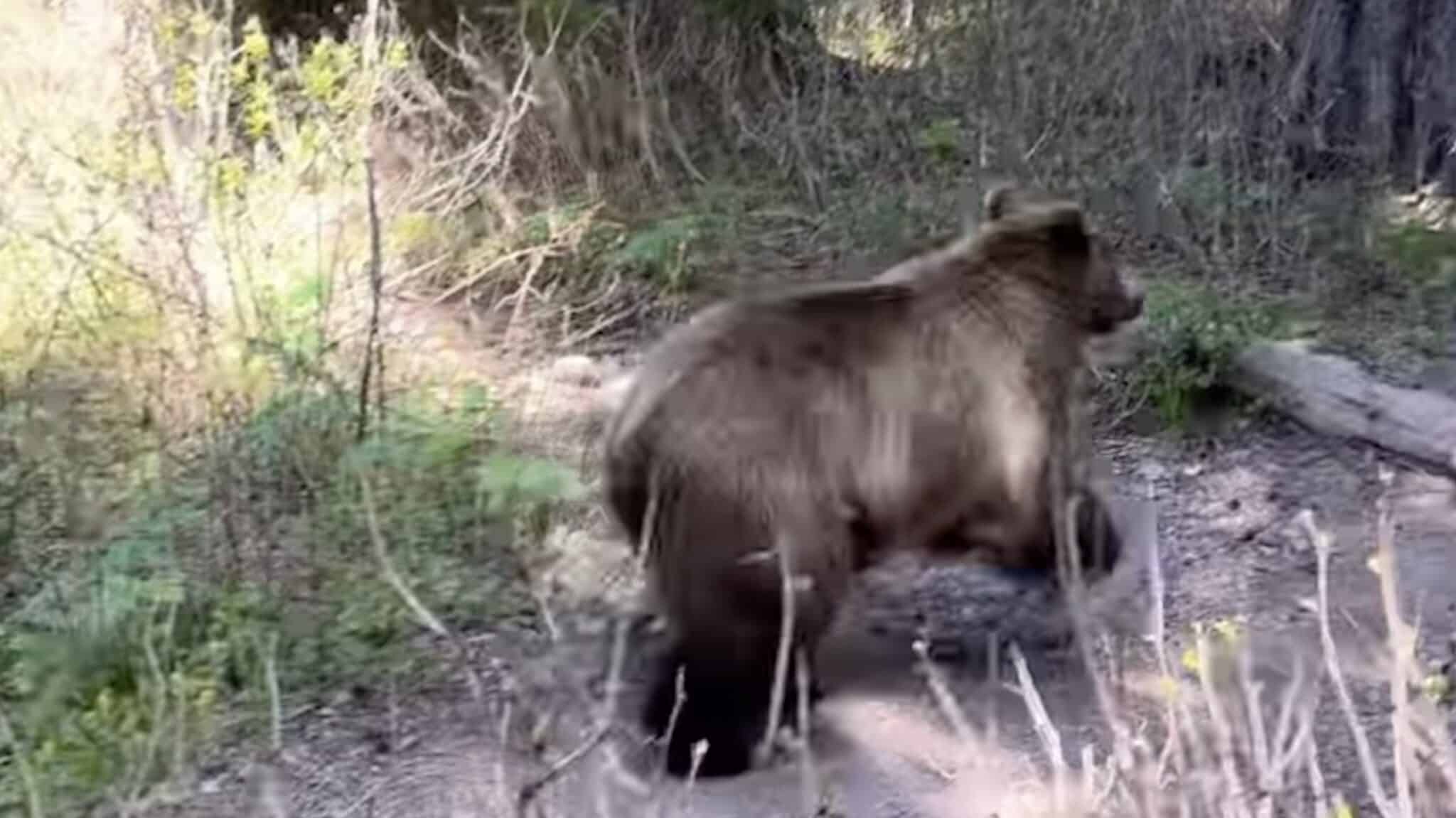
The footage, shared on social media, documents a close encounter between hikers and a grizzly bear family. While the video provides valuable visual aids for understanding bear behavior, it also serves as a stark reminder of the critical mistakes that can escalate a potentially manageable situation into a dangerous one. The incident, which occurred within the park’s expansive wilderness, has prompted park officials to re-emphasize the rules and regulations designed to protect both visitors and wildlife.
Background: Glacier National Park and its Grizzly Population
Glacier National Park, situated in Montana, spans over a million acres of rugged terrain. Its ecosystem supports an impressive range of biodiversity, with over 700 miles of hiking trails offering visitors unparalleled access to its natural wonders. Among the park’s inhabitants are approximately 300 grizzly bears, a species that plays a pivotal role in maintaining the ecological balance of the region. Grizzlies typically emerge from their winter dens in late March or early April, driven by the immediate need to forage and regain the weight lost during hibernation. This period of increased activity coincides with the beginning of the park’s peak visitor season, necessitating heightened awareness and preparedness from all individuals venturing into bear country.
The presence of grizzly bears, while a significant draw for wildlife enthusiasts, also demands a profound respect for their power and unpredictability. Federal regulations, including those enforced by the National Park Service, strictly prohibit approaching wildlife, particularly bears and wolves, within 100 yards (approximately 91 meters). This buffer zone is not arbitrary; it is a scientifically established distance designed to minimize stress on the animals and reduce the likelihood of aggressive defensive behavior. Violations of this regulation can result in citations and fines, reflecting the seriousness with which park authorities treat the safety of both humans and bears.
Chronology of the Encounter and Analysis of Visitor Actions
The video in question captures a sequence of events that offer a critical case study in bear encounter management. According to observations from the video and accompanying information, the primary misstep by the hikers involved was the decision to proceed along a trail after being informed by other visitors that grizzly bears were present in the vicinity. This action directly contravenes the fundamental principle of bear safety: to avoid areas known to be occupied by bears. When faced with the knowledge of bear presence, the recommended course of action is to turn back or choose an alternative route.
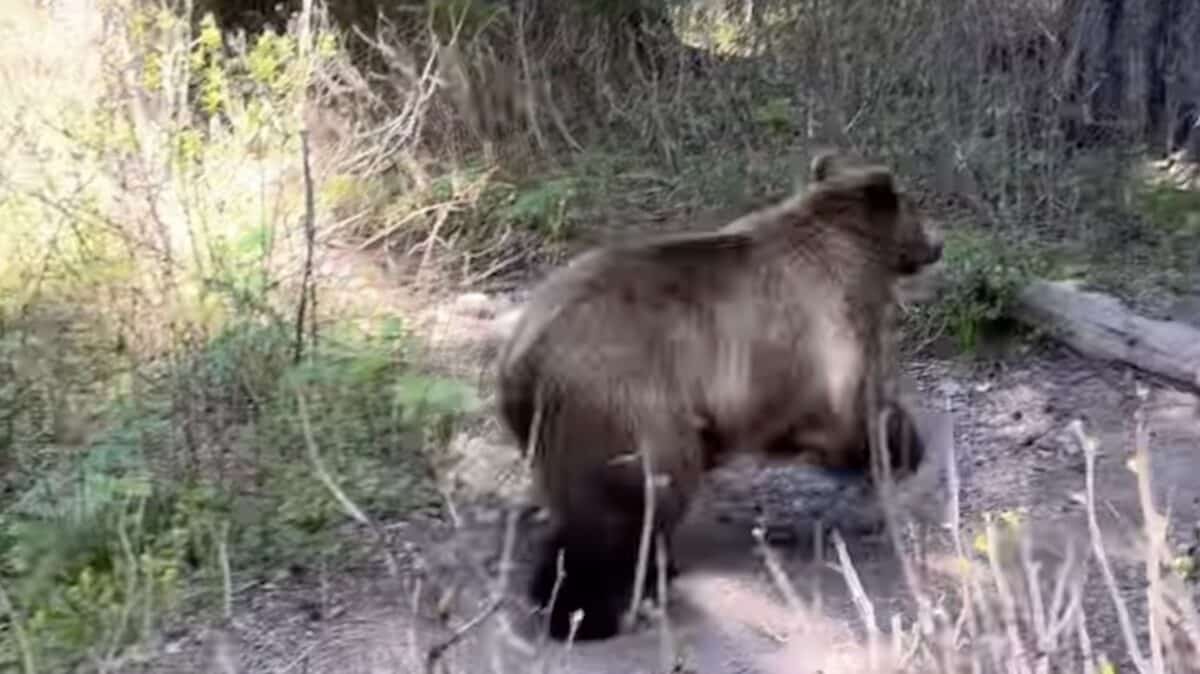
The hikers, identified as Mason Van Zeeland and his companion, continued their trek, ultimately encountering a grizzly bear and its cubs. While the video shows that Van Zeeland maintained a degree of preparedness by keeping bear spray accessible, his partner’s immediate reaction upon the bears’ approach—an urge to run—highlights a common, albeit detrimental, instinct. Park officials consistently advise against running when encountering a bear, as this can trigger a predatory chase response. Instead, the recommended strategy is to remain calm, speak in a low, steady voice, and slowly back away, allowing the bear to retreat without feeling threatened.
The video also demonstrates a critical error in judgment at the conclusion of the bear encounter: the hikers proceeded to approach a moose on the trail. This behavior, similar to approaching bears, poses significant risks. Moose, while often perceived as less dangerous than bears, can also be aggressive, particularly during mating seasons or when protecting their young. Their sheer size and strength make them formidable animals, and maintaining a safe distance is essential for preventing potentially serious injuries.
Expert Guidance and Best Practices for Bear Safety
Park authorities and wildlife biologists have developed comprehensive guidelines for visitors to ensure their safety and the well-being of the park’s wildlife. These recommendations are based on decades of research and practical experience in managing human-bear interactions.
- Carry Bear Spray and Know How to Use It: Bear spray, an aerosolized irritant derived from capsaicin, is considered the most effective deterrent against aggressive bears. It is imperative that visitors carry it on their person, readily accessible, and understand its proper deployment. This includes knowing how to remove the safety clip and aiming at the bear’s face.
- Make Noise While Hiking: Bears generally prefer to avoid human contact. Making noise, such as talking, singing, or clapping, can alert bears to your presence, giving them an opportunity to move away before an encounter occurs. This is particularly important in areas with limited visibility, such as dense brush or around blind corners.
- Hike in Groups: Traveling in groups of three or more can be more effective in deterring bears. Larger groups tend to make more noise and appear more intimidating to wildlife.
- Be Aware of Your Surroundings: Pay close attention to signs of bear activity, such as tracks, scat, or overturned rocks. Avoid hiking at dawn, dusk, or night when bears are most active.
- Never Feed Bears or Any Wildlife: Intentionally or unintentionally feeding bears habituates them to humans and human food sources, leading to increased human-wildlife conflict. This can result in bears becoming aggressive and may ultimately lead to their euthanasia. Secure all food and scented items properly in bear-resistant containers or lockers.
- If You Encounter a Bear:
- Stay Calm: Do not run.
- Identify Yourself as Human: Speak in a calm, low voice. Wave your arms slowly.
- Do Not Make Eye Contact: Bears may perceive direct eye contact as a challenge.
- Back Away Slowly: Move sideways or backward, never turning your back on the bear.
- Give the Bear Space: Ensure you are well outside the 100-yard buffer zone.
- If the Bear Approaches: Stand your ground. If the bear makes contact, play dead. Lie flat on your stomach, protect your neck and head with your hands, and remain still until the bear leaves the area. If the bear is predatory (stalking, persistent), fight back.
Broader Implications and Park Management
Incidents like the one captured in the video, while concerning, also serve as valuable educational opportunities for both park visitors and management. The National Park Service continually refines its visitor education strategies, utilizing social media, interpretive programs, and signage to disseminate critical safety information. The proliferation of personal recording devices means that more encounters are being documented, providing a wealth of data for analysis and public awareness campaigns.
The challenge for park managers lies in balancing the preservation of natural wilderness with the provision of safe recreational opportunities. The presence of large carnivores like grizzly bears is an intrinsic element of Glacier National Park’s wild character, but it also necessitates a proactive and vigilant approach to visitor safety. The park’s commitment to wildlife management includes monitoring bear populations, tracking bear behavior, and implementing strategies to minimize human-bear conflict, such as trail closures when necessary and the removal of habituated animals.
The economic and ecological significance of a healthy grizzly bear population in Glacier National Park cannot be overstated. These bears are vital to the park’s ecosystem, and their continued presence is a testament to successful conservation efforts. However, this ecological health is inextricably linked to responsible human behavior. By understanding and adhering to bear safety protocols, visitors can contribute to the preservation of these magnificent creatures and ensure that Glacier National Park remains a safe and awe-inspiring destination for generations to come. The lessons learned from such encounters, amplified through educational outreach, are essential for fostering a culture of respect and caution in the heart of bear country.

