
The Swedish cross-country skier Oskar Svensson, a seasoned competitor on the elite national team for years, is embarking on a significant career pivot following a disappointing Olympic season. Having been dropped from the Swedish national team after a challenging year marked by an early season injury that jeopardized his participation in the World Cup, Svensson is now setting his sights on the upcoming World Championships in Falun, Sweden. His quest for redemption will be fueled by a partnership with one of Norway’s most talked-about and sought-after coaches, Vetle Leander Johansen, and the Norwegian private team, Team Swenor-Splitkon.
Svensson, 30, brings a decorated history to his new endeavor, including a bronze medal in the sprint at last year’s World Championships held in Trondheim. His consistent presence on the Swedish national team for an extended period underscored his status as a top-tier athlete. However, the 2023-2024 season proved to be a steep learning curve. An injury sustained just before the World Cup season commenced cast a long shadow over his competitive year, ultimately leading to his demotion to the Scandinavian Cup. In May, this difficult season culminated in the loss of his national team spot, a significant blow for any athlete at this stage of their career.
Undeterred, Svensson has proactively charted a new course. His ambition to compete and perform at the highest level in the upcoming World Championships, to be held on home snow in Falun, has driven him to seek a different training environment. This led to his signing with the Norwegian private team, Team Swenor-Splitkon, a move that places him alongside another prominent Swedish World Cup skier, Calle Halfvarsson, who recently joined the same squad. The team’s primary draw for both athletes appears to be the coaching expertise of Vetle Leander Johansen.
When questioned about the reputation of Johansen, often described as a "brutal" coach, Svensson acknowledged the rumors reaching Sweden. He stated, "Haha, yes, the rumors about that have reached all the way to Sweden. But after my last season, I think that’s exactly what I need. It will be exciting to see where the level is at the first training camp in Sjusjøen." This response indicates a willingness to embrace a rigorous training regimen, recognizing that his previous approach may not have yielded the desired results.
Svensson expressed no doubt about the correctness of his decision to seek a change. "I felt early on that if I were to continue until next year, I had to do something completely different," he explained. "When I came into contact with Vetle, I was quickly fascinated by their training program. It feels like my best chance to make it to the World Championships in Falun." This sentiment highlights a strategic shift, prioritizing a program that he believes offers the optimal path to regaining his top form and achieving his competitive goals.
The prospect of achieving redemption on home soil at the Falun World Championships carries immense personal significance for Svensson. "It would mean everything," he asserted. "I grew up in Falun and have trained an infinite number of hours at Lugnet – it would be a dream to get to take revenge on home ground!" This deep-rooted connection to the venue and the emotional weight of performing well in front of his home crowd underscore the personal stakes involved in this new chapter of his career.
The Imminent Challenge and Johansen’s Philosophy
Vetle Leander Johansen, a 24-year-old Norwegian coach, has rapidly become a significant figure in the cross-country skiing world, renowned for his demanding training methodologies and the tangible results they produce. His coaching philosophy, while intense, is underpinned by a data-driven approach focused on optimizing athlete performance. Johansen is convinced that Svensson possesses the resilience and talent to stage a powerful comeback after his recent setbacks.
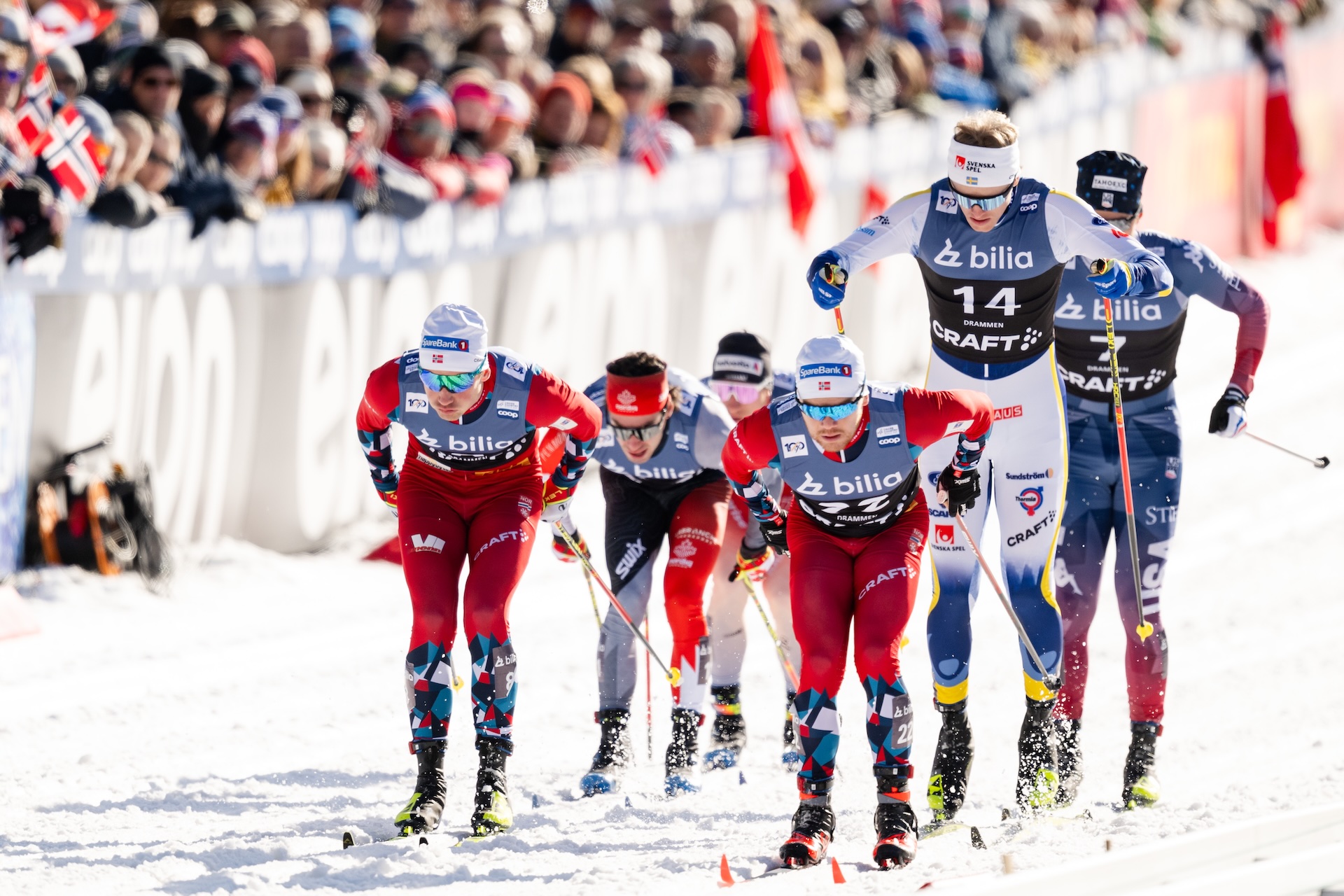
"He can win a medal in Falun," Johansen stated confidently in comments to Langrenn.com. "Sprint events are the primary goal, but I believe he has good potential in distance events as well." This assessment suggests a belief in Svensson’s versatility and a strategic vision that extends beyond his proven sprint capabilities.
To prepare for the upcoming season, which typically commences in November, Svensson will be immersing himself in Norway for an extended period, likely a month or more, training alongside Johansen and the Team Swenor-Splitkon athletes. This intensive period is crucial for implementing Johansen’s program and for Svensson to adapt to the new training regime.
"Oskar must, like Calle (Halfvarsson), achieve continuity in his training with a focus on intensity management," Johansen elaborated. "Regular testing and standardized tests will ensure that we know there is progression in what is being done." This emphasis on structured training, continuous monitoring, and objective measurement is central to Johansen’s coaching strategy. It aims to provide clear feedback on progress and identify areas for further development, ensuring that training efforts are both effective and efficient.
The Rise of a "Buzz" Coach: Vetle Leander Johansen
The influx of high-profile athletes like Oskar Svensson and Calle Halfvarsson to Team Swenor-Splitkon is largely attributable to the growing reputation of its head coach, Vetle Leander Johansen. The 24-year-old Norwegian has cultivated a significant following, not only within Norway but also on the international cross-country skiing circuit, for his demanding and highly effective training programs. His approach has earned him the moniker of a "buzz" coach, with athletes flocking to him in pursuit of peak performance.
Johansen’s coaching philosophy is characterized by a commitment to an intense training schedule, reportedly demanding up to 40 hours per week from his athletes. This rigorous approach has, according to reports, led to a surge in interest, with a growing queue of athletes eager to join his program. Team Swenor-Splitkon has seen substantial growth under his guidance, expanding its roster by over 150 percent this year, from seven to 19 athletes. This expansion reflects the growing confidence in Johansen’s ability to develop and elevate talent.
The team’s expansion and the caliber of athletes joining it underscore a shift in the landscape of professional cross-country skiing. Private teams, supported by sponsorships and driven by innovative coaching, are increasingly becoming viable alternatives to national team structures. This trend offers athletes greater flexibility and access to specialized coaching, potentially fostering a more competitive and dynamic sport.
Svensson’s Career Trajectory: A Look Back
Oskar Svensson’s journey to this pivotal moment has been one of consistent effort and notable achievements. His World Championship bronze medal in the team sprint in Trondheim last year served as a testament to his capabilities on the global stage. For years, he was a fixture on the Swedish national team, a position earned through dedication and performance.
However, the unpredictability of elite sports, particularly in disciplines like cross-country skiing where injuries can be debilitating, presented a significant challenge. The timing of his injury, occurring just as the World Cup season was about to begin, was particularly unfortunate. This disruption likely had a cascading effect on his performance throughout the season and his standing within the national team hierarchy.
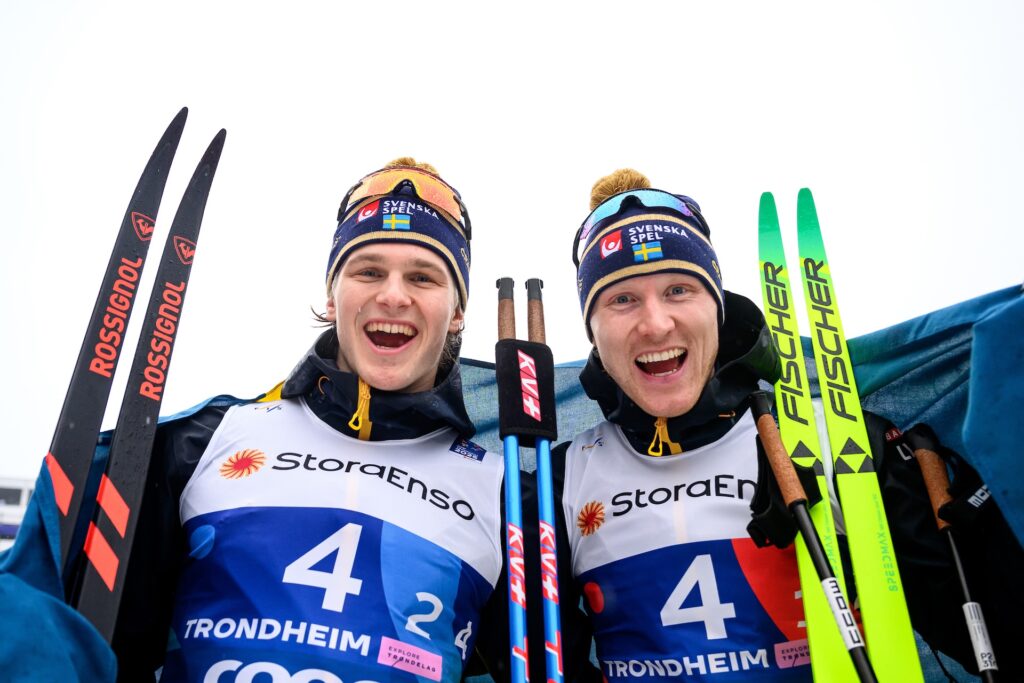
The decision to move from a national team structure to a private team, especially one based in a rival nation, signifies a bold move for Svensson. It suggests a willingness to embrace new methodologies and a deep-seated belief in his own potential to rebound. His collaboration with Calle Halfvarsson, another experienced Swedish skier facing his own career challenges, could foster a supportive environment for mutual growth and development within Team Swenor-Splitkon.
The Falun World Championships: A Stage for Redemption
The 2025 FIS Nordic World Ski Championships in Falun, Sweden, represent a monumental opportunity for Oskar Svensson. Hosting the event in his hometown, where he has countless hours of training etched into the snow, adds an unparalleled layer of personal significance. The narrative of a local hero overcoming adversity to achieve success on home soil is a compelling one, and Svensson appears poised to write his own chapter.
Falun, a renowned cross-country skiing venue, has a rich history of hosting major international competitions, including previous World Championships and Olympic events. The terrain and conditions at Lugnet, the primary venue, are familiar to Svensson, providing a potential advantage. His intimate knowledge of the tracks, combined with the motivational boost of home crowd support, could prove to be a powerful combination.
The sprint discipline, where Svensson has achieved his greatest international success, is often characterized by explosive power, tactical acumen, and the ability to perform under immense pressure. The transition to potentially also competing in distance events, as suggested by Johansen, indicates a broadening of his competitive ambitions and a belief in his capacity to adapt and excel across different formats.
Broader Implications for Cross-Country Skiing
The strategic alignment of Oskar Svensson with Vetle Leander Johansen and Team Swenor-Splitkon carries broader implications for the sport of cross-country skiing. It highlights the increasing influence of well-funded and expertly coached private teams. These teams can offer athletes a tailored approach that may differ from the broader objectives of national federations, allowing for greater specialization and potentially faster athlete development.
The trend of athletes seeking out specific coaches, rather than solely relying on national team structures, suggests a growing recognition of the impact that individualized coaching can have on performance. Johansen’s success is a testament to the power of innovative training methodologies and a dedicated coaching approach. His ability to attract top talent from various nations indicates that his methods are perceived as a pathway to significant improvement.
Furthermore, the presence of multiple prominent Swedish athletes within a Norwegian-based private team raises interesting questions about national allegiances and the evolving nature of international competition. While national pride remains a significant factor, the pursuit of optimal training and performance opportunities can transcend national boundaries.
As the 2025 World Championships approach, all eyes will be on Oskar Svensson and his new partnership. His journey from national team disappointment to a bid for redemption with one of the sport’s most talked-about coaches represents a compelling storyline in the lead-up to the prestigious event in Falun. The success of this venture could serve as a blueprint for other athletes seeking to revitalize their careers and further underscore the dynamic and competitive nature of modern cross-country skiing. The combination of Svensson’s experience, his personal connection to the Falun venue, and Johansen’s rigorous training philosophy sets the stage for what could be a remarkable comeback story on the world stage.

