
The landscape of professional action sports underwent a fundamental transformation at Cosm Los Angeles, where the inaugural 2026 MoonPay X Games League (XGL) Draft established a new team-based paradigm for skateboarding and BMX. The event, which hosted over 500 industry stakeholders, fans, and high-profile athletes, served as the formal launch of a year-round competitive structure designed to modernize the X Games brand. By transitioning from a series of standalone individual competitions to a structured league format, the X Games aims to foster long-term fan engagement and regional rivalries similar to those found in traditional major league sports.
The selection process was a high-stakes affair, broadcast globally to an audience watching via the ESPN App, the Roku Sports Channel, YouTube, Kick, and the X Games TV FAST Channel on Amazon. The draft not only represented a change in how athletes compete but also signaled a significant shift in the commercial and technological integration of action sports, featuring first-of-its-kind digital asset compensation and immersive viewing technologies.
Strategic Selections and the First Round Order
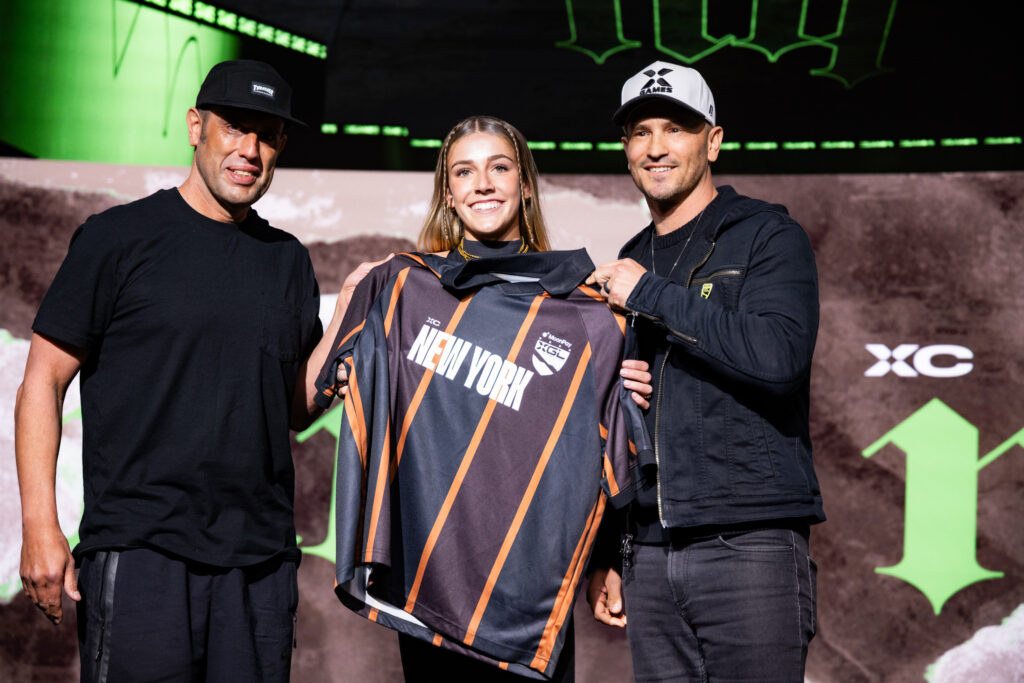
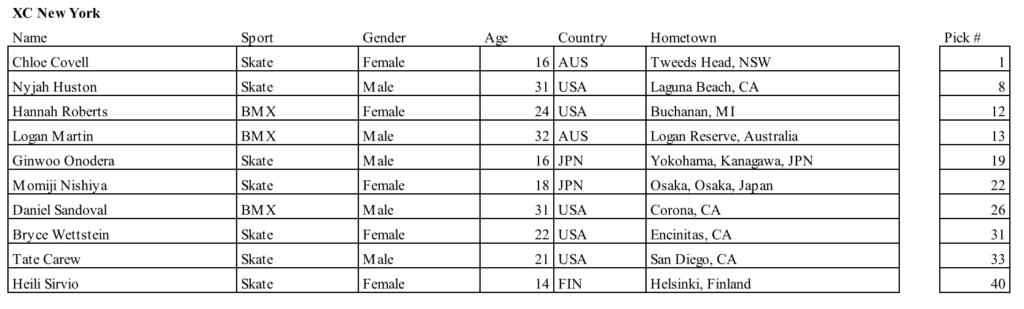
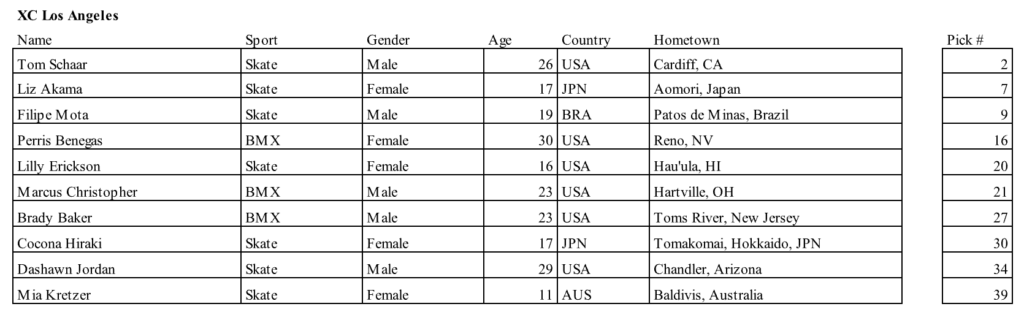
The drafting of sixteen-year-old Australian skateboarding sensation Chloe Covell as the number one overall pick by XC New York General Manager Steve Rodriguez underscored the league’s focus on the next generation of talent. Covell, who has already established herself as a dominant force in street skateboarding, represents the youthful energy the league intends to capitalize on. Following the landmark selection, XC Los Angeles General Manager Sharalee “Haze” Hazen utilized the second pick to secure Tom Schaar. A 17-time X Games medalist and a Southern California native, Schaar brings a veteran presence and local appeal to the Los Angeles franchise.
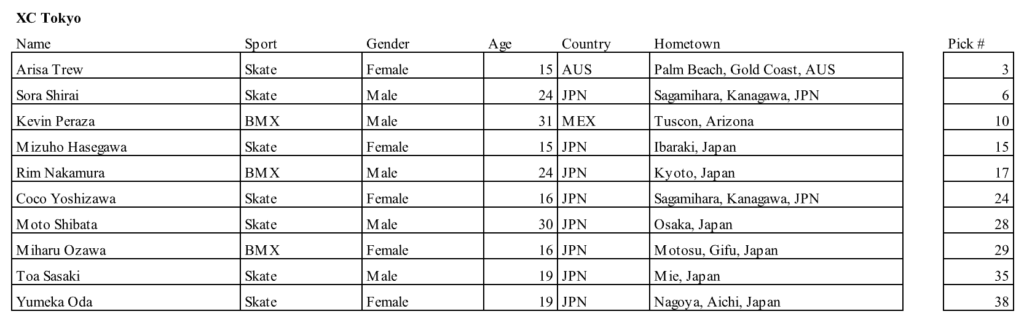
The third pick saw XC Tokyo General Manager Harumi Suzuki select Arisa Trew, the record-setting eight-time X Games gold medalist from Australia. Trew’s inclusion in the Tokyo roster highlights the league’s international reach and the high caliber of female athletes participating in the inaugural season. Rounding out the foundational first-round picks, XC São Paulo General Manager and legendary skater Bob Burnquist selected Brazilian phenom Gui Khury. At just 15 years old, Khury is already the most medaled teenager in X Games history, making him a cornerstone for the Brazilian franchise.
The draft successfully filled the rosters of the four inaugural clubs: XC New York, XC Los Angeles, XC Tokyo, and XC São Paulo. Each club is composed of ten athletes, maintaining a strict gender balance of five men and five women. This 50/50 split is a deliberate move by league organizers to ensure equal representation and visibility across all disciplines of skateboarding and BMX.
Chronology of the Historic Evening
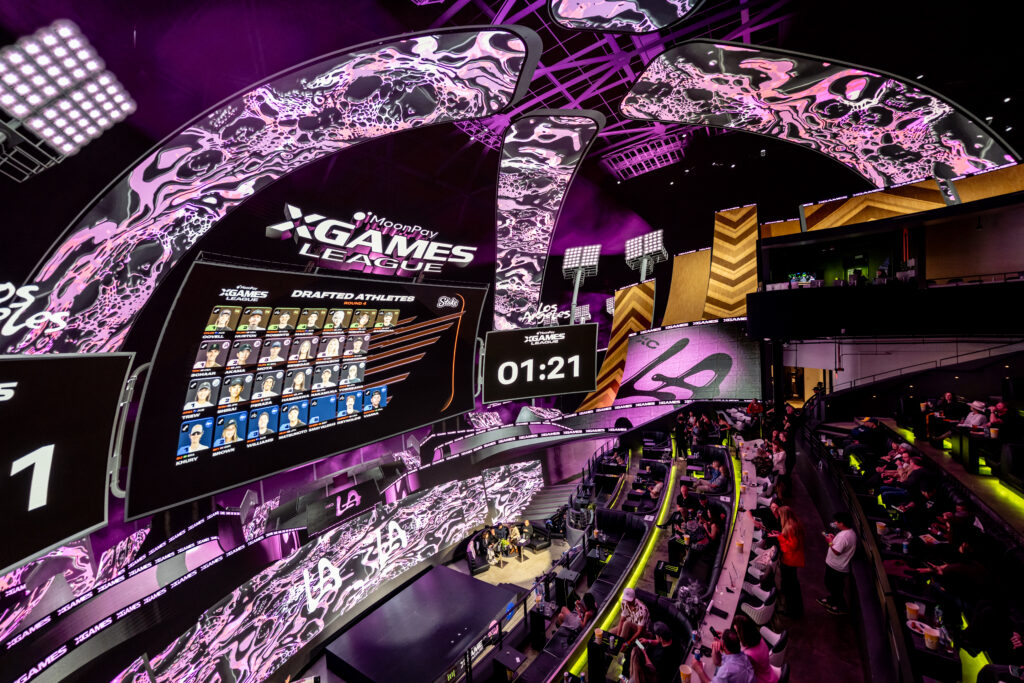
The evening commenced at Cosm Los Angeles, a venue renowned for its "Shared Reality" technology, which utilizes a massive 12K+ LED dome to create an immersive environment. The atmosphere was a blend of high-tech production and the raw energy of action sports culture. As guests arrived, the venue’s cinematic capabilities were leveraged to display archival X Games footage, setting the stage for the transition from the brand’s historic past to its future league format.
The formal draft proceedings began with the General Managers taking their positions on the main stage. The tension peaked during the first round as the "Big Four" prospects were announced. Following the conclusion of the fifth round, which finalized the 40-athlete roster from a pool of over 180 eligible participants, the focus shifted to the economic innovations of the league. League partner Exodus facilitated the delivery of crypto signing bonuses directly to the athletes’ self-custody wallets on stage, a move that integrated financial technology directly into the sports narrative.
The event concluded with a celebratory gathering on the rooftop of Cosm, overlooking Hollywood Park. The evening was capped by a performance from Grammy-winning producer BNYX, bridging the gap between sports and contemporary music culture. This multifaceted approach to the event highlights the league’s intention to position itself at the intersection of sports, technology, and lifestyle entertainment.
Roster Composition and Athlete Demographics
The selection process was rigorous, with the four General Managers evaluating a pool of 180 athletes who had opted into the draft. The final 40 athletes selected represent a diverse cross-section of the global action sports community:
- Geographic Diversity: Athletes from eight different countries were selected, ensuring the league maintains its status as a global platform.
- Age Range: The rosters feature a generational span from 11 to 35 years old, showcasing both emerging prodigies and established icons like Nyjah Huston and Kevin Peraza.
- Discipline Integration: The draft effectively balanced street and park disciplines in skateboarding with various BMX specialties, ensuring each club is equipped for a wide range of competitive scenarios.
The inclusion of high-profile stars such as Hannah Roberts and Nyjah Huston alongside teenagers like Covell and Khury suggests a strategic effort to maintain the sport’s core credibility while building a sustainable future. The team format requires these individualistic athletes to collaborate, a shift that will likely alter training regimens and competitive strategies heading into the summer season.
Technological Integration and Financial Innovation
A defining characteristic of the MoonPay X Games League is its heavy integration with modern financial technologies. Title partner MoonPay and founding partner Monster Energy have been joined by a suite of sponsors including Stake, Exodus, 805 Beer, High Noon, and Kraken Rum. The partnership with Exodus is particularly noteworthy for the introduction of crypto signing bonuses.
By utilizing self-custody crypto wallets for athlete compensation, the XGL is positioning itself as a pioneer in the "Web3" sports space. This move is designed to appeal to a younger, tech-savvy demographic that aligns with the traditional X Games audience. It also provides athletes with a modern financial infrastructure, potentially offering more flexibility in how they manage their earnings and endorsements in a global market.
Jeremy Bloom, a key figure in the league’s development, emphasized that these innovations are part of a broader strategy to ensure the X Games remains relevant in a rapidly changing media landscape. The goal is to move away from being a "twice-a-year" event and toward becoming a constant presence in the sports news cycle.
Official Reactions and Industry Perspectives
The reaction from the athletes and leadership reflected a mix of relief and intense anticipation. Chloe Covell, speaking immediately after being named the historic first pick, expressed a sense of overwhelmed gratitude. "I’m at a loss for words," Covell stated. "I was really nervous, but I’m super grateful. It definitely shows all the hard work I put in. I’m looking forward to having fun with my team and doing my best."
Jeremy Bloom provided the broader organizational context, framing the night as a "defining moment" for the industry. He noted that for three decades, the X Games had focused on iconic individual performances, but the time had come to build rivalries and year-round narratives. "Tonight, we’ve taken the next step—creating teams, building rivalries, and launching a league that will connect fans with these athletes year-round," Bloom remarked.
General Managers also expressed the strategic difficulty of the draft. Steve Rodriguez of XC New York noted that the selection of Covell was based not just on current skill but on the long-term potential of the franchise. The consensus among the GMs was that the team format would introduce a new layer of psychological complexity to the competitions, as athletes are now responsible for the collective success of their club rather than just their own medal count.
Analysis of Broader Implications for Action Sports
The launch of the XGL represents one of the most significant structural changes in action sports since the inception of the X Games in 1995. Several key implications emerge from this shift:
- Narrative Continuity: Traditionally, action sports have struggled with "off-season" invisibility. A league format provides a consistent schedule, allowing for the development of season-long storylines, injury reports, and trade rumors—elements that drive engagement in the NFL or NBA.
- Regional Loyalty: By anchoring teams to cities like Tokyo, Los Angeles, New York, and São Paulo, the league is attempting to tap into regional pride. This could lead to a more stable fan base that supports a "team" regardless of whether their favorite individual athlete is competing.
- Commercial Stability: A league structure is generally more attractive to long-term broadcasters and sponsors. Predictable schedules and guaranteed appearances by top stars provide a safer investment for corporate partners.
- Athlete Welfare: The team-based model, supported by crypto signing bonuses and structured league contracts, could provide a more stable income for athletes who previously relied almost entirely on contest winnings and individual sponsorships.
The 2026 Summer Season Roadmap
The inaugural MoonPay X Games League Summer Season is scheduled to be a condensed, high-intensity circuit. The competition begins on June 26 in Sacramento, California, which will serve as the first official test of the team-based scoring system. From there, the league moves internationally to X Games Japan on July 4–5, providing the XC Tokyo club with a home-field advantage.
The season will culminate in a massive championship event from July 24–26 inside the Caesars Superdome in New Orleans. This venue choice is significant, as it moves action sports into one of the most iconic "traditional" sports stadiums in the United States. The team that accumulates the highest cumulative score across these three major stops will be crowned the first-ever MoonPay X Games League champion.
As the athletes prepare for the June opener, the industry will be watching closely to see how the individualistic spirit of skateboarding and BMX adapts to the rigors of a professional league. The success of the draft at Cosm Los Angeles suggests that the appetite for this evolution is high, setting the stage for a landmark year in the history of the X Games.

