
The International Olympic Committee (IOC) has provisionally lifted its suspension of the Russian Olympic Committee (ROC), a significant development that could pave the way for Russia’s broader return to Olympic competition. This decision, announced on July 7, marks a crucial juncture in the complex relationship between global sports governance and Russia, which has been mired in controversies ranging from state-sponsored doping to geopolitical conflicts. While the immediate implications are substantial, many questions regarding the full reintegration of Russian athletes, including the use of national symbols, remain unanswered, setting the stage for ongoing discussions and potential contention within the international sporting community.
The Context of the Provisional Lifting
The IOC’s decision to provisionally reinstate the ROC stems directly from the latter’s compliance with a key condition set forth by the global Olympic body. The suspension, originally imposed in October 2023, was a direct consequence of the ROC’s decision to incorporate regional sports organizations from territories under the jurisdiction of Ukraine’s National Olympic Committee. These territories – specifically Donetsk, Luhansk, Kherson, and Zaporizhzhia – were illegally annexed by Russia in the wake of its full-scale invasion of Ukraine in February 2022. The IOC viewed the ROC’s actions as a violation of the Olympic Charter, which mandates respect for the territorial integrity of National Olympic Committees (NOCs) and prohibits any political interference in their operations.
In its statement released on July 7, the IOC confirmed that the Russian Olympic Committee has now formally ceased to include these regional sports organizations within its structure. Furthermore, the ROC has provided assurances that it will not conduct any sporting activities in these disputed territories, thereby addressing the specific breach that led to its suspension. This reversal by the ROC allowed the IOC Executive Board to provisionally lift the ban, acknowledging the technical fulfillment of the stipulated conditions. However, it is crucial to understand that this lifting does not automatically translate into a full, unconditional return for Russian athletes or guarantee their participation under their national flag at upcoming Olympic Games. The path forward remains nuanced and subject to further review and decisions by both the IOC and individual international sports federations.
Rationale Behind the IOC’s Decision
The IOC’s rationale for provisionally lifting the suspension is multifaceted, reflecting a delicate balance between upholding the Olympic Charter, responding to geopolitical realities, and adhering to its stated principle of non-discrimination against individual athletes. A primary driver for this decision, as articulated by IOC President Kirsty Coventry in a short video statement, is the desire to "ensure all athletes have the possibility to compete at the Olympic Games and not be held responsible for their governments’ actions." This long-standing stance of the IOC seeks to separate individual athletes from the political actions of their national governments, particularly when those athletes have not personally violated anti-doping rules or demonstrated active support for conflict.
The formal withdrawal of the regional sports organizations from the ROC’s structure provided the necessary procedural justification for the IOC to act. By addressing the specific violation of the Olympic Charter related to the territorial integrity of Ukraine’s NOC, the ROC removed the immediate institutional barrier that had led to its suspension. This move aligns with the IOC’s broader strategy of maintaining dialogue and pathways for athletes, even amidst severe geopolitical tensions. The decision also signals a potential shift in the IOC’s approach to monitoring Russian athletes. While the organization previously engaged in systematic monitoring for expressions of active support for the war, Coventry indicated that this systematic oversight would cease, though the IOC would "monitor any issues that come up" on a case-by-case basis. This adjustment suggests a move towards a more reactive, rather than proactive, monitoring framework, potentially easing some of the pressures on Russian athletes.
Statements from IOC Leadership
IOC President Kirsty Coventry, speaking on behalf of the Executive Board, elaborated on the nuances of the decision and the IOC’s ongoing principles. Beyond reiterating the commitment to individual athlete participation, Coventry clarified several critical aspects of the provisional lifting. She emphasized that while the institutional suspension of the ROC is lifted, the review of protocols governing Russia’s anthem and flag at future Olympic Games would occur "at a later date." This indicates that the current decision does not restore full national representation rights to Russia, preserving the neutral status that has characterized Russian participation in recent Olympic cycles.
Furthermore, Coventry underscored that the IOC would continue to maintain its policy of not holding any IOC events in Russia. This ban on hosting major international sporting events within Russia remains a significant sanction, reflecting the ongoing geopolitical climate. In parallel, the IOC will continue to prohibit the invitation of Russian government or state officials to its events, reinforcing the message that while individual athletes may find a path back, the Russian state apparatus remains isolated from the highest echelons of international sports governance. These stipulations highlight the IOC’s attempt to draw a clear line between the ROC as an administrative body and the Russian state, attempting to sanction the latter without completely ostracizing the former or its athletes. Coventry’s statements project an image of measured re-engagement, carefully calibrated to acknowledge the ROC’s compliance while maintaining a firm stance against the Russian government’s actions.
A Decade of Sanctions: A Detailed Timeline
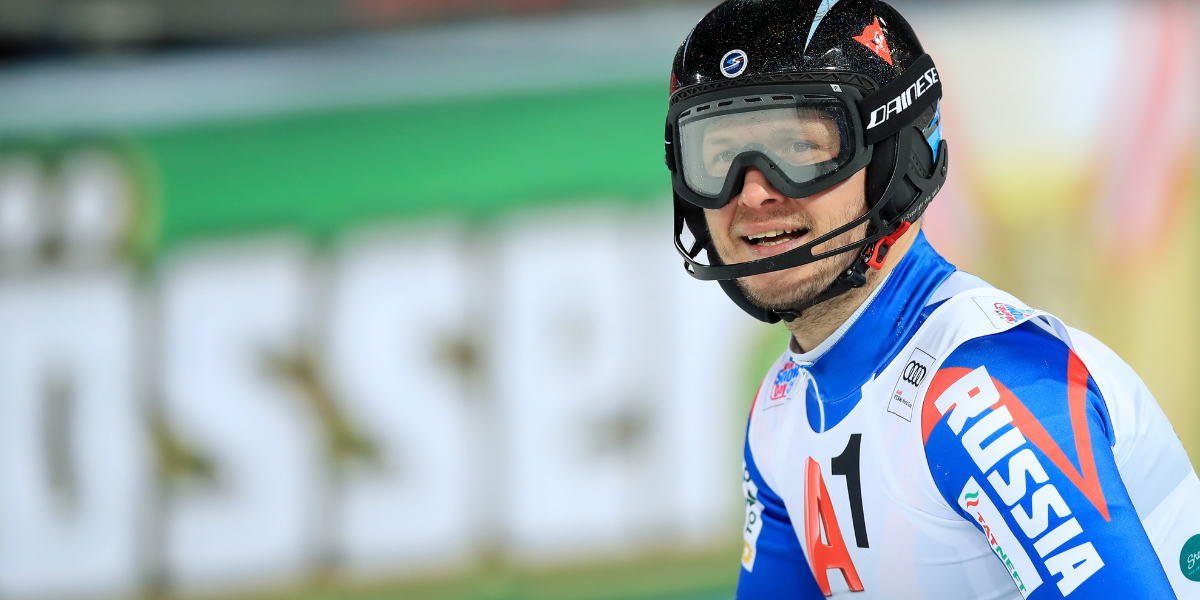
The journey to this provisional lifting has been long and fraught with controversy, tracing back over a decade of escalating tensions and sanctions against Russian sports.
The Sochi Doping Scandal (2014-2017): The initial wave of restrictions on Russian athletes originated from revelations of a state-backed doping program surrounding the 2014 Sochi Winter Games. An independent investigation led by Richard McLaren for the World Anti-Doping Agency (WADA) in 2016 uncovered a sophisticated system of doping, sample swapping, and cover-ups involving hundreds of athletes across numerous sports. This systemic cheating, which involved the Russian Anti-Doping Agency (RUSADA) and even elements of the Russian security services, led to unprecedented sanctions. The IOC acknowledged a profound lack of confidence in RUSADA, effectively declaring it non-compliant with the World Anti-Doping Code. Numerous Russian athletes were retroactively disqualified from Sochi 2014, and Russia lost a significant portion of its medal haul from those games.
Neutral Status: OAR and ROC (2018-2022): In response to the doping scandal, the IOC imposed penalties that, while severe, stopped short of a blanket ban on all Russian athletes. For the 2018 Pyeongchang Winter Games, eligible Russian athletes were allowed to compete under a neutral flag and the designation "Olympic Athletes from Russia" (OAR). They wore neutral uniforms, and the Russian national anthem was prohibited. This marked the first time a major sporting nation had been forced to compete without national symbols due to a doping scandal. The sanctions were further extended and modified for subsequent Games. At the Tokyo Games (held in 2021 due to the pandemic) and the 2022 Beijing Winter Games, Russian athletes competed under the "ROC" designation, using an emblem of the Russian Olympic Committee instead of the national flag. The Russian national anthem remained banned, replaced by Pyotr Tchaikovsky’s Piano Concerto No. 1 during medal ceremonies. This evolving "neutral" status aimed to penalize the state while allowing individual, vetted athletes to participate.
The Ukraine Invasion and Broad Bans (2022): The situation dramatically escalated following Russia’s full-scale invasion of Ukraine in February 2022. The geopolitical landscape shifted drastically, leading to widespread condemnation and a new wave of sanctions across various sectors, including sports. The IOC, along with most international federations (IFs), issued strong recommendations to exclude Russian and Belarusian athletes and officials from international competitions. This led to a near-total ban on their participation in major events, including many FIS (International Ski and Snowboard Federation) competitions. Unlike the doping-related sanctions, which focused on state-sponsored cheating, these bans were a direct response to the military aggression and its profound violation of the Olympic Truce and international law.
The ROC’s Suspension Over Ukrainian Territories (October 2023): Against this backdrop, the Russian Olympic Committee took a step in October 2023 that triggered a direct institutional suspension from the IOC. The ROC formally incorporated regional sports organizations from the illegally annexed Ukrainian territories of Donetsk, Luhansk, Kherson, and Zaporizhzhia into its structure. This act was a direct challenge to the territorial integrity of Ukraine’s National Olympic Committee and a clear breach of the Olympic Charter, which stipulates that NOCs must operate within their recognized national boundaries. This specific action led to the IOC’s immediate suspension of the ROC, a separate and distinct sanction from the ongoing restrictions on individual athletes related to the invasion. It is this specific suspension that was provisionally lifted on July 7, 2024.
The Return of Individual Neutral Athletes (AINs) (2025-26 season): Despite the ROC’s suspension, discussions continued regarding the participation of individual Russian and Belarusian athletes who did not actively support the war and had no military affiliations. A significant development occurred during the 2025-26 season when Russian and Belarusian athletes returned to some FIS competitions as "Individual Neutral Athletes," or AINs. This return followed a December ruling by the Court of Arbitration for Sport (CAS), which essentially required FIS and other federations to establish pathways for eligible Russian and Belarusian athletes to compete under neutral status. The eligibility criteria for AINs were stringent, prohibiting national symbols and excluding athletes with certain military connections or those who had actively supported the war in Ukraine. The CAS later clarified that eligible Russian athletes could compete as AINs at all FIS events, not only Olympic qualification competitions. This enabled them to have an opportunity to qualify for the Milano Cortina 2026 Olympic Winter Games, despite the broader sanctions against their national committees.
The Paralympic Precedent: A Divergent Path
In a notable departure from the IOC’s approach, the International Paralympic Committee (IPC) adopted a different strategy leading up to the Milano Cortina 2026 Paralympic Winter Games. The IPC, recognizing the distinct circumstances and principles governing Paralympic sports, allowed Russian athletes to compete under their country’s flag for the first time at a Winter Paralympics since Sochi 2014. This decision represented a significant shift, as it restored national representation rights to Russian Paralympians that had been denied to Olympic athletes.
At the Milano Cortina 2026 Paralympic Winter Games, Russian athletes not only competed under their national flag but also saw the Russian national anthem played following their victories. This marked a profound symbolic departure from the restrictions imposed during recent Olympic competitions, where neutral anthems or Tchaikovsky’s music replaced the Russian anthem. The results were also significant: Russia won eight gold medals and a total of 12 medals, finishing third in the overall medal table. In Para alpine skiing, a sport with considerable historical strength for Russia, the team earned three gold medals, one silver, and three bronze medals across seven medal events. The IPC’s decision and its outcomes highlight a complex ethical debate within international sports: how to balance the principle of non-discrimination for individual athletes with the condemnation of state actions, and whether the Paralympic movement can forge a path independent of the broader Olympic body’s geopolitical considerations. This precedent from the IPC will undoubtedly factor into future discussions within the IOC regarding full reinstatement.
Pathways to Future Olympic Competition
The provisional lifting of the ROC’s suspension creates a clearer, though still conditional, pathway for Russia to move closer to competing under its national Olympic committee at future Games. The 2028 Los Angeles Summer Games and the French Alps 2030 Olympic Winter Games are now within potential reach for Russian athletes to compete under the ROC designation, assuming continued compliance and further positive developments.
However, several critical hurdles remain. Anti-doping concerns, which were the genesis of Russia’s initial sanctions, continue to be a significant issue. The IOC has stated that if the Russian Anti-Doping Agency (RUSADA) remains non-compliant with the World Anti-Doping Code before the 2028 Games, Russian athletes would need to undergo independent testing protocols. This requirement underscores the IOC’s continued vigilance regarding Russia’s anti-doping infrastructure and a lingering distrust stemming from past scandals. The exact modalities of such independent testing, including who would oversee it and its cost, would need to be meticulously worked out. Furthermore, while the IOC has lifted the institutional suspension, it has not yet confirmed how it will handle Russia’s flag, anthem, or broader national identity at either the 2028 or 2030 Games. This crucial decision on national symbols will likely be a bellwether for the extent of Russia’s full reintegration and will be subject to intense debate. Finally, individual international federations retain significant autonomy. They will continue to control qualification criteria and eligibility within their respective sports, meaning that even with the ROC’s provisional reinstatement, each federation could still impose its own restrictions or requirements for Russian athletes’ participation.
Persistent Challenges: Flag, Anthem, and Anti-Doping
Despite the latest development, the road to full normalization for Russian sports is fraught with persistent challenges. The question of the Russian flag and national anthem remains perhaps the most symbolically charged and politically sensitive unresolved issue. For over a decade, Russian athletes have competed under neutral banners, with their national anthem replaced by other musical pieces. Reinstating these national symbols would signify a near-complete return to normalcy, a step that many nations, particularly Ukraine and its allies, would view as premature and an implicit condonation of Russian aggression. The IOC’s decision to defer this review indicates its awareness of the highly contentious nature of this issue and its desire to proceed cautiously.
Anti-doping remains another critical and ongoing concern. While RUSADA has made efforts to regain compliance, the shadow of the 2014 scandal and the subsequent revelations of systemic manipulation still looms large. The requirement for independent testing if RUSADA is non-compliant highlights the IOC’s lack of absolute trust in Russia’s current anti-doping framework. This issue is not merely technical; it speaks to the fundamental integrity of sports and the level playing field for all athletes. Any perceived leniency on anti-doping standards for Russia could undermine the credibility of the IOC and WADA. Moreover, the independent authority of each international federation adds another layer of complexity. While the IOC governs the Olympic Games, each IF manages its own sport’s qualification and eligibility rules for other competitions. This decentralized authority means that even if the IOC fully reinstates the ROC, individual federations could still choose to maintain stricter policies regarding Russian athletes, creating a patchwork of different rules across various sports.
Reactions and Broader Implications
The provisional lifting of the ROC’s suspension is expected to elicit a diverse range of reactions from various stakeholders globally. From Ukraine, a strong condemnation is highly probable. Ukrainian sports officials and government representatives are likely to view this decision as premature and a moral capitulation, especially given the ongoing conflict and the illegal occupation of Ukrainian territories. They might argue that the technical fulfillment of removing annexed sports organizations does not address the broader implications of Russia’s aggression and the continued suffering in Ukraine.
Conversely, Russian sports officials and government representatives are likely to welcome the decision as a positive step, though they will undoubtedly push for the full reinstatement of national symbols and an end to all remaining restrictions. They may frame it as a victory for fairness and the principle of separating sports from politics, while continuing to advocate for the immediate lifting of all remaining sanctions.
For anti-doping agencies like WADA, the focus will remain on RUSADA’s compliance and the integrity of testing protocols. WADA might issue a statement emphasizing the need for continued vigilance and robust independent oversight. International federations will face renewed pressure to clarify their stances on Russian and Belarusian participation, balancing the IOC’s decision with their own federations’ autonomy and the sentiments of their member nations. Athlete groups globally will also react, with some supporting the principle of individual athlete participation, while others might express concerns about fairness and the impact on athlete solidarity with Ukraine.
The broader geopolitical implications are significant. The IOC’s decision can be interpreted as an attempt to de-escalate tensions in the sporting arena and potentially open a limited channel for engagement, even as diplomatic relations remain strained. It reflects the immense pressure on the IOC to navigate complex political landscapes while upholding its mandate to organize the Olympic Games. This move could also set a precedent for how other international bodies handle similar issues involving state actors engaged in conflict.
Looking Ahead: Unresolved Questions
The July 7 announcement represents the clearest indication yet that Russian athletes could move closer to competing under the ROC at future Olympic Games, potentially even under their national flag, though that remains a major "if." However, it is far from a complete resolution. The IOC’s decision removes a major institutional barrier for the Russian Olympic Committee, but it does not resolve every question surrounding Russia’s return. The critical issues of the Russian flag and anthem are still pending review, a decision that will carry immense symbolic weight and likely generate further controversy. Anti-doping concerns persist, with the requirement for independent testing underscoring ongoing vigilance. Moreover, the autonomy of each international federation means that a unified approach across all sports is not guaranteed, potentially leading to varied participation statuses for Russian athletes depending on their discipline.
The path ahead for Russia’s full reintegration into the Olympic movement will undoubtedly be incremental, highly scrutinized, and subject to the evolving geopolitical climate. The IOC’s provisional lifting of the ROC’s suspension is a significant procedural step, but the true measure of Russia’s return will be seen in the coming months and years as these unresolved questions are addressed, one by one, against the backdrop of global political realities and the enduring ideals of the Olympic movement.

