
The indefinite suspension of summer skiing on Whistler Blackcomb’s Horstman Glacier marks a definitive turning point for the North American outdoor industry, signaling the end of an era for a location that once served as the premier training ground for global freestyle skiing. For Mike Douglas, a professional skier often referred to as the "Godfather of Freeskiing," the disappearance of the glacier is not merely a scientific statistic but a lived experience that spans three decades. When Douglas began his career at Whistler Blackcomb in the 1990s, the Horstman Glacier was a year-round fixture, providing a consistent proving ground for athletes to hone their skills during the warmer months. Today, that ice has receded to the point of operational impossibility, forcing the resort to halt summer operations and prompting a broader industry reflection on the sustainability of winter sports in a warming world.
The closure of the Horstman Glacier is symptomatic of a larger trend affecting the Coast Mountains of British Columbia. According to glaciological studies, glaciers in Western Canada are losing mass at an accelerating rate, with some projections suggesting that up to 70 percent of glacier ice in British Columbia and Alberta could disappear by the end of the century. This environmental shift has moved from the periphery of corporate concern to the center of strategic planning for major outdoor brands. Salomon, a leading manufacturer of ski and outdoor equipment, has responded by integrating climate advocacy and responsible manufacturing into its core business model, recognizing that the future of the sport is inextricably linked to the health of the alpine environment.
The Evolution of the Horstman Glacier and the Freeskiing Movement
The 1990s represented a golden age for the Horstman Glacier. It was the epicenter of the "New School" skiing movement, where athletes like Douglas and his contemporaries experimented with twin-tip skis and aerial maneuvers that would eventually redefine the sport. At the time, the glacier provided a reliable platform for summer camps and professional training. The presence of permanent T-bars and groomed lanes allowed for a level of accessibility that catalyzed the growth of freestyle skiing. However, the physical reality of the mountain began to change rapidly after the turn of the millennium.
A chronological review of the glacier’s decline reveals a steady retreat. By the mid-2010s, the ice had thinned significantly, making the maintenance of the T-bar lift increasingly difficult. In 2020, the Horstman T-bar was permanently removed because the glacier had receded so far that the lift towers could no longer be safely anchored in the moving ice. The final blow came in late 2023, when Whistler Blackcomb, operated by Vail Resorts, announced that summer skiing would be suspended indefinitely. The decision was based on a combination of declining snowpack, increased melting rates, and the logistical challenges of preserving a skiable surface through the summer months.
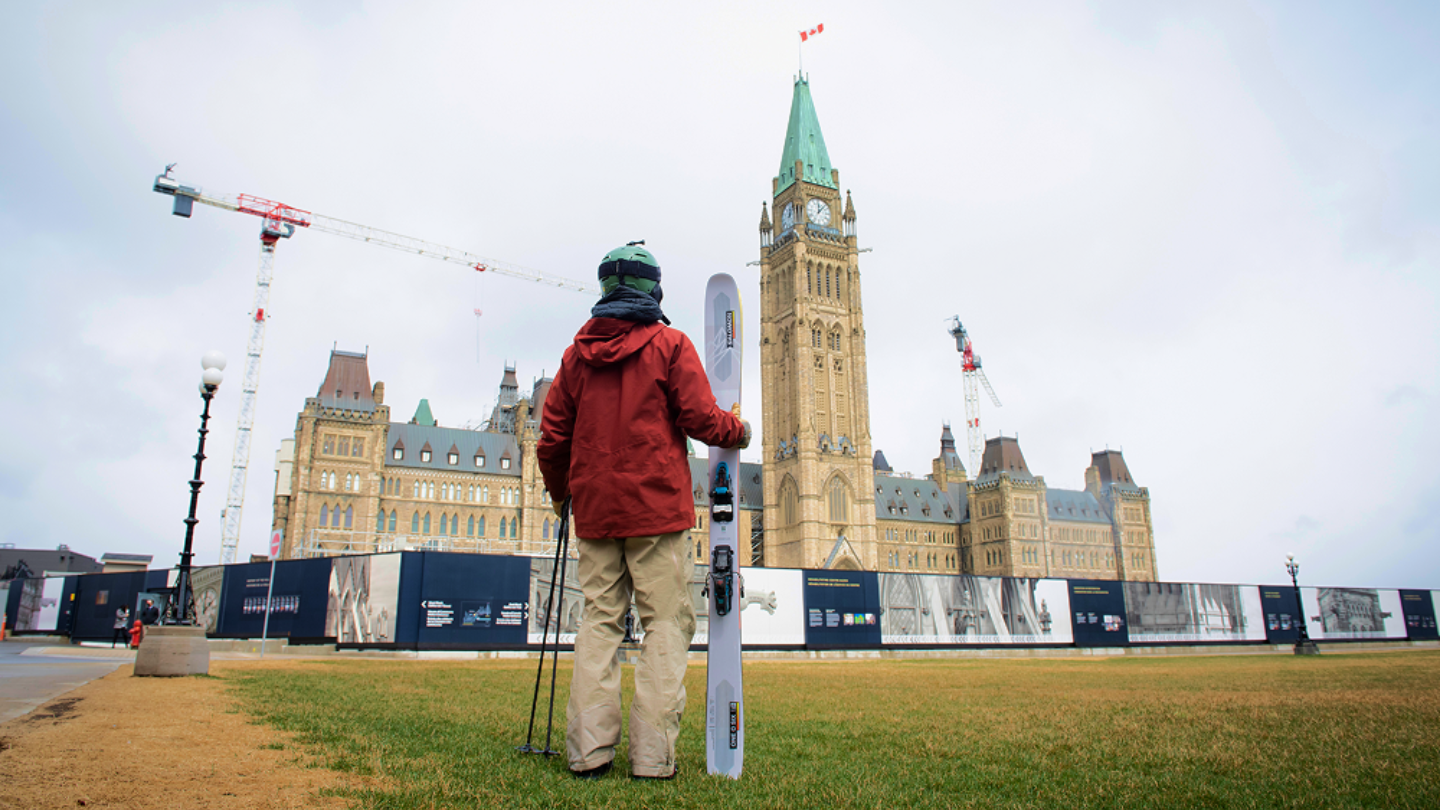
For Mike Douglas, this timeline mirrors his own transition from a performance-focused athlete to a climate advocate. As a member of the Protect Our Winters (POW) Canada Alliance since 2018, Douglas has utilized his platform to bridge the gap between the thrill of the sport and the necessity of environmental stewardship. His role as a Salomon ambassador has evolved to include advising the company on how to balance the demands of high-level athletic performance with the practicalities of carbon reduction.
Corporate Action and the Salomon Sustainability Framework
In response to the visible degradation of winter environments, Salomon has launched a comprehensive sustainability initiative designed to reduce its environmental footprint while maintaining product integrity. The company’s strategy is built on three primary pillars: responsible manufacturing, climate advocacy, and athlete-led education. This approach acknowledges that while individual awareness is important, systemic change requires corporate leadership and supply chain innovation.
Salomon’s "Play it Good" program sets ambitious targets for 2030, including a 30 percent reduction in its total carbon footprint. This involves a shift toward a circular economy model, where products are designed with their end-of-life in mind. For example, the development of the MTN ski line incorporates recycled materials and bio-sourced resins, reducing the reliance on virgin plastics and petrochemicals. Furthermore, Salomon has invested in localizing parts of its production to reduce the carbon emissions associated with global shipping and logistics.
The brand’s partnership with Protect Our Winters is a central component of its advocacy work. Unlike traditional sponsorship deals that focus solely on logo placement and marketing, the Salomon-POW collaboration focuses on "follow-through." This includes funding for climate-focused film projects that reach millions of viewers and supporting the Quality Ski Time (QST) tour, which combines ski demonstrations with climate education. By integrating environmental messaging into its most popular consumer-facing events, Salomon is attempting to normalize climate advocacy within the skiing community.
Data-Driven Realities and the Economic Stakes of Winter Sports
The urgency of these corporate shifts is supported by sobering data regarding the economic impact of climate change on the winter sports industry. In Canada, the ski industry contributes billions of dollars to the national GDP and supports tens of thousands of jobs in rural mountain communities. A shortened ski season or the loss of iconic destinations like the Horstman Glacier poses a direct threat to the economic stability of these regions.
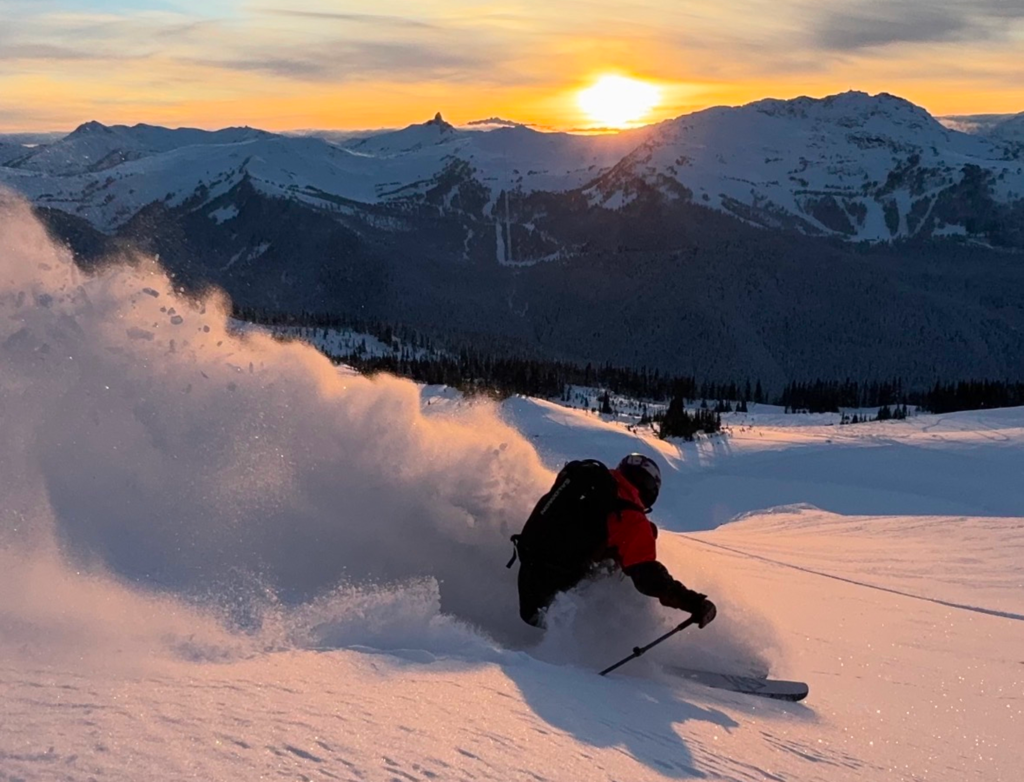
Meteorological data indicates that alpine regions are warming at roughly twice the global average rate. This "elevation-dependent warming" leads to more frequent rain-on-snow events, which can destabilize the snowpack and increase the risk of avalanches. For professional athletes, these conditions are not just a nuisance; they are a safety hazard. Douglas has noted that the "fluffy and fun" powder days of the past are increasingly being replaced by variable and dangerous conditions, requiring athletes to be more vigilant and better trained in mountain safety.
Furthermore, the shrinking snowpack has led to a greater reliance on artificial snowmaking, which is both energy-intensive and water-dependent. While snowmaking can extend the season in the short term, it is not a sustainable long-term solution for a warming climate. This realization has pushed brands like Salomon to look beyond the mountain and into the halls of government, advocating for policies that accelerate the transition to renewable energy and implement carbon pricing.
The Role of Athlete Advocacy in a Misinformed World
In an era of digital misinformation, professional athletes occupy a unique position of trust. They serve as primary witnesses to environmental change, documenting the retreat of glaciers and the shifting weather patterns through their films and social media presence. Mike Douglas has leveraged this influence to move beyond the "influencer" trope, engaging instead in direct political advocacy.
Through POW’s advocacy training, athletes are taught how to communicate complex climate science to a broad audience and how to engage with lawmakers. Douglas and other members of the POW Alliance have participated in lobby days in Ottawa and Washington, D.C., meeting with legislators to discuss the importance of climate policy for the outdoor economy. This transition from the backcountry to the boardroom represents a significant shift in the definition of a professional athlete.
"If we don’t speak up, who will?" Douglas often asks, highlighting the responsibility that comes with his "Godfather of Freeskiing" status. The sentiment reflects a growing consensus in the industry: that being a "friend of Mother Nature" requires more than just enjoying the outdoors; it requires a commitment to protecting it through systemic action.

Broader Industry Implications and the Path Forward
The collaboration between Salomon and POW serves as a blueprint for the rest of the outdoor industry. It demonstrates that climate action is not only a moral obligation but also a practical business strategy. Companies that fail to adapt to the changing environment risk losing their customer base, their supply chain stability, and their very reason for existence.
The trend toward sustainability is gaining momentum across the sector. Competitors are also looking at ways to reduce waste, with many brands adopting "Extended Producer Responsibility" (EPR) programs. However, the challenge remains in scaling these efforts fast enough to match the pace of environmental change. The "window for action," as Douglas warns, is closing.
The future of winter sports will likely be characterized by a "quality over quantity" approach. As lower-elevation resorts face increasing challenges, the industry may see a consolidation of activities in higher-altitude areas. This makes the preservation of existing glaciers and high-alpine environments even more critical. The success of these efforts will depend on the continued partnership between athletes, brands, and the communities that call the mountains home.
In conclusion, the story of the Horstman Glacier and Mike Douglas is a microcosm of the global climate crisis. It is a narrative of loss, but also one of adaptation and hope. By turning advocacy into action, brands like Salomon are proving that it is possible to operate a global business with integrity and character. As the industry moves forward, the lessons learned on the receding ice of Whistler Blackcomb will be vital in ensuring that future generations have the opportunity to experience the same "quality ski time" that defined the careers of pioneers like Douglas. The message from the mountains is clear: the time for abstract awareness has passed, and the era of collective responsibility has begun.

