
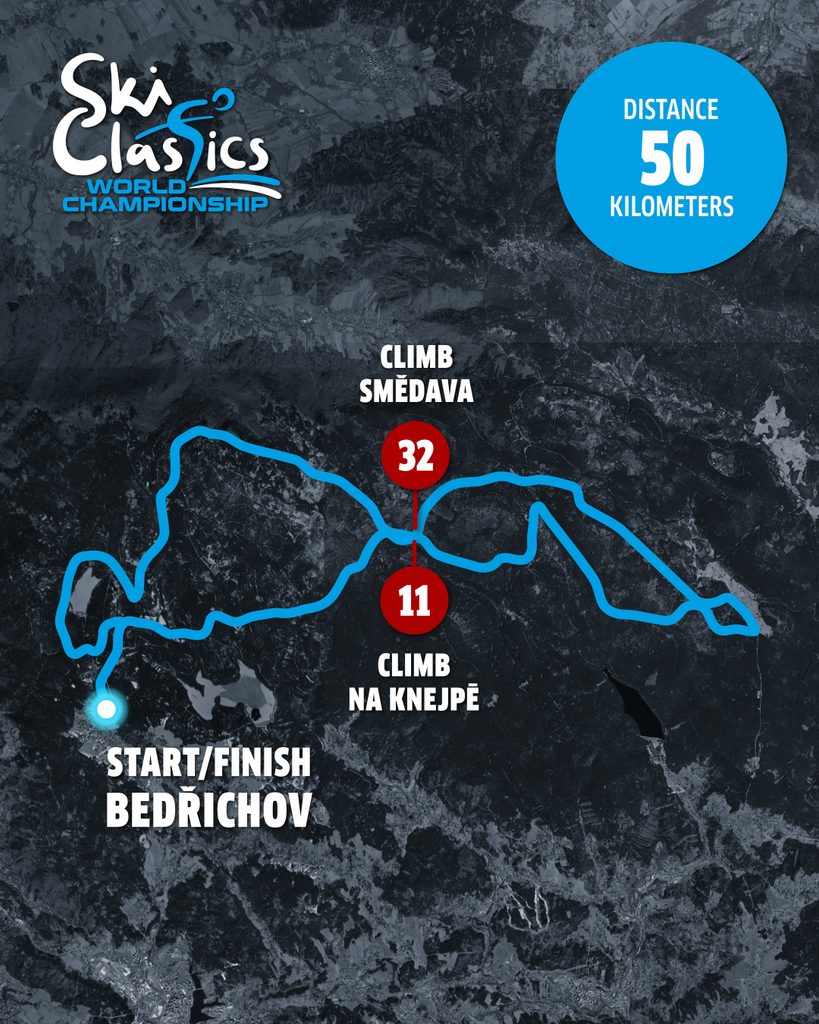
The Ski Classics World Championship Season XVIII reaches a critical juncture on Sunday, February 14, 2027, as athletes descend upon the village of Bedřichov in the Czech Republic for the Jizerská50. This 50-kilometer classic-style race stands as the ninth event of the season and serves as the second of four prestigious Grand Classics. Alongside the Marcialonga in Italy, the Vasaloppet in Sweden, and the Birkebeinerrennet in Norway, the Jizerská50 represents the pinnacle of long-distance cross-country skiing, demanding both technical proficiency and immense physical endurance.
A Legacy Carved in Snow and History
Since its inception in 1968, the Jizerská50 has evolved from a local gathering into a global phenomenon that draws thousands of participants to the Jizera Mountains. The race is defined by its unique geographical character, blending the dense, deep forests and undulating hills of Central Europe with the high-speed, technical racing standards perfected in Scandinavia.
The 2027 edition is particularly poignant, as it commemorates the 60th anniversary of the race. The event carries a solemn historical significance that transcends sport; it serves as a memorial to 15 Czech mountaineers who participated in the 1970 race just weeks before they tragically lost their lives in an avalanche on Huascarán in Peru. This connection to the past ensures that the Jizerská50 remains one of the most emotionally charged events on the international winter sports calendar. For many professional skiers, competing in Bedřichov is not merely a pursuit of ranking points, but a pilgrimage to honor the roots of mountain culture.
Technical Profile and Competitive Demands
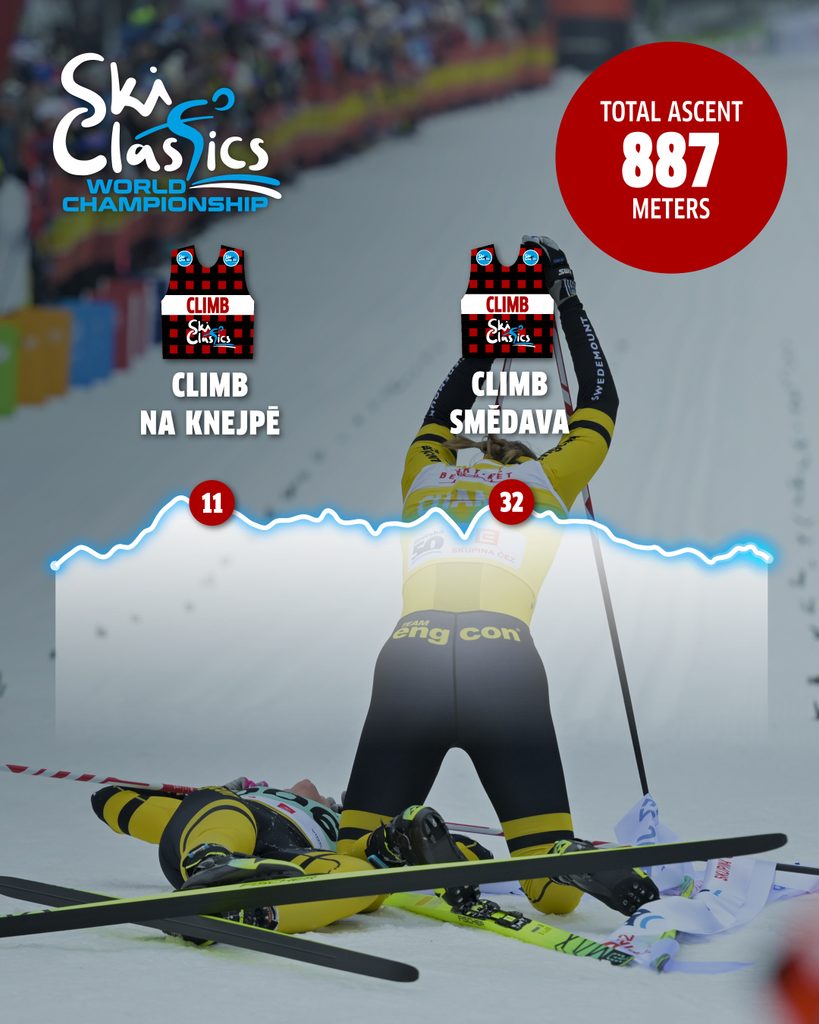
The 50-kilometer course is renowned for its deceptive difficulty. While the landscape features beautiful, sweeping plateaus and pristine forest trails, the elevation profile presents significant challenges. The route takes competitors through narrow, winding paths that require precise equipment selection and agile maneuvering.

According to competition director Michal Bystrianský, the course design is unmatched globally. "What makes Jizerská50 truly unique is the environment," Bystrianský noted. "The combination of dense mountain forests and narrow, technical trails is something you simply cannot find anywhere else in the world. It is an undeniably demanding course, yet it remains a bucket-list experience that every serious cross-country skier should undertake at least once in their lifetime."
From a tactical perspective, the race is a pivotal moment for those contending for the overall Ski Classics championship. Lukas Bauer, the event’s race director, emphasizes that the course offers no room for error. "The Jizerská50 awards 500 points, significantly more than our standard events, which is precisely why it holds Grand Classic status," Bauer explained. "After Marcialonga, this is the second major hurdle on the road to the Grand Slam. No athlete has ever managed to win all four Grand Classics in a single season, which speaks volumes about the difficulty of this specific event. With two major climbs—Na Knejpě and Smědava—there is simply nowhere to hide if your fitness is not at its absolute peak."
The Strategic Importance of the Grand Classics
The classification of the Jizerská50 as a Grand Classic carries major implications for the Season XVIII standings. In the context of the professional tour, these four races serve as the primary filters for the sport’s elite. While the tour includes sprints, criteriums, and time trials, the Grand Classics are the tests of pure endurance that define the season’s narrative.
The points structure incentivizes a specific type of preparation. Athletes must balance the explosiveness required for earlier season events—such as the Bad Gastein tour—with the sustained power necessary to conquer 50 to 90-kilometer courses. As the ninth event of the fifteen-race season, the Jizerská50 acts as a bridge between the early-season sprint focus and the ultra-endurance challenges of the late-season Vasaloppet and Birkebeinerrennet.
Season XVIII Chronology and Competitive Context
The 2026/2027 Ski Classics season has been a rigorous test of versatility. The schedule began in December 2026 with a series of four events in Bad Gastein, Austria, setting an intense pace from the outset.
- December 11, 2026: Bad Gastein Prologue (1 km)
- December 13, 2026: Sportgastein Criterium (30 km)
- December 19, 2026: Bad Gastein Individual Time Trial (7 km)
- December 20, 2026: Bad Gastein Criterium (36 km)
- January 16, 2027: Engadin La Diagonela (55 km)
- January 17, 2027: Zuoz-St. Moritz Sprint (30 km)
- January 31, 2027: Marcialonga (70 km)
- February 12, 2027: Bedřichov Heat Sprint (1.5 km)
- February 14, 2027: Jizerská50 (50 km)
Following the Jizerská50, the tour shifts its focus to Sweden and Norway for the final sprint toward the Grand Finale in Senja in April. The momentum gained in the Czech Republic is often considered the "make-or-break" factor for teams looking to secure the overall Pro Team and Individual Champion titles.
The Role of Technology and Preparation
In modern professional cross-country skiing, the Jizerská50 is as much a test of logistics as it is of human capability. With the shift in weather patterns and snow conditions in the Jizera Mountains, wax technicians and equipment managers play a critical role. The varying terrain—ranging from flat, high-speed sections to technical climbs—requires a "quiver" of skis that can handle both icy conditions on the plateaus and potentially softer, deeper snow in the forest canopy.
Teams are increasingly utilizing sophisticated data analytics to monitor athlete output throughout the season. The intensity of the January and February schedule, which sees athletes traveling between Switzerland, Italy, the Czech Republic, and Sweden, requires meticulous recovery protocols. The Jizerská50, occurring just two days after the Bedřichov Heat Sprint, will force teams to decide between prioritizing the sprint or resting key assets for the grueling 50-kilometer classic race.
Broader Impact on the Sport
The influence of the Jizerská50 extends beyond the professional peloton. As a massive participation event, it brings thousands of amateur skiers into the world of long-distance skiing, fostering a community that sustains the industry. The economic impact on the Liberec region of the Czech Republic is substantial, with the event serving as a showcase for winter tourism.
Furthermore, the commitment to the "Classic" discipline in an era of increasing technological saturation in sports reaffirms the values of traditional cross-country skiing. By maintaining a 50-kilometer distance on a course that has remained largely unchanged for decades, the organizers preserve a standard of excellence that resonates with both historical purists and modern competitors.
Looking Toward the Finish Line
As athletes prepare to toe the starting line in Bedřichov, the stakes are clear. For the top-ranked skiers, the Jizerská50 is an opportunity to distance themselves from the competition in the race for the yellow and green bibs. For the challengers, it is an opportunity to prove that their endurance capabilities match their technical skill.
The 2027 season is already on track to be one of the most competitive in the history of Ski Classics. With the Grand Slam of four monuments still mathematically possible but practically daunting, all eyes will be on the performance of the lead packs during the climbs at Na Knejpě and Smědava. If history is any indicator, the race will likely be decided in the final kilometers, where the accumulation of 50 kilometers of fatigue will test the mental fortitude of the world’s best skiers.
With the event approaching, local authorities and the Ski Classics organization have finalized safety and environmental protocols, ensuring that the Jizerská50 continues to operate in harmony with the protected landscapes of the Jizera Mountains. For those following the tour, the weekend of February 14th represents the heart of the winter season—a moment where history, endurance, and elite performance converge in the snowy forests of the Czech Republic.

