
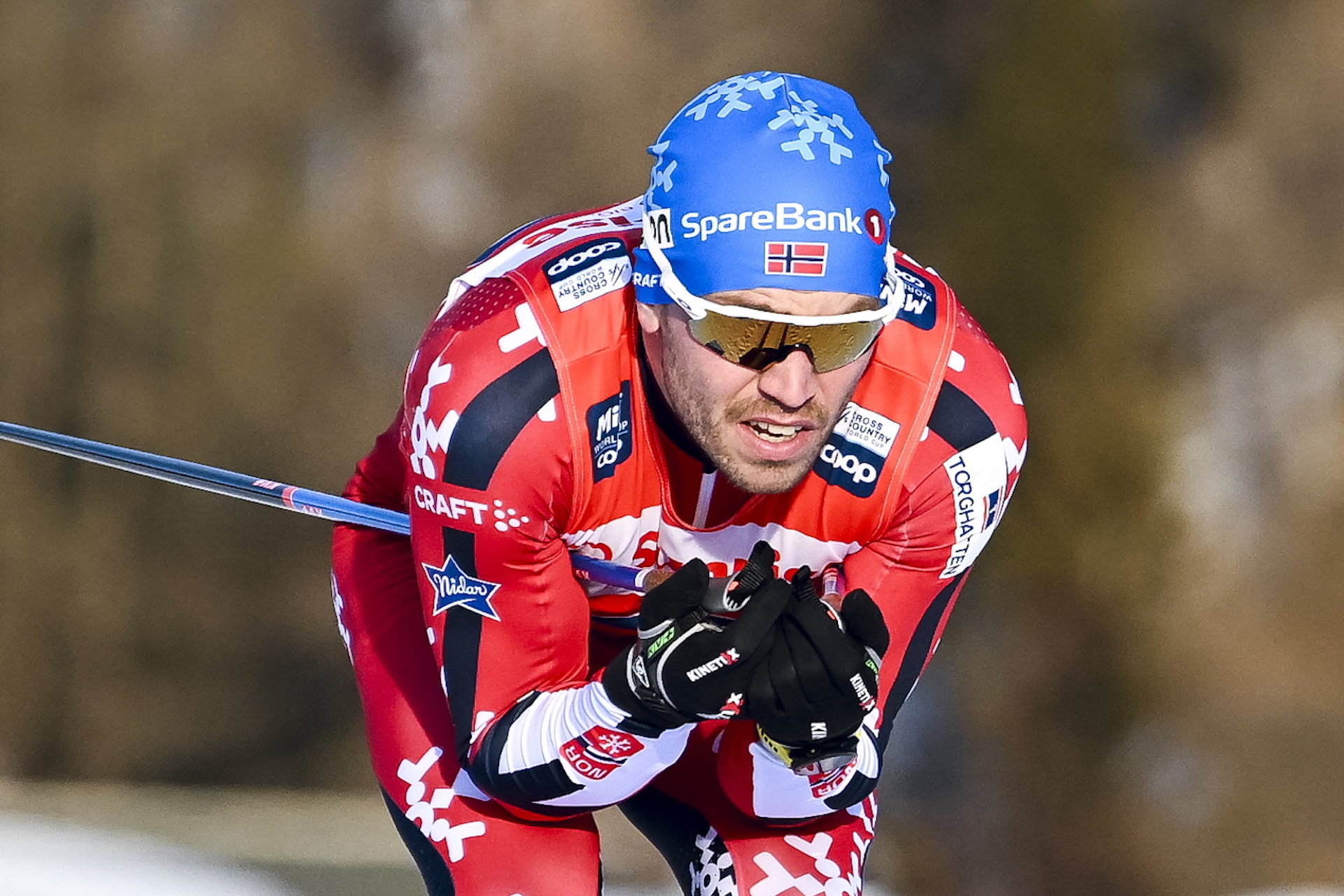
Kjelsås IL Langrenn has emerged as the undisputed powerhouse among ski-themed relay teams at the prestigious Holmenkollstafetten, showcasing a dominant performance that significantly overshadowed rivals like Petter Northug’s Mosvik IL. The team, bolstered by the presence of former world champion Pål Golberg and a constellation of other elite cross-country skiing stars, secured an impressive eighth-place finish in the highly competitive elite class. This achievement marks a substantial leap from their eleventh-place ranking in the previous year, signaling a considerable advancement in their strategic and athletic capabilities.
The Holmenkollstafetten, a cornerstone event in Norwegian athletics, attracts a diverse array of teams, from professional clubs to enthusiastic amateur groups, all vying for glory on the historic Holmenkollen course. The relay format, demanding consistent performance across multiple legs and diverse terrain, serves as a rigorous test of endurance, teamwork, and individual skill. For ski clubs, participation in the Holmenkollstafetten offers a unique opportunity to showcase their broader athletic prowess beyond the traditional winter season, drawing significant attention from both the sporting community and the general public.
Kjelsås IL Langrenn’s ascent to eighth place is a testament to their meticulous preparation and the caliber of their roster. The team’s lineup for this year’s relay included a formidable array of talent, with Simon Salinas Hannestad, Iver Wang Johansen, Erling Moseby, Håvard Moseby, Gjermund Näss, David Thorvik, Henning Ørsheim, Ole Jørgen Knoph, Anton Jensen, Pål Golberg, Isak Jonsson, Christian Schei Johannessen, Øyvind Moen Fjeld, Jostein Tandberg, and Edvard Sandvik. The strategic deployment of these athletes across the various stages of the demanding relay route clearly paid dividends, allowing them to maintain a strong pace and overcome the challenges presented by the course and their competitors.
A key indicator of Kjelsås IL Langrenn’s superiority was their performance relative to their closest competitors. They finished a full half-minute ahead of IL Heming, a team featuring notable skiers Kasper Stadaas and Harald Astrup Arnesen, who ultimately claimed ninth place. This margin of victory, while not insurmountable in a single leg, demonstrates a consistent advantage built over the entire relay.
In stark contrast, Mosvik IL, the celebrated "skipper team" from the previous year, experienced a significant downturn in their fortunes. With Petter Northug anchoring the final leg, the team finished a disappointing seventeenth, second to last among the elite teams. This performance represents a substantial drop from their tenth-place finish in 2025, and they were outpaced by Kjelsås IL Langrenn by over two minutes. The inclusion of Petter Northug and several other members of the Mosvik IL team across multiple legs this year highlights their commitment to the event, but their overall results suggest that other teams have either significantly improved or that Mosvik IL’s strategy did not yield the desired outcomes. The juxtaposition of Kjelsås IL Langrenn’s upward trajectory and Mosvik IL’s decline provides a compelling narrative of shifting dynamics within the competitive landscape of the Holmenkollstafetten’s ski-themed categories.
The article also highlighted the impressive performance of the junior elite team, Sweet Elite. This group of emerging talents, comprising both cross-country skiing and biathlon specialists, many of whom are associated with national team programs or are on the cusp of selection, achieved a commendable fourth-place finish in the junior elite category. The composition of the Sweet Elite team included Iselin Drivenes, Selma Mathismoen, Vårinn Hagen, Malena Sirekrok, Guro Strindeberg, Julie Kvelvane, Tuva Adolfsen, Sara Tronrud, Hanne Martinsen, Veronika Schuler, Olivia Stordalen, Marie Lund Flaa, Bjørg Marit Eide, Nora Ytterhus, and Frida Hofgaard. Their strong showing in a highly competitive junior field indicates a bright future for these young athletes and underscores the depth of talent being nurtured within Norwegian winter sports.
Beyond the elite and junior categories, the women’s elite class also witnessed a standout performance from a 21-year-old talent from Trondheim, Eva Ingebrigtsen. Competing for Bratsberg IL, which finished sixth overall in the elite class, Ingebrigtsen delivered a truly exceptional leg on the challenging Besserud stage. Her performance was so impactful that she recorded the seventh-best time among all female participants, regardless of their team’s overall standing. This remarkable achievement, especially on a notoriously demanding section of the course, showcases her individual prowess and her potential as a rising star in women’s athletics. Ingebrigtsen’s previous success, including gold and silver medals at the U23 World Championships earlier in the winter, further contextualizes her impressive showing at the Holmenkollstafetten.
The women’s elite race saw Raumnes & Ørnes IL, a team composed of seasoned skiers, secure tenth place. Despite a slight drop of two positions from their previous year’s performance, they retained their status as the leading "skipper team" in the women’s elite category. The team’s lineup for this event was Julie Bjervig Drivenes, Margrethe Bergane, Hedda Bakkemo, Mari Nordlunde, Marte Mikkelsplass, Marthe Kristoffersen, Karoline Simpson-Larsen, Hedda Østberg Amundsen, Ellen Sæhoel Lie, Milla Grosberghaugen Andreassen, Kristin Austgulen Fosnæs, Randi Sollid Nordvang, Katerina Janatova, Julie Kvale Støstad, and Johanne Harviken. Sandefjord TIF followed in eleventh place, nearly a minute behind Raumnes & Ørnes IL. The overall victory in the Holmenkollstafetten 2026 went to SK Vidar Elite 1, highlighting their consistent strength across all categories.
The Holmenkollstafetten, with its rich history dating back to 1923, has evolved into a major sporting spectacle, attracting thousands of participants and tens of thousands of spectators. Originally conceived as a cross-country skiing event, its expansion to include other athletic disciplines and team formats reflects the broader athletic development in Norway. The relay format, in particular, emphasizes collective effort and strategic pacing, mirroring the demands of team-based sports. For ski clubs, participating in the Holmenkollstafetten offers a valuable opportunity to engage their members in a high-profile event outside of the traditional ski season, fostering team spirit and promoting the club’s broader athletic endeavors. The inclusion of specific "skipper teams" adds a unique narrative element, allowing prominent figures from the skiing world to showcase their continued athleticism and engage with a wider audience.
The tactical decisions made by team managers are crucial in the Holmenkollstafetten. The course, which winds through the scenic but challenging terrain surrounding the Holmenkollen ski jump, features a variety of ascents, descents, and flatter sections, requiring a diverse skill set from the runners. The "Besserud stage," mentioned in relation to Eva Ingebrigtsen’s performance, is renowned for its particularly demanding nature, often acting as a decisive leg in the race. The ability of teams like Kjelsås IL Langrenn to consistently perform well across these varied stages, as evidenced by their eighth-place finish, underscores their comprehensive training and strategic planning. Their significant improvement from last year suggests a focused effort to address any weaknesses and capitalize on their strengths.
The contrast between Kjelsås IL Langrenn’s triumphant rise and Mosvik IL’s notable decline also prompts an analysis of team dynamics and the evolving nature of athletic performance. While Mosvik IL’s lineup includes several high-profile skiers, the Holmenkollstafetten’s results indicate that factors beyond individual star power, such as team cohesion, consistent training across disciplines, and strategic race management, play a critical role in achieving success. The fact that Petter Northug and his teammates ran multiple legs this year, as opposed to potentially a single anchor leg in previous years, might reflect a strategic shift or an effort to distribute the workload more evenly, though the outcome suggests this adjustment did not fully compensate for the challenges faced.
The success of Sweet Elite in the junior elite category is a positive indicator for the future of Norwegian skiing and biathlon. These young athletes are not only demonstrating high levels of individual talent but also the capacity to perform under pressure in a team setting. Their fourth-place finish positions them as strong contenders for future elite competitions and highlights the effectiveness of their development programs.
Eva Ingebrigtsen’s individual brilliance on the Besserud stage serves as a powerful reminder of the talent emerging from Norwegian athletic programs. Her performance, standing out even among the elite field, underscores her potential for future success on the international stage. The accompanying link to her performance at the U23 World Championships further solidifies her status as a significant talent to watch.
The Holmenkollstafetten, therefore, serves as more than just a single-day competition; it is a microcosm of the broader athletic landscape in Norway. It celebrates both established stars and emerging talents, showcases the importance of teamwork, and provides a platform for clubs to demonstrate their commitment to athletic excellence across disciplines. The results from this year’s event offer valuable insights into the current standings, the evolving dynamics of competition, and the promising future of Norwegian sports. The comprehensive results, available through the provided link, allow for a deeper dive into the performance of every participating team, offering a complete picture of the day’s athletic achievements.

