
There exists a critical juncture in the journey of nearly every aspiring ski racer where the sheer pursuit of their dream becomes financially untenable. This isn’t a sudden obstacle but a creeping reality, manifesting first in escalating travel expenses, then demanding training camp fees, and ultimately, the undeniable realization that the path to global elite status often winds through Europe, far from home and even further from affordability. For a significant number of exceptionally talented and driven athletes, this is where their ambition quietly dissipates, not due to a deficit of skill or passion, but because the economic runway simply becomes too short. It is precisely for these pivotal moments that the World Cup Dreams Foundation (WCDF) stands as a vital and evolving force.
The Soaring Costs of Alpine Ambition: A Hidden Barrier to Entry
Ski racing is universally recognized as one of the most capital-intensive sports on the planet. The cumulative expenses for specialized equipment, international travel, dedicated coaching, and extended training blocks, compounded by a competitive circuit predominantly based in Europe, construct a formidable barrier where access is frequently determined by financial capacity rather than raw talent. As athletes advance through age groups and competitive levels, these costs do not merely plateau; they accelerate dramatically. A full competitive season for an aspiring World Cup athlete can easily breach six-figure sums, encompassing multiple trips to Europe, high-performance equipment upgrades, private coaching, and specialized conditioning.
What the World Cup Dreams Foundation acutely identified is that the most critical attrition point for promising athletes often occurs not at the sport’s nascent stages, but in the challenging middle ground. This fragile transitional period sees athletes moving beyond junior ranks but not yet fully integrated into national team support structures. It’s a phase brimming with untapped potential, yet plagued by scarce resources, where many future stars of American ski racing might otherwise fade from contention. "We were losing talented athletes because of cost," explains Claire Abbe Biesemeyer, the Executive Director of WCDF, underscoring the foundation’s strategic pivot to address this critical vulnerability in the athlete pipeline.
From Reactive Aid to Strategic Pipeline: WCDF’s Transformative Evolution
The World Cup Dreams Foundation was established in 2006 by a cohort of former U.S. Ski Team athletes. Their initial mandate was straightforward: to provide crucial support for injured athletes who had, at the time, fallen through the cracks of a nascent system not yet equipped to provide comprehensive safety nets. This foundational mission, born from firsthand experience, highlighted an inherent understanding of the sport’s unforgiving nature and the personal sacrifices involved.
However, the past few years have witnessed a profound redefinition of the foundation’s purpose. Under dynamic new leadership and a bold strategic reimagining, WCDF’s mission has blossomed into something far more expansive and impactful. A pivotal moment in this evolution occurred in 2021 when World Cup Dreams joined forces with the T2 Foundation. This merger was more than a mere administrative consolidation; it united two intrinsically aligned missions: the immediate support of elite athletes at the highest competitive echelons, combined with a crucial, forward-looking investment in the next generation of talent. The synergy created by this union not only significantly expanded the collective resources but fundamentally reshaped the organization’s philosophical approach.
What had once been a largely reactive model, providing essential aid in moments of acute need, transformed into a proactive, integrated system. This redesigned framework now functions as a comprehensive pipeline, meticulously engineered to guide and support athletes from their earliest competitive years, through critical developmental stages, and ultimately, all the way to the pinnacle of the sport: the World Cup circuit. The scale of this transformation is starkly evident in the financial metrics. "When Tommy Biesemeyer took over, the organization was raising about $50,000 annually," Claire Abbe Biesemeyer notes. "Now we’re distributing about $1.5 million per year in grants." This remarkable growth is not merely an impressive statistical achievement; it represents a paradigm shift, as financial backing in ski racing often constitutes the definitive difference between an athlete continuing their pursuit and being forced to abandon their dreams prematurely.
A Multi-Tiered Development Model: Nurturing Talent at Every Stage
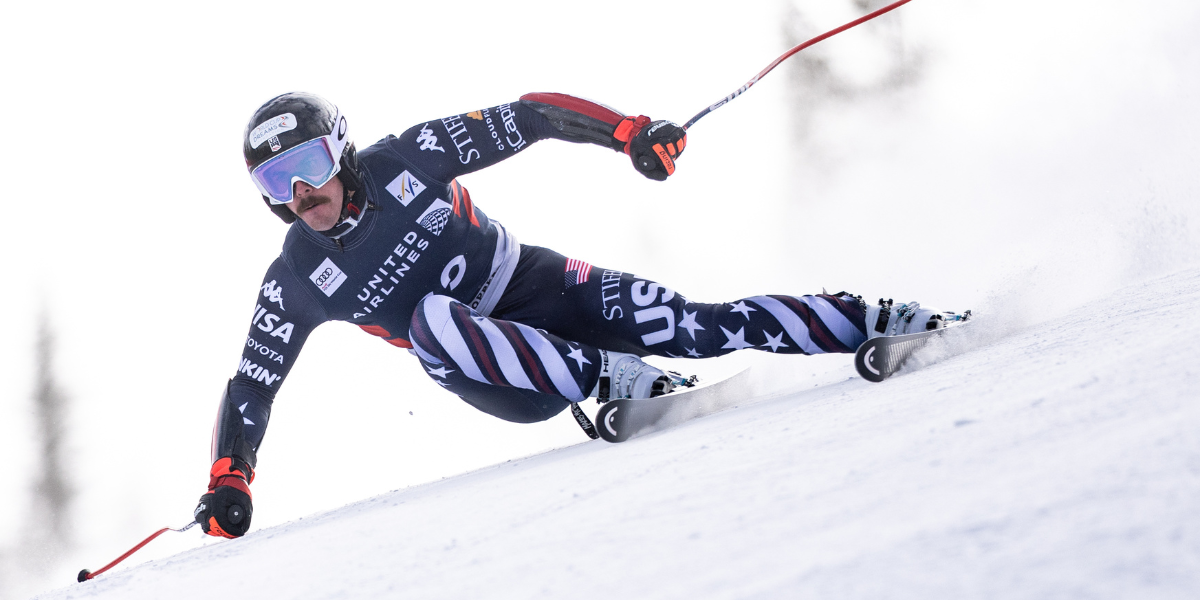
Today, the World Cup Dreams Foundation operates with a clear, structured development model designed to maximize athlete potential and longevity in the sport. The foundation’s grant programs — ARCO, On the Rise, and World Cup — each cater to distinct stages of an athlete’s career. The ARCO program, for instance, typically targets promising junior athletes, offering initial financial injections that can cover essential travel to national competitions or early-season training camps. The "On the Rise" program is geared towards athletes in that critical transitional phase, often bridging the gap between junior and national team prospects, helping them afford crucial European training blocks or specialized coaching. Finally, the "World Cup" grants are designed for established elite athletes who require supplementary support to maintain their competitive edge, covering costs not fully met by national teams, such as specific equipment testing or individual physical therapy.
Each stage of this model is intentionally crafted, and every dollar disbursed is strategically allocated. Instead of simply providing funds, WCDF engages closely with athletes to understand precisely how financial support translates into tangible performance improvements. This might mean funding more days on snow during crucial training periods, facilitating access to superior training environments and specialized facilities, or simply enabling an athlete to remain in the sport for one more critical year, allowing their talent to fully mature.
The foundation’s extensive reach is already significant, having supported 94 individual athletes and two cross-country teams across its various platforms. This expansive network continues to grow as the integrated system matures and demonstrates its efficacy. Furthermore, WCDF has strategically aligned its performance metrics with those of the U.S. Ski & Snowboard Team, focusing intently on increasing the number of American athletes ranked within the top 300 globally. This metric is considered a key predictive indicator of future World Cup success and Olympic potential, signifying that WCDF is not merely funding dreams in isolation but actively contributing to the strategic development of a robust national pipeline. It is not just about financially underpinning aspirations; it is about systematically building the infrastructure for sustained excellence.
Tangible Results: Olympic Success and Athlete Testimonials
The tangible impact of World Cup Dreams’ transformed approach is already unequivocally visible on the international stage. At the most recent Olympic Winter Games, the foundation’s influence was undeniable: an impressive 7 out of 11 women on the U.S. Alpine team and 4 out of 6 men had received support from either World Cup Dreams or the T2 Foundation at some critical juncture in their competitive journey.
Athletes such as Ryan Cochran-Siegle, a silver medalist; Paula Moltzan, a consistent World Cup performer; and Nina O’Brien, a resilient Olympian, are not merely recipients of financial aid; they serve as living proof of concept. Their careers demonstrate that when talent is identified and supported strategically at the right time, it doesn’t just survive the sport’s immense pressures; it demonstrably thrives, reaching its full potential.
Nina O’Brien eloquently articulates this profound impact: "T2 was my first supporter in this sport, and I genuinely don’t know if I’d be where I am today without them. During high school, the grants helped cover my National Training Group fees, flights to Europe to race, and summer camps in New Zealand. Those opportunities were crucial to my development and simply wouldn’t have been possible without the financial support. They showed up for me before anyone else did, and that early belief is what keeps athletes in the sport long enough to find out what they’re capable of. I’m incredibly grateful for their support, and I know I’m not alone in that." Her statement powerfully underscores the long-term compounding effect of early, strategic support.
Beyond Financial Support: The Power of Mentorship and Community

Perhaps the most profound and enduring aspect of the World Cup Dreams Foundation transcends mere financial provision; it lies in its deeply human dimension. Behind every grant and strategic allocation is a robust network—a vibrant community of former athletes, experienced mentors, and visionary leaders who possess an intimate understanding of the arduous demands and unique challenges inherent in the ski racing journey.
One of the clearest manifestations of this philosophy is the foundation’s rapidly expanding mentorship initiative. As Alice Merryweather, a former U.S. Ski Team athlete and now an integral part of WCDF, explains, "I’m incredibly proud of the alumni mentorship program. Tommy approached me with the idea during the summer of 2024, when I was pretty fresh off my own retirement from racing and had just started as the World Cup Dreams intern. It was an opportunity to try to leave the system a little better than I found it… rooted in the belief that meaningful support is rarely purely financial."
The program’s structure is intentionally straightforward yet highly impactful. Every "On the Rise" athlete is carefully paired with a mentor, typically an individual whom WCDF has previously supported or who is currently competing at a higher, more established level. These pairings are meticulously considered, taking into account crucial factors such as discipline, gender, geographic location, career goals, and shared lived experiences. The mentorship relationships formally commence each October, coinciding with the lead-up to the competitive race season. Following an initial introductory meeting, the pairs are largely empowered to self-manage their interactions, with the onus on the mentees to determine the frequency and nature of their engagement with their mentor.
Now in its second year, the program has already demonstrated measurable positive impact. Athletes consistently report engaging with their mentors on a broad spectrum of topics that extend far beyond technical and tactical ski racing advice. These critical conversations often delve into crucial aspects like mindset development, effective injury recovery strategies, and even navigating life beyond the competitive sport, preparing them for holistic success. Equally meaningful is the overwhelmingly positive response from the mentors themselves. Many have expressed profound gratitude for the opportunity to remain actively involved in the sport and its future, and a recurring sentiment voiced is the wish that such a program had existed when they were at their mentee’s stage of development. For Alice Merryweather, the program resonates on a deeply personal level: "When I missed one season for eating disorder treatment and another two for injury, WCDF only leaned in harder… I now get to foster the support that I felt for a whole generation behind me, and I think that’s really special." This full-circle dynamic, where previously supported athletes transition into guiding roles, transforms temporary support into a lasting legacy.
Cultivating a Culture of Reciprocity and Engagement
At its very core, the World Cup Dreams Foundation is propelled by something far deeper than strategic planning alone: a distinctive culture of reciprocity and shared purpose. A significant number of the individuals leading and actively supporting the organization are former athletes themselves. These are individuals who have personally navigated the very same challenges—the financial strains, the physical tolls, the mental fortitude required—and now feel a profound sense of responsibility to positively alter the experience for the generations of athletes who follow in their footsteps.
This culture of giving back extends organically beyond the athletes to the foundation’s vital network of donors. Through innovative, community-driven events, WCDF has successfully redefined traditional fundraising paradigms. A prime example is "A Night at Bonnie’s," an annual event that masterfully blends Aspen’s legendary rebellious spirit with the noble objective of giving back to the sport. Guests embark on a unique snowcat journey up the mountain at night for an intimate, family-style dinner and an exclusive wine tasting experience, culminating in a thrilling headlamp ski down under the stars—all in direct support of the next generation of American ski racers. This event has rapidly become a cherished staple of the local community, demonstrating that people are not just giving financially; they are actively becoming an integral part of a compelling and inspiring story.
The Enduring Reality and Future Imperatives
What often remains unseen by those outside the inner circle of competitive ski racing is the profound difficulty of this chosen path. The relentless injuries, the pervasive chronic pain, the agonizing near-misses, and the moments of profound doubt where even the most supremely talented athletes contemplate walking away are ever-present realities. Stories like Kyle Negomir’s are emblematic of this unforgiving reality and the crucial role WCDF plays:
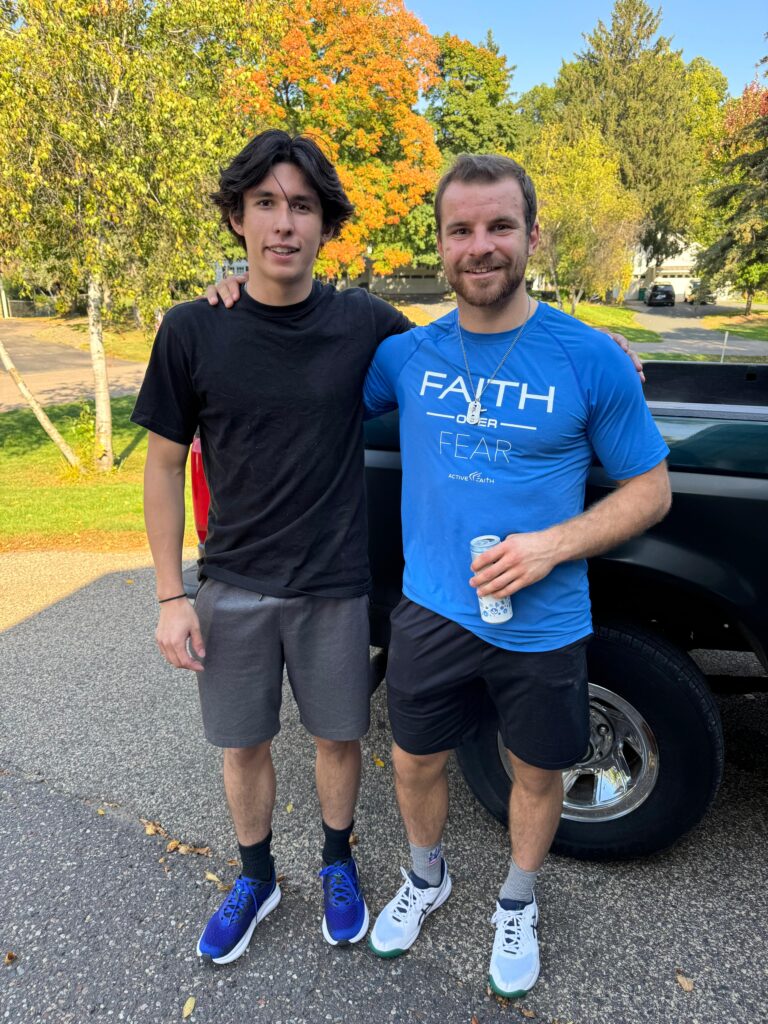
"I’ve been a part of WCDF / T2 for the entirety of my young career in some way, and couldn’t be more grateful. To have an independent organization as committed as they are to raising and allocating funds directly to athletes is a big part of why American ski racing has continued to thrive despite soaring costs. It’s a crucial niche the way skiing works in the US, and they are the only ones filling it."
Negomir further elaborates, "I know I had some crucial opportunities that were prohibitively expensive early in my career, and would have struggled to take advantage of them without the support of WCDF. From helping pay for my first European race trip at World Juniors to helping me through my comeback from injury when not many people believed in me anymore, they were there through it all. So I’m proud to mentor younger athletes through this same program now and represent them on the hill." This powerful arc—from a supported athlete overcoming adversity to becoming a mentor who pays it forward—captures the very essence of the sustainable ecosystem that WCDF is meticulously constructing.
As the sport looks ahead to the next decade, the inherent challenges confronting ski racing are unlikely to diminish. If anything, they are projected to intensify, driven by persistently rising costs, the increasing pressures of climate change impacting training environments, and the ever-growing demands placed upon elite athletes. This evolving landscape means that the imperative for organizations like the World Cup Dreams Foundation will only become more critical in sustaining the health and competitiveness of American ski racing.
The foundation’s forward-looking goals are clear and ambitious: to consistently increase the number of American athletes competing at the highest international levels, to further strengthen and diversify the national pipeline from grassroots to global elite, and to continue fostering a sustainable culture of support and mentorship within the sport. Ultimately, the vision extends beyond these concrete objectives. It is about fundamentally altering what is perceived as possible for American ski racers on the global stage.
Bridging the Gap to Greatness
There will always be an abundance of raw talent. There will always be an unyielding wellspring of ambition. But between these two vital elements often lies a precarious gap—a chasm filled with financial uncertainty, prohibitive costs, and significant personal risk. The World Cup Dreams Foundation has strategically positioned itself within this critical space, effectively bridging the divide. And because of its unwavering commitment and innovative approach, a growing number of American athletes are not just navigating the challenging journey; they are making it through, not merely to the next level of competition, but all the way to the very summit of alpine ski racing.
For aspiring ski racers who dream of reaching these heights, the WCDF grant programs—ARCO, On the Rise, and World Cup—for the 2026–2027 season will be open for applications from June 1 through July 31. This window represents a crucial opportunity for the next generation to access the support needed to transform their potential into performance.

