
The pinnacle of the Freeride World Tour (FWT) season, the YETI Xtreme Verbier, witnessed an unprecedented display of skill and daring as Swiss-Mexican snowboarder Liam Rivera carved his name into the annals of freeride history. Rivera’s electrifying performance on the iconic Bec des Rosses resulted in a monumental score of 96 points, marking the highest ever recorded in the Snowboard Men category at this legendary event. This triumph is not merely a win but a landmark achievement, solidifying Rivera’s status as a dominant force in contemporary freeriding and delivering a storybook ending for a local hero who grew up idolizing the very competition he now dominates.
A Legendary Ascent: Rivera’s Path to Glory
Liam Rivera’s connection to Verbier runs deep, rooted in his formative years spent with the Verbier Freeride Team, a testament to the local talent incubation that feeds into the world’s elite freeride circuit. His journey from an aspiring young rider watching the Xtreme Verbier from afar to standing atop its podium is a narrative that resonates deeply within the sport. At 26 years old, Rivera arrived at the Bec des Rosses already holding the prestigious title of reigning FIS Freeride World Champion, a testament to his consistent excellence throughout the season and previous campaigns. This prior championship set the stage for a highly anticipated performance, but few could have predicted the sheer magnitude of his final run. The pressure on a reigning champion, especially one competing on home turf with a passionate local crowd, is immense, yet Rivera appeared to thrive under its weight, channeling it into a performance that transcended expectations.
The Bec des Rosses: Ultimate Test of Freeride Prowess
The Bec des Rosses is more than just a mountain face; it is the ultimate crucible for freeride athletes, revered and feared in equal measure. Rising to an elevation of 3,223 meters (10,574 feet) with an average pitch of 45-50 degrees and sections exceeding 55 degrees, its formidable terrain comprises sheer cliffs, exposed rock bands, and vast, often unpredictable snowfields. The face is notoriously challenging, demanding not only supreme technical skill but also an unparalleled understanding of snow conditions, risk assessment, and creative line selection. For over two decades, the Xtreme Verbier, as the grand finale of the Freeride World Tour, has utilized the Bec des Rosses as its battleground, cementing its reputation as the most demanding single event in freeride snowboarding and skiing. A clean, innovative run down this face is considered the ultimate statement of a freerider’s capabilities, making Rivera’s record-breaking score all the more significant.
Anatomy of a Record-Breaking Run
Rivera’s winning run was a masterclass in calculated aggression and fluid execution. From the starting gate, he committed to a high-risk line that pushed the boundaries of what was thought possible on the Bec des Rosses. His descent began with a colossal air off a prominent cliff band near the summit, a move that immediately signaled his intent to dominate. This initial maneuver, executed flawlessly, demonstrated his command over speed and air awareness in high-consequence terrain. Following this breathtaking start, Rivera navigated a complex mid-section before launching into a burly backflip. The backflip, a technically demanding trick, was performed with impressive amplitude and control, deep within a section of the face that offered minimal room for error. The combination of such significant airs, linked by fast, aggressive riding through challenging snow, showcased a holistic mastery of freeride. Judges, who evaluate runs based on criteria such as fluidity, control, line difficulty, air and style, and technique, awarded him an almost perfect score, recognizing the unprecedented blend of risk, style, and flawless execution. The crowd’s reaction, an outpouring of cheers and roars that echoed across the Verbier valley, underscored the emotional impact of his performance.
Chronology of a Champion’s Season
Rivera’s victory at Verbier was the culmination of an exceptional season. Having already secured the FIS Freeride World Champion title prior to the final event, the pressure to perform was perhaps mitigated, allowing him to approach the Bec des Rosses with a freedom that many competitors, vying for overall standings, might not possess. His season had been characterized by consistent podium finishes and innovative line choices, demonstrating a progressive approach to competitive freeriding. The FWT season typically involves several stops across different continents, from the challenging faces of Hakuba, Japan, to the steep spines of Kicking Horse, Canada, and the big mountain terrain of Fieberbrunn, Austria. Each event serves as a qualifier and points accumulator, leading to the grand finale in Verbier. Rivera’s consistent performance throughout this global circuit built the foundation for his overall championship, making his Verbier win the ultimate celebratory capstone to a truly dominant year.
Victor de Le Rue: A Legacy Etched in History
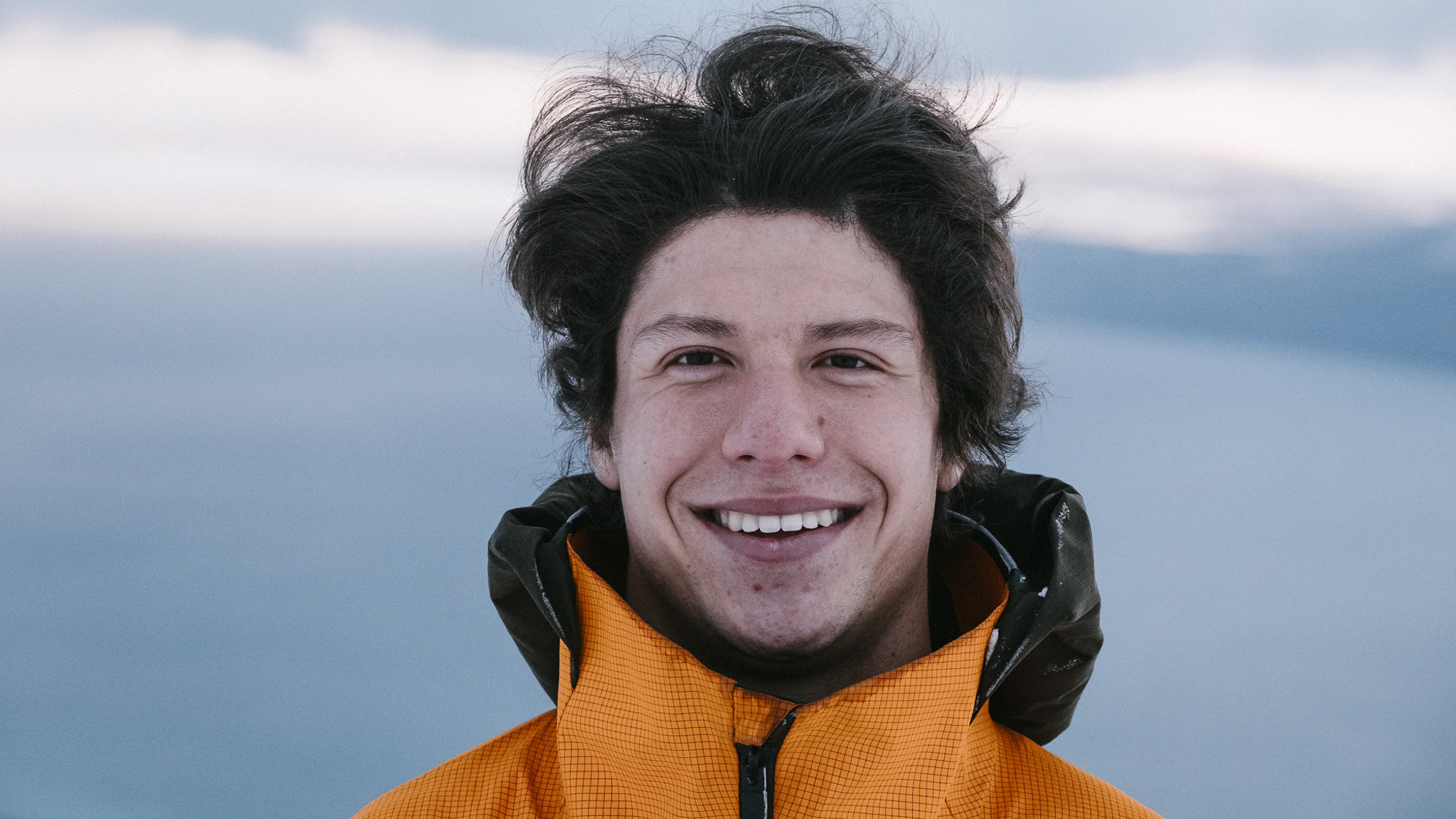
While the spotlight shone brightly on Rivera’s historic win, the event also celebrated another monumental achievement. France’s Victor de Le Rue, finishing second on the day with a commendable 75 points, secured his fifth overall FWT title. This accomplishment is nothing short of legendary, cementing de Le Rue’s status as one of the greatest competitive freeriders of all time. His consistent presence at the top of the sport for over a decade speaks volumes about his skill, adaptability, and enduring passion. De Le Rue’s ability to repeatedly perform at the highest level on the world’s most challenging mountains sets a benchmark for future generations and highlights the incredible depth of talent within the Freeride World Tour. His fifth title is a testament to sustained excellence and a deep understanding of competitive freeriding, proving that consistency over time is as vital as a single spectacular run.
Voices from the Victory Podium and Beyond
The emotional weight of the victory was palpable in Liam Rivera’s post-run comments. "It’s a competition I’ve watched since I was a kid, and winning it feels unreal," Rivera stated, his voice likely tinged with a mix of exhaustion and elation. "I’m so happy to have put down my run and deliver a show in front of my family and the Swiss crowd." This statement encapsulates the profound personal significance of the win, transforming a childhood dream into a tangible reality.
Thierry Kunz, Brand Lead for Nidecker, Rivera’s sponsor, echoed the sentiment of immense pride. "What a season for Liam. To already be the reigning FIS World Champion and then go and post the highest score in Verbier history on the Bec des Rosses – it’s a special thing to witness," Kunz remarked. "As a Swiss brand, we could not be more proud." This endorsement from a key industry partner underscores the commercial and symbolic value of Rivera’s success. It highlights the symbiotic relationship between athlete and brand, where exceptional performance elevates both. The fact that Rivera competed using his Nidecker LT Supermatic bindings, which had earned a coveted spot in the Whitelines 100, further reinforces the brand’s commitment to cutting-edge equipment that can withstand and enhance elite performance.
Broader Impact and Implications for Freeriding
Liam Rivera’s record-breaking victory at the YETI Xtreme Verbier carries significant implications for the sport of freeriding. Firstly, it elevates his personal brand and profile within the action sports world. As a young, charismatic, and incredibly talented rider, Rivera is poised to become one of the sport’s leading ambassadors, inspiring a new generation of freeriders, particularly in Switzerland and Mexico, given his dual heritage. His success will undoubtedly bring increased attention to the Freeride World Tour, potentially attracting new fans, sponsors, and participants.
Secondly, the unprecedented score of 96 points sets a new standard for competitive snowboarding on the Bec des Rosses. It challenges future competitors to push even further, to innovate in their line choices, and to execute with even greater precision. This continuous evolution of performance is crucial for the growth and excitement of competitive freeriding. Rivera’s run will be studied and re-watched, becoming a benchmark against which future attempts on the Bec des Rosses will be measured.
Thirdly, for Verbier itself, Rivera’s win, as a rider with deep local roots, reinforces the resort’s identity as a global hub for freeride culture and development. It underscores the effectiveness of local programs like the Verbier Freeride Team in nurturing world-class talent. The community pride associated with a local hero achieving such a monumental feat can only enhance Verbier’s standing as a premier destination for freeride enthusiasts worldwide.
Finally, the visibility brought by such a spectacular performance, disseminated through various media channels, including the embedded video of his run, helps to demystify the sport for a broader audience. It showcases the athleticism, mental fortitude, and artistry involved in freeride snowboarding, potentially attracting more mainstream attention and solidifying its place within the broader landscape of extreme sports.
Looking Ahead: The Legacy Continues
Liam Rivera’s triumph at the YETI Xtreme Verbier is more than just a single win; it is a pivotal moment in the history of freeride snowboarding. As reigning FIS World Champion and now the record-holder on the sport’s most hallowed ground, the 26-year-old has firmly established himself as one of the standout freeriders of his generation. His achievement serves as an inspiration, a testament to dedication, courage, and the relentless pursuit of excellence. The Xtreme Verbier will continue to stand as the ultimate test, and the Bec des Rosses will forever challenge the best in the world. But for now, Liam Rivera’s name, and his score of 96 points, will echo through the mountains, a beacon of what is possible when talent meets destiny on the grandest stage of freeride. The reverberations of this historic performance will undoubtedly shape the narrative of competitive freeriding for years to come, urging athletes to dream bigger, ride harder, and redefine the limits of what is achievable on two planks.

